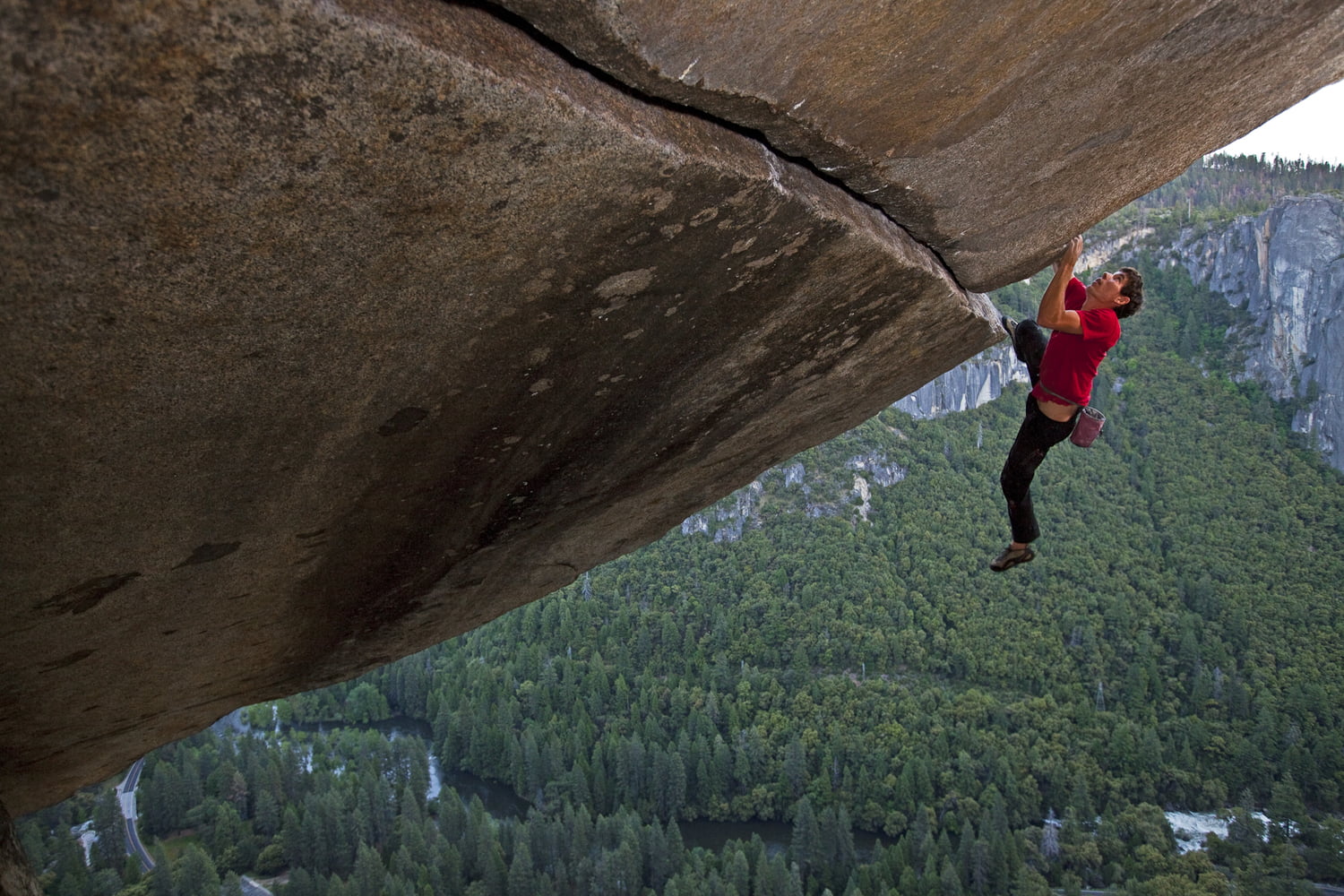
Alex Honnold has an estimated net worth ranging between $2 million and $5 million, a fortune built primarily through elite professional rock climbing sponsorships, book royalties, speaking engagements, and high-profile media appearances such as the Academy Award-winning documentary Free Solo. Unlike traditional celebrity athletes who accumulate wealth through mega-contracts or team salaries, Honnold generates income through specialized brand partnerships, media licensing, and his philanthropic foundation.
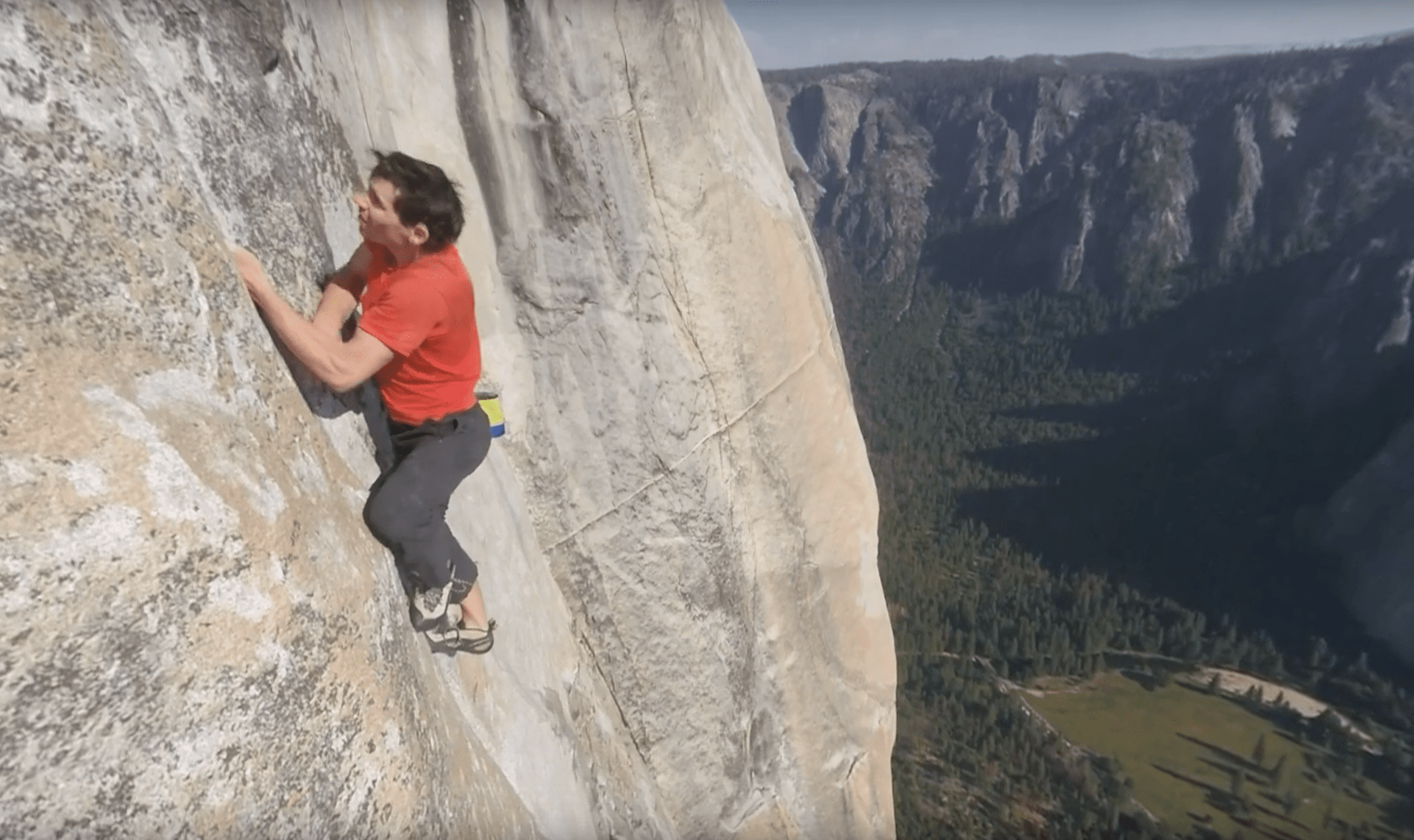
Evaluating the financial portfolio of the world's most famous free solo climber requires looking beyond standard athletic earnings. Free soloing—climbing massive rock faces without ropes, harnesses, or protective gear—is a niche discipline within extreme sports. Yet, Honnold has translated his death-defying ascents, most notably his historic 2017 rope-free climb of El Capitan in Yosemite National Park, into a sustainable, diversified commercial enterprise while maintaining a remarkably minimalist lifestyle.
The Foundations of Elite Climbing Sponsorships
Professional rock climbing has historically offered meager financial rewards compared to mainstream sports like basketball, soccer, or tennis. For decades, elite climbers survived on modest stipends, prize money from regional competitions, and occasional gear discounts. Alex Honnold helped shift this paradigm by transforming raw athletic achievement into long-term corporate sponsorships.
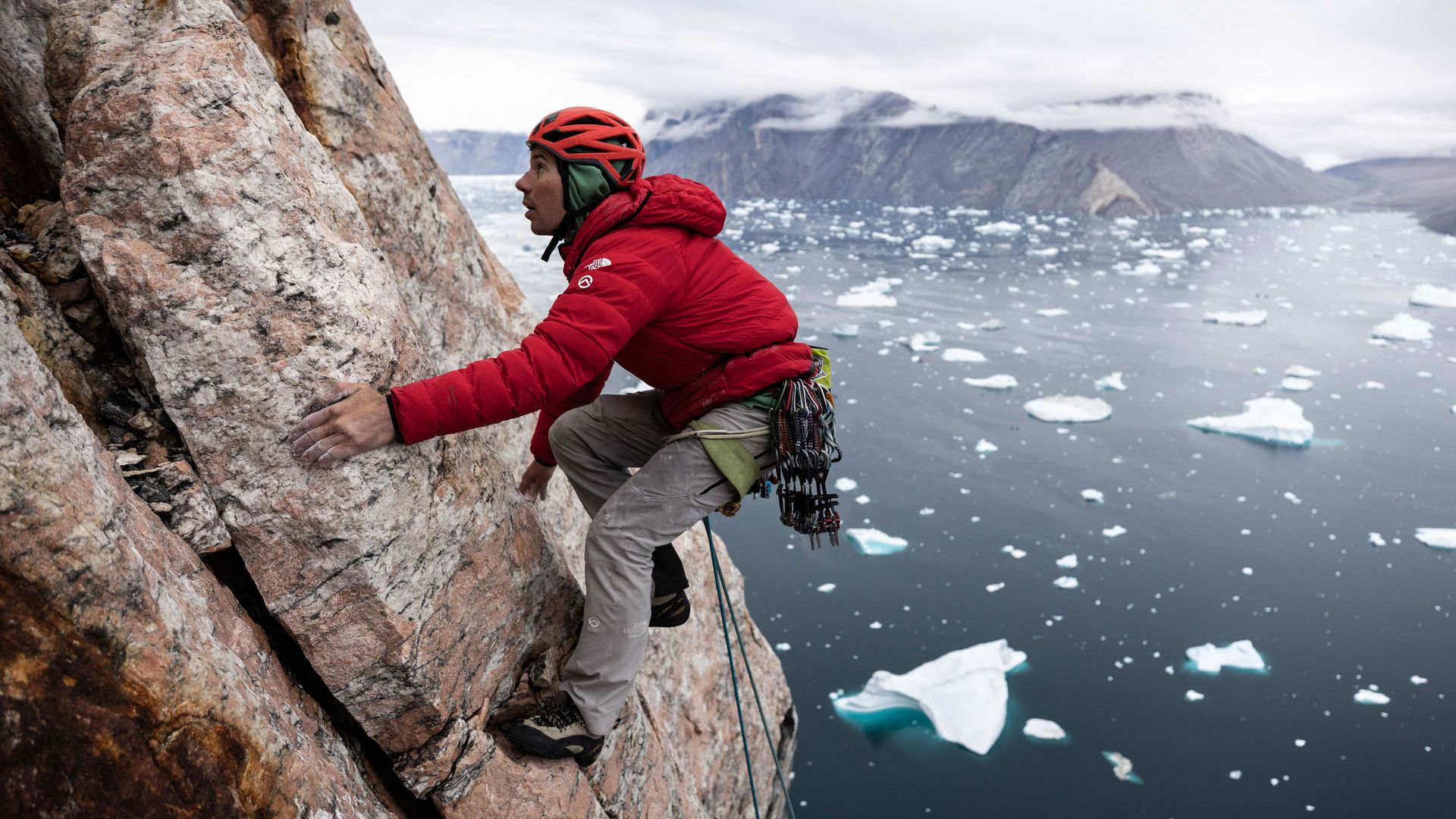
His primary and longest-standing corporate partnership is with The North Face, an outdoor product company that provides substantial financial backing. Additional core sponsors have historically included brands like Black Diamond Equipment, La Sportiva, Clif Bar, and Goal Zero. These partnerships function differently from standard celebrity endorsements. Equipment manufacturers rely on Honnold not just as a billboard, but as a rigorous field tester who pushes gear to its absolute limits in extreme environments.
Sponsorship compensation packages for elite climbers typically combine a base retainer with performance bonuses tied to media coverage, first ascents, and book releases. While exact financial figures for these private contracts are rarely disclosed publicly, industry analysts estimate that top-tier adventure athletes can earn annual retainers ranging from the low six figures to upwards of $500,000 depending on media visibility and campaign integration.
Media Production, Book Royalties, and Free Solo
The single largest catalyst for Honnold’s wealth expansion was the 2018 National Geographic documentary Free Solo, directed by Jimmy Chin and Elizabeth Chai Vasarhelyi. The film achieved mainstream commercial and critical success, grossing over $29 million worldwide at the box office and winning the Academy Award for Best Documentary Feature.
Documentary participants generally do not receive traditional Hollywood blockbuster backend percentages, but Honnold negotiated participation terms and subsequent speaking fees that multiplied exponentially following the film's release. Furthermore, the global visibility generated by Free Solo drove massive demand for his literary and speaking endeavors.
Honnold is a published author whose written works contribute steadily to his net worth. His co-authored autobiography, Alone on the Wall (written with David Roberts), details his most significant ascents and the philosophical framework behind his risk assessment. Book advances, ongoing royalties, and international translation rights provide a reliable, passive revenue stream that buffers against the physical volatility of professional climbing.
| Revenue Stream | Description | Financial Impact |
|---|---|---|
| Brand Sponsorships | Long-term contracts with gear and apparel companies like The North Face and Black Diamond. | Provides consistent annual base retainers and performance bonuses. |
| Media & Documentaries | Film appearances, licensing deals, and syndication rights, anchored by Free Solo. | Generates substantial milestone payouts and global audience reach. |
| Speaking Engagements | Corporate keynotes, university lectures, and outdoor industry keynote addresses. | Commands high five-figure fees per appearance for corporate and institutional events. |
| Book Royalties | Sales from autobiographies and instructional literature, including Alone on the Wall. | Offers steady, passive long-term income across global markets. |
Professional Speaking and Corporate Keynotes
Public speaking represents one of the most lucrative avenues for elite endurance athletes and extreme sports figures. Alex Honnold is regularly booked by corporate entities, financial institutions, technology firms, and academic institutions to deliver keynote presentations.
His talks frequently bridge the gap between extreme physical risk management and corporate decision-making. Corporations pay premium fees to hear Honnold analyze how he manages fear, executes meticulous preparation, and maintains absolute focus in high-stakes environments where errors result in fatal consequences.
Top-tier motivational and adventure speakers with Honnold's global name recognition routinely command between $20,000 and $50,000 per engagement. Given his busy travel schedule and selective booking criteria, public speaking contributes a substantial share of his active yearly income.
Philanthropy and the Honnold Foundation
Financial wealth accumulation is only one facet of Honnold’s economic profile; his philanthropic deployment of capital is equally central to his public identity. In 2012, he established the Honnold Foundation, a non-profit organization dedicated to promoting solar energy and equitable energy access worldwide.
The foundation operates on the premise that solar power can drastically improve living standards in marginalized communities globally. Honnold has historically donated a significant portion of his personal income—often self-imposing a tithe of one-third of his earnings—directly to the foundation and other environmental causes.
Rather than accumulating luxury assets, fleets of sports cars, or sprawling coastal estates, Honnold directs surplus capital toward climate resilience initiatives and grant-making for grassroots solar projects. This philanthropic strategy reflects both his personal environmental ethos and a deliberate choice to keep his personal overhead remarkably low.
The Economics of a Minimalist Lifestyle
A defining paradox of Alex Honnold’s net worth is the stark contrast between his cumulative earnings and his day-to-day cost of living. For many years following his breakthrough in professional climbing, Honnold lived out of a modified Ford Econoline van, driving from one climbing destination to another across North America.
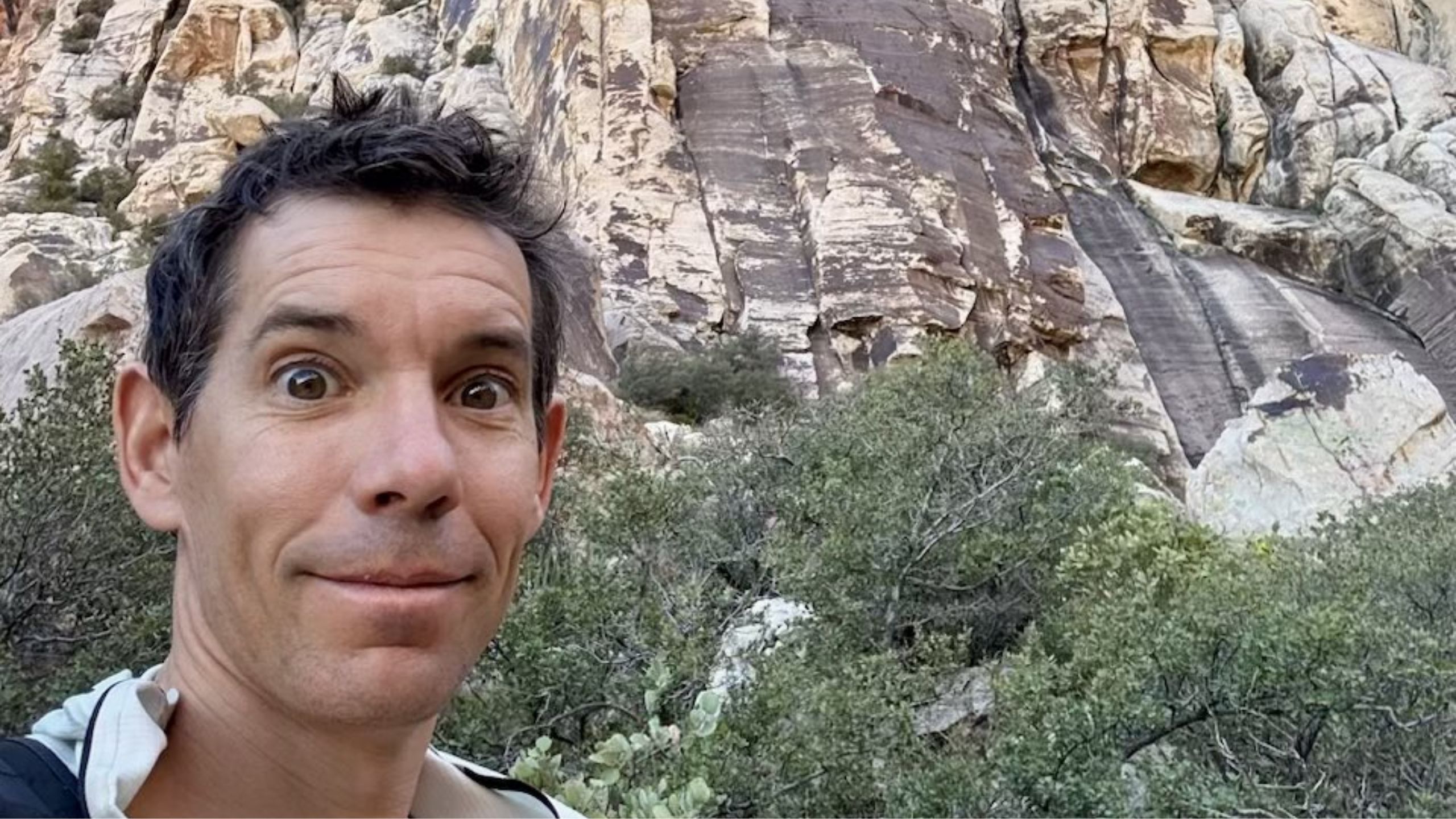
Even after achieving millionaire status, Honnold’s lifestyle remained remarkably austere compared to mainstream entertainment and sports celebrities. He purchased a modest home in Las Vegas—chosen primarily for its proximity to world-class limestone climbing at Red Rock Canyon—and has focused his expenditures on energy efficiency upgrades, electric vehicles, and outdoor gear.
This minimalist philosophy allows his net worth to compound without being depleted by the massive maintenance costs, property taxes, and luxury overheads typical of high-net-worth individuals. By keeping his personal baseline expenses low, Honnold retains absolute professional autonomy, enabling him to turn down commercial sponsorships that conflict with his personal ethics or environmental values.
Frequently Asked Questions
How much is Alex Honnold worth?
Alex Honnold has an estimated net worth between $2 million and $5 million. This figure is derived from decades of professional climbing sponsorships, book sales, global speaking engagements, and his participation in award-winning media projects like Free Solo.
Did Alex Honnold make millions from the movie Free Solo?
While Free Solo grossed over $29 million worldwide, documentary subjects typically receive modest upfront fees rather than major box office percentages. However, the film dramatically increased Honnold's global profile, elevating his speaking fees, book sales, and sponsorship contract values.
What are Alex Honnold's primary sources of income?
His income stems primarily from corporate sponsorships with outdoor brands like The North Face, corporate and institutional speaking engagements, literary royalties from books such as Alone on the Wall, and media licensing agreements.
Does Alex Honnold still live in a van?
Honnold spent years living out of a converted Ford Econoline van to stay close to climbing locations. While he transitioned to owning a permanent home in Las Vegas, he continues to travel extensively and utilizes camper vans or expedition housing during remote climbing trips.
What is the Honnold Foundation?
The Honnold Foundation is a 501(c)(3) non-profit organization founded by Honnold in 2012. It provides grant funding and support for international solar energy projects aimed at reducing carbon emissions and expanding energy access for vulnerable communities.
Strategic Asset Management and Future Outlook
For individuals analyzing the financial models of extreme athletes, Alex Honnold represents a unique case study in sustainable brand management. By aligning his commercial partnerships strictly with outdoor and environmental missions, Honnold has built a durable financial foundation that transcends short-term athletic trends. As he transitions further into expedition leadership, documentary production, and environmental advocacy, his financial portfolio remains securely anchored in diversified media, intellectual property, and strategic corporate alliances that require no compromise of his core athletic integrity.