Alex Honnold has an estimated net worth of roughly $2 million to $5 million, a valuation accumulated through professional climbing sponsorships, book royalties, media licensing, speaking engagements, and the monumental commercial success of the Academy Award-winning documentary Free Solo. Unlike traditional celebrity athletes whose fortunes stem from multi-million-dollar league contracts or franchise ownership, Honnold built his financial standing entirely within the niche sport of free-solo rock climbing—scaling massive vertical rock faces completely without ropes or safety gear.
The intersection of extreme athletics, global media visibility, and modern personal branding has transformed how elite adventurers monetize physical risk. Understanding how Honnold transitioned from a nomadic, van-dwelling climber living on a minimalist budget into a globally recognized public figure requires examining the economics of adventure sports, the impact of landmark media projects like Alone on the Wall and Free Solo, and the structured mechanisms of modern athletic sponsorship.
The Economic Reality of Professional Rock Climbing
Professional rock climbing has historically been characterized by financial precarity. For decades, elite climbers survived on modest stipends, prize money from regional competitions, and occasional employment as route setters or mountain guides. Unlike mainstream sports where broadcasting rights trickle down to individual athletes in substantial shares, climbing operated as a fringe discipline with limited spectator appeal and negligible mainstream television coverage.
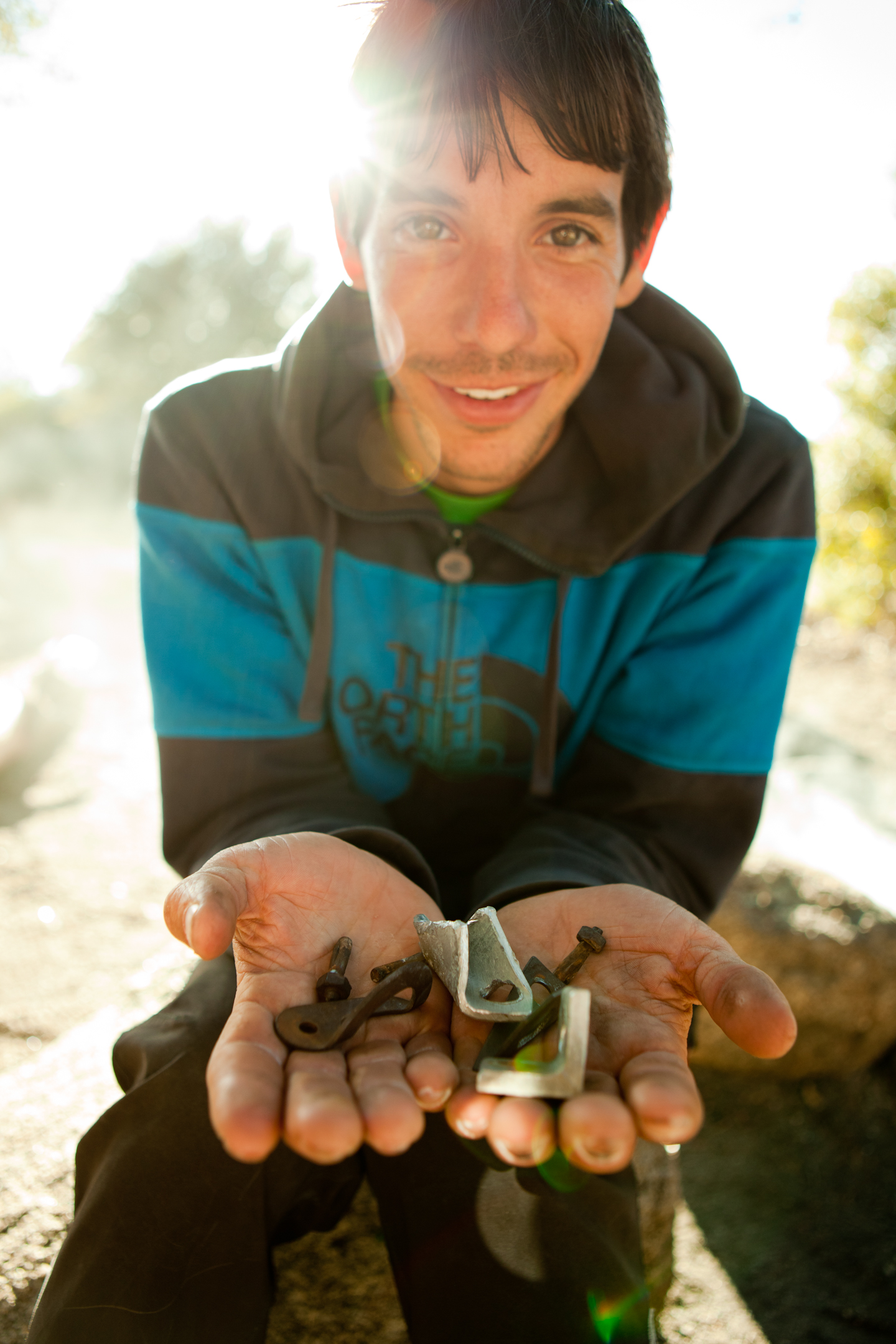
During his early career, Honnold epitomized this austere lifestyle. After dropping out of the University of California, Berkeley, where he studied civil engineering, he lived out of a 2002 Ford Econoline van, spending minimal amounts on food, gear, and fuel. His early financial survival relied on basic gear sponsorship deals from brands like The North Face, which provided equipment and modest retainers rather than life-changing capital.
The economic shift in Honnold’s career mirrored a broader cultural transition in outdoor media. As high-definition action sports videography matured and digital platforms democratized access to adventure content, brands recognized the powerful storytelling potential inherent in extreme risk. Sponsors began investing heavily in athletes who could not only perform at the absolute limit of human capability but also articulate the mental frameworks driving their endeavors.
Literary Breakthroughs: Alone on the Wall and Narrative Expansion
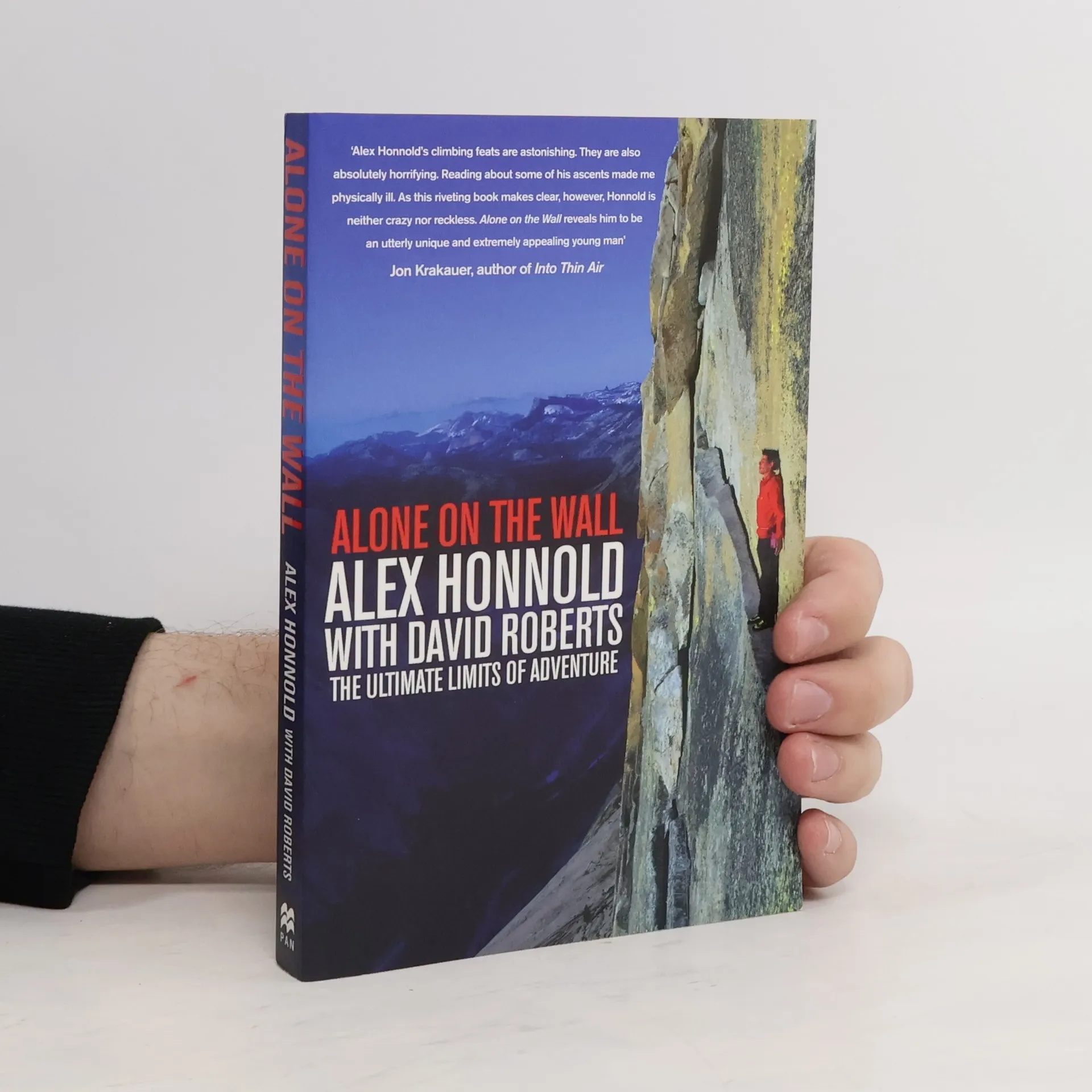
A significant catalyst for Honnold’s broader public recognition and commercial diversification was the publication of his 2015 memoir, Alone on the Wall, co-authored with veteran mountaineer and writer David Roberts. The book detailed his most significant free-solo ascents, including the historical triple crown in Yosemite and Zion National Parks, where he soloed Mount Watkins, El Capitan, and the Regular Northwest Face of Half Dome within a compressed timeframe.
Alone on the Wall expanded Honnold’s audience far beyond core climbing enthusiasts, establishing him as a compelling narrative voice in adventure literature. Book advances, international translation rights, and subsequent speaking tours transformed his revenue model from purely gear-dependent sponsorships to intellectual property monetization.
Public speaking engagements became a lucrative revenue stream. Corporate entities, academic institutions, and technology conferences frequently hire Honnold to deliver keynote presentations. These talks typically draw parallels between managing extreme risk, maintaining absolute focus in high-stress environments, and achieving peak performance—themes that resonate deeply within corporate leadership and finance sectors.
The Cinematic Turning Point: Free Solo and Global Fame
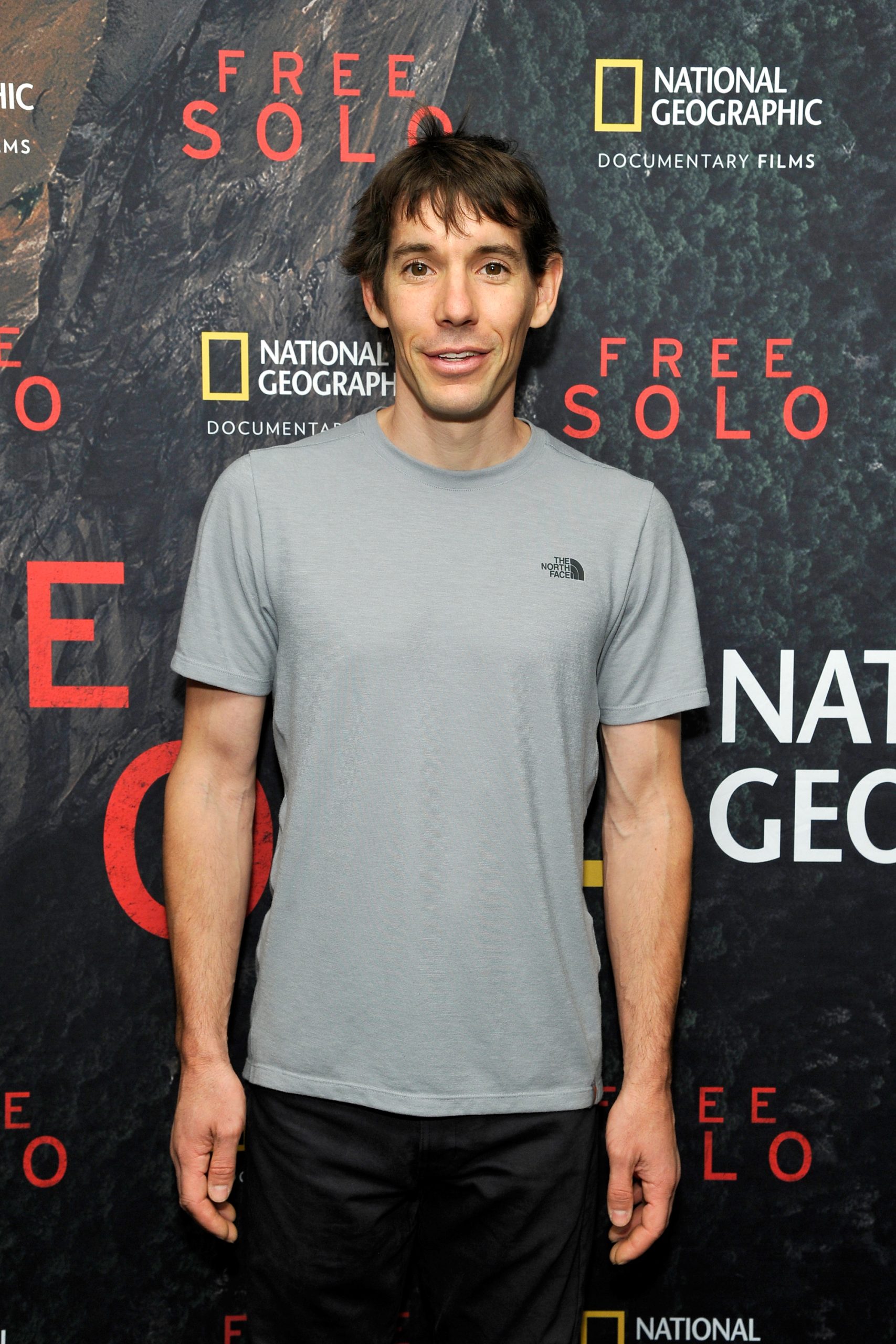
The definitive milestone in Honnold’s financial evolution was the 2018 documentary Free Solo, directed by Elizabeth Chai Vasarhelyi and Jimmy Chin. The film documented Honnold’s multi-year preparation and ultimate successful free-solo ascent of El Capitan’s Freerider route in Yosemite National Park—a 3,000-foot vertical granite wall often described as the "moon landing" of free soloing.
| Revenue Source | Description | Estimated Financial Impact |
|---|---|---|
| Documentary & Media Licensing | Participation royalties, box office shares, and streaming distribution deals for Free Solo and related media projects. | High (Primary driver of global asset growth) |
| Corporate Sponsorships | Long-term partnerships with premier outdoor and lifestyle brands, including The North Face, Black Diamond, and Peak Design. | High (Consistent annual retainers) |
| Public Speaking & Appearances | Keynote presentations at corporate events, universities, and leadership seminars focusing on risk management and focus. | Moderate to High (Per-event fees) |
| Literary Royalties | Sales of Alone on the Wall and related written contributions across global publishing markets. | Moderate (Steady long-term passive income) |
| The Honnold Foundation | Non-profit philanthropic work focused on solar energy; does not contribute to personal net worth but defines his public legacy. | Neutral (Philanthropic enterprise) |
Free Solo was a commercial and critical blockbuster, grossing over $29 million worldwide against a modest budget and winning the Academy Award for Best Documentary Feature in 2019. While documentary subjects typically receive modest initial compensation compared to Hollywood actors, Honnold negotiated participation agreements and capitalized on the subsequent surge in global media demand. The film elevated him from a specialized sports icon to a household name, expanding his commercial value exponentially.
Brand Partnerships and Modern Athlete Endorsements
Sponsorship structures in elite endurance and adventure sports have evolved significantly alongside digital media. Rather than relying on simple product placement or one-off endorsement deals, athletes of Honnold’s caliber maintain long-term equity-like relationships with foundational brands.
The North Face has remained Honnold’s primary apparel and gear sponsor for decades, supporting his expeditions globally. Additional partnerships include specialized equipment manufacturers such as Black Diamond, as well as cross-industry brands that align with his personal ethos of sustainability, efficiency, and minimalism.
Crucially, Honnold’s frugal reputation—famously highlighted by his long-term residence in a van and later the purchase of a modest home in Las Vegas—has enhanced his authenticity among consumers. Unlike athletes associated with luxury consumption, Honnold’s brand value rests on asceticism, environmental consciousness, and intellectual curiosity. This positioning makes him an attractive partner for brands seeking to project genuine sustainability rather than superficial consumerism.
Philanthropy and the Honnold Foundation
An important dimension of Honnold’s public profile is his philanthropic work through the Honnold Foundation, which he established in 2012. The non-profit organization promotes solar energy for a more equitable world, funding community-based solar projects globally.
Honnold has consistently committed a significant percentage of his personal income—initially one-third, and later expanded through various funding mechanisms—to environmental causes and renewable energy initiatives. While philanthropic commitments reduce the capital retained in personal investment portfolios, they solidify his public standing, align with his academic background in engineering, and ensure that his fame translates into tangible social impact rather than idle accumulation.
Frequently Asked Questions
What is Alex Honnold's net worth?
Alex Honnold has an estimated net worth between $2 million and $5 million. This wealth has been accumulated gradually over decades of professional climbing through corporate sponsorships, book royalties, public speaking fees, and participation in media projects like the Academy Award-winning documentary Free Solo.
How did Alex Honnold make his money?
Honnold generates income primarily through long-term sponsorships with major outdoor brands like The North Face, paid public speaking engagements, literary royalties from books such as Alone on the Wall, and commercial distribution arrangements tied to documentary films chronicling his climbs.
Did Alex Honnold make millions from Free Solo?
While Free Solo grossed over $29 million at the global box office and won an Academy Award, documentary subjects generally do not receive Hollywood-scale salaries. However, the film massively boosted Honnold's global profile, dramatically increasing his value as a speaker, author, and brand ambassador.
Does Alex Honnold still live in a van?
No, Honnold transitioned out of full-time van dwelling after purchasing a home in Las Vegas, Nevada, which he shares with his wife, Sanni McCandless, and their children. However, he continues to travel extensively out of vans and campers during climbing expeditions around the world.
What is the Honnold Foundation?
The Honnold Foundation is a non-profit organization founded by Alex Honnold in 2012 that supports global solar energy initiatives. Honnold has historically donated a substantial portion of his personal earnings to fund renewable energy projects aimed at reducing carbon emissions and improving energy access in marginalized communities.
Strategic Financial Management for Niche Athletes
For aspiring professional athletes operating outside major league sports, Honnold’s financial trajectory offers a clear blueprint for sustainable career monetization. Success requires diversifying revenue streams beyond direct athletic performance into intellectual property, commercial media, and authoritative public communication. By maintaining rigorous financial discipline, investing in long-term brand equity, and aligning commercial partnerships with authentic personal values, elite athletes can build resilient economic security within specialized industries.