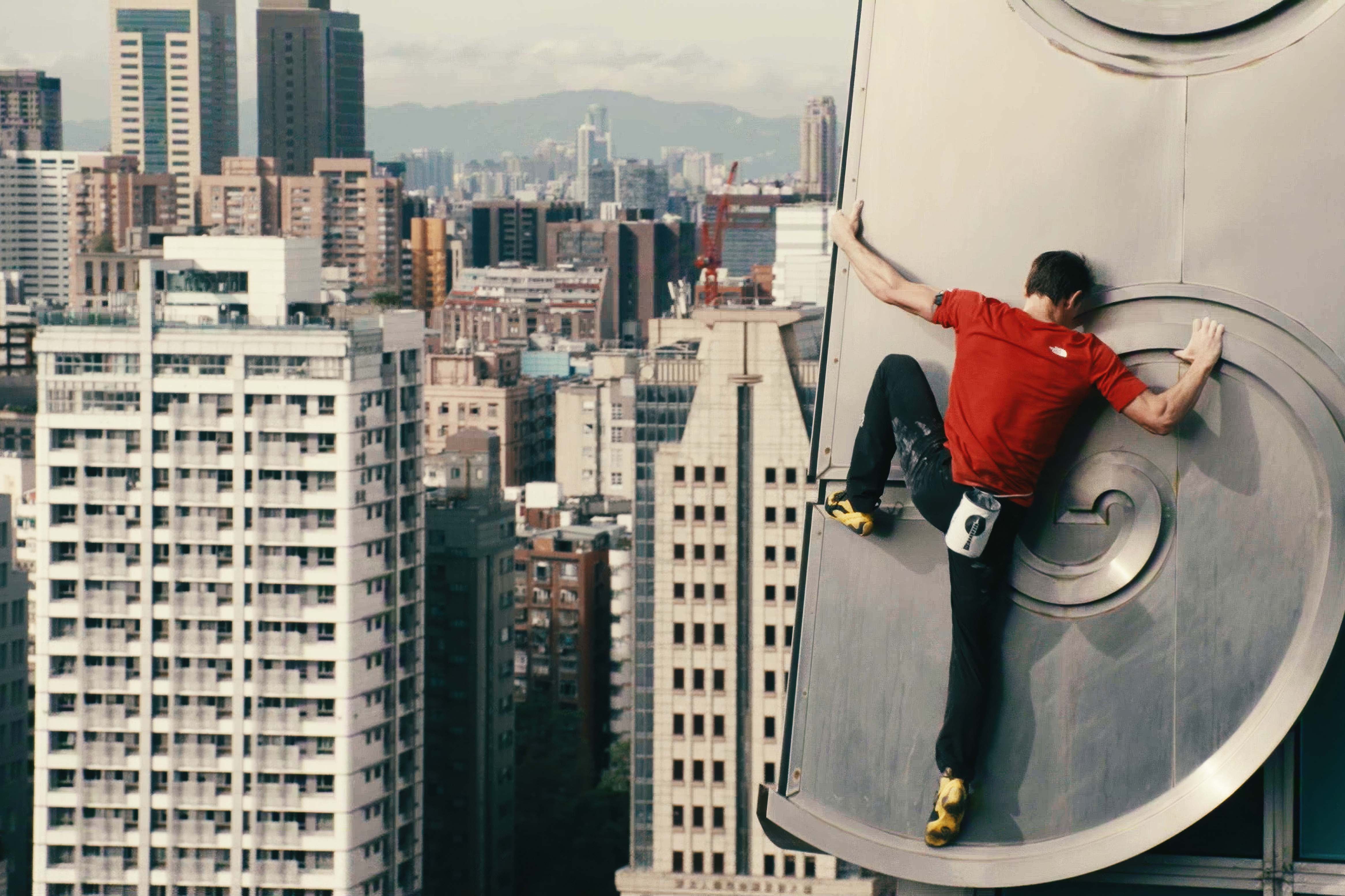
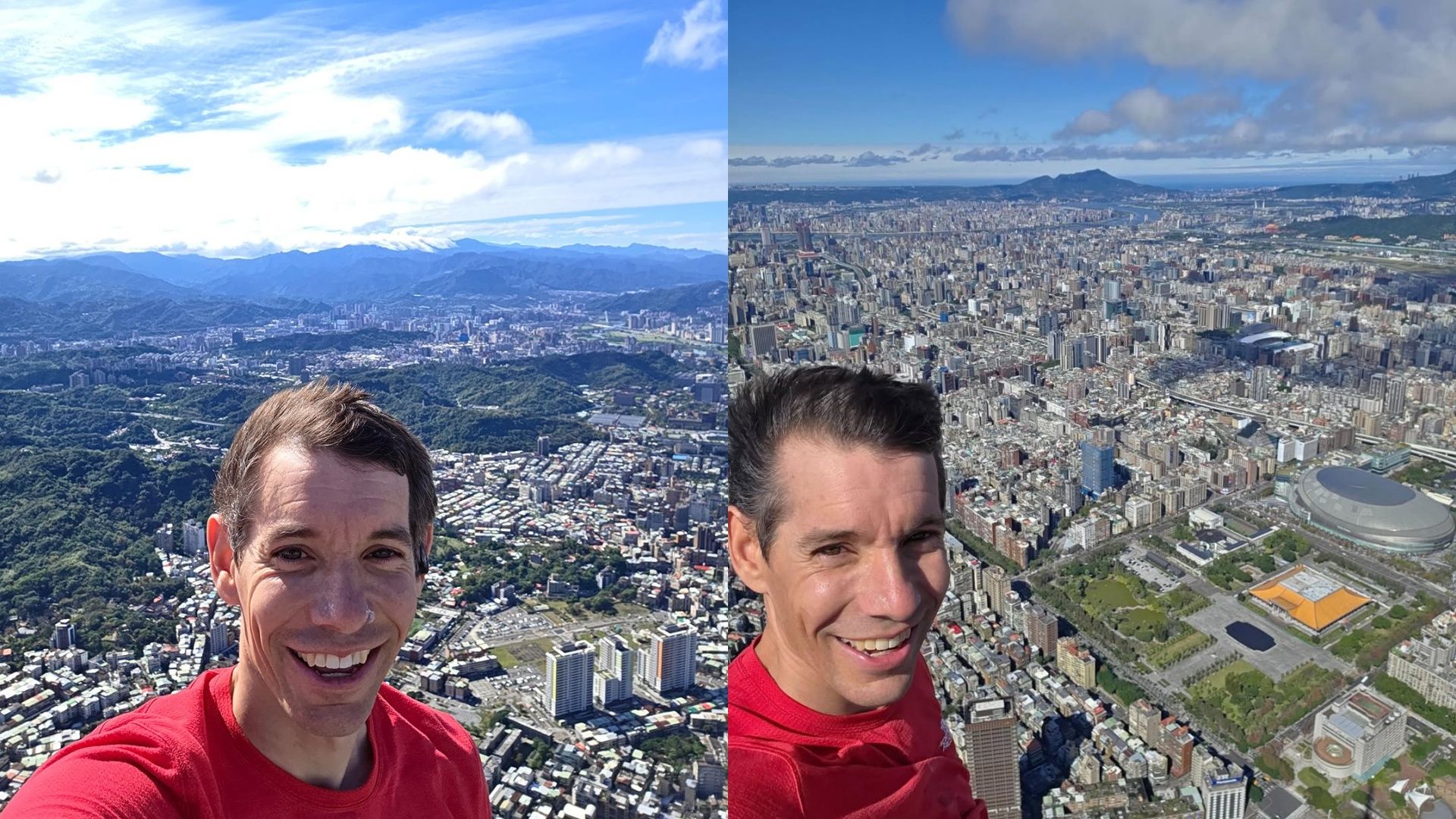
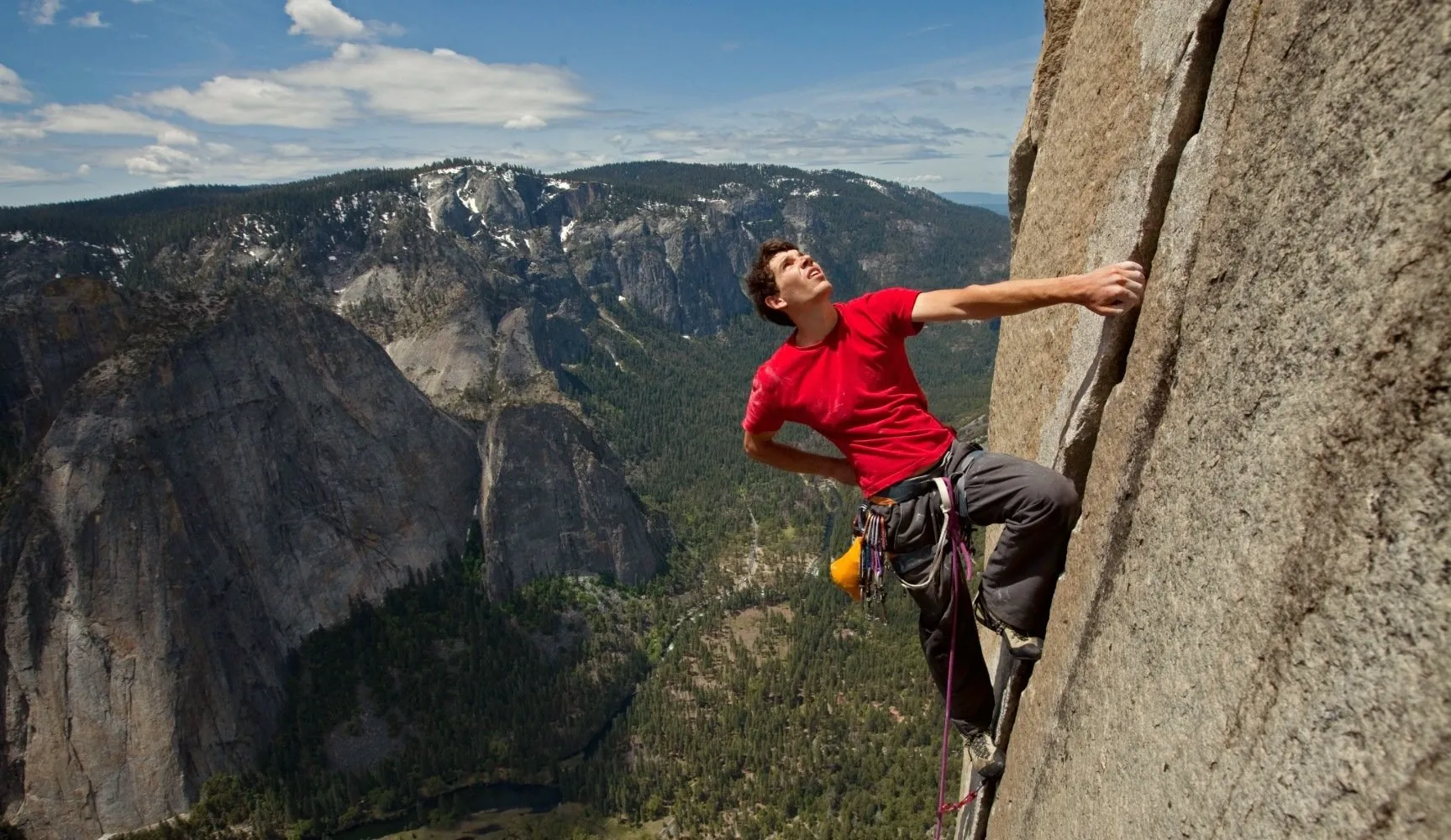
Alex Honnold’s name is synonymous with the absolute pinnacle of free solo climbing—the uncompromising discipline of scaling sheer rock faces or massive structures without ropes, harnesses, or safety gear of any kind. When discussions turn toward architectural giants like Taipei 101, the conversation inevitably centers on the unprecedented physiological endurance, intense mental mastery, and complex logistical choreography required to execute a defining vertical ascent on a man-made skyscraper.
Understanding the Philosophy of Free Soloing
Free solo climbing strips the sport of mountaineering down to its rawest, most unforgiving element: human movement balanced against gravity with zero margin for error. Unlike traditional or sport climbing, where dynamic ropes and anchors catch a falling climber, a free solo ascent transforms every handhold, friction smear, and micro-edge into a binary proposition of absolute success or catastrophic failure.
For athletes like Honnold, this pursuit is not born of a reckless desire for danger, but rather from a methodical, deeply analytical approach to risk management. Every route is meticulously studied, visualized, and practiced with safety systems long before any attempt is made without gear. The objective is to eliminate uncertainty through hyper-preparation, turning what appears to spectators as an impossible gamble into a controlled, highly calculated performance.
Architectural Anatomy of Taipei 101
Rising 508 meters (1,667 feet) above the Xinyi District of Taipei, Taiwan, Taipei 101 presents a radically different set of physical challenges compared to traditional granite cliffs like El Capitan. Designed by C.Y. Lee & Partners, the skyscraper is internationally celebrated for its postmodern architectural style, which evokes the traditional aesthetics of Asian pagodas through a series of eight distinct modular segments.
Each of these eight-story segments flares outward toward the top, creating a repeating pattern of dramatic overhangs, faceted glass panels, and structural steel reinforcement. For a vertical climber, these geometric overhangs introduce severe physical barriers. Unlike a uniform vertical wall, scaling Taipei 101 requires navigating complex transitions between sloping glass curtain walls, steel mullions, and exterior decorative brackets that offer variable friction and unconventional handholds.
The Technical Challenges of Urban Free Soloing
Climbing a supertall skyscraper introduces distinct physical and environmental variables that do not exist in natural wilderness environments. Urban microclimates, thermal expansion of building materials, and the strict absence of natural rock features test a climber’s adaptability in entirely new ways.
| Environmental Factor | Natural Big Wall (e.g., El Capitan) | Urban Skyscraper (e.g., Taipei 101) |
|---|---|---|
| Surface Composition | Granite, natural friction, variable weathering | Glass, polished steel, engineered composite panels |
| Route Consistency | Natural cracks, flakes, and ledges | Repetitive architectural modules and metal mullions |
| Wind & Microclimate | Mountain thermals and valley winds | High-altitude urban wind tunnels and downdrafts |
| Legal & Operational | Public land management / National Parks | Private property jurisdiction and municipal permits |
Furthermore, the materials dictate the required climbing technique. Glass panels provide virtually zero friction for climbing shoes, forcing the athlete to rely exclusively on the narrow aluminum or steel mullions framing the windows. Grip strength, finger-board conditioning, and precise foot placement become the ultimate limiting factors over thousands of vertical feet of continuous exposure.
Logistics, Permissions, and Legal Frameworks
Executing a high-profile urban ascent on a landmark structure of international significance requires an immense administrative effort. Unlike scaling a remote mountain peak, an urban free solo climb involves complex legal, municipal, and corporate jurisdiction.
Securing access to a supertall structure like Taipei 101 demands extensive coordination with building management, municipal authorities, safety coordinators, and legal counsel. Insurance liability, crowd control, and emergency response planning dictate every phase of the project timeline. Without comprehensive institutional alignment and strict regulatory compliance, attempting such a vertical climb remains legally impossible, regardless of the athlete's physical capability.
Media Spectacle and Cultural Impact
Urban free solo ascents occupy a unique space in modern media, blending extreme sports documentation with high-stakes live broadcasting and cinematic filmmaking. When major media organizations capture these monumental climbs, the resulting visual narratives fundamentally alter how global audiences perceive human potential and architectural design.
Documenting a climb of this magnitude requires specialized camera crews, high-altitude drone operations, and meticulous safety protocols to ensure that the production team does not interfere with the climber's concentration or physical movements. The cultural footprint left by these definitive vertical climbs extends far beyond the climbing community, inspiring global discussions about focus, fear, and the relentless expansion of athletic boundaries.
Frequently Asked Questions
What makes Taipei 101 structurally unique for vertical climbing?
Taipei 101 features eight distinctive modular segments that flare outward, incorporating glass curtain walls, steel mullions, and traditional architectural motifs. These sweeping overhangs and non-uniform facade geometries create complex physical obstacles that require specialized technical movement compared to flat vertical buildings or natural rock faces.
How does urban free soloing differ from traditional rock climbing?
Urban free soloing involves scaling man-made structures composed of glass, steel, and engineered composite materials rather than natural rock. Climbers must contend with variable surface friction, polished metal edges, urban wind dynamics, and strict private property regulations that do not apply in wilderness areas.
What safety preparations precede a major urban free solo climb?
Even though free solo ascents are performed without ropes, athletes undergo rigorous preparation involving route scouting, physical conditioning, mental visualization, and—when practicing—extensive use of safety harnesses, ascenders, and fall-arrest systems to master every sequence of the climb beforehand.
Why are permits and legal permissions essential for skyscraper climbs?
Skyscrapers are privately owned commercial properties situated within dense metropolitan areas. Climbing them without authorization violates trespassing laws, creates severe liability risks for building owners, and poses crowd-control and public safety challenges that require formal municipal and corporate approval.
What physical attributes are most critical for scaling a supertall building?
Exceptional finger strength, enduring forearm stamina, precise footwork on narrow metal ledges, and profound psychological composure under extreme exposure are the most vital attributes required to sustain a continuous multi-hour vertical ascent.
Planning Your Next Vertical Exploration Milestone
For mountaineers, climbers, and architectural enthusiasts seeking to understand the limits of human vertical mobility, studying the intersection of engineering and elite athletics provides invaluable insight into modern expedition planning. Whether analyzing historical urban ascents or following contemporary developments in adventure documentary filmmaking, maintaining a rigorous focus on safety, legal compliance, and technical mastery remains the definitive standard for engaging with extreme vertical sports.