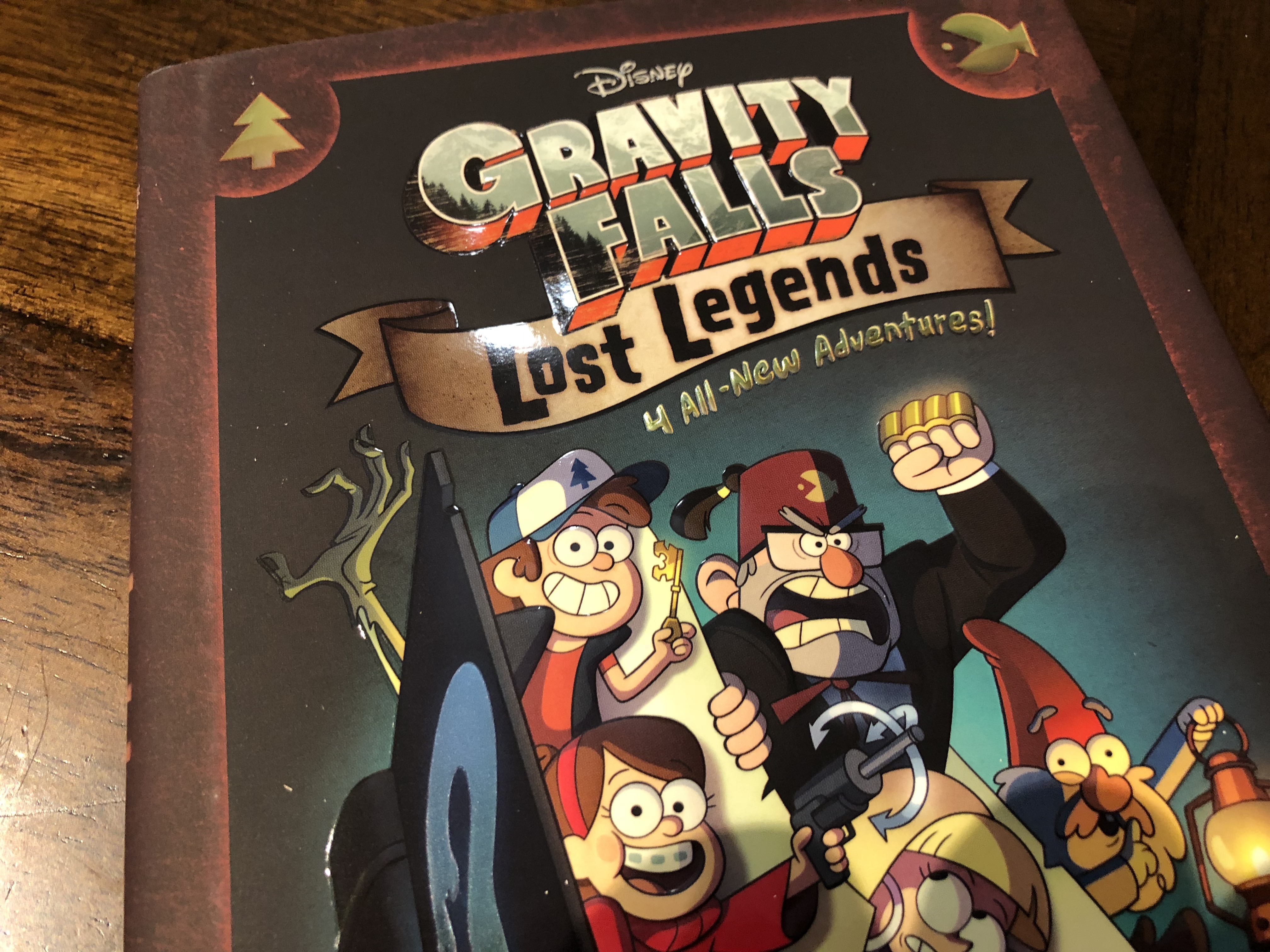
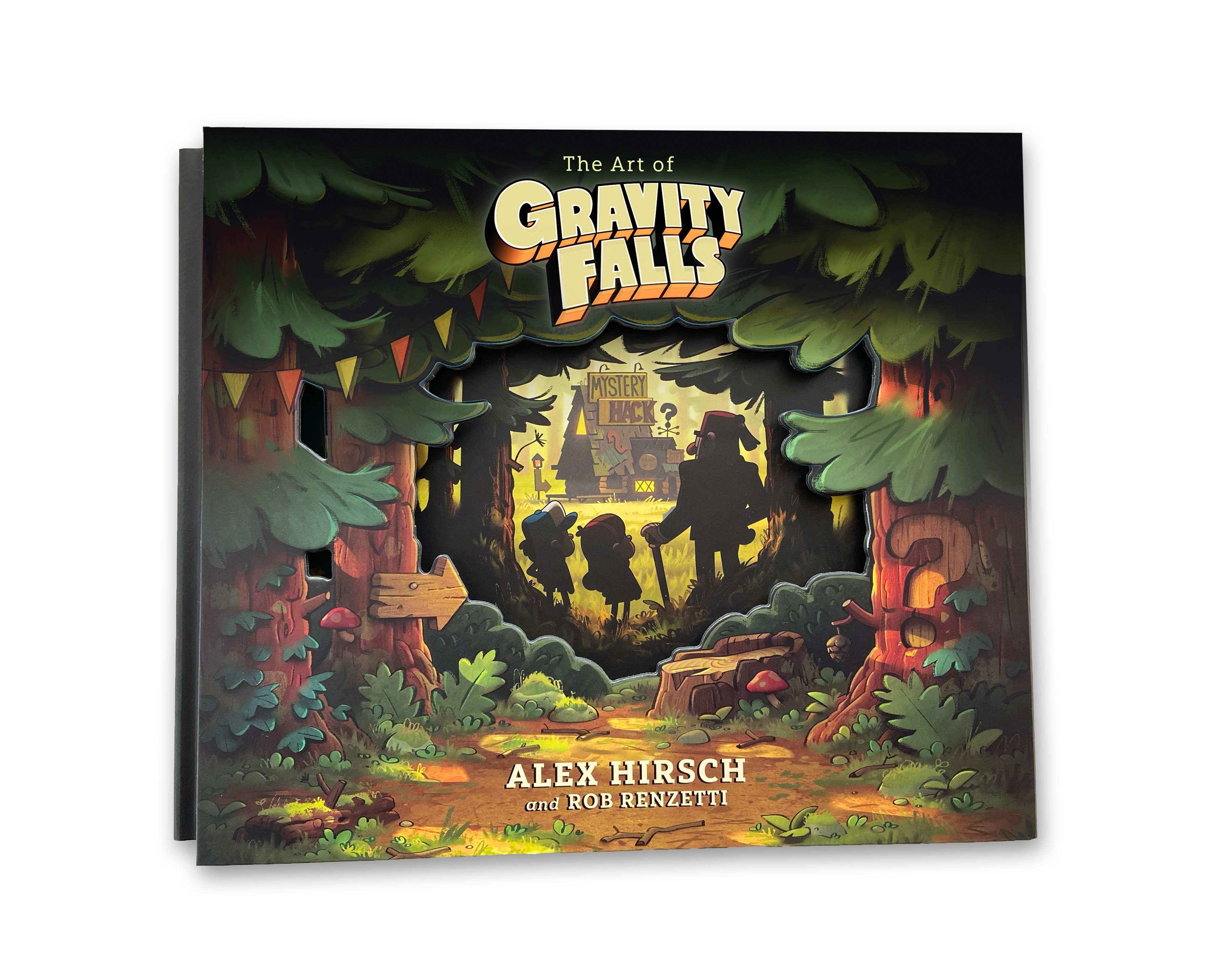
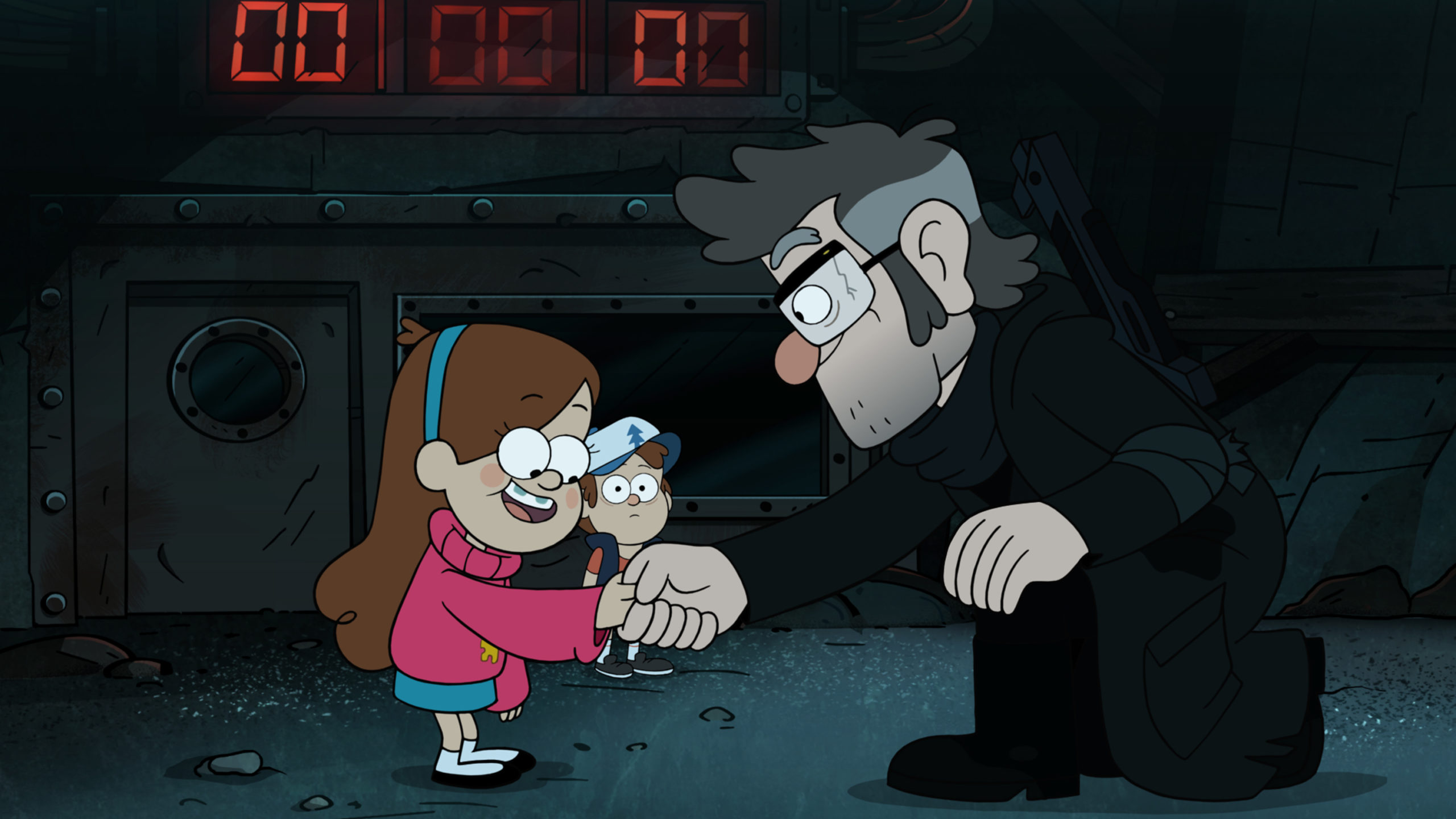
Alex Hirsch shaped modern animation through his creative vision for Gravity Falls, serving as creator, showrunner, executive producer, and primary voice actor for multiple iconic characters while establishing a unique artistic template for serialized cable television.
Introduction to Alex Hirsch and the Genesis of Gravity Falls
The landscape of 21st-century animation experienced a profound shift when Gravity Falls premiered on Disney Channel in June 2012. At the center of this cultural milestone was Alex Hirsch, a California Institute of the Arts (CalArts) graduate whose upbringing, peculiar childhood experiences, and early fascination with cryptozoology laid the groundwork for the fictional town of Gravity Falls, Oregon. Hirsch conceived the series as a hybrid of nostalgic summer-vacation tropes and unsettling supernatural mysteries, heavily inspired by his own childhood adventures with his twin sister, Ariel Hirsch.
Rather than relying on the episodic, reset-button status quo that traditionally dominated children's television animation at the time, Hirsch pitched a serialized narrative model. This framework combined monster-of-the-week escapades with an overarching, intricate mythology that rewarded attentive viewing, hidden ciphers, and deep audience engagement. Understanding Hirsch's multifaceted role within the production requires examining how his voice work, writing style, and insistence on a definitive narrative conclusion transformed a standard network cartoon into a watershed creative achievement.
Multifaceted Roles: Showrunner, Writer, and Director
Alex Hirsch’s involvement in Gravity Falls extended far beyond traditional executive oversight; he operated as the central creative engine for the entire two-season run. As showrunner, Hirsch maintained strict quality control over every department, coordinating layout artists, background painters, storyboard revisionists, and voice directors to ensure a unified visual and tonal identity.
Writing for the series demanded a delicate balancing act. Hirsch and his writers' room had to satisfy Disney Channel’s broadcast standards and practices regarding kid-friendly content while simultaneously embedding subtext, genuine peril, and complex emotional arcs. Hirsch frequently wrote key episodes himself, including the pilot ("Tourist Trapped") and the three-part series finale ("Weirdmageddon").
His direct oversight of the show's storyboards allowed him to dictate pacing, comedic timing, and visual gags on a panel-by-panel basis. This hands-on methodology ensured that the humor remained distinctly character-driven, blending cynical wit, surreal absurdism, and genuine heart.
Voice Acting and Character Portrayal
Beyond his behind-the-scenes leadership, Hirsch heavily contributed to the sonic landscape of Gravity Falls by voicing several of its most memorable characters. His vocal range allowed him to inject distinct personality traits, comedic timing, and emotional vulnerability directly into the animation pipeline.
The primary characters voiced by Alex Hirsch demonstrate his versatility across different comedic archetypes and emotional registers:
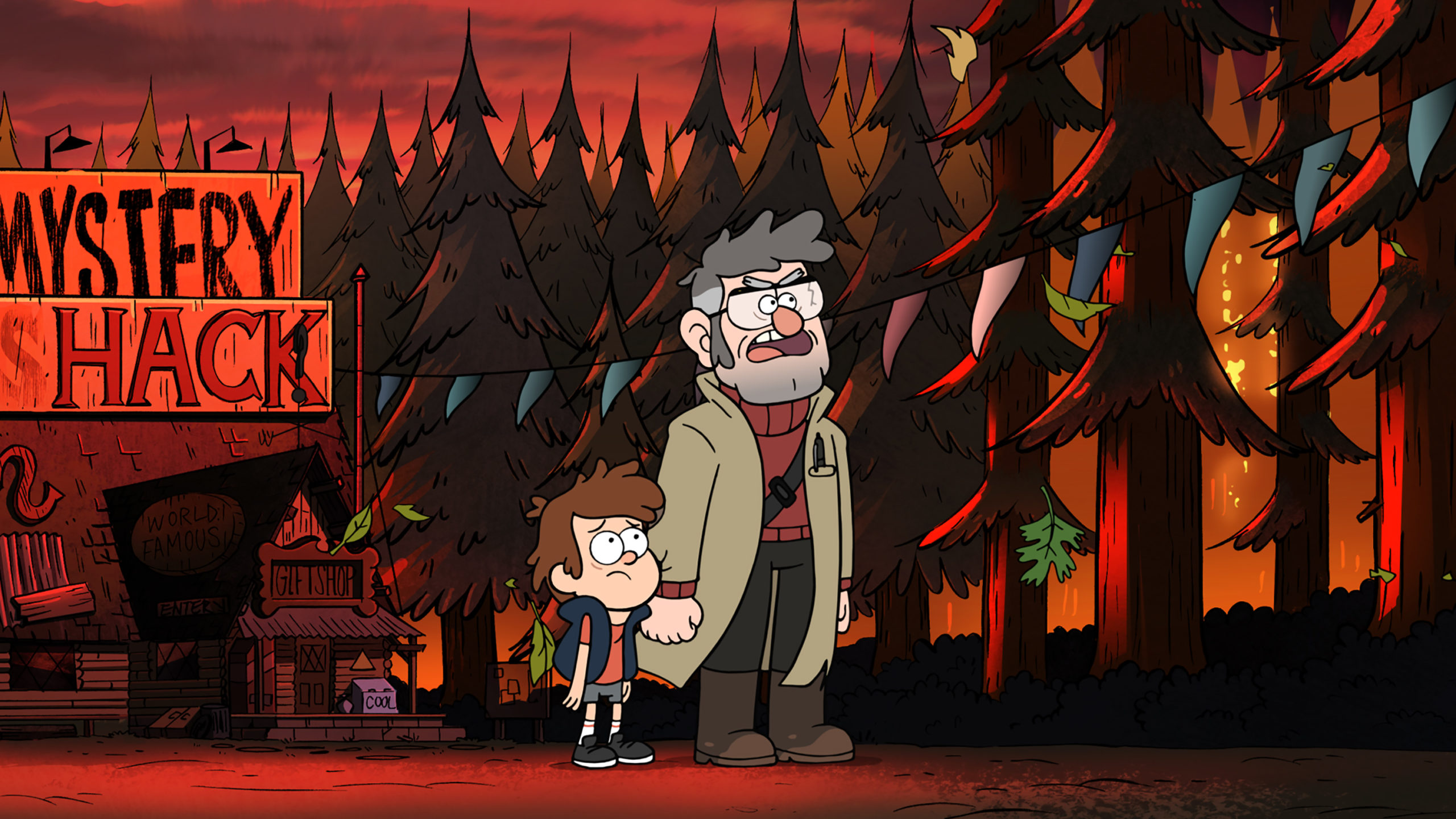
- Grunkle Stan (Stanley Pines): The cynical, morally flexible, yet fiercely protective owner of the Mystery Shack. Hirsch based the voice on his own grandfather, Stan, blending gruff exterior bluster with hidden depth.
- Soos Ramirez: The endearing, lovable, and perpetually optimistic handyman-in-training at the Mystery Shack. Soos combines earnest enthusiasm with bizarre life experiences, anchored by Hirsch’s warm vocal delivery.
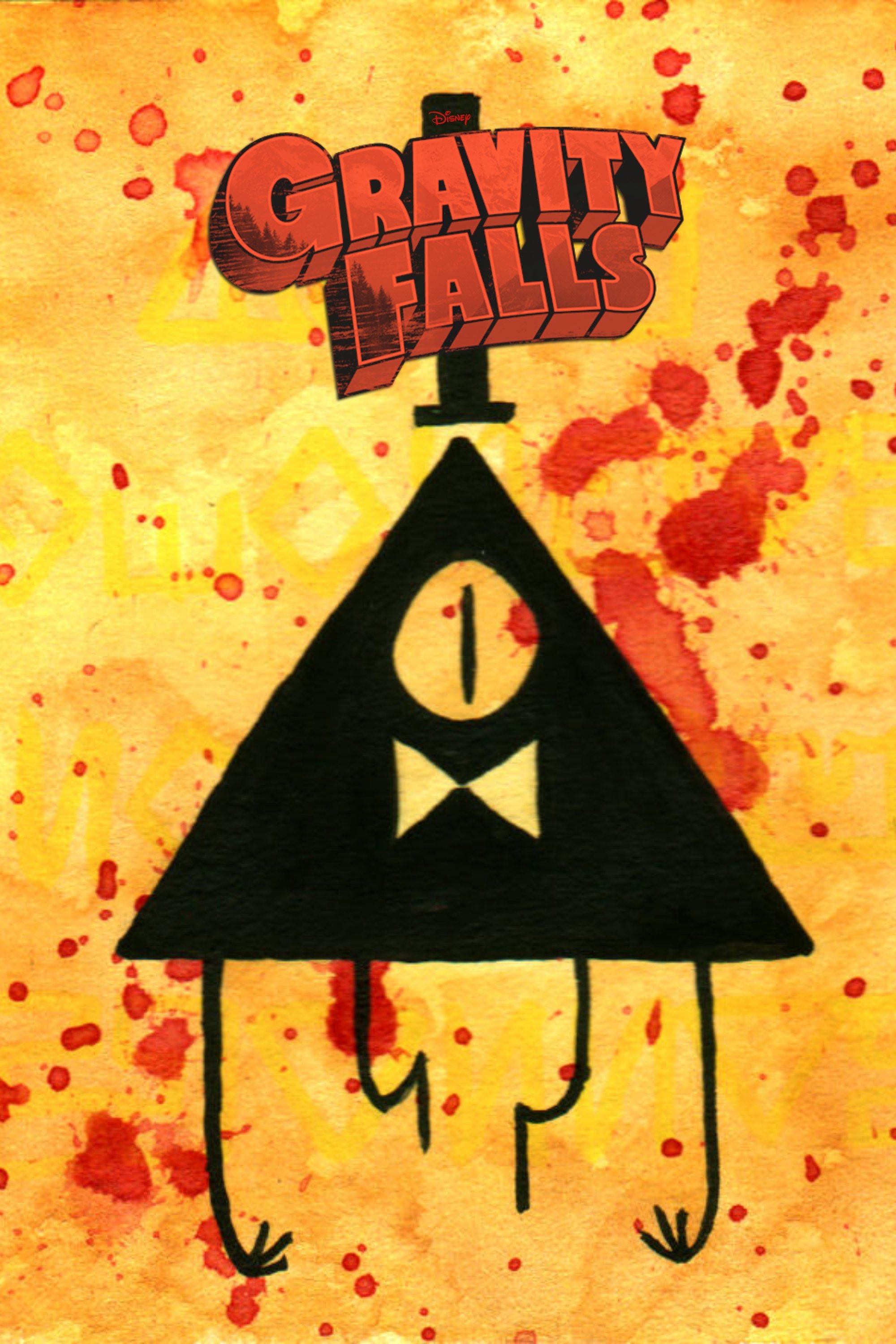
- Bill Cipher: The primary antagonist of the series—a omnipotent, triangular dream demon voiced with a sharp, distorted transatlantic accent inspired by Ed Wynn. Bill serves as the chaotic catalyst for the show's overarching plot.
- Old Man McGucket: The local kooky conspiracy theorist whose manic gibberish and eccentric inventions mask a tragic backstory rooted in memory loss and scientific hubris.
| Character Name | Primary Role in Plot | Vocal Style and Inspiration | Key Narrative Arc |
|---|---|---|---|
| Stanley Pines | Grifter turned reluctant guardian; co-owner of the Mystery Shack | Gruff, gravelly voice inspired by Hirsch’s grandfather | Transforms from a secretive con artist into a self-sacrificing hero |
| Soos Ramirez | Loyal employee, comic relief, and surrogate older brother figure | Enthusiastic, nasal, and earnest high-energy delivery | Gains self-confidence, accepts fatherhood absence, and inherits the Mystery Shack |
| Bill Cipher | Interdimensional cosmic threat and primary antagonist | Sharp, manic, multi-layered pitch-shifted delivery | Evolves from a background Easter egg into an apocalyptic existential danger |
| Fiddleford McGucket | Town eccentric and former brilliant quantum engineer | High-pitched warbles transitioning to articulate sanity | Recovers his memories and redeems his scientific legacy |
The Twin Dynamic: Dipper, Mabel, and Personal Inspiration
At the emotional core of Gravity Falls are Dipper and Mabel Pines, characters directly inspired by Alex Hirsch and his twin sister Ariel. Hirsch often noted that while Dipper reflects his own childhood insecurities, neurotic tendencies, and obsession with solving puzzles, Mabel represents his sister’s exuberant personality, vibrant sweater collection, and unyielding optimism.
This sibling relationship anchors the supernatural chaos of the town in a realistic, emotionally resonant bond. Throughout the series, Hirsch resisted network pressure to alter the dynamic or force romantic subplots that would undermine the core sibling partnership. The mutual respect and codependency struggles between Dipper—who desperately wants to grow up fast—and Mabel—who clings to the joys of childhood—provide the psychological driving force for their survival against entities like Bill Cipher.
Creative Impact on Modern Animation
Alex Hirsch’s work on Gravity Falls triggered a massive ripple effect across the animation industry, paving the way for a generation of creator-driven serialised shows. Before Gravity Falls, episodic resets were standard for cable children's networks, under the assumption that young audiences could not or would not track continuity across weeks or months. Hirsch proved this assumption false by constructing intricate lore, hidden ciphers in the credits, and serialized character development that rewarded dedicated viewers.
This blueprint directly influenced subsequent hits created by Hirsch's peers and former crew members. Shows such as Steven Universe (created by Rebecca Sugar, a former Gravity Falls storyboard artist), Star vs. the Forces of Evil, and The Owl House (created by his partner, Dana Terrace) benefited immensely from the narrative framework Hirsch popularized.
Furthermore, Hirsch demonstrated that a series could command a passionate adult demographic alongside a younger audience without compromising its accessibility, fundamentally altering how studios market and produce animated television.
Defying Network Pressures and Crafting a Definitive Conclusion
One of Alex Hirsch's most significant contributions to television production was his decision to end Gravity Falls on his own terms after two seasons, rather than stretching the premise indefinitely for commercial longevity. In an era where successful cartoons were frequently renewed until their quality degraded, Hirsch maintained that a story needs a beginning, middle, and an end to hold artistic integrity.
This creative control allowed the production team to execute a planned, emotionally satisfying conclusion with "Weirdmageddon." By refusing an open-ended cancellation or endless syndication loops, Hirsch preserved the compact, cohesive nature of the narrative universe. This definitive closure cemented the show's legacy, establishing a gold standard for artistic autonomy in contemporary television animation.
Frequently Asked Questions
Did Alex Hirsch voice any other characters in Gravity Falls?
Yes, in addition to Grunkle Stan, Soos, Bill Cipher, and Old Man McGucket, Alex Hirsch voiced numerous minor and background characters. These include the gnome leader Shmebulock, the psychic con artist Li'l Gideon's father Gleeful, and the town's lazy sheriff's deputy, Tyler Cutebiker.
Why did Gravity Falls end after only two seasons?
Alex Hirsch chose to end the series after two seasons because he felt the story of Dipper and Mabel's summer vacation naturally reached its completion. Rather than diluting the premise with filler episodes, he opted for a planned, definitive conclusion to preserve the artistic integrity of the narrative.
How did Alex Hirsch incorporate secret codes into the show?
Hirsch embedded a variety of cryptographic puzzles, including Caesar ciphers, Atbash ciphers, and substitution alphabets, into the end credits and background art of almost every episode. These ciphers rewarded attentive fans with lore expansions, foreshadowing hints, and jokes related to the show's supernatural mythology.
What inspired the town of Gravity Falls?
The fictional town was inspired by Alex Hirsch’s real-life childhood memories of spending summer vacations with his twin sister in the Pacific Northwest. He combined these nostalgic recollections of rural woodlands with his personal fascination with cryptids like Bigfoot, the Loch Ness Monster, and urban legends.
What projects did Alex Hirsch work on after Gravity Falls?
Following the conclusion of Gravity Falls, Hirsch signed an overall deal with Netflix to develop adult animated projects, serving as a writer, producer, and voice actor on The Midnight Gospel, and working on various development pipelines while consulting on other acclaimed animated series.
Securing Your Creative Legacy
For aspiring creators and industry professionals studying the trajectory of Alex Hirsch, the primary takeaway is the importance of uncompromising narrative vision coupled with commercial pragmatism. To replicate this level of impact, focus on grounding high-concept premises in authentic personal experiences while maintaining strict control over your intellectual property's narrative arc. Build a collaborative writers' room that values serialized continuity, and never fear concluding a project when its natural story has been told.