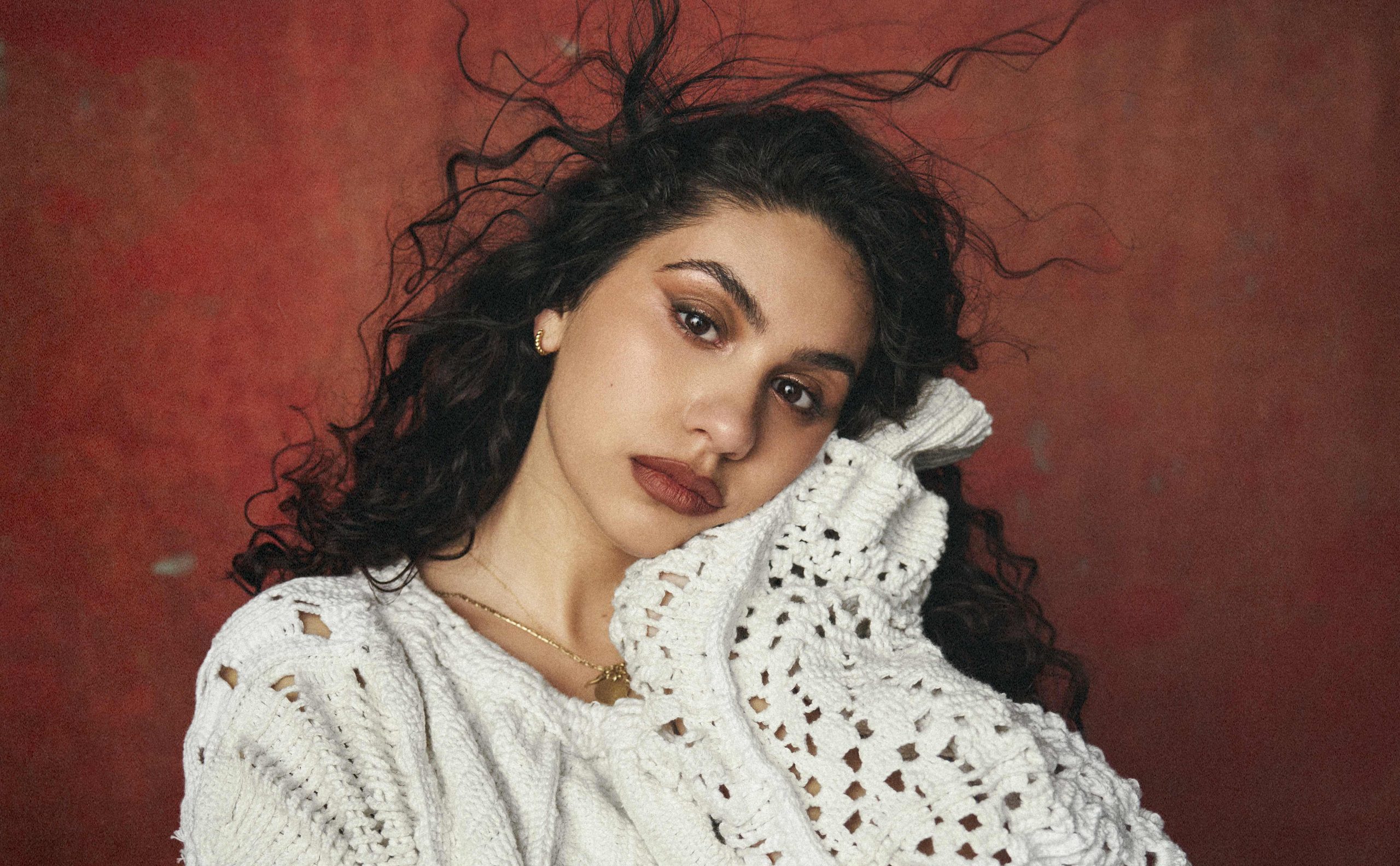
Alessia Cara is a multi-platinum singer-songwriter whose musical identity is defined by a sophisticated blend of pop and alternative R&B, anchored by a neo-soul vocal delivery. Her sound, often described as "everything in between," incorporates elements of folk, jazz, and bossa nova, allowing her to navigate the mainstream charts while maintaining the artistic credibility of an independent singer-songwriter.
Since her explosive debut in 2015, Alessia Cara has resisted the pressure to fit into a singular musical box. While the industry frequently labels her as a "pop star," her discography reveals a much more complex architecture. To understand her genre is to understand the intersection of 21st-century production and mid-20th-century vocal traditions. As of 2026, Cara remains a pivotal figure for listeners who crave the relatability of pop but require the technical depth of soul and jazz.
The Core Identity: Pop Foundations and Soulful Roots
The primary framework of Alessia Cara’s music is built on the interplay between accessible pop melodies and a vocal technique deeply rooted in soul and R&B. Unlike many of her contemporaries who rely on high-octane belting or heavy pitch correction, Cara’s voice is characterized by its natural rasp, agility, and emotive restraint. This "blue-eyed soul" influence—though she is of Italian heritage—places her in a lineage of artists like Amy Winehouse and Lauryn Hill, who prioritized feeling over artifice.
Her debut single, "Here," remains the definitive example of this fusion. Built on a sample of Isaac Hayes’ "Ike’s Rap II," the track introduced a somber, soulful atmosphere to the Top 40 charts. It wasn't just pop; it was a moody, R&B-inflected anthem for the introverted. This duality has persisted throughout her career. While songs like "Stay" (with Zedd) represent her foray into high-energy EDM-pop, the underlying vocal performance maintains a soulful grit that prevents the track from feeling like a generic club anthem.
Decoding "Everything in Between": The Genre-Bending Palette
When critics refer to the "everything in between" in Cara's music, they are pointing toward her willingness to experiment with textures that are traditionally foreign to modern pop. Her music often detours into the following sub-genres:
- Contemporary R&B: Throughout her second album, The Pains of Growing, Cara utilized syncopated rhythms and lush harmonies that mirror the 1990s R&B era.
- Folk and Acoustic: Many of her tracks begin as simple guitar or piano ballads. Her ability to strip away electronic production reveals a folk-like storytelling quality, reminiscent of artists like Joni Mitchell.
- Bossa Nova and Jazz: In her 2021 album, In the Meantime, Cara introduced complex chord progressions and rhythmic patterns inspired by Brazilian bossa nova and traditional jazz. Tracks like "Bluebird" showcase a sophisticated understanding of swing and syncopation that most pop artists avoid.
This versatility is not accidental. Cara has frequently cited a diverse range of influences, from the theatricality of Queen to the understated brilliance of Norah Jones. By pulling from these disparate sources, she creates a sound that feels "alt-pop" but retains enough "soul" to satisfy purists.
Evolution of Sound: From Teen Anthems to Mature Sophistication
The progression of Alessia Cara’s discography illustrates a deliberate shift from the raw, unpolished "bedroom pop" of her youth to the meticulously crafted, multi-genre compositions of her current era.
The Know-It-All Era (2015)
In 2015, Cara’s sound was categorized as "alternative pop." The production was often sparse, focusing on her voice and relatable lyrics about the awkwardness of adolescence. This era was foundational in establishing her "soulful" credentials, as her covers of jazz standards during live sessions proved she had the technical chops to back up her studio recordings.
The Pains of Growing (2018)
By her second album, the "everything in between" started to manifest as a blend of 60s girl-group harmonies and modern synth-pop. This record dealt with the transition into adulthood, and the music reflected that maturity with more complex arrangements and a heavier emphasis on R&B grooves.
In the Meantime and Beyond (2021–2026)
Her more recent work, including her output leading into 2026, shows an artist who has fully embraced the "soul" label while continuing to innovate. The production has become more organic, featuring live instrumentation, brass sections, and intricate vocal layering. She has successfully transitioned from being a "voice of a generation" to a "musician’s musician," respected for her arrangement skills as much as her hit-making potential.
Comparative Analysis: Mapping Cara’s Genre Spectrum
To better understand where Alessia Cara sits in the musical landscape, it is helpful to compare her specific stylistic elements against other major genres and artists.
| Element | Pop Representation | Soul/R&B Representation | The "Cara" Hybrid |
|---|---|---|---|
| Vocal Style | Clean, high-register, bright | Raspy, melismatic, warm | Earthy, conversational, agile |
| Lyric Themes | Romance, partying, escapism | Heartbreak, resilience, spirituality | Introversion, mental health, growth |
| Instrumentation | Synthesizers, programmed drums | Bass guitar, horns, piano | Acoustic guitar, mixed percussion, lo-fi beats |
| Song Structure | Verse-Chorus-Bridge (Rigid) | Groove-based, improvisational | Narrative-driven, often non-linear |
The Vocal Architecture of a Soul-Pop Artist
One cannot discuss Alessia Cara’s genre without analyzing her vocal architecture. Her voice acts as the glue between pop and soul. Technically, she is a mezzo-soprano, but her strength lies in her "chest voice" and her ability to transition into a breathy falsetto.
Her phrasing is heavily influenced by jazz vocalists. She often "lays back" on the beat, a technique common in soul and jazz that creates a sense of relaxed confidence. This is why even her most upbeat pop tracks, like "Scars to Your Beautiful," feel grounded. The "soul" isn't just in the genre; it's in the delivery. By 2026, vocal coaches and musicologists often cite Cara as a prime example of how to maintain vocal health while utilizing the "rasp" that is so coveted in modern soul-pop.
Lyricism as a Genre-Defining Tool
In many ways, Alessia Cara’s genre is "relatability." Her lyrics often function as the "everything in between," filling the gap between the hyper-glamorous world of celebrity pop and the gritty realism of indie-soul. She writes from the perspective of an outsider, a theme that resonates across genre lines.
Whether she is discussing the pressures of beauty standards or the internal dialogue of anxiety, her songwriting remains grounded in a "singer-songwriter" tradition. This literary approach to pop music allows her to perform at the Grammy Awards and the Newport Folk Festival with equal ease. Her ability to translate complex emotional states into catchy hooks is a hallmark of the "pop-soul" hybrid.
Frequently Asked Questions
Is Alessia Cara considered an R&B artist or a pop artist?
She is considered a hybrid of both. While her chart success often places her in the pop category, her vocal style, use of samples, and rhythmic structures are deeply rooted in R&B. Most industry experts classify her as "Alternative R&B" or "Pop-Soul."
How has her genre changed since her debut in 2015?
Her sound has become increasingly organic and sophisticated. While her early work was more "bedroom pop" with R&B influences, her more recent albums have incorporated live instrumentation, jazz harmonies, and bossa nova rhythms, moving her further away from standard radio-pop.
What are Alessia Cara's main musical influences?
She has frequently cited Amy Winehouse, Lauryn Hill, and Ed Sheeran as major influences. This mix of soulful vocals, hip-hop sensibilities, and singer-songwriter craftsmanship is evident in her "everything in between" sound.
Does she write her own music?
Yes, Alessia Cara is a primary songwriter on almost all of her tracks. This singer-songwriter foundation is what allows her to experiment with different genres while maintaining a consistent artistic voice.
Why is her music often called "anti-pop"?
Early in her career, she was labeled "anti-pop" because her lyrics (like those in "Here") explicitly rejected common pop tropes like partying and social posturing. Musically, she often uses minor keys and jazz-inflected chords that contrast with the bright, major-key sounds of mainstream "bubblegum" pop.
The Future of the Pop-Soul Hybrid
As we navigate the music landscape of 2026, the lines between genres continue to blur, and Alessia Cara remains at the forefront of this evolution. Her career serves as a blueprint for artists who want to achieve commercial success without sacrificing the soulfulness of their craft.
For listeners looking to explore this genre further, the best approach is to listen to her discography chronologically. You will hear an artist who began by finding her voice in a crowded pop market and eventually carved out a unique space where soul, R&B, and "everything in between" coexist harmoniously. Her legacy is not just her hit singles, but her commitment to musicality in an era of digital perfection.