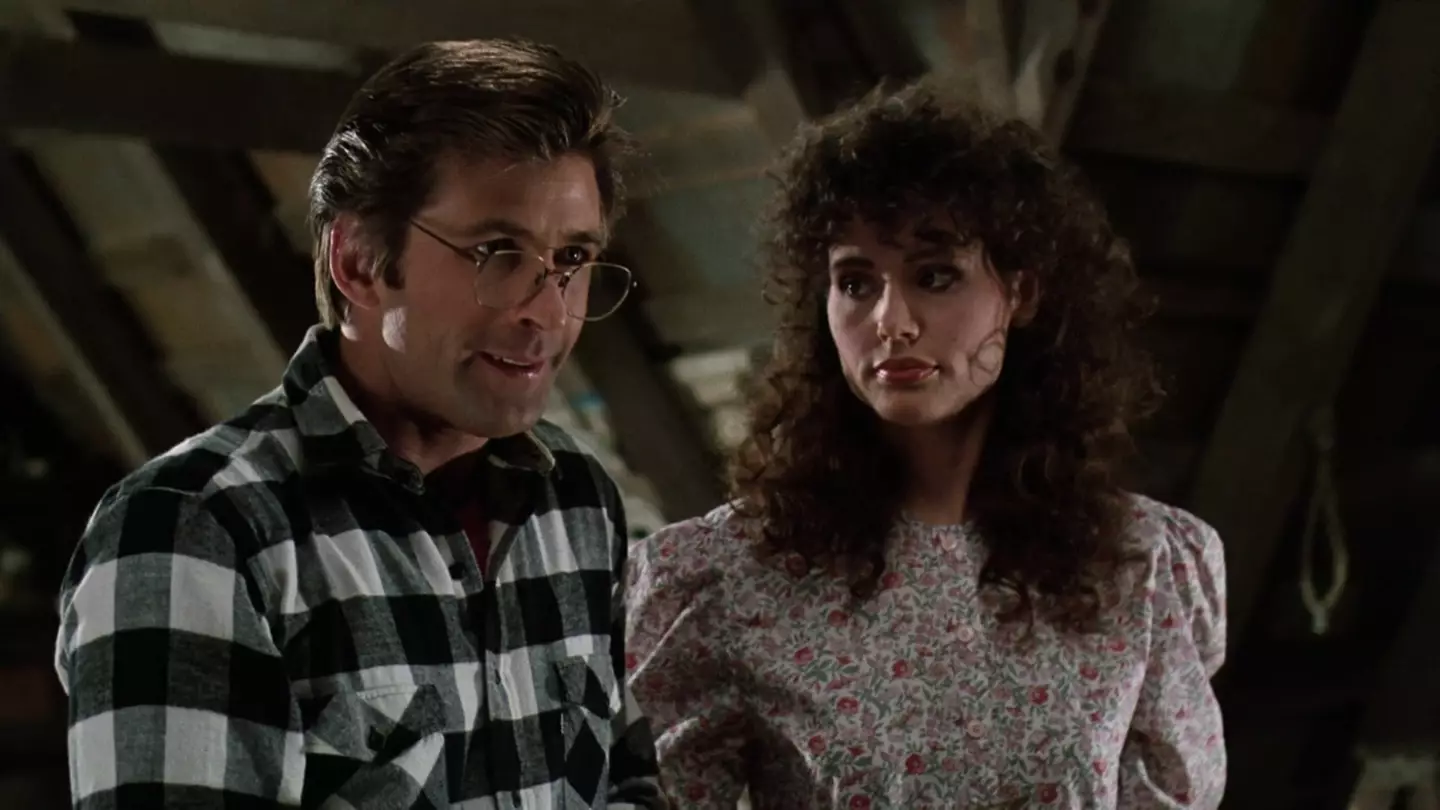
In the landscape of 2026 cinema, Alec Baldwin’s portrayal of Adam Maitland in the original 1988 Beetlejuice remains a definitive "spooky sweet" benchmark for the supernatural comedy genre. While Baldwin did not return for the 2024 sequel, his "young" likeness continues to haunt the franchise through archival tributes, merchandise, and a renewed appreciation for the Maitlands' foundational role in Tim Burton’s macabre universe.
The Foundation of the Maitland Legacy
To understand the enduring appeal of the "young" Alec Baldwin in the Beetlejuice mythos, one must revisit the 1988 classic. Baldwin, alongside Geena Davis, provided the emotional heartbeat of the film. Playing Adam Maitland, Baldwin portrayed a gentle, flannel-clad hobbyist who finds himself navigating the complexities of the afterlife after a tragic bridge accident. This role was a significant departure from the typical "scary" ghost; Adam and Barbara Maitland were "spooky sweet"—they were ghosts who were more afraid of the living than the living were of them.
In 1988, Baldwin was at the height of his "leading man" era, characterized by a soft-spoken charm and a classic Hollywood aesthetic. His performance as Adam was grounded in a suburban normalcy that made the surreal elements of the "Neitherworld" even more jarring. The Maitlands' house, specifically Adam’s intricate model town, serves as a recurring motif in the franchise. Even in 2026, when fans discuss "throwback cameos," they are often referring to the way the 2024 sequel, Beetlejuice Beetlejuice, utilized the Maitlands' model and environmental storytelling to honor Baldwin’s character without requiring a physical return.
The chemistry between Baldwin and Davis established the stakes for the original film. Without their earnest desire to simply "stay home," the chaotic energy of Michael Keaton’s Beetlejuice would have had no counterweight. This balance is what modern critics describe as the "sweetness" of the original—a grounded, domestic love story wrapped in a neon-lit, gothic nightmare.
Why the "Young" Alec Baldwin Didn’t Return for the Sequel
As of 2026, the discussion surrounding Beetlejuice Beetlejuice (2024) often centers on the absence of the original protagonists. Director Tim Burton was vocal about his decision not to include Baldwin and Davis in the sequel. The reasoning was twofold: narrative focus and the biological reality of aging.
Burton’s primary goal with the sequel was to explore the multi-generational dynamics of the Deetz family, specifically focusing on Lydia (Winona Ryder) and her daughter Astrid (Jenna Ortega). From a lore perspective, ghosts in the Burton-verse do not age. Because nearly four decades had passed since the original production, featuring Baldwin and Davis as the same "young" ghosts would have required extensive de-aging technology—a path Burton chose to avoid in favor of practical effects and a new story arc.
Despite their physical absence, the Maitlands are given a "spooky sweet throwback" mention that functions as a narrative cameo. The sequel explains that they found a "loophole" in the bureaucracy of the afterlife, allowing them to finally move on from the attic of the Winter River house. This resolution provided closure for fans of the 1988 film, acknowledging that while the actors have aged and moved on to different career phases, the characters of Adam and Barbara achieved their own version of peace.
The Spooky Sweet Aesthetic: A 2026 Perspective
In the current cultural climate, "spooky sweet" has become a specific aesthetic category on social media platforms and in fashion. Alec Baldwin’s young Adam Maitland is the blueprint for this look. The combination of 1980s Americana—plaid shirts, khaki trousers, and thick-rimmed glasses—mixed with the grotesque visual effects of the "Handbook for the Recently Deceased" era creates a nostalgic juxtaposition.
The "throwback cameo" trend in 2026 often involves fans using AI filters or archival footage to place the 1988 versions of these characters into modern contexts. This digital revival highlights Baldwin’s performance as a "nice guy" ghost, a trope that has seen a resurgence in popularity. Unlike the more cynical or aggressive spirits found in modern horror, Baldwin’s Adam represents a paternal, protective presence.
This aesthetic appeal is further bolstered by the 4K restorations of the original film. Seeing the vibrant colors of the Maitland house and the detailed practical makeup on a young Alec Baldwin reminds audiences of a time when "scary" movies could also be deeply comforting. The "spooky sweet" vibe is essentially the "comfort food" of the horror-comedy genre.
Technical Comparison: 1988 vs. 2024 Production Elements
The evolution of the franchise provides a fascinating look at how production values and character archetypes have shifted over nearly forty years. The following table compares the foundational elements of the 1988 Baldwin era with the 2026 legacy perspective of the sequel.
| Feature | 1988 Original (Beetlejuice) | 2024 Sequel (Beetlejuice Beetlejuice) |
|---|---|---|
| Primary Protagonists | Adam & Barbara Maitland (The Ghosts) | Lydia & Astrid Deetz (The Living) |
| Tone | Domestic Comedy / Gothic Surrealism | Multi-generational Drama / Dark Fantasy |
| Visual Philosophy | Practical Macabre & Neon | Practical Legacy Effects & Digital Polish |
| Baldwin's Role | Leading Man / Emotional Anchor | Archival Legacy / Narrative Mention |
| Central Conflict | Reclaiming the Home from Intruders | Navigating Family Trauma & Afterlife Stakes |
| "Spooky Sweet" Factor | High (Earnest, loving ghost couple) | Moderate (Focused on darker family legacies) |
The Enduring Impact of Adam Maitland’s Hobbyist Horror
One of the most memorable aspects of young Alec Baldwin’s performance was Adam’s obsession with his model town. In the world of Beetlejuice, this model isn't just a toy; it is a spiritual conduit. The "throwback" value of this model cannot be overstated. In the 2024 film, the model remains in the attic, serving as a physical "cameo" of Adam’s presence.
Adam Maitland represented the "everyman" who was completely unprepared for the bureaucratic nightmare of death. Baldwin played this with a mix of confusion and determination that resonated with audiences. His performance taught a generation that you don't need to be a "bio-exorcist" to be a hero; sometimes, you just need to care about your home and your partner.
In 2026, collectors and enthusiasts frequently cite the "model town" sequences as the pinnacle of 80s set design. The meticulous detail Baldwin’s character supposedly put into the town mirrors the meticulous detail Tim Burton put into the film’s world-building. This synergy between character and creator is why Baldwin’s "young" version remains so iconic despite his decades-long absence from the role.
Frequently Asked Questions
Did Alec Baldwin actually film a cameo for the 2024 Beetlejuice sequel?
No, Alec Baldwin did not film any new footage for the 2024 sequel. His character, Adam Maitland, was written out of the story with a narrative explanation that he and Geena Davis’s character had moved on to the next plane of existence. The "cameo" fans refer to is often the use of the character’s likeness in photos, references to his model town, or the thematic presence of his character’s legacy.
Why is the performance described as "spooky sweet"?
The term "spooky sweet" refers to the juxtaposition of the macabre afterlife elements with the Maitlands' kind, gentle, and loving nature. Unlike typical horror movies where ghosts are malevolent, Baldwin’s Adam Maitland was an inherently "good" person whose primary goal was to protect his home and his wife, making his ghostly existence more endearing than terrifying.
How did the 2024 movie explain the absence of the Maitlands?
The film briefly mentions that the Maitlands found a "loophole" in the afterlife rules that allowed them to leave the house. This was a creative way to respect the original lore—that ghosts do not age—while acknowledging that Alec Baldwin and Geena Davis have naturally aged since 1988.
Is young Alec Baldwin’s style still influential in 2026?
Yes, the "Adam Maitland aesthetic"—characterized by 80s-era flannel, classic denim, and "dad" glasses—has seen a major resurgence in "dark academia" and "normcore" fashion circles. It represents a specific type of nostalgic Americana that remains popular in 2026.
What was the significance of the model town in Baldwin's performance?
The model town was Adam Maitland’s life’s work and served as a bridge between the living and the dead. It allowed the ghosts to interact with a miniaturized version of their world and eventually served as the setting for the film's climax. It remains one of the most recognizable props in film history, symbolizing Adam’s meticulous and creative nature.
Preserving the Maitland Legacy in Modern Media
For fans looking to revisit the "spooky sweet" essence of Alec Baldwin's early career, the best approach is a dual viewing of the 1988 original and the 2024 sequel. While the second film moves the story forward into new territory, it does so with a deep reverence for the foundation Baldwin helped build.
To fully appreciate the "throwback cameo" spirit, one should pay close attention to the environmental storytelling in the Winter River attic scenes of the newer films. The presence of the model town, the dusty remains of the Maitlands' life, and the specific lighting cues all serve as a tribute to the young couple who started it all. In 2026, the legacy of Alec Baldwin in Beetlejuice is not just about a single performance, but about the enduring idea that even in the afterlife, love and a good flannel shirt can go a long way.