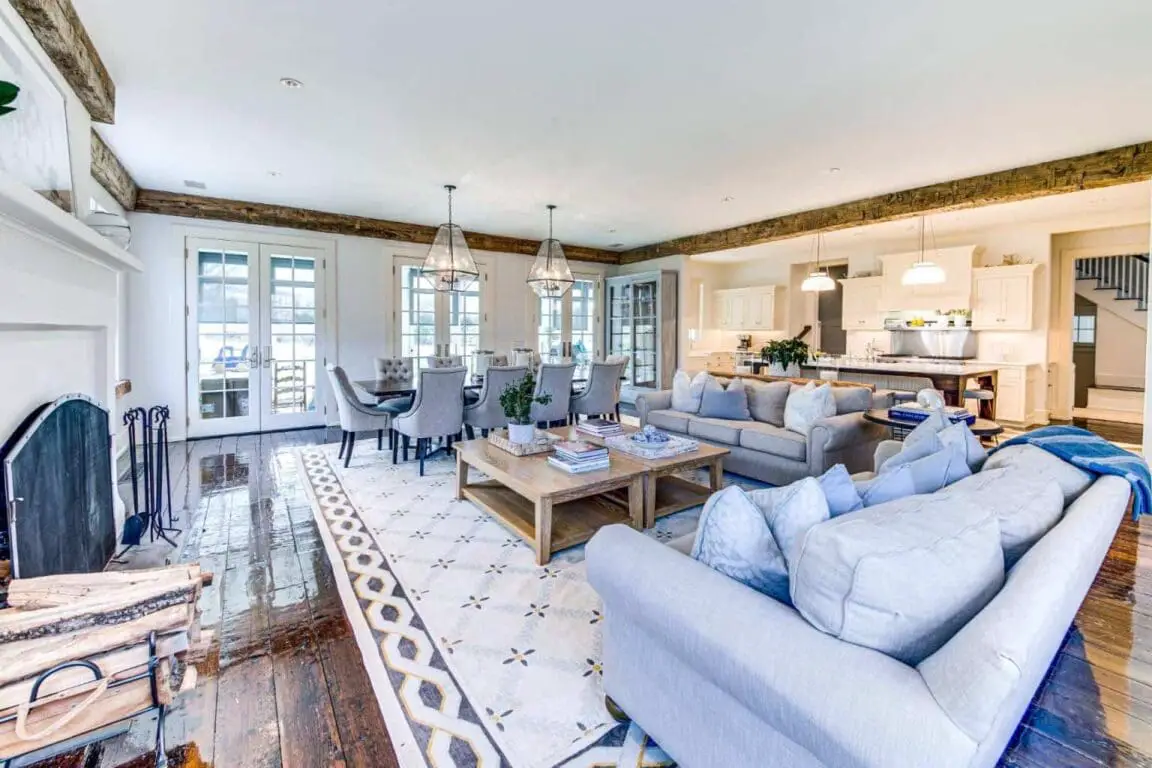
Alec Baldwin has maintained several notable real estate holdings throughout his career, most prominently his expansive farmhouse in Amagansett, New York, and his long-held apartment in Greenwich Village, Manhattan. These properties reflect a blend of historic architectural preservation, rustic countryside aesthetics, and the functional requirements of a high-profile family living in the public eye.
The Amagansett Farmhouse: A Study in Country Living
The centerpiece of Alec Baldwin’s residential portfolio has long been his farmhouse located in Amagansett, within the Town of East Hampton on Long Island. This property serves as the family's primary retreat, offering a stark contrast to the dense, fast-paced environment of New York City. The residence is situated on a large tract of land, providing both privacy and the aesthetic appeal of traditional shingle-style architecture, which is a hallmark of the Hamptons.
The house emphasizes an open-concept flow that integrates indoor living spaces with the natural beauty of the surrounding landscape. Key architectural features often associated with the property include expansive windows designed to maximize natural light, vaulted ceilings that create a sense of verticality, and high-quality natural materials such as oak flooring and stone hearths. The exterior is characterized by cedar-shake siding—a staple of the region—which provides durability against the maritime climate while maintaining a classic, unassuming appearance.
The Manhattan Presence: Greenwich Village Living
In addition to his Long Island estate, Baldwin has maintained a significant presence in New York City. His home in Greenwich Village represents a different facet of luxury urban living. Unlike the sprawl of the East Hampton property, this residence focuses on vertical integration and the maximization of square footage within a historic urban core.
The Greenwich Village apartment is noted for its sophisticated interior design, which juxtaposes modern amenities with the character of a neighborhood known for its pre-war architecture. For a high-profile individual, such a home requires a delicate balance between security, privacy, and accessibility to the professional hubs of the entertainment industry. The design philosophy here emphasizes clean lines, functional minimalism, and art-forward decor that reflects the owner’s long-standing interest in the arts.
Comparative Overview of Baldwin’s Residential Holdings
To understand the nature of the actor’s real estate assets, it is helpful to look at the different functions these properties serve. While the country home acts as a sanctuary for family life and seasonal relief, the urban residence serves as a functional base for professional operations.
| Property Type | Primary Function | Aesthetic Focus | Key Features |
|---|---|---|---|
| Amagansett Farmhouse | Family Residence / Retreat | Rustic / Traditional | Large acreage, cedar-shake, pool, library |
| Greenwich Village Apt | Urban Base / Professional | Modern / Metropolitan | Proximity to city center, optimized layout |
Architectural and Interior Design Considerations
Both of Baldwin’s main residences share an emphasis on light and materiality. The interior design of these homes suggests a preference for timeless elements rather than fleeting trends. By choosing a neutral color palette, the properties allow for the inclusion of personal art collections and eclectic furniture pieces that define the character of the home without overwhelming the architectural bones.
In the Amagansett home, the design leans toward the "farmhouse chic" aesthetic, which prioritizes comfort and durability. This includes large kitchens meant for hosting and communal meals, which are essential for a large family. Conversely, the New York City home utilizes smart storage solutions and high-end finishes, such as marble countertops and custom cabinetry, to maintain order within a smaller, more contained footprint.
Estate Management and Privacy Requirements
Owning property as a public figure entails specific management requirements, particularly regarding security and privacy. For estates of this size and location, the physical layout of the grounds is a critical component of the overall security strategy. Landscaping, fencing, and the strategic placement of trees and hedges serve as natural barriers, ensuring that the occupants can enjoy their personal time away from the public gaze.
Maintenance of such properties also involves significant oversight. Seasonal winterizing of the Hamptons estate, climate control systems to protect art collections, and the logistics of transitioning between a city and country lifestyle require a professional infrastructure. This often involves property management services to ensure that both the architectural integrity and the mechanical systems—such as HVAC, security monitoring, and landscape irrigation—remain in peak condition year-round.
Environmental and Location Context
The geography of Baldwin’s properties offers distinct lifestyle advantages. The South Fork of Long Island is known for its protected beaches, conservation lands, and agricultural history. Owning a farmhouse in this region implies an integration into a community that values landscape preservation. The property reflects a commitment to maintaining the rural character of the area, a common priority among long-term homeowners in the Hamptons.
In contrast, the Greenwich Village property situates the owner within a historic district defined by strict preservation laws. This impacts potential renovations or modifications, as owners in such areas must adhere to guidelines set by local landmarks commissions. Navigating these requirements is a standard part of owning high-value real estate in dense urban centers.
Frequently Asked Questions
What architectural style is Alec Baldwin’s Amagansett home?
The Amagansett home is primarily modeled after the traditional shingle-style architecture prevalent in the Hamptons. This style is characterized by the use of cedar shakes, asymmetrical rooflines, and wide porches that encourage indoor-outdoor living, blending the structure seamlessly into the coastal environment.
Why do public figures like Alec Baldwin often own both city and country homes?
Maintaining dual residences allows for a balance between professional responsibilities and personal privacy. A city apartment provides necessary access to work, media outlets, and cultural centers, while a country estate offers a sanctuary for family life and a respite from the intensity of the urban environment.
How does the location of the Greenwich Village home impact its design?
The Greenwich Village location is subject to specific zoning and landmark preservation regulations. These rules dictate the types of exterior renovations that can be performed, ensuring that the building retains its historical facade and character while allowing for modern, high-end interior updates that meet the owner’s needs.
Are Alec Baldwin’s homes open to the public for tours?
No, Alec Baldwin’s residences are private family homes and are not open to the public. Any information regarding the interiors of these properties is based on public reporting, published interviews, or glimpses shared by the family via social media or media features over the years.
What are the primary maintenance challenges for these types of properties?
The main challenges include protecting coastal properties from salt-air corrosion and storm damage in the Hamptons, and managing the security and infrastructure of a luxury urban unit. Both require professional property management to ensure longevity and compliance with local building codes.
Strategies for Residential Property Management
For those looking to manage or replicate the residential standard seen in these properties, the focus should remain on long-term investment in structural integrity. Whether dealing with a rural estate or an urban apartment, priority should be placed on climate-appropriate materials. In rural areas, this means investing in high-quality siding and roofing that can withstand wind and humidity. In urban areas, the focus should shift toward internal environmental controls, such as humidity-regulated climate systems, which protect both the inhabitants and the value of the investment, including any fine art or specialized furnishings contained within. Next actions for prospective homeowners should involve a thorough review of local zoning laws and a professional assessment of the property’s current physical state to ensure that any future enhancements are both sustainable and legally compliant.