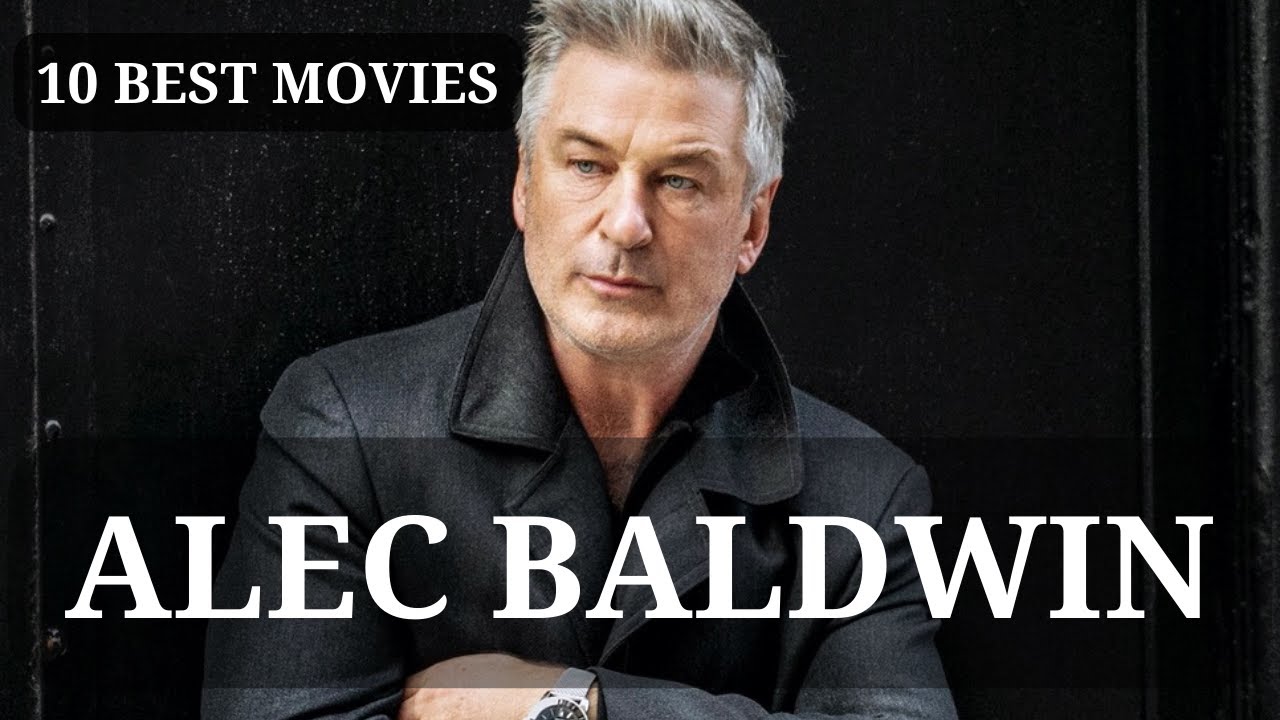
Alec Baldwin has maintained a prolific career in Hollywood since the early 1980s, transitioning seamlessly between intense dramatic roles, sharp-witted comedic turns, and commanding supporting performances. His filmography is defined by a distinct vocal authority, a capacity for portraying both vulnerable and morally ambiguous characters, and a significant presence in both blockbuster cinema and independent features.
Establishing the Scope of Baldwin’s Filmography
Evaluating the best films featuring Alec Baldwin requires distinguishing between his lead roles in major studio releases and his highly regarded character work. His career is often categorized by his shift from the leading-man archetype in the late 1980s and early 1990s to his evolution into a versatile, high-stakes character actor. By examining these performances, one can see a trajectory that encompasses psychological thrillers, prestige dramas, and subversive comedies.
The primary challenge in selecting his "best" films lies in his consistent ability to steal scenes, even when the screen time is limited. Unlike performers who rely on a singular persona, Baldwin’s technical approach involves varying his physical stature and delivery, moving from the booming intensity found in Glengarry Glen Ross to the neurotic, dry delivery characteristic of his television and independent film work.
The High-Water Mark: Dramatic Powerhouse Roles
Baldwin’s reputation as an actor’s actor was solidified in the early 1990s. His performance as Blake in Glengarry Glen Ross (1992) remains perhaps the most cited example of his ability to dominate a narrative through pure dialogue and presence. Though the role was created specifically for the film adaptation of David Mamet’s play—and did not exist in the original stage production—it serves as the centerpiece of his dramatic portfolio. His ability to deliver the "coffee is for closers" monologue with visceral, high-stakes intensity established a benchmark for modern cinematic monologues.
In the realm of psychological and crime drama, his role in The Departed (2006) as Captain Ellerby demonstrates his capacity for institutional authority. While he occupies a supporting position in an ensemble cast, the precision of his performance ensures the character’s internal logic remains clear. This role highlights his aptitude for playing figures of power who are nonetheless struggling against the chaotic environments surrounding them.
Comedy and Subversion: The Versatile Specialist
Beyond drama, Baldwin has excelled in satirical and comedic roles that often deconstruct the very archetypes he once portrayed. His work in The Royal Tenenbaums (2001) as the narrator provides the film with its deadpan, literary structure, proving his ability to influence the tone of a project purely through voice and measured pacing.
His comedic timing was further refined through his collaboration with writers like Tina Fey and Adam McKay. This period of his career demonstrated that he could effectively satirize the "corporate suit" persona he had previously played straight in thrillers like The Hunt for Red October (1990). By embracing the absurdity of his public image, Baldwin expanded his utility as an actor, allowing him to take on roles that required a high degree of self-awareness.
Comparative Overview of Selected Key Performances
The following table highlights a selection of films representing the breadth of Baldwin’s career. These choices are curated based on critical reception and the specific impact of his contribution to the film's success.
| Film Title | Release Year | Genre | Role Significance |
|---|---|---|---|
| The Hunt for Red October | 1990 | Action/Thriller | Leading role as Jack Ryan; defined the modern spy hero. |
| Glengarry Glen Ross | 1992 | Drama | Supporting role; iconic monologue defined the character. |
| The Edge | 1997 | Survival Drama | Co-lead; physical performance focused on grit and tension. |
| The Royal Tenenbaums | 2001 | Comedy/Drama | Narrator; essential to the film's stylistic identity. |
| The Departed | 2006 | Crime/Thriller | Supporting role; grounded the police procedural elements. |
| Blue Jasmine | 2013 | Drama | Supporting role; pivot point for the narrative conflict. |
Technical Considerations in Actor Selection
When assessing the quality of an actor’s performance, particularly one with a career spanning four decades, it is necessary to consider the technical requirements of the roles. Baldwin’s work often demands a high level of vocal control. As an actor frequently utilized for voice-over and narration, his capacity to modulate tone—moving from a menacing whisper to a booming command—serves as a primary tool in his repertoire.
For viewers interested in the study of acting, his performance in The Edge (1997) serves as a valuable case study in physical acting. Set in the Alaskan wilderness, the film forced him to rely on environmental interaction and reactive physicality rather than dialogue. This contrasts sharply with his work in Glengarry Glen Ross, where the entire performance is anchored in linguistic rhythm and verbal aggression.
Common Misconceptions Regarding His Filmography
A frequent error in evaluating Alec Baldwin’s filmography is the tendency to conflate his extensive television presence—most notably his tenure on 30 Rock—with his cinematic output. While his television work undoubtedly informed his later film choices, it is important to treat his filmography as a distinct body of work. Many critics argue that his film roles are characterized by a "weight" that differs from the light, satirical touch required for weekly sitcom production.
Additionally, there is a recurring tendency to judge his work based on the commercial success of the films rather than the quality of the acting. Films like The Hunt for Red October provided massive box-office reach, but the performance itself is notable for its restraint—a quality often overlooked in favor of the film’s massive production scale. Assessing his career requires looking at the nuance of the performance regardless of the film's total market performance.
Frequently Asked Questions
Which Alec Baldwin film is considered his best dramatic performance?
Most critics and film scholars cite Glengarry Glen Ross (1992) as his finest dramatic moment. The role of Blake, while brief in duration, utilizes his command of pace and projection to anchor the film's central conflict, leaving an indelible mark on cinematic history.
How did his role in The Hunt for Red October shape his career?
Playing Jack Ryan established Baldwin as a viable leading man for major studio thrillers. It demonstrated his ability to carry a high-budget intellectual thriller, setting the foundation for his ability to handle complex, dialogue-heavy roles in the years that followed.
Does Alec Baldwin perform his own voice-over work?
Yes, Baldwin is highly active as a voice-over artist and narrator. His distinct, gravelly register has been used in films like The Royal Tenenbaums and in various documentaries, highlighting his technical skill in delivering information without appearing on screen.
Are there specific films that demonstrate his range in comedy?
His work in The Royal Tenenbaums and his later collaborations with filmmakers like Woody Allen in Blue Jasmine highlight his ability to shift between dry, observational comedy and grounded, emotional realism.
What should viewers look for in his supporting roles?
In films like The Departed, look for his "reaction acting." Baldwin is particularly effective at listening and responding, allowing the primary lead's performance to shine while maintaining the credibility and authority of his own character within the ensemble.
Next Steps for Film Enthusiasts
For those looking to gain a comprehensive understanding of Baldwin’s acting evolution, a viewing order that spans different decades is recommended. Start with the 1990 classic The Hunt for Red October to observe his early leading-man technique, then progress to the 1992 drama Glengarry Glen Ross to understand his peak dramatic intensity. Follow this with a viewing of The Royal Tenenbaums to see how he transitioned into a more stylistic, comedic narrative style. By comparing these performances across genre and era, the viewer can appreciate the discipline and technical consistency that have defined his long-standing career in cinema.