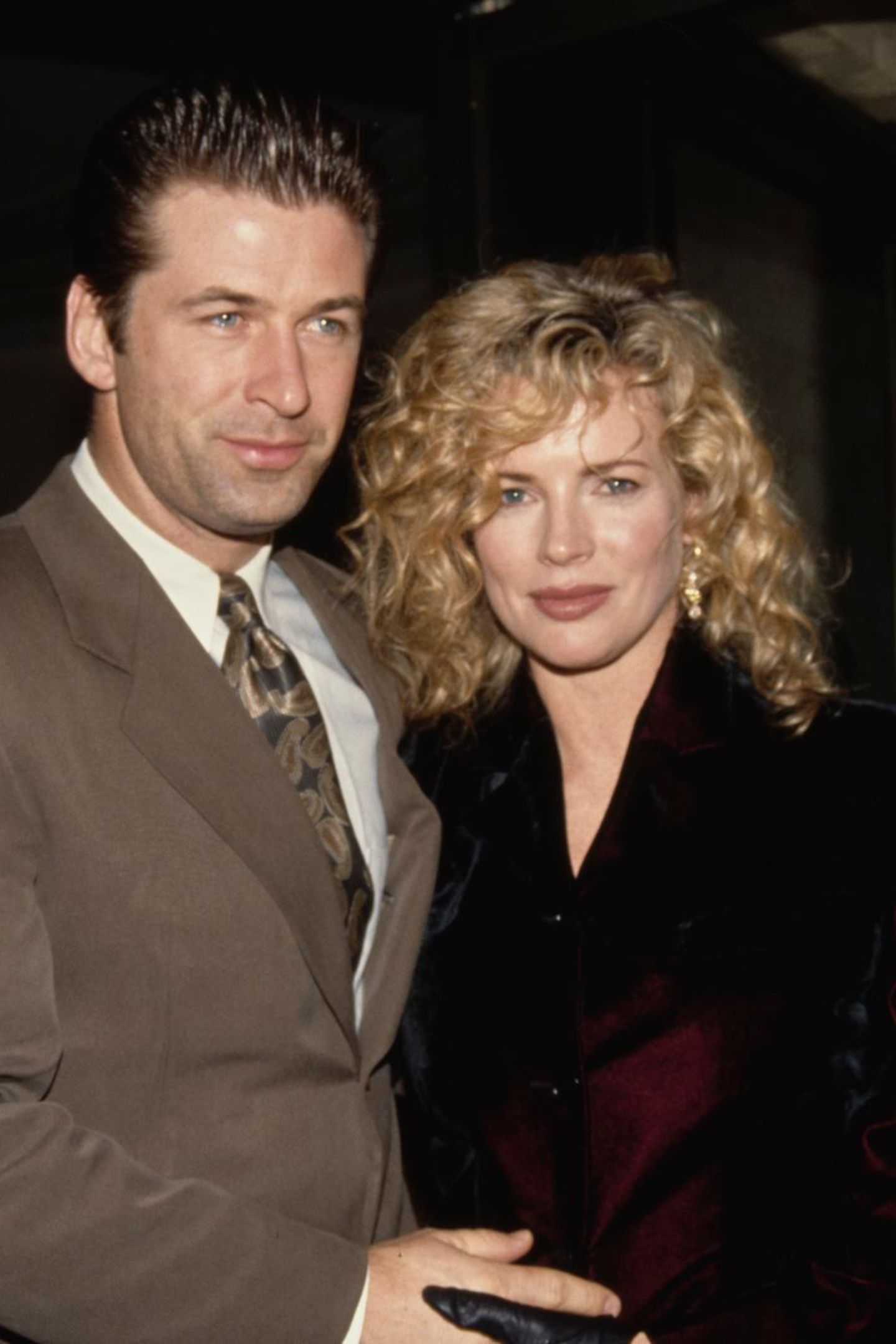
The professional partnership between Alec Baldwin and Kim Basinger, spanning the early 1990s, represents one of Hollywood’s most notable intersections of off-screen romance and on-screen creative collaboration. Best known for their work in The Marrying Man (1991) and The Getaway (1994), the pair combined Baldwin’s intense dramatic presence with Basinger’s established status as a leading lady of the era. Their filmography offers a study in the collaborative dynamics of high-profile actors attempting to translate real-life chemistry into successful narrative vehicles.
The Evolution of the Baldwin-Basinger Collaboration
The partnership began at the height of both actors' career trajectories. By 1990, Kim Basinger had solidified her reputation with roles in 9½ Weeks and Batman, while Alec Baldwin was rising rapidly as a formidable talent in character-driven dramas and thrillers. Their collaboration was not merely a series of coincidental bookings but rather a deliberate exploration of a star-driven "power couple" brand within the studio system of the 1990s.
The dynamic relied on a "classic Hollywood" approach, where the off-screen intimacy was expected to amplify the perceived heat on screen. However, this strategy faced significant challenges, specifically in the volatile climate of critical reception and box office performance. While their individual careers continued to thrive independently, their joint projects serve as a historical marker for how the film industry attempted to capitalize on the public’s fascination with celebrity relationships through curated cinematic partnerships.
Project Analysis: The Marrying Man (1991)
Released in May 1991, The Marrying Man serves as the primary example of the Baldwin-Basinger partnership. Directed by Jerry Rees and written by Neil Simon, the film was a romantic comedy that attempted to evoke the screwball energy of the 1930s. The plot centers on a wealthy heir, Charley Pearl (Baldwin), who falls for a lounge singer, Vicki Anderson (Basinger), leading to a series of tumultuous engagements and breakups.
From a production standpoint, the film faced substantial logistical and creative hurdles. Reports from the era highlight a famously troubled production, with significant clashes over the tone and the script. The film is often cited by industry analysts as a case study in how on-screen chemistry can be overshadowed by behind-the-scenes friction. For viewers looking to understand the mechanics of the partnership, The Marrying Man provides the clearest window into the intended "star power" strategy employed by studios at the time.
Project Analysis: The Getaway (1994)
Three years after their first collaboration, Baldwin and Basinger reunited for the 1994 remake of The Getaway, directed by Roger Donaldson. This project took a sharp turn from the lighthearted tone of their previous work, placing them in a gritty neo-noir crime thriller. As a remake of the 1972 Sam Peckinpah film, The Getaway required a different set of technical demands, focusing on high-stakes action and tension rather than romantic banter.
The film allowed the duo to demonstrate a wider range of genre work. Basinger portrayed Carol McCoy, a character defined by hard-edged survivalism, while Baldwin played Doc McCoy, an ex-con attempting to escape his past. Despite the change in genre, the film maintained the high-intensity, star-centric marketing approach. Critically, The Getaway is often evaluated based on its fidelity to the original source material and the actors' ability to inhabit roles famously associated with Steve McQueen and Ali MacGraw.
Comparative Overview of Collaborative Projects
The following table summarizes the two major feature-length collaborations between Alec Baldwin and Kim Basinger. These films highlight the divergence in genre and the varied reception of their partnership by contemporary critics and audiences.
| Film Title | Release Year | Genre | Primary Dynamic | Critical Reception |
|---|---|---|---|---|
| The Marrying Man | 1991 | Romantic Comedy | Screwball Romance | Mixed / Contentious |
| The Getaway | 1994 | Action / Thriller | Gritty Survivalism | Mixed / Comparison-Heavy |
The Impact of Public Perception on Creative Output
The collaboration between Baldwin and Basinger was inseparable from the media cycle that surrounded their personal lives. Throughout the 1990s, the "celebrity partner" narrative often created a barrier between the audience and the character being portrayed on screen. When evaluating these films in 2026, it is essential to distinguish between the performance as a work of craft and the performance as a byproduct of the intense public scrutiny the pair faced.
The difficulty in maintaining a sustained partnership in the public eye is a recurring theme in Hollywood history. For Baldwin and Basinger, the professional partnership ended following The Getaway, as both performers transitioned into distinct phases of their careers. Their subsequent filmography moved away from romantic pairing, favoring projects that emphasized individual acting range, which helped solidify their longevity as respected performers in the decades that followed.
Frequently Asked Questions
Did Alec Baldwin and Kim Basinger star in any other films together?
Beyond The Marrying Man and The Getaway, the two did not headline other feature films as an on-screen romantic couple. While they appeared in various media environments during their time together, their formal cinematic output as partners was confined to these two high-profile studio releases.
Why was The Marrying Man considered a difficult production?
The production was marked by well-documented conflicts between the lead actors and the creative team, particularly regarding the script's direction. Neil Simon, the screenwriter, was vocal about the creative tensions, and the film eventually became a cautionary tale in industry reports regarding the impact of behind-the-scenes instability on final product quality.
How did The Getaway compare to the 1972 original?
The 1994 version of The Getaway faced the inherent challenge of being compared to a cult classic directed by Sam Peckinpah. Critics at the time focused on the stylistic differences between the two, with the 1994 iteration being viewed as a more polished, modern action film, while the original was lauded for its uncompromising, gritty directorial signature.
Was the partnership a commercial success?
The box office performance for both films was modest relative to the high-profile nature of the stars involved. While they remained bankable individual entities, the specific "Baldwin-Basinger" brand did not translate into a lasting, multi-film commercial franchise, marking these projects as distinct, standalone efforts.
How are these performances viewed by current standards?
In 2026, these performances are viewed through a historical lens, often analyzed by film scholars interested in 1990s studio aesthetics and the intersection of celebrity culture and film production. They are frequently cited in retrospectives regarding the "star vehicle" era of the decade.
Strategic Viewing Recommendations
For those interested in exploring the work of Alec Baldwin and Kim Basinger, it is recommended to approach these films as a historical timeline of 1990s genre experimentation. To fully appreciate the transition in their collaborative style, view The Marrying Man first to understand the limitations of the "romantic comedy" pairing, followed by The Getaway to observe how the performers attempted to pivot toward more grounded, character-driven action. This sequence provides a balanced view of their professional output and serves as an effective case study for how public figures navigate the complexities of shared creative ventures.