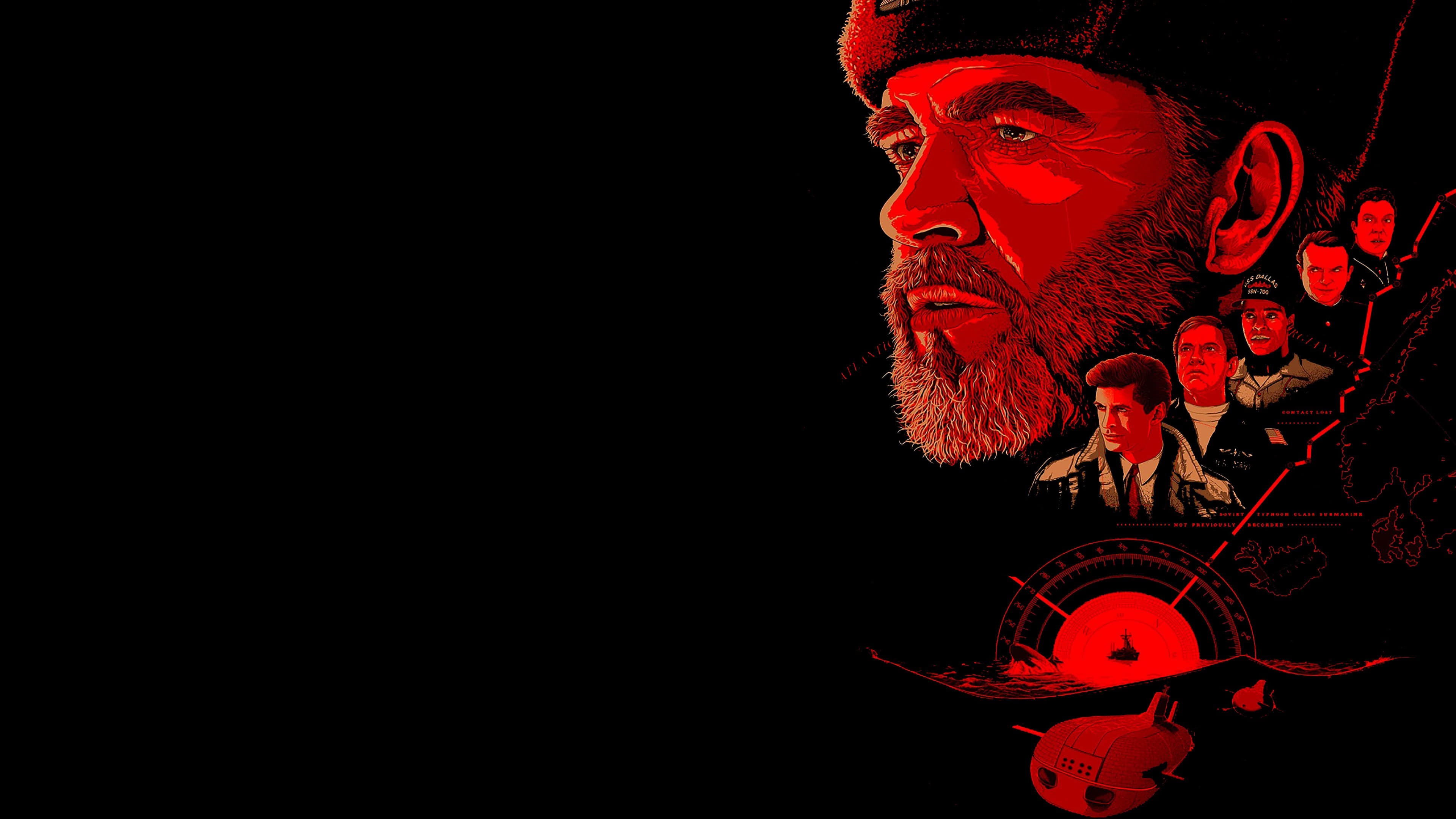
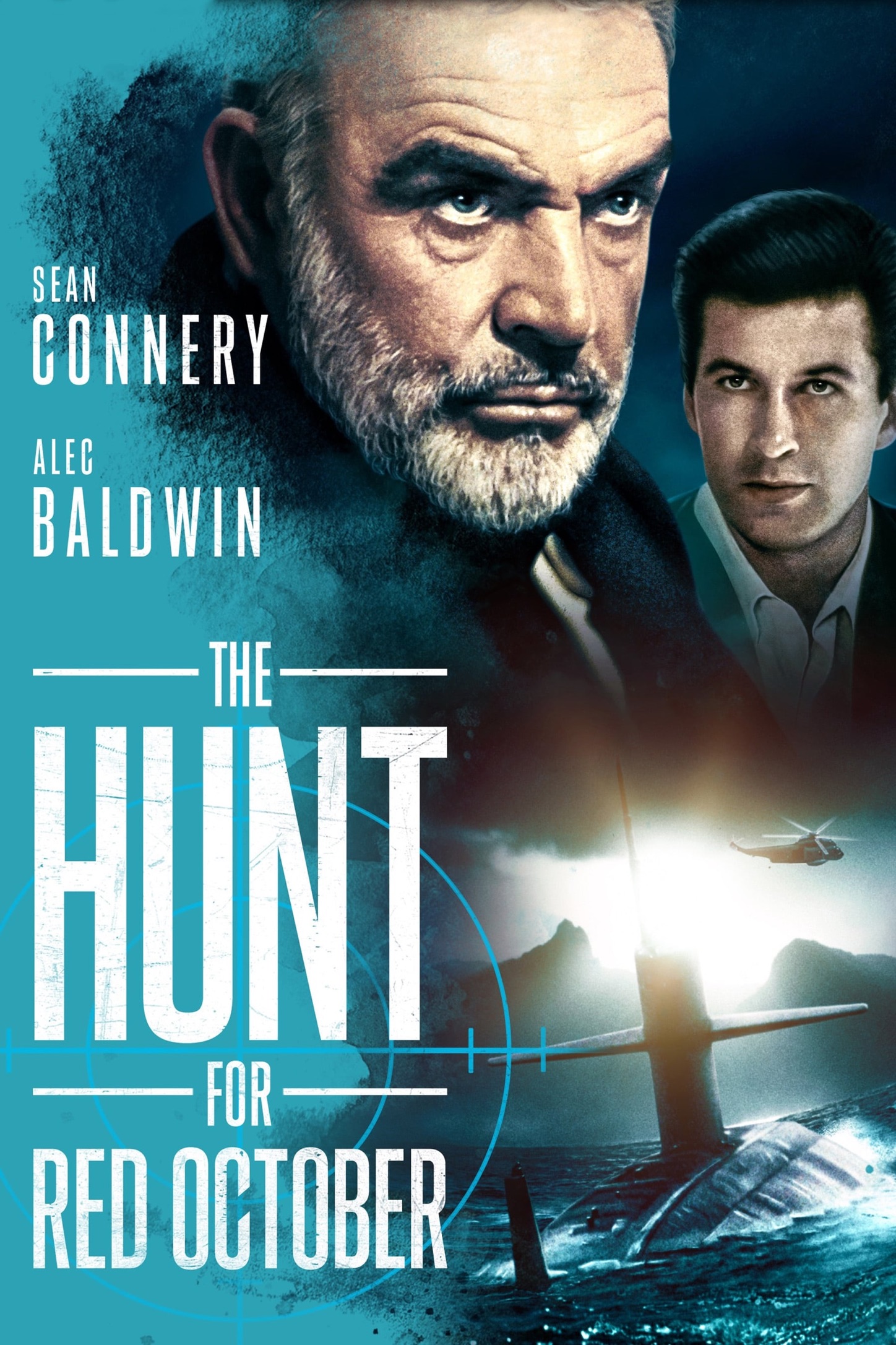
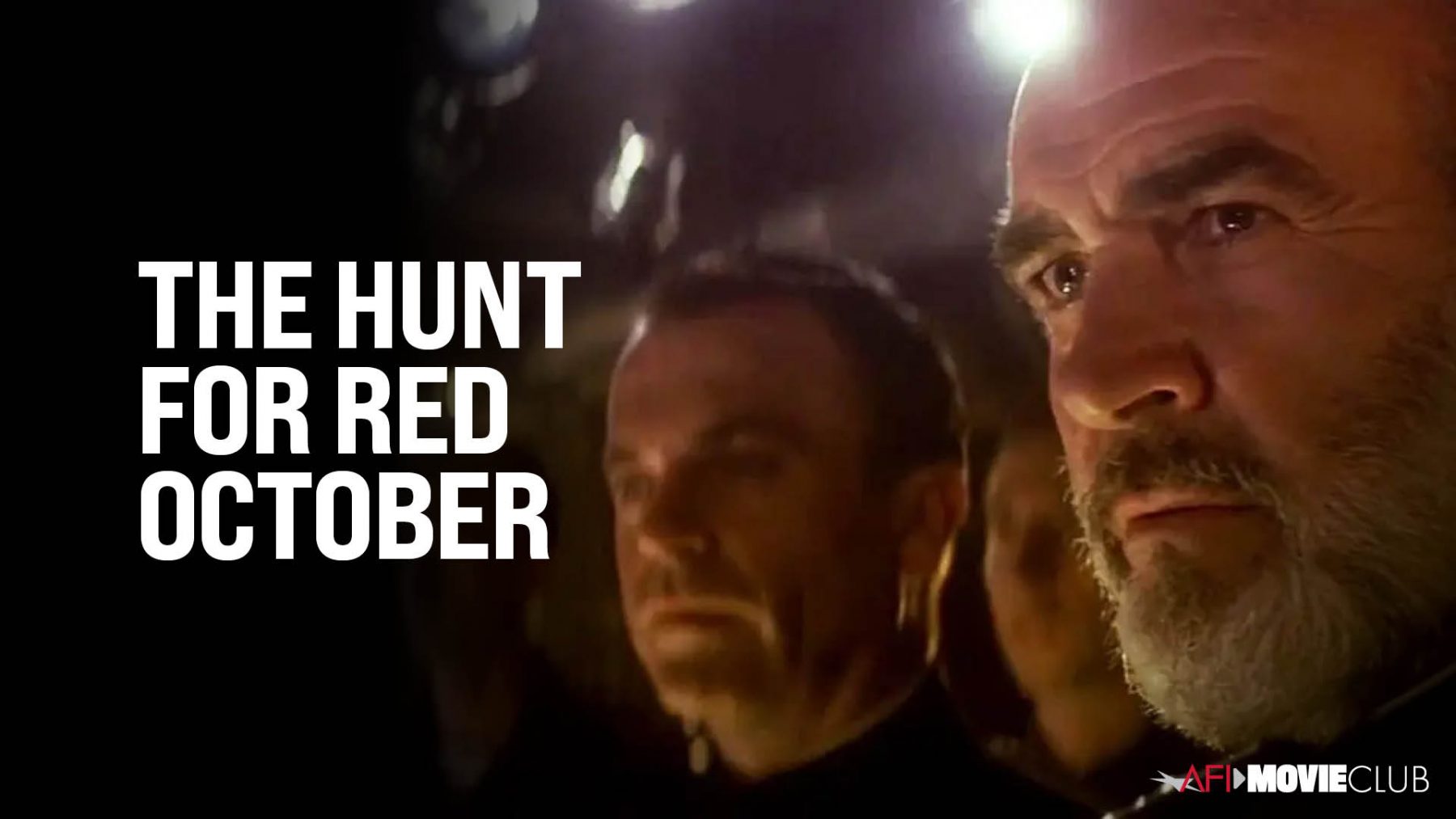
Alec Baldwin’s portrayal of Jack Ryan in the 1990 film The Hunt for Red October served as a pivotal turning point in his transition from a respected stage and supporting screen actor to a leading man in major Hollywood studio productions. Directed by John McTiernan and based on the best-selling novel by Tom Clancy, the film solidified Baldwin's presence in the blockbuster thriller genre and established the cinematic viability of the Jack Ryan character, setting a standard for the intelligence-officer archetype in modern film.
The Context of the Role: Casting and Character Foundation
When The Hunt for Red October entered production in the late 1980s, the challenge for the creative team was to translate a complex, cerebral literary protagonist—CIA analyst Jack Ryan—into a visual medium. Unlike the archetypal action heroes of the era, who relied on physical combat prowess, Jack Ryan was defined by his intellectual rigor, analytical intuition, and moral caution.
Alec Baldwin was cast as the first actor to bring this character to the big screen. At the time, Baldwin was known for his work in Beetlejuice (1988) and Married to the Mob (1988). The casting of Baldwin provided the studio, Paramount Pictures, with an actor capable of balancing the necessary vulnerability of an analyst thrust into a high-stakes Cold War crisis with the presence required to stand opposite established international stars like Sean Connery.
The film's plot, centering on the defection of Soviet submarine captain Marko Ramius, necessitated a protagonist who could serve as the audience's bridge to understanding the geopolitical stakes. Baldwin’s portrayal grounded the film, providing a human element to the technical jargon and submarine warfare sequences that dominated the narrative.
Strategic Significance in Career Trajectory
Before 1990, Baldwin’s career trajectory was trending toward high-level character acting. The Hunt for Red October shifted this paradigm. By anchoring a massive, high-budget studio production, Baldwin demonstrated "bankability"—the ability to carry a film that appeals to a broad global audience while maintaining critical respect.
The film's financial success proved that Baldwin could anchor a major franchise. While he did not reprise the role for subsequent installments—a point of professional divergence often discussed in industry retrospectives—the performance itself was widely cited by critics as a masterclass in subtlety. By choosing to emphasize Ryan’s internal process rather than relying on bravado, Baldwin elevated the standard for what a "thriller lead" looked like during the waning years of the Cold War.
Comparison of Jack Ryan Portrayals
Because the Jack Ryan character became a recurring fixture in cinema, Baldwin’s initial interpretation remains a baseline for comparison. The following table highlights the distinct stylistic approach of Baldwin compared to successors who took on the role in subsequent decades.
| Actor | Project | Approach to Jack Ryan | Character Tonality |
|---|---|---|---|
| Alec Baldwin | The Hunt for Red October (1990) | Analytical & Reluctant | Academic, tense, observant |
| Harrison Ford | Patriot Games / Clear and Present Danger | Pragmatic & Experienced | Stoic, seasoned, authoritative |
| Ben Affleck | The Sum of All Fears (2002) | Youthful & Earnest | Idealistic, emergent |
| Chris Pine | Jack Ryan: Shadow Recruit (2014) | Tactical & Modern | Kinetic, agile, tech-focused |
Critical Reception and Industry Impact
Upon the film's release, critics noted that Baldwin’s portrayal of Ryan was distinct for its lack of cynicism. In a genre often filled with gritty, hardened men, Baldwin’s Ryan appeared as an "everyman" who was uncomfortable with the scale of the crisis. This choice served the narrative objective of highlighting the danger of the situation; if the hero felt the weight of the threat, the audience was more likely to feel it as well.
The industry impact was immediate. Following the film's release, Baldwin’s stature in the agency world increased, leading to lead roles in prominent projects throughout the 1990s, such as Glengarry Glen Ross (1992) and The Shadow (1994). His performance in The Hunt for Red October effectively bridged the gap between his early career successes and his later evolution into a seasoned, versatile veteran of both film and television.
Historical Context of the Cold War Thriller
To understand the weight of the role, one must consider the historical timing. The Hunt for Red October arrived during a period of shifting geopolitical realities. The Berlin Wall had fallen in 1989, and the Soviet Union was on the brink of dissolution. The film functioned as a "swan song" for the traditional Cold War submarine thriller. Baldwin’s performance encapsulated the tension of that specific era—the fear of a rogue actor, the reliance on high-tech surveillance, and the necessity of individual human intelligence to prevent global catastrophe.
His portrayal was intentionally understated to avoid the jingoism that often plagued action films of the 1980s. By avoiding an overly aggressive posture, Baldwin ensured that the film focused on the diplomatic and tactical nuance of the "silent service," a tone that the film's director, John McTiernan, prioritized throughout the production.
Legacy and Professional Retrospective
In the years since, Baldwin has often spoken of the role as a unique challenge. Unlike later iterations where the character was presented as an action-hero-in-waiting, Baldwin’s Ryan was a historian and an academic. This dedication to character-first acting became a hallmark of Baldwin’s career.
When reviewing the impact of the role today, it is clear that The Hunt for Red October provided a foundational lesson for the actor: the value of holding the center of a chaotic scene through stillness rather than movement. This lesson permeated his later work, from his dramatic stage roles to his long-running tenure on television’s 30 Rock. The role did not merely launch a franchise; it defined a specific, cerebral brand of leading-man performance that distinguished Baldwin from his contemporaries.
Frequently Asked Questions
Why did Alec Baldwin not continue playing Jack Ryan in the sequels?
Baldwin was contractually interested in returning for sequels; however, a series of scheduling conflicts and misunderstandings regarding the timing of the production for Patriot Games resulted in his replacement. The studio moved forward with Harrison Ford, and while the transition was a subject of industry debate at the time, it is now viewed as the moment the franchise shifted toward a different interpretation of the character.
How did Baldwin prepare for the technical aspects of the role?
Baldwin famously focused on the academic and analytical background of Jack Ryan. He worked closely with the production team to understand the CIA’s internal protocols of the era. Much of his preparation involved internalizing the technical briefings featured in the script, ensuring that when he spoke about sonar patterns or submarine maneuvers, it appeared natural and researched, rather than rehearsed.
Did the success of this film influence the 'Jack Ryan' cinematic universe?
Yes, The Hunt for Red October established the viability of the Tom Clancy "Ryanverse." Its commercial success proved that audiences were willing to invest in intellectually driven military thrillers, which directly led to the green-lighting of the subsequent films that formed the core of the 1990s franchise strategy.
What is the primary difference between Baldwin’s performance and the source material?
In the novel, Jack Ryan is portrayed with a level of domestic stability and professional confidence that Baldwin chose to dial back. Baldwin’s version of Ryan is noticeably more anxious and physically vulnerable, which provided a stronger contrast to the unflappable demeanor of the Soviet captain, Ramius. This adjustment added a layer of human fragility that the book's narrative did not emphasize.
Is The Hunt for Red October considered a milestone for 1990s action cinema?
It is frequently cited as a definitive film of the genre because it effectively combined high-stakes geopolitical drama with large-scale production values. It set the standard for the 1990s "techno-thriller," influencing the pacing, technical accuracy, and character development of films that followed for the remainder of the decade.
Next Steps for Fans of the Film
For those interested in the historical and creative background of The Hunt for Red October, the following actions are recommended:
- Review the Source Material: Read Tom Clancy’s original 1984 novel to compare the internal monologue of the literary Jack Ryan with the externalized performance by Baldwin.
- Analyze the Direction: Observe the camera work by John McTiernan, noting how he uses tight framing during submarine interior scenes to amplify the claustrophobic atmosphere, which directly dictates the urgency of Baldwin's performance.
- Compare Submarine Narratives: Watch other notable submarine films, such as Das Boot or Crimson Tide, to see how the "submarine drama" genre treats the interplay between intellectual decision-making and high-pressure environments.