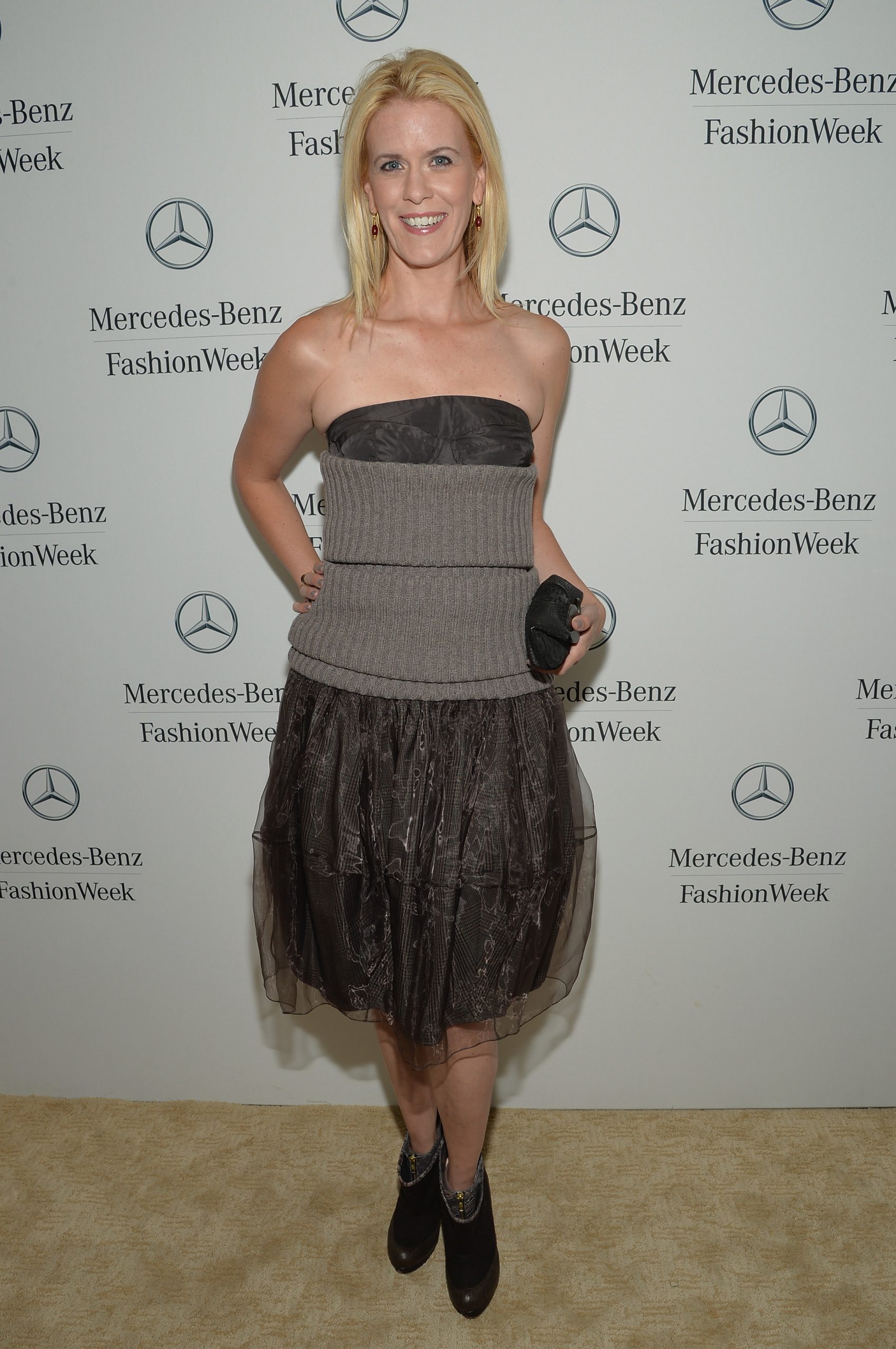
Ale McCord’s net worth reflects a calculated approach to a multi-hyphenate career, blending traditional acting roles with strategic engagements in brand partnerships, digital content creation, and production oversight. As of 2026, her financial portfolio is defined by a diversified income stream that leverages her public profile to generate revenue across both creative and commercial platforms, rather than relying solely on individual project residuals.
The Pillars of Professional Income
For an actress of Ale McCord's stature, income is rarely a monolithic figure derived from one source. Instead, it functions as a modular ecosystem. The primary pillar remains acting, which provides the foundational visibility required to unlock secondary and tertiary streams.
When analyzing how wealth is built in the entertainment industry, one must distinguish between "active" and "passive" income. Active income—the wages earned from hourly or per-project work on film sets—provides the immediate cash flow necessary for personal overhead and investment capital. In the current 2026 economic landscape, this remains the core engine for McCord. By maintaining a steady presence in both film and television, she ensures the continuity of her professional brand, which in turn commands higher premiums for future negotiations. These negotiations often include not just base pay, but performance-based incentives and backend points that allow an actress to share in the long-term success of a production.
Diversification Through Brand Synergy
Beyond traditional acting, the modern entertainment professional acts as a brand unto themselves. For McCord, wealth building involves the intentional selection of brand partnerships that align with her public image. These collaborations are structured as long-term endorsements or high-value campaigns that offer a more consistent revenue stream compared to the sporadic nature of production cycles.
These partnerships typically involve three primary contractual structures:
- Upfront Talent Fees: Payment for the initial time and labor spent filming or photographing campaign assets.
- Usage Rights: Compensation for the brand’s right to use her likeness across digital and traditional media channels, often scaled by territory and duration.
- Equity Participation: In select cases, performers may exchange traditional fees for equity in a startup or product line, providing the potential for capital gains if the brand appreciates in value.
By curating these commercial relationships, McCord effectively mitigates the "feast or famine" cycle inherent to acting, creating a layer of financial protection that keeps her capital moving even during industry-wide production hiatuses.
Financial Strategy: Scaling Creative Influence
As an artist transitions into a more established career stage, the strategy often shifts from wage labor to asset ownership. This is a critical transition in how wealth is maintained and grown. Rather than simply collecting a paycheck, the goal is to leverage one's influence to participate in the production process itself.
In many instances, the move into executive production or creative consulting allows actors to retain a stake in the intellectual property (IP). By holding creative or financial ownership in projects, an actress can secure a percentage of the revenue generated by global distribution, syndication, and merchandising. This shift from "hired talent" to "project stakeholder" is the most effective way to scale wealth in the current decade. For McCord, this involves ensuring that her involvement in projects extends beyond the script, allowing her to influence the production’s commercial potential and long-term viability.
Comparison of Wealth Accumulation Channels
The following table outlines the comparative characteristics of income streams for established performers in 2026, helping to clarify how professional priorities shift over time.
| Income Stream | Effort Level | Risk Profile | Long-term Upside |
|---|---|---|---|
| Traditional Acting | High | Low | Limited |
| Brand Partnerships | Moderate | Low | Moderate |
| Production/Equity | Very High | High | Very High |
| Residuals/Licensing | Low | Low | Cumulative |
Managing Overhead and Tax Efficiency
Building wealth is as much about retention as it is about generation. For individuals with high-variable income, tax efficiency is a technical requirement. This typically involves the establishment of corporate structures, such as Loan-Out Corporations. By utilizing a business entity to receive payment for professional services, an actress can deduct business-related expenses—such as agents' commissions, legal fees, specialized training, and promotional costs—before personal tax liabilities are assessed.
In 2026, navigating these regulatory frameworks requires ongoing collaboration with financial advisors. Because income fluctuates, the primary goal for McCord's financial management team is to smooth out the highs and lows, ensuring that liquidity remains available for investment while minimizing the tax burden on high-earning years. Maintaining this level of fiscal discipline is what differentiates short-term earnings from long-term sustainable net worth.
Common Misconceptions About Celebrity Wealth
Public perception often confuses "earning potential" with "liquid net worth." It is essential to distinguish between gross professional earnings and the actual assets retained by the individual. Costs such as publicists, managers, agents, legal teams, and personal assistants often consume a significant portion of an actress's gross annual income.
Furthermore, "net worth" is a snapshot of assets minus liabilities. For a professional in this field, assets may include real estate, investment portfolios, and the value of self-owned production companies. Liabilities, conversely, may involve mortgages, business loans, or outstanding operational debt. Readers should be wary of speculative online net worth estimates, which rarely account for these underlying balance sheet items or the volatile nature of industry valuation.
Frequently Asked Questions
Does Ale McCord’s acting salary represent her total net worth?
No. An actress’s salary is simply one stream of income. Her net worth is calculated by aggregating her liquid assets, real estate holdings, investments in private companies, and the value of any intellectual property she owns or manages through her corporate entities.
How do brand endorsements impact her long-term financial health?
Endorsements provide stable, non-production-dependent revenue. When structured as multi-year deals, they offer a predictable baseline of income that allows for more aggressive long-term investment strategies, effectively reducing the financial pressure to take roles purely for a paycheck.
What is the role of a Loan-Out Corporation in an actress's finances?
A Loan-Out Corporation is a legal entity that "loans" the services of the actress to studios or production companies. It serves primarily as a tax management vehicle, allowing for the deduction of business-related expenses and the deferral of certain taxes to align with long-term financial planning.
Why is executive production considered a wealth-building move?
Executive production allows an actress to transition from an employee to an owner. By securing a stake in the project’s ownership, she is entitled to a portion of the long-term profits (residuals, international sales, and streaming success), which can far exceed the value of an initial upfront acting fee.
How often should net worth be re-evaluated?
For high-earning professionals with volatile income, a formal audit of net worth should be conducted annually or upon the close of a major project cycle. This ensures that assets are rebalanced and that tax-advantaged accounts remain funded according to current 2026 IRS guidelines and personal financial goals.
Strategic Next Steps for Asset Growth
If you are evaluating the financial trajectory of an individual in the entertainment industry, the most actionable next step is to examine their portfolio diversification. Look for evidence of ownership—whether in real estate, private equity, or intellectual property rights—rather than focusing solely on project volume. Those who prioritize the shift from "active performer" to "active stakeholder" are statistically more likely to sustain and grow their net worth over the long term, regardless of the cyclical nature of the entertainment industry.