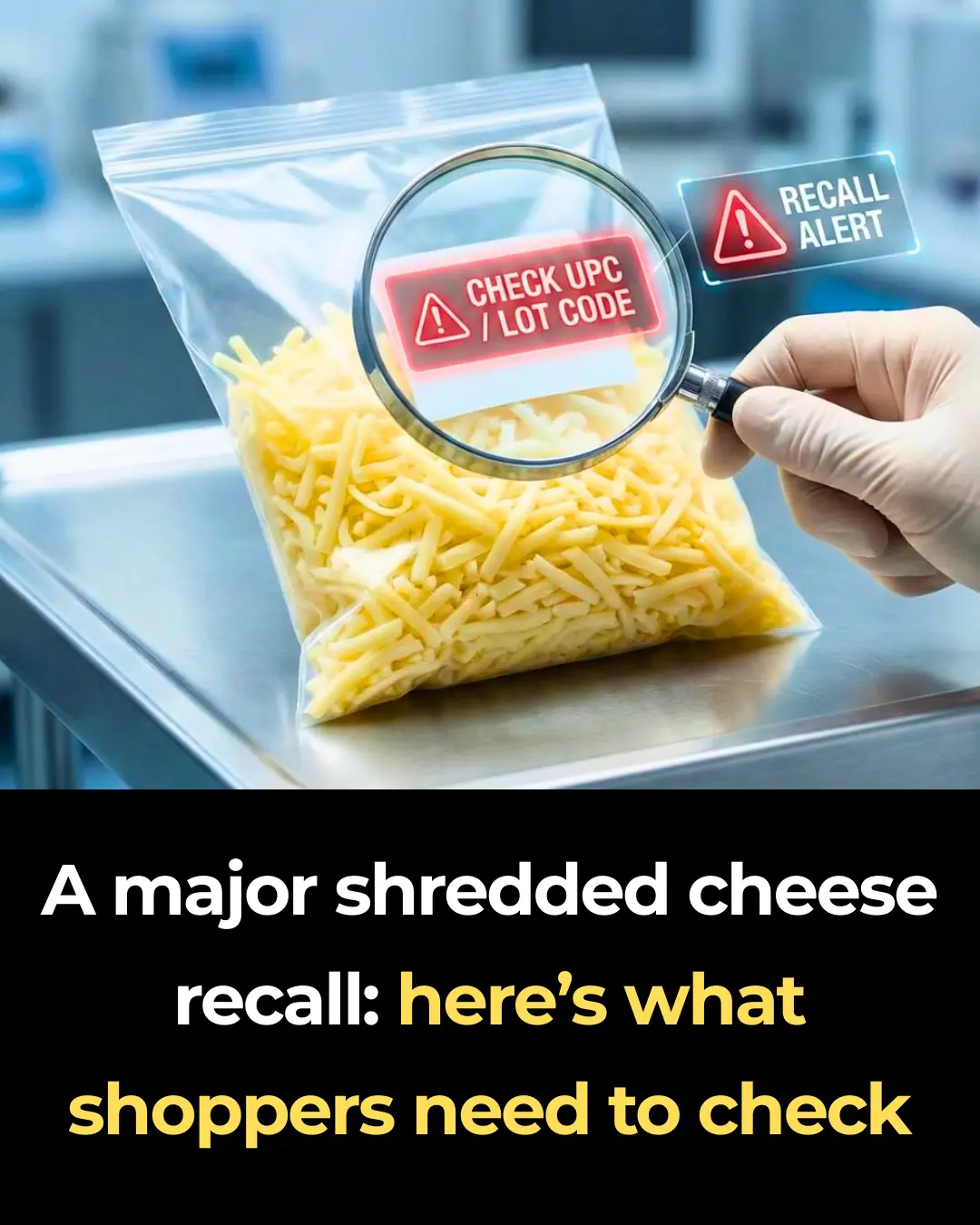
When food safety alerts hit household staples, grocery shoppers must act quickly to protect their households from potential contamination risks. The aldi shredded cheese recall what shoppers need to know involves checking specific product packaging, understanding the health risks associated with affected dairy products, and following established retail refund procedures. Navigating these safety notices requires careful attention to lot numbers, UPC codes, and best-by dates to determine whether items sitting in home refrigerators pose any danger.
Understanding the Scope of Grocery Product Recalls
Grocery store recalls occur when regulatory bodies, such as the U.S. Food and Drug Administration (FDA) or the U.S. Department of Agriculture (USDA), identify potential hazards in commercial food supplies. These hazards range from undeclared allergens—which pose severe threats to individuals with specific sensitivities—to dangerous bacterial contamination like Listeria monocytogenes, Salmonella, or E. coli. For major national and regional grocery chains like Aldi, supply chains involve complex networks of third-party dairy processors and packaging facilities. When a contamination vector is discovered at a processing plant, precautionary recalls frequently encompass multiple private-label brands distributed across wide geographic areas.
Private-label items, including Aldi’s exclusive house brands such as Happy Farms, Friendly Farms, or Specially Selected, are manufactured by contracted dairy producers. If a processing partner detects a pathogen during routine quality control testing, or if consumer complaints trigger public health investigations, the retailer must issue a voluntary recall in coordination with federal agencies. Shoppers frequently overlook private-label safety notices because they may not immediately associate their budget-friendly grocery purchases with major manufacturing distributions. Staying informed about retail safety alerts ensures that households can quickly identify vulnerable items before consumption occurs.
Identifying Affected Products and Package Details
Determining whether a dairy item in your refrigerator is subject to a safety alert requires examining specific physical markers on the packaging. Unlike branded items that feature distinct marketing campaigns, store-brand shredded cheese relies heavily on batch numbers, universal product codes (UPCs), and printed expiration dates to isolate affected stock. Consumers must inspect the back or side panels of plastic pouches for printed text fields that indicate the manufacturing run.
The primary identifiers for any shredded cheese safety notice include:
- Brand Name: Specific store-label lines such as Happy Farms or Specialty Selected lines distributed in affected regions.
- Universal Product Code (UPC): The barcode numbers located on the packaging exterior, which remain identical across batches of the same product size and flavor.
- Lot Numbers: Alphanumeric codes assigned during production that pinpoint the exact facility, line, and time of packaging.
- Best-By or Use-By Dates: Date ranges that help isolate inventory shipped to specific division warehouses and retail stores.
Because distribution footprints vary widely, a recall affecting Aldi locations in one state or region may not apply to stores in another. Consumers must verify that both the UPC code and the specific lot number match official regulatory announcements rather than relying solely on the product name and flavor description.
| Product Identifier | What to Check | Why It Matters |
|---|---|---|
| UPC Barcode | The 12-digit number beneath the barcode lines. | Confirms the exact product variety, flavor, and package size implicated in the safety notice. |
| Lot Number | Alphanumeric string printed near the expiration date. | Isolates the specific manufacturing batch and processing facility involved in the contamination event. |
| Best-By Date | Calendar date indicating product freshness limits. | Helps consumers quickly screen older inventory still sitting in home refrigerators or freezers. |
| Store Region | Geographic distribution footprint of the retail chain. | Determines whether local stores received shipments from the affected production run. |
Health Risks and Symptoms Associated with Contaminated Dairy
Dairy products that undergo inadequate pasteurization or experience post-pasteurization environmental exposure can harbor harmful microorganisms. In the context of shredded cheese alerts, the most prevalent biological hazards involve pathogens capable of surviving in refrigerated environments. Listeria monocytogenes, for instance, is a resilient bacterium that thrives at cold temperatures, making refrigerated foods like soft and shredded cheeses common vehicles for foodborne illness.
Consuming food contaminated with Listeria can lead to listeriosis, a serious infection that primarily affects vulnerable populations, including pregnant individuals, newborns, older adults, and people with weakened immune systems. Symptoms of listeriosis typically include fever, muscle aches, fatigue, headache, stiff neck, confusion, loss of balance, and convulsions. In pregnant individuals, the infection can cause miscarriages, stillbirths, premature delivery, or life-threatening infections in newborns, even if the mother experiences only mild symptoms.
Other potential contaminants, such as Salmonella or E. coli, manifest with acute gastrointestinal distress, including severe abdominal cramps, watery or bloody diarrhea, and vomiting within hours or days of consumption. Anyone exhibiting severe symptoms after consuming recalled food products should contact a healthcare provider immediately. Medical professionals rely on patient history and laboratory testing to diagnose foodborne illnesses and administer appropriate therapeutic interventions.
Step-by-Step Guide to Handling Recalled Items
When a grocery item in your kitchen matches an active safety alert, taking immediate, methodical action prevents accidental exposure and secures your consumer rights. Ignoring a recall notice or attempting to consume the product after heating it is strongly discouraged, as certain bacterial toxins or persistence levels cannot be entirely neutralized through home culinary methods.
- Stop Consumption Immediately: Cease using the product right away and isolate it from other foods in your refrigerator or freezer to prevent cross-contamination with other groceries.
- Verify the Details: Cross-reference the package label, UPC, and lot numbers against the official announcements published by the FDA, USDA, or the retailer's official corporate communications page.
- Choose Your Resolution Method: Decide whether you prefer to discard the item safely or retain packaging fragments required for retail customer service verification.
- Execute Disposal or Return: Throw the product away in a sealed container out of reach of children and pets, or return the package to your local Aldi store.
- Request a Full Refund: Present the physical product or purchase confirmation to store personnel to receive a complete refund under the chain's standard return policy guidelines.
Shoppers do not typically need an original store receipt to obtain a refund for recalled merchandise at Aldi. Under the retailer's Twice As Nice Guarantee and standard quality recall procedures, store managers are authorized to issue full refunds for items verified as part of an active safety recall.
Preventive Measures for Safe Food Storage and Handling
Minimizing the impact of food safety incidents involves adopting robust handling habits in home kitchens. While consumers cannot detect invisible bacterial contamination or manufacturing defects simply by looking at food packaging, maintaining proper cold-chain management and sanitation practices reduces overall vulnerability to foodborne pathogens.
Refrigerator temperatures should be maintained consistently at or below 40°F (4°C), and freezers should operate at 0°F (-18°C) or lower. Cold temperatures slow the proliferation of many bacteria, though pathogens like Listeria retain the ability to multiply slowly under refrigeration. Keeping shredded cheese packages tightly sealed in their original containers or transferring them to clean, airtight storage containers prevents environmental exposure from other raw items stored nearby, such as raw meats, poultry, or unwashed produce.
Furthermore, consumers should routinely monitor consumer protection portals and register for automated food alert bulletins. Checking official government databases, such as those maintained by the FDA and USDA Food Safety and Inspection Service, ensures timely awareness of emerging food safety notices before products are opened or consumed.
Frequently Asked Questions About Grocery Recalls
What should I do if I already ate some of the recalled cheese?
Monitor your health for symptoms associated with foodborne illness, such as fever, muscle aches, nausea, or diarrhea, over the subsequent days or weeks. If you belong to a high-risk group—such as being pregnant, elderly, or immunocompromised—contact your physician immediately for guidance, even if you currently feel well.
Can I get a refund at Aldi without a receipt?
Yes, Aldi accepts returns for recalled merchandise without requiring an original sales receipt. Store associates will verify the product details against active recall notices and process a full refund or exchange according to standard customer service policies.
Are all varieties of Aldi shredded cheese affected by a recall?
No, safety recalls target specific production lots, brands, and manufacturing dates rather than entire product categories. Only packages bearing the exact UPC codes and lot numbers listed in the official recall bulletin are considered unsafe for consumption.
How are bacterial contaminants introduced into shredded cheese?
Contamination typically occurs during the processing, shredding, or packaging phases at manufacturing facilities when pathogens from environmental surfaces, equipment, or water come into contact with the dairy product before sealing.
Where can I find official and verified recall updates?
Official updates are published directly on the U.S. Food and Drug Administration (FDA) Recalls, Market Withdrawals, & Safety Alerts page, the USDA website, and through official corporate customer notices issued by the retailer.
Taking Action on Food Safety Alerts
Protecting your household from contaminated food requires vigilance, timely verification of product packaging, and strict adherence to disposal guidelines. When an Aldi shredded cheese recall is announced, checking your refrigerator immediately, isolating vulnerable packages, and returning them to the store ensures maximum safety and secures your consumer refund rights. Stay proactive by reviewing official regulatory databases and maintaining clean kitchen storage practices to manage unexpected grocery safety incidents effectively.