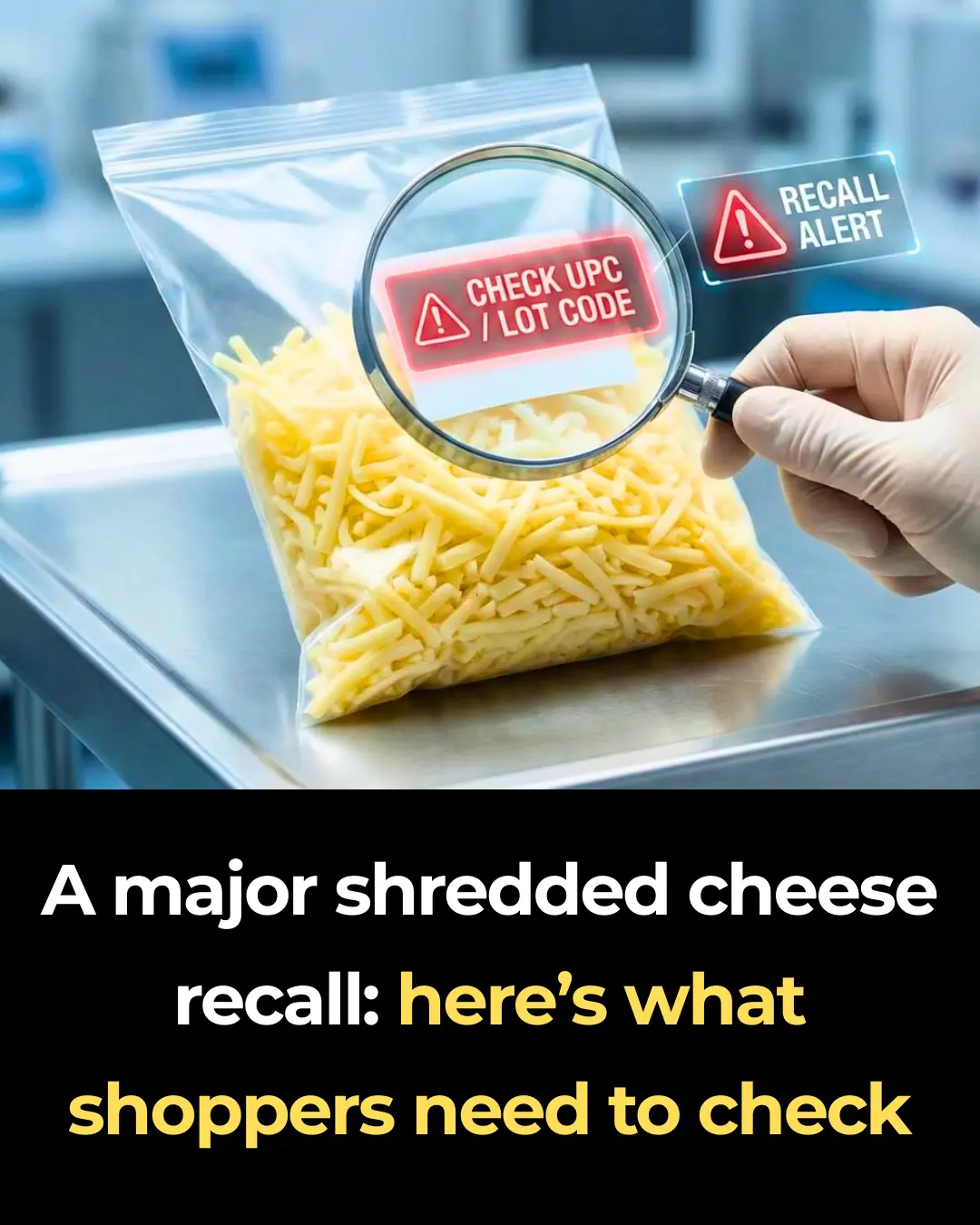
When a major national grocer announces a safety alert, consumers must quickly understand which items are affected, why the action was taken, and how to protect their households. The aldi shredded cheese recall what customers need to know now situation involves specific batches of dairy products pulled from shelves due to potential health risks, requiring shoppers to check their refrigerators and freezers immediately.
Identifying the Affected Dairy Products and Production Batches
Navigating a food safety alert begins with precise product identification. Grocers and regulatory bodies like the U.S. Food and Drug Administration (FDA) publish specific lot numbers, Universal Product Codes (UPCs), and best-by dates to help consumers distinguish recalled items from safe alternatives. Not all dairy items sold under a retailer's private labels are implicated; recalls typically target narrow manufacturing windows, specific plant codes, or isolated packaging runs.
Consumers must examine the back or bottom panels of their packaging to locate the UPC barcode and the printed lot code or expiration date. Private-label items, such as those found under Aldi-exclusive brands like Happy Farms or Friendly Farms, are often manufactured by third-party dairy facilities that supply multiple national chains. When a contamination vector—such as potential Listeria monocytogenes or foreign object introduction—is identified at a specific production facility, all products manufactured during that window are pulled as a precaution.
Below is a reference guide for verifying whether a specific dairy package matches publicly documented safety alerts.
| Verification Field | What to Look For | Where to Find It |
|---|---|---|
| Brand Name | Private-label identifiers (e.g., Happy Farms, Friendly Farms) | Front panel of the package, near the top or center. |
| Product Variety | Specific cuts (e.g., Cheddar, Mozzarella, Mexican Blend) | Center of the front label, describing the cheese style. |
| UPC Barcode | 12-digit number unique to the specific package size and variety | Back panel, typically near the lower right corner. |
| Best-By Date | Printed date indicating shelf-life expiration | Stamped on the back or top crimp of the bag. |
| Lot Code | Alpha-numeric sequence identifying the production run | Printed near the best-by date or on the bottom gusset. |
Understanding the Health and Safety Risks Involved
Food safety recalls involving dairy products are typically categorized by the nature of the hazard, which can range from biological pathogens to physical contaminants. In many dairy recalls, the primary biological concern is Listeria monocytogenes, an organism that can cause serious and sometimes fatal infections in young children, frail or elderly people, and others with weakened immune systems. Healthy individuals may suffer only short-term symptoms such as high fever, severe headache, stiffness, nausea, abdominal pain, and diarrhea. However, Listeria infection can cause miscarriages and stillbirths among pregnant individuals.
Physical contamination represents another category of safety alerts. While less common in dry shreds, machinery wear can occasionally introduce tiny metal fragments, hard plastic, or other foreign material into production lines. Ingesting physical contaminants can lead to dental injury, oral lacerations, or gastrointestinal obstruction. Reviewing official notices issued by regulatory agencies provides the definitive medical context for each unique incident.
Steps for Checking Refrigerators, Freezers, and Pantries
Once a safety notice is verified, every household should conduct a thorough physical audit of all cold storage areas. Because shredded cheese typically has an extended shelf life when unopened, consumers frequently purchase multiple packages during grocery trips and store them deep within refrigerators or chest freezers for future use.
- Empty the Dairy Drawer: Remove all dairy products from refrigerator bins, shelves, and door compartments to inspect items that may be hidden behind other containers.
- Inspect Freezers: Check deep freezers or kitchen freezer compartments, as unopened bags of shredded cheese are frequently frozen to extend usability past the refrigerated expiration date.
- Compare Label Data: Match every recovered package against the exact UPC codes, brand names, and lot numbers listed in official regulatory notices. Do not rely solely on visual appearance, as contaminated food rarely looks, smells, or tastes spoiled.
- Isolate Suspect Items: Place any matching packages into a sealed plastic bag to prevent cross-contamination with other foods in your kitchen.
Return Policies, Refunds, and Consumer Compensation Options
Retailers maintain established customer service protocols to handle merchandise returns during safety alerts. Shoppers who discover an implicated item in their possession are generally not required to retain a physical receipt to obtain a remedy. Major grocery chains routinely issue full refunds or store credit for recalled private-label goods returned directly to the point of purchase.
To execute a return, bring the isolated package to the customer service desk of your local store. Store associates are trained to process these returns smoothly, logging the product data for inventory tracking and issuing immediate reimbursement. If a consumer prefers not to transport the item back to the store due to safety precautions, disposing of the sealed package securely in an outdoor trash bin is an acceptable alternative, though cash refunds usually require returning the physical item or valid proof of purchase through customer care channels.
Preventing Future Food Safety Incidents in Your Kitchen
While consumer-level mitigation focuses on responding to active alerts, establishing robust kitchen safety habits minimizes overall exposure to foodborne hazards. Dairy products require strict temperature control to prevent bacterial proliferation. Refrigerators should be maintained at or below 40 degrees Fahrenheit (4 degrees Celsius), and freezers should operate at 0 degrees Fahrenheit (-18 degrees Celsius) or lower.
Cross-contamination is another critical variable. Always use clean utensils when handling open bags of shredded cheese, and reseal packages tightly or transfer contents to airtight containers to limit ambient moisture exposure and microbial introduction. Furthermore, signing up for direct consumer alerts through agencies like the U.S. Food and Drug Administration or the U.S. Department of Agriculture ensures timely notification before products are consumed.
What Actions Should Customers Take Next?
Immediate action is the most effective safeguard when managing a retail food recall. Check your refrigerators and freezers today against the specific lot numbers and UPCs published by official safety authorities. If you possess an impacted package, immediately isolate it, stop consumption, and return it to your local store for a full refund. Maintaining vigilance through official regulatory channels ensures your household remains protected against unfolding food safety developments.