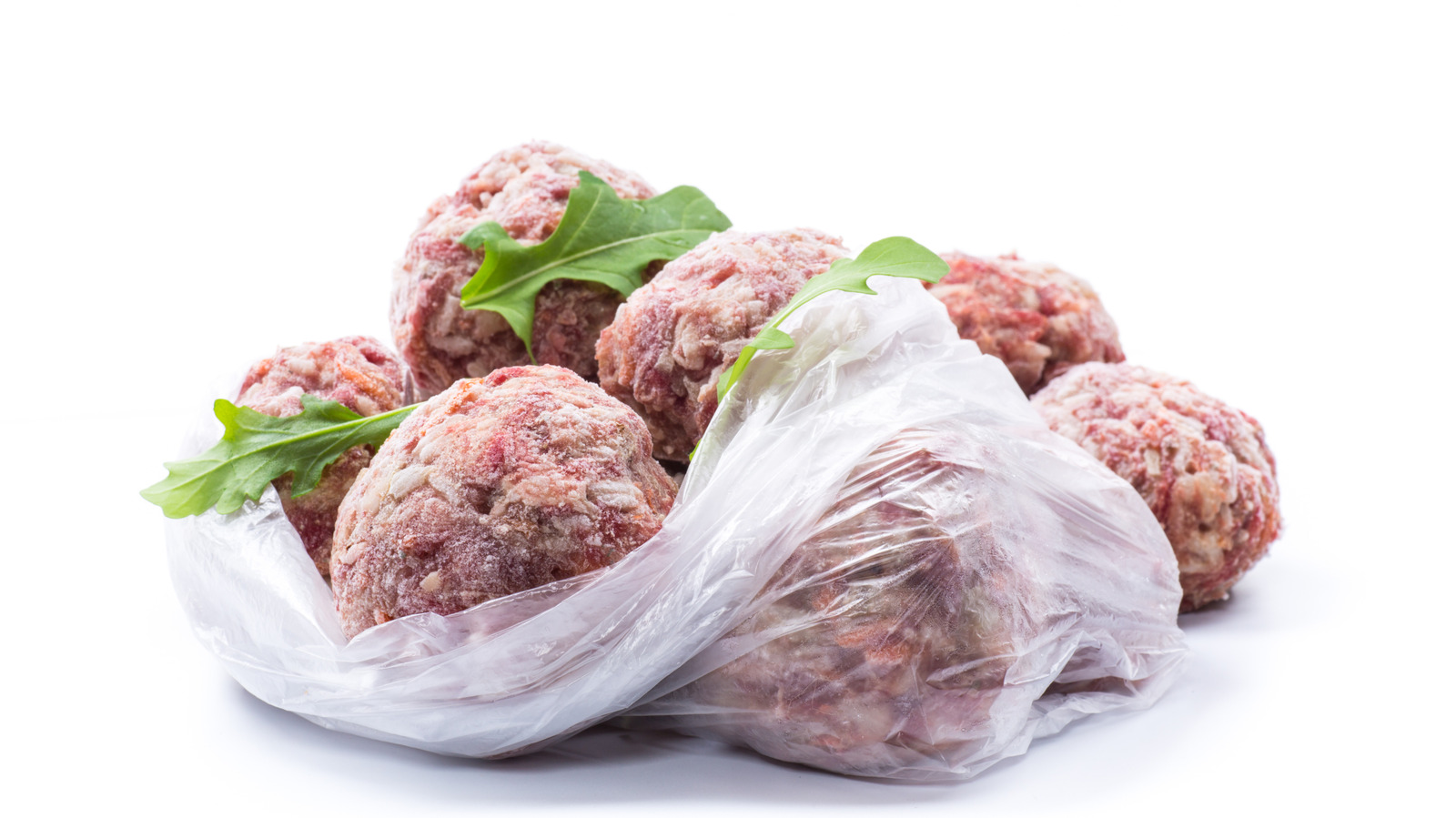
When a popular frozen food item is pulled from grocery store shelves, consumers need clear, verified guidance to protect their health and navigate the return process. The Aldi Bremer meatballs recall involves specific batches of frozen meatballs distributed to select retail locations due to potential contamination or labeling concerns that prompt regulatory and corporate safety actions. Understanding the scope of the recall, identifying affected packaging, and knowing how to handle or return the product ensures household safety and helps consumers exercise their consumer rights effectively.
Navigating a food safety recall requires looking past general headlines to examine specific lot numbers, establishment numbers, and official guidance issued by food safety authorities like the U.S. Department of Agriculture's Food Safety and Inspection Service (FSIS) alongside the retailer. Whether you recently purchased a bag of these frozen meatballs for a weeknight dinner or found a forgotten package deep in your chest freezer, checking the product details against official advisories is the critical first step. This guide covers everything you need to know about identifying affected products, understanding the underlying safety risks, and completing the return process.
Background and Context of the Bremer Meatballs Recall
Food recalls involving frozen meat products typically stem from routine sampling, facility inspections, or consumer complaints that reveal potential hazards. In the case of Bremer-branded products sold at Aldi, safety protocols are designed to catch issues before widespread illness occurs. When a manufacturer or retailer identifies a deviation from strict quality and safety standards, a voluntary or mandated recall is initiated to remove the merchandise from commerce immediately.
For consumers, understanding why a recall happens provides necessary context without causing unnecessary panic. Meat and poultry processing facilities operate under rigorous federal oversight. If a testing protocol detects pathogens such as Listeria monocytogenes, Salmonella, or E. coli—or if packaging fails to declare major food allergens correctly—regulatory bodies issue public health alerts. These alerts trigger the physical retrieval of goods from grocery store freezers and prompt consumer warnings.
The Bremer brand is closely associated with Aldi's private-label frozen food lineup, offering budget-friendly convenience items. Because these products are distributed across wide geographic footprints through Aldi's regional distribution centers, tracing the exact production dates and establishment codes is essential for accurate identification. Consumers should note that not all Bremer meatball products are part of a recall; notices apply strictly to specific production lots manufactured during targeted windows.
How to Identify Affected Bremer Meatball Packages
Distinguishing between recalled food items and safe pantry or freezer staples requires careful inspection of product labels, package sizes, and printed identification codes. Grocery retailers and regulatory agencies provide specific data points that consumers must look for on the physical packaging. Relying solely on the brand name or product appearance is insufficient, as safe batches often sit alongside affected units during a recall window.
To determine if your Bremer meatballs are subject to the recall, examine the outer packaging for the following key indicators:
- Product Name and Brand: Look for Bremer-branded frozen meatball varieties, such as Italian-style or homestyle beef and pork meatballs, sold in plastic bags or cardboard cartons.
- Establishment Numbers: Check the USDA inspection legend stamped inside the oval mark on the package, which identifies the specific facility where the meat was processed.
- Lot Codes and Best-By Dates: Locate the ink-jetted or stamped production codes, typically found along the side gusset or the bottom seam of the bag.
- Universal Product Code (UPC): Compare the barcode numbers on your product packaging against the official UPC list published in the recall announcement.
If your product matches the specific establishment number, date code, and UPC released in official notices, it should be treated as potentially compromised. If the packaging lacks legible codes or you cannot verify its status, standard food safety practice recommends erring on the side of caution.
Health Risks and Safety Precautions
Consuming recalled food products can pose significant health risks depending on the nature of the contamination. Microbiological contaminants like Listeria monocytogenes can cause listeriosis, a serious infection that primarily affects older adults, pregnant individuals, newborns, and people with weakened immune systems. Symptoms of listeriosis include fever, muscle aches, headache, stiff neck, confusion, loss of balance, and convulsions, sometimes preceded by diarrhea or other gastrointestinal symptoms.
For pregnant individuals, listeria infections can cause miscarriages, stillbirths, premature delivery, or life-threatening infections in newborns. Other potential pathogens associated with frozen meat recalls can cause acute gastrointestinal illness characterized by severe abdominal cramps, bloody diarrhea, and vomiting. If anyone in your household has consumed the affected meatballs and exhibits these symptoms, seeking medical attention promptly is vital.
SAFETY WARNING: Do not taste, cook, or consume recalled frozen meatballs. Handling suspected products requires strict hygiene practices to prevent cross-contamination in your kitchen.
If you discover you possess recalled Bremer meatballs, immediate physical isolation of the product is necessary. Place the sealed package inside a disposable plastic bag, tie it securely, and discard it in a sealed trash receptacle where children and pets cannot access it. Alternatively, you can retain the package for a retail refund. Thoroughly clean and sanitize any countertops, freezer shelves, utensils, or hands that came into contact with the packaging or the frozen product using hot soapy water and a food-safe disinfectant.
Return, Refund, and Consumer Compensation Procedures
Retailers like Aldi maintain clear customer satisfaction and product safety policies that govern how recalled goods are handled at the store level. When a food product is recalled, consumers are generally entitled to a full refund, regardless of whether they possess a physical receipt. Understanding the mechanics of the return process ensures you receive proper reimbursement without unnecessary hassle.
| Action Step | Description | Requirements / Documentation |
|---|---|---|
| Product Inspection | Check freezer stock against official recall lot and UPC lists. | Package label, clear view of establishment number and dates. |
| Safe Handling | Isolate the product to prevent cross-contamination in the kitchen. | Disposable gloves, sealed plastic bags, disinfecting wipes. |
| Retailer Return | Bring the product or package label to any local Aldi store. | Original receipt (preferred but often optional for recalls), product package. |
| Refund Issuance | Receive cash, store credit, or original form of payment refund. | Store manager authorization, customer service desk processing. |
To execute a return at an Aldi location, gather the remaining product or, at minimum, cut out or photograph the UPC barcode and lot code if the contents have already been discarded for safety. Present these details to the store associate at the customer service desk. Aldi's corporate policy typically allows for a full refund on recalled merchandise. If you experience difficulties or have questions regarding corporate customer care policies, you can reach out through the official Aldi website support portal.
What Are the Potential Symptoms of Contamination from Recalled Meatballs?
Consuming food contaminated with pathogens such as Listeria monocytogenes can cause listeriosis, which manifests as fever, muscle aches, fatigue, headache, stiff neck, confusion, and loss of balance. Pregnant individuals may experience mild, flu-like symptoms, though the infection can lead to pregnancy complications. Other foodborne pathogens commonly associated with meat products cause sudden acute gastroenteritis, including severe cramps, watery or bloody diarrhea, and persistent vomiting within hours or days of consumption.
Can I Cook the Meatballs Thoroughly to Kill Bacteria and Eat Them Safely?
No. Food safety agencies strongly advise against attempting to cook, heat, or salvage recalled food products to eliminate safety hazards. While thorough cooking kills many common bacteria, certain toxins or contamination levels—along with the high risk of cross-contaminating kitchen surfaces, utensils, and hands during preparation—make consuming recalled food unsafe under any circumstances.
Do I Need a Receipt to Get a Refund for Recalled Aldi Bremer Meatballs?
Generally, a receipt is not strictly required to obtain a refund for recalled items at Aldi. Because the item is subject to an active safety recall, stores are authorized to process returns and issue full refunds or store credit based on visual verification of the product packaging, UPC code, or lot number matching the recall notice.
How Do I Check If My Specific Package Is Part of the Recall?
You can verify your package by comparing the establishment number (found inside the USDA inspection oval), the production date or lot code, and the UPC barcode on your product against the official recall notice published by regulatory authorities or Aldi's corporate announcements. Ensure you check every individual bag, as stores often carry multiple production runs concurrently.
What Should I Do If I Threw Away the Meatballs Before Seeing the Recall?
If you already consumed the product and feel healthy, no immediate action is required beyond monitoring your health for symptoms over the typical incubation period, which can range from a few days to several weeks depending on the pathogen. If you discarded the package into the trash without consuming the food, no further action is necessary, though you can still request a refund from the retailer if you retained photo documentation of the package codes.
Actionable Next Steps for Consumers
Protecting your household from food safety incidents requires proactive habits and swift response mechanisms when alerts are issued. Bookmark reputable food safety trackers, such as the FSIS recalls page, or subscribe to customer notifications from your primary grocery retailers. If you have Bremer meatballs in your freezer right now, pause to inspect the packaging against published lot codes immediately. Isolate any matching items, sanitize your freezer space, and visit your local Aldi store to secure your refund. Staying informed and acting decisively safeguards your family's health and ensures accountability in the food supply chain.