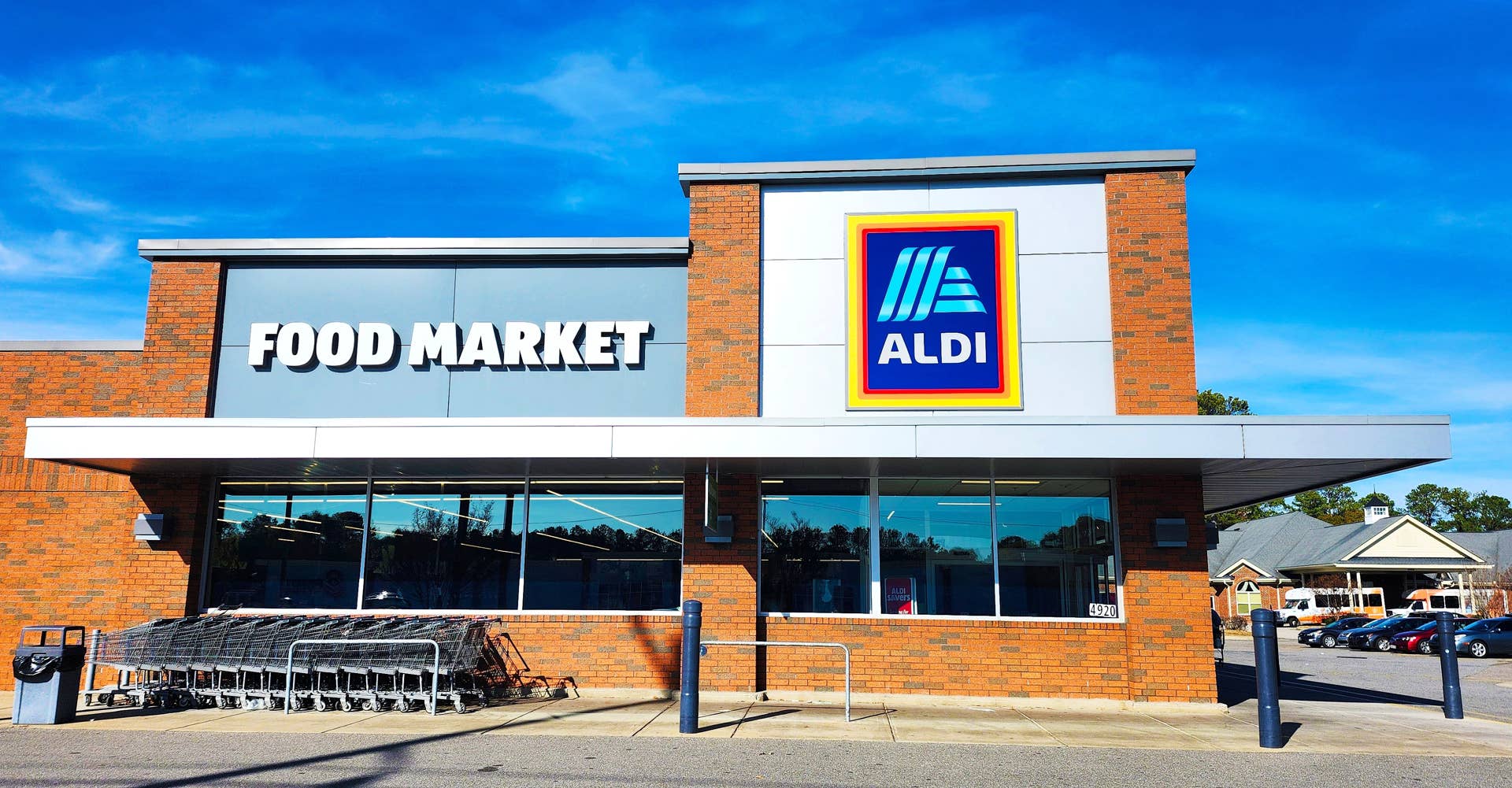
Finding affordable bedding that mimics the texture and temperature regulation of high-end linens often feels like an impossible compromise between quality and cost. Aldi bamboo sheets, frequently featured as a Special Buy or seasonal rotating item under twenty dollars, challenge this assumption by promising a silky hand-feel, eco-friendly textile sourcing, and advanced moisture-wicking capabilities at a fraction of department-store pricing. For budget-conscious consumers looking to upgrade their sleep environment without incurring significant expenses, understanding the material composition, daily performance, and practical limitations of these discounted textiles is essential to determining whether they deliver genuine value.
Understanding Bamboo Rayon and Viscose Textures in Discount Bedding
To evaluate budget-friendly bamboo bedding properly, consumers must first understand what the material actually represents in the textile marketplace. Pure bamboo fiber harvested directly and mechanically processed into linen is rare and exceptionally expensive. Instead, the vast majority of affordable bamboo sheets, including those sold through discount grocers like Aldi, are constructed from bamboo rayon or bamboo viscose. The manufacturing process involves dissolving the cellulose of bamboo pulp using chemical solvents, then extruding it into fine threads that are subsequently spun into yarn.
Despite the chemical processing required to convert rigid bamboo grass into a soft textile, the resulting fabric retains several distinctive characteristics that make it desirable for sleep surfaces. Bamboo-derived rayon features a microscopically smooth surface structure compared to traditional cotton, giving the fabric a pronounced drape and a cool-to-the-touch sensation. This slickness reduces friction against the skin and hair, minimizing sleep creases and mechanical tangling. When shopping at discount retailers, examining the packaging label for precise fiber content—such as 100% bamboo rayon or blended synthetic weaves—determines the actual breathability and tactile profile of the sheets.
Evaluating Aldi Special Buys: Availability and Purchasing Realities
Aldi operates on a unique retail model characterized by limited-time rotating inventories known as Aldi Finds or Special Buys. Unlike traditional big-box department stores or dedicated home goods outlets that maintain continuous stock across standard sizes like Twin, Full, Queen, and King, Aldi introduces household textiles in limited quantities on a seasonal or weekly drop schedule. Securing a set of these low-cost bamboo sheets requires vigilance, as local store allocations are finite, and popular neutral colorways—such as white, grey, light blue, and beige—frequently sell out within days of hitting the sales floor.
Because these items are not permanent fixtures of the grocery chain’s core inventory, consumers cannot rely on easy restocking or standardized color-matching if they wish to purchase coordinating pillowcases or spare fitted sheets later. Furthermore, the exact manufacturer, thread count equivalent, and textile weave can vary between production batches depending on which global supplier secures the seasonal contract. Shoppers must inspect the packaging thoroughly at the point of purchase to confirm the included components, pocket depth measurements for thicker mattresses, and wash-care instructions before committing to the transaction.
Performance Comparison: Budget Bamboo versus Traditional Cotton and Microfiber
When evaluating how sub-$20 bamboo sheets stack up against established alternatives in the marketplace, performance metrics typically center on thermal regulation, tactile comfort, and structural durability. Traditional cotton sheets offer structural integrity and familiar crispness, but standard budget cotton can feel scratchy and trap ambient body heat. Cheap polyester microfiber, while exceptionally inexpensive, lacks breathability, often trapping sweat and creating an uncomfortable, clammy microclimate during warmer months.
| Material Type | Price Point (Queen Set) | Breathability | Moisture Wicking | Tactile Feel | Durability |
|---|---|---|---|---|---|
| Aldi Bamboo Viscose | Under $20 | High | Superior | Silky, Cool | Moderate |
| Standard Cotton (Percale) | $30 – $70 | Moderate | Moderate | Crisp, Matte | High |
| Polyester Microfiber | $10 – $25 | Low | Poor | Soft, Clingy | Low |
| High-End Bamboo (100%) | $100 – $250 | High | Superior | Luxurious, Heavy | High-Moderate |
As illustrated in the comparison, discount bamboo viscose bridges a crucial gap by delivering the moisture-managing advantages of high-end plant-based textiles at a micro-budget price point. However, structural durability remains a trade-off. While premium bamboo linens reinforced with tight weaves last for years, budget rayon fibers feature lower tensile strength when wet, requiring careful adherence to manufacturer washing protocols to prevent premature thinning or seam splitting.
Practical Sleep Benefits: Temperature Regulation and Skin Sensitivity
For hot sleepers or individuals experiencing night sweats, switching to moisture-wicking bedding can fundamentally alter sleep quality. Bamboo-derived fibers possess a high absorption capacity that pulls perspiration away from the body efficiently, allowing it to evaporate rapidly into the surrounding air. This active humidity management helps stabilize core body temperature throughout the night, reducing sleep disruptions caused by overheating.
Beyond thermal comfort, the smooth texture of bamboo rayon provides tangible benefits for individuals with sensitive skin, eczema, or acne-prone complexions. Traditional coarse weaves can abrade inflamed skin and harbor trapped oils or dust mites within rough fiber crevices. The dense, smooth yarn structure of bamboo textiles reduces friction points against the face and body. Additionally, the rapid drying properties of the fabric discourage microbial proliferation, maintaining a cleaner sleep surface between routine laundering cycles.
Maintenance, Care Instructions, and Longevity Expectations
Maximizing the lifespan of budget bamboo sheets requires strict adherence to gentle laundering guidelines. Because bamboo rayon loses a portion of its tensile strength when saturated with water, aggressive machine agitation and high-heat drying can rapidly degrade the fabric, leading to pilling, thinning spots, or premature tearing along the fitted sheet elastic.
- Washing Protocol: Machine wash in cold or warm water on a gentle or delicate cycle using a mild, liquid detergent. Avoid chlorine bleach, fabric softeners, and optical brighteners, as harsh chemicals break down cellulose bonds and coat the fibers, ruining moisture-wicking capabilities.
- Drying Method: Line drying in the shade is ideal for preserving fiber integrity. If using a machine dryer, select a low-heat or air-fluff setting and remove the sheets promptly while slightly damp to minimize deep wrinkles.
- Storage Practices: Store clean sheets in a cool, dry, well-ventilated linen closet away from direct sunlight, which can yellow lighter shades and weaken natural-origin cellulose over time.
Adopting these maintenance habits extends the service life of sub-$20 bedding well beyond initial expectations, ensuring that budget-friendly purchases do not need frequent replacement due to improper laundry care.
Common Pitfalls and Limitations of Ultra-Cheap Bedding
While the appeal of luxury-feel bedding at a discount price is undeniable, consumers must approach these purchases with realistic expectations regarding manufacturing tolerances and long-term wear. One common issue with budget-tier bamboo rayon sheets is shallow pocket depth on fitted sheets. Modern mattresses frequently exceed twelve to fourteen inches in thickness, and lower-cost production runs sometimes skimp on corner pocket depth and elastic quality, resulting in fitted sheets that slip off mattress corners during the night.
Another limitation involves dimensional stability and shrinkage. Without preshrunk processing treatments common in premium home goods, budget rayon can experience minor shrinkage during the initial warm wash cycle. Furthermore, consumers must verify whether a sub-$20 set is constructed entirely from bamboo-derived fibers or if it represents a blended weave incorporating cheaper polyester fibers. While blends can increase durability, excessive synthetic content diminishes the cooling and moisture-wicking advantages that draw buyers to bamboo textiles in the first place.
How to Maximize Value When Shopping Seasonal Grocery Aisles
Navigating discount grocery chains for home textiles requires a strategic approach to ensure satisfaction and avoid buyer's remorse. Because return policies for seasonal non-food items can vary by location—often carrying strict time limits or requiring unopened packaging—shoppers should verify return guidelines at the customer service desk prior to purchase. Inspecting the plastic display packaging allows buyers to check the exact fabric composition percentage, thread count equivalent claims, and included piece counts, such as whether standard pillowcases are matched to the bed size.
Prioritizing neutral color palettes also enhances the long-term utility of budget bedding purchases. While seasonal patterns or bold colors may appeal initially, neutral tones integrate easily with existing duvet covers, throw blankets, and bedroom decor, ensuring the sheets remain functional even if aesthetic preferences shift. By combining careful label inspection, proper laundering discipline, and realistic expectations regarding material durability, budget-conscious consumers can successfully secure a comfortable, cooling sleep upgrade without overspending.
Frequently Asked Questions
Are Aldi bamboo sheets 100% bamboo?
Budget-priced bamboo sheets sold at discount grocers typically consist of bamboo-derived rayon or viscose, sometimes blended with microfiber or polyester to reduce manufacturing costs and increase structural durability. Consumers should check the mandatory fiber-content label on the packaging to verify the exact percentage of bamboo-derived material before purchasing.
Do bamboo sheets keep you cool at night?
Yes, bamboo-derived rayon and viscose feature microscopic gaps within the fiber structure that promote high breathability and superior moisture-wicking performance. These properties help dissipate body heat and evaporate perspiration rapidly, making them effective for hot sleepers and individuals prone to night sweats.
How should I wash cheap bamboo sheets to prevent damage?
Wash bamboo sheets in cold or lukewarm water on a gentle cycle using a mild liquid detergent. Avoid using chlorine bleach, fabric softeners, and high-heat tumble drying, as these harsh chemicals and elevated temperatures weaken the rayon fibers and diminish moisture-wicking efficiency.
Do Aldi bamboo sheets fit deep mattresses?
Pocket depths on budget seasonal bedding can vary significantly by production batch. While many modern sets accommodate standard mattresses up to twelve or fourteen inches deep, individuals with extra-thick pillowtop mattresses should check the packaging dimensions to ensure secure corner coverage before buying.
Why are Aldi bamboo sheets priced under $20?
Aldi achieves low retail pricing through high-volume global sourcing, streamlined supply chain logistics, and a rotating inventory model that eliminates long-term warehousing and mark-down expenses. These operational efficiencies allow them to offer specialty textiles at a fraction of traditional department store costs.
Strategic Upgrade Strategy for Budget Sleepers
To secure a genuine sleep upgrade without exceeding a strict budget, prioritize timing your visits to coincide with the initial rollout of seasonal home goods drops at your local Aldi. Inspect the packaging carefully to confirm exact fabric blends and pocket measurements that match your mattress dimensions. Upon purchase, commit to strict cold-water laundering and low-heat drying protocols to protect the delicate cellulose fibers, ensuring your sub-$20 investment delivers cool, comfortable rest for many seasons to come.