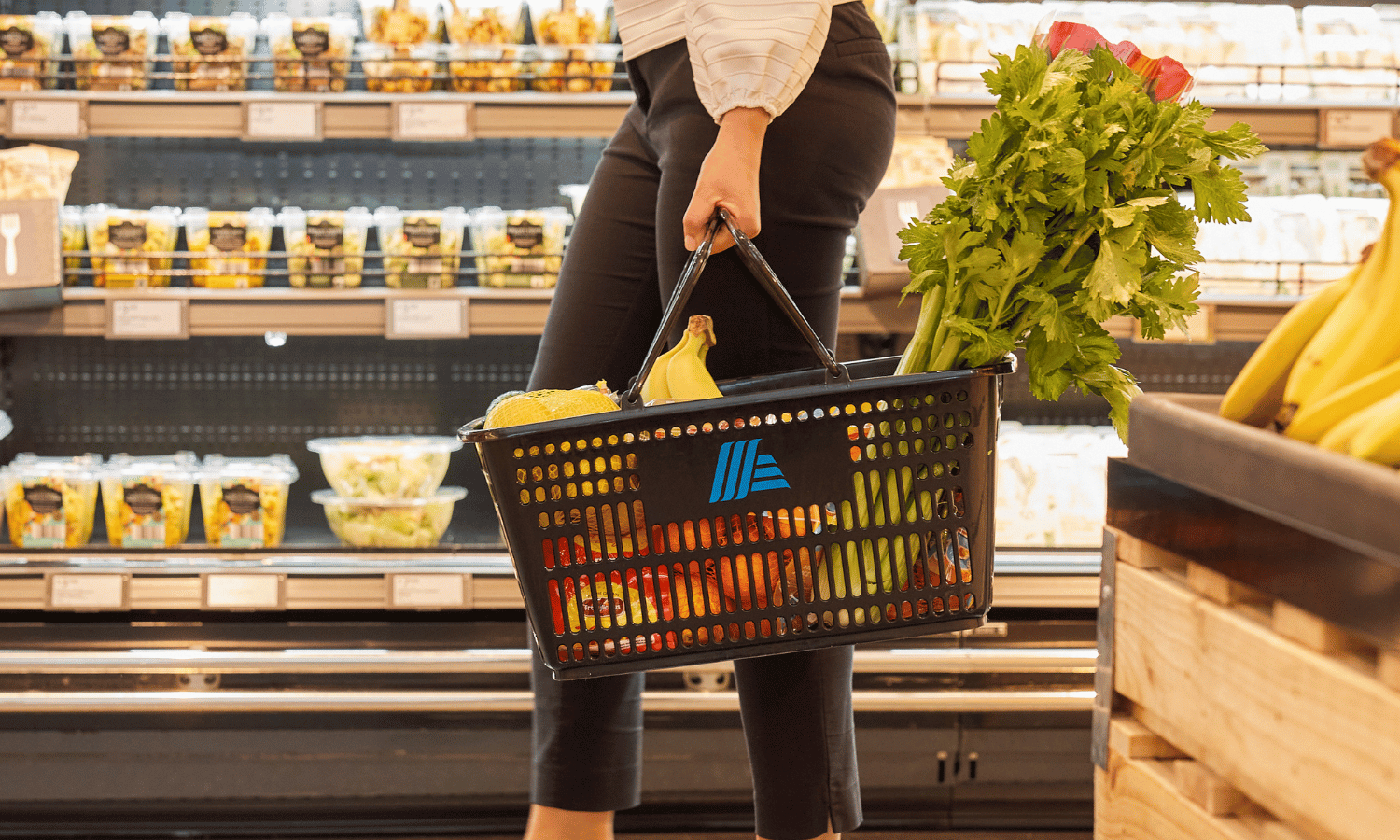
Smart shopping requires understanding how discount supermarkets structure their inventory, rotating weekly specials, and everyday low-cost staples to maximize household savings. Navigating Aldi B unbeatable deals and budget friendly finds involves mastering the operational rhythm of limited-assortment grocery retail, recognizing private-label quality equivalents, and leveraging seasonal clearance cycles to stretch purchasing power without compromising on quality.
Understanding the Aldi Business Model and Discount Retail Dynamics
The foundation of low-cost grocery retail rests on operational efficiency, private-label dominance, and a streamlined supply chain designed to minimize overhead expenses. Unlike traditional supermarkets that stock dozens of variations of a single product category—such as twenty different brands of tomato ketchup—discount grocers typically offer a single primary option, usually a high-quality store brand. This selective stocking model reduces inventory complexity, maximizes volume purchasing power, and allows retailers to negotiate lower wholesale prices, passing those savings directly to consumers.
Private-label products make up the vast majority of inventory in these stores. Far from being inferior alternatives, many store-brand items are manufactured by name-brand food processors and packaged under the retailer's private labels. Understanding this dynamic enables budget-conscious shoppers to bypass expensive brand-name markups. When evaluating budget friendly finds, shoppers must look past the unfamiliar packaging to assess ingredient lists and nutritional values, which frequently match or exceed their national-brand counterparts.
Furthermore, operational cost-saving measures directly influence the in-store shopping experience. Practices such as centralized warehousing, lean staffing models, coin-operated shopping cart deposits, and the requirement for customers to bring their own bags eliminate hidden operational overhead. Recognizing these structural realities helps shoppers appreciate why prices remain consistently low across staple categories, establishing a reliable baseline for household budgeting.
Decoding the Weekly Special Buys and Limited-Time Offers
Beyond everyday grocery staples, discount grocers draw significant consumer interest through rapidly rotating promotional inventories, often referred to as special buys or seasonal finds. These non-grocery categories span home organization goods, small kitchen appliances, gardening supplies, apparel, and specialized electronics. Because these items arrive in limited quantities and are rarely restocked once depleted, mastering their release schedule is essential for securing high-demand merchandise.
Promotional items typically launch on specific days of the week, varying by region and store format. Savvy shoppers track local advertisement circulars and digital previews to identify upcoming releases well in advance. When high-value items—such as cast-iron cookware, smart-home accessories, or outdoor furniture—appear on the sales floor, inventory turnover can happen within hours. Developing a strategic approach to these weekly drops prevents impulse buying while ensuring access to genuine bargains on durable goods.
| Category | Typical Savings Potential | Restock Frequency | Primary Purchasing Strategy |
|---|---|---|---|
| Everyday Grocery Staples | 20% to 40% vs. traditional supermarkets | Continuous / Daily | Buy in bulk for non-perishables; check unit pricing |
| Seasonal Special Buys | 30% to 50% vs. specialty retailers | Once per season (No restock) | Inspect quality immediately; purchase on launch day |
| Housebrand Electronics | 40% to 60% vs. major tech brands | Limited promotional runs | Review warranty terms and return policies carefully |
| Fresh Produce & Meat | 15% to 30% vs. conventional grocers | Bi-weekly cycles | Inspect package dates; consume or freeze quickly |
Evaluating Unit Pricing and Quality Control for Maximum Savings
Effective budget shopping requires moving beyond the sticker price to evaluate true value through unit pricing metrics—cost per ounce, per pound, or per individual count. Retailers generally display unit pricing on shelf tags, allowing shoppers to compare package sizes objectively. In many cases, larger packaging does not automatically equate to a lower unit cost. Analyzing these metrics prevents consumers from falling for deceptive packaging designs that create the illusion of bulk savings.
Quality control is another critical pillar of successful discount grocery shopping. While dry goods, canned items, and baking staples present virtually zero performance risk compared to name brands, fresh categories require careful inspection. Produce, fresh meat, and dairy inventories should be evaluated thoroughly for expiration dates, visual freshness, and packaging integrity. Understanding the store's return policy provides a crucial safety net when trying new private-label food items or non-grocery hardware for the first time, ensuring financial protection if a product fails to meet expectations.
Strategic Shopping Habits for Long-Term Grocery Budgeting
Sustaining long-term financial savings requires disciplined shopping routines and structural preparation before entering the store. Impulse purchasing represents the single greatest threat to a tightly managed household food budget. Establishing a structured meal plan for the week, taking a comprehensive inventory of existing pantry supplies, and adhering strictly to a pre-written shopping list neutralizes the psychological triggers engineered by retail displays.
Timing also plays a vital role in optimizing grocery expenditure. Visiting stores during off-peak hours allows for a more thorough examination of markdown shelves, where perishable items nearing their sell-by dates are heavily discounted. Combining these markdown opportunities with digital coupon apps, cashback rewards programs, and payment methods that offer category-specific grocery rewards compounds financial savings over time.
Frequently Asked Questions
Are store-brand grocery items lower in quality than national brands?
Store-brand grocery items are generally comparable in quality to national brands, and many are produced by the exact same major manufacturers. Discount grocers maintain strict quality standards while saving money on marketing and advertising, passing those production savings directly to the consumer.
Why do special promotional items disappear so quickly from store shelves?
Special promotional items operate on a limited-inventory model with no guaranteed restock once the initial shipment sells out. Retailers allocate limited floor space to rotate diverse seasonal merchandise rapidly, creating high urgency and fast turnover for popular goods.
How can I verify if a bulk purchase actually saves money?
Verify bulk savings by examining the shelf tag for the unit price, which breaks down the cost per ounce, pound, or count. If the unit price of the larger package is lower than the smaller alternative and the household can consume the item before spoilage, the bulk purchase represents genuine value.
What is the best strategy for returning defective non-grocery special buys?
Keep the original receipt and packaging intact, and review the specific return window designated for non-grocery promotional merchandise. Most discount grocers offer straightforward refund or exchange policies for defective items within a standard thirty-day timeframe.
Do discount supermarkets accept manufacturer coupons?
Most strict discount grocers do not accept traditional manufacturer coupons because their everyday pricing model is already optimized to be lower than competitors offering coupon discounts. Instead, they rely on consistently low shelf pricing across all departments.
Optimizing Household Expenses Through Disciplined Retail Strategies
Achieving long-term financial stability in household provisioning requires treating grocery shopping and retail purchasing as a disciplined operational process. By maintaining strict adherence to pre-planned shopping lists, evaluating products through objective unit pricing, and understanding the distinct inventory cycles of everyday staples versus limited-release special buys, consumers can successfully secure high-value merchandise while protecting their monthly budgets.