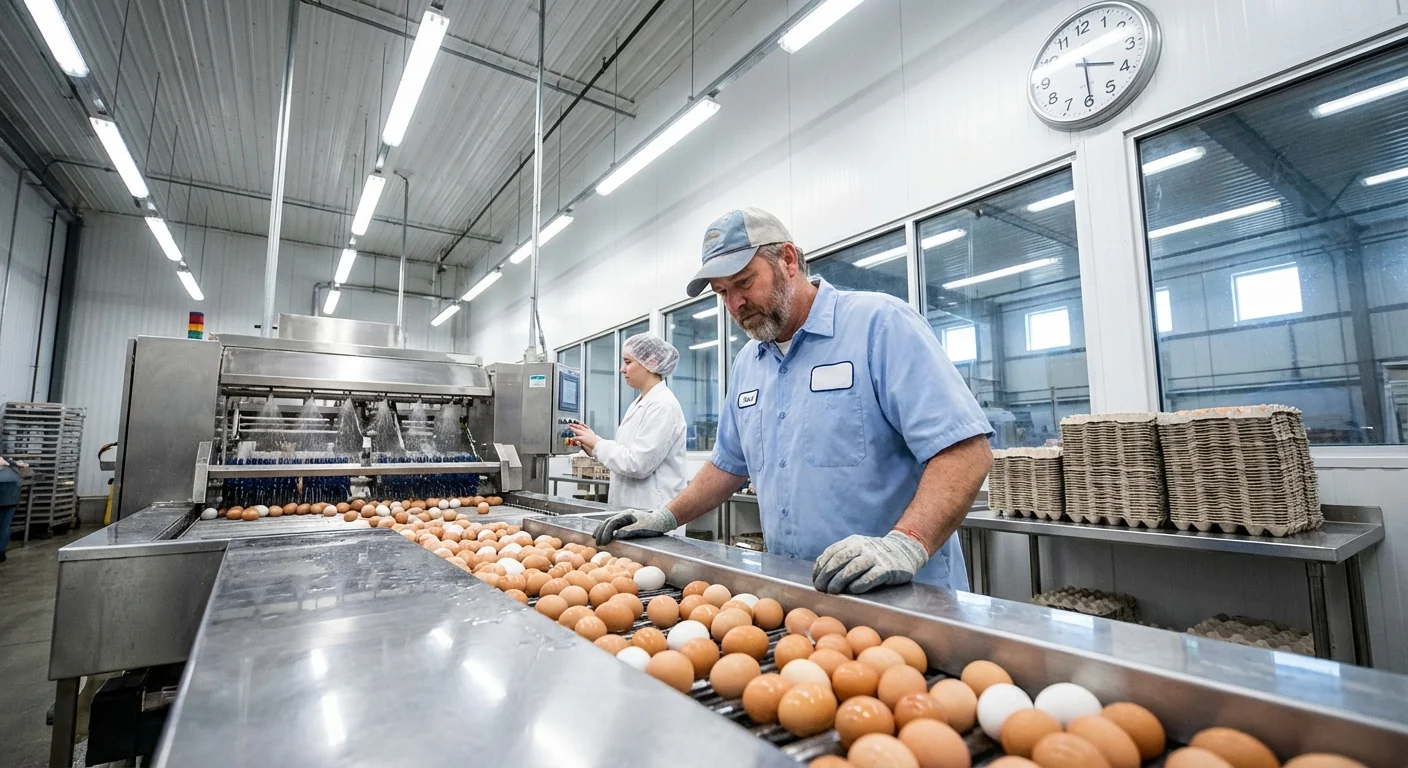
Food safety alerts require immediate attention from consumers, retailers, and public health officials alike. When a recall involves a staple household item like eggs, navigating the shifting landscape of public notices, safety guidelines, and product identification details becomes essential for protecting public health and preventing foodborne illness.
Context and Scope of the Alderfer Eggs Recall
Food safety recalls involving shell eggs typically originate from routine surveillance programs conducted by state departments of agriculture or federal agencies such as the U.S. Food and Drug Administration (FDA) or the U.S. Department of Agriculture (USDA). These investigations often detect the presence of pathogenic bacteria, most notably Salmonella, which can contaminate poultry flocks and subsequently the exterior or interior of eggs. When an operation like Alderfer Poultry Farm or associated packaging facilities faces a recall event, the primary objective is to isolate the affected lots, notify supply chain partners, and alert the consuming public to prevent exposure.
Understanding the scope of any food recall requires looking closely at specific product identifiers. Recalls are rarely absolute across an entire brand's portfolio; instead, they target specific production dates, plant codes, lot numbers, and packaging sizes. This targeted approach prevents unnecessary panic and economic waste while focusing safety efforts exclusively on the items that pose a verified risk. Consumers investigating an egg recall must look past the brand name on the carton and examine the stamped codes that indicate when and where the eggs were graded and packed.
Identifying Affected Products Versus Safe Inventory
Distinguishing between recalled products and safe inventory requires careful inspection of product packaging. Egg cartons typically feature several pieces of information designed to ensure traceability from the farm to the retail shelf. These markers include the packing date (often expressed as a Julian date, which is a three-digit number from 1 to 365), the plant code (frequently starting with a specific state abbreviation or the letters P followed by a number), and sell-by or expiration dates.
During an active recall notice, regulatory agencies provide exact parameters that define which cartons are implicated. Cartons that fall outside these specific production dates or plant identifiers are not part of the recall and remain safe for consumption, provided they have been handled and stored correctly. Retailers are legally obligated to remove recalled merchandise from their shelves immediately, but consumers should always double-check their refrigerators if they purchased eggs from affected brands or stores during the relevant distribution window.
| Product Characteristic | Recalled Inventory Indicators | Unaffected Inventory Indicators |
|---|---|---|
| Plant Code | Matches specific recalled facility identifiers on file with regulatory authorities. | Originates from separate, unaffected grading stations or packing facilities. |
| Production / Julian Date | Falls squarely within the specific window of time identified in the official recall notice. | Predates or postdates the narrow window of potential contamination. |
| Store Placement | Purchased from distribution centers or retail outlets serviced during the affected window. | Purchased outside the geographic distribution scope or after the recall clearance. |
| Visual Appearance | Standard appearance (microbiological contamination like Salmonella does not alter appearance). | Standard appearance (freshness indicators do not guarantee pathogen absence). |
Handling, Safety, and Preventing Foodborne Illness
Regardless of whether a specific carton is subject to a recall, standard food safety practices for handling shell eggs remain a cornerstone of kitchen hygiene. Pathogens such as Salmonella enteritidis can colonize the reproductive organs of laying hens or penetrate eggshells through cracks or moisture. Consequently, how eggs are stored, prepared, and served plays a definitive role in mitigating health risks.
Refrigeration is a primary defense mechanism against bacterial proliferation. Shell eggs must be kept at or below 40°F (4°C) from the moment they are purchased until they are ready to be cooked. Leaving eggs at room temperature for extended periods allows any ambient bacteria present on or inside the shell to multiply rapidly. Furthermore, cross-contamination in the kitchen poses a significant risk. Utensils, cutting boards, countertops, and hands that come into contact with raw eggshells or liquid whites and yolks must be washed thoroughly with hot, soapy water immediately after use.
Cooking eggs thoroughly until both the white and the yolk are firm eliminates harmful bacteria. Recipes that call for raw or lightly cooked eggs—such as homemade mayonnaise, hollandaise sauce, Caesar salad dressing, or soft-boiled eggs with runny yolks—carry a higher risk of foodborne illness if contaminated eggs are used. For vulnerable populations, including pregnant individuals, infants, young children, the elderly, and immunocompromised persons, consuming fully cooked egg dishes is strongly advised.
What Has Not Changed in Egg Safety Protocols
While individual recall events make headlines and prompt temporary adjustments in grocery aisles, the foundational framework governing egg production and safety standards remains constant. The regulatory oversight provided by agencies like the FDA and USDA enforces strict biosecurity measures on commercial egg farms. These measures include regular testing of pullet environments, rodent and pest control programs, cleaning and sanitizing procedures for housing facilities, and mandatory temperature controls during transport and storage.
Furthermore, the basic biology of eggs and the nature of bacterial contamination have not changed. The implementation of the FDA Egg Safety Rule continues to require producers with significant flock sizes to execute rigorous preventive controls specifically targeting Salmonella. These enduring protocols ensure that the vast majority of eggs reaching the consumer market meet high standards of safety, and that isolated contamination events are caught, contained, and communicated through established regulatory channels.
Steps to Take If You Have Recalled Eggs
1. Check Your Refrigerator
Locate any egg cartons in your home and examine the printing on the lid or side of the carton. Look for the plant number, brand name, and packing date or expiration date to cross-reference against official recall notices issued by regulatory authorities.
2. Do Not Consume or Taste
Never eat eggs that have been officially recalled, and do not use them in baking or cooking. Even thorough cooking may not completely eliminate risk if cross-contamination has occurred in your kitchen environment.
3. Choose Your Remedy
Decide whether to return the affected carton to the place of purchase for a full refund or safely discard it. If you choose to discard them, place the eggs in a sealed bag or container before putting them in a secure trash receptacle to prevent access by pets or wildlife.
4. Sanitize Contact Surfaces
Wash any refrigerator shelves, drawers, countertops, utensils, and hands that came into contact with the recalled eggs using hot water and dish soap, followed by a sanitizing solution if desired.
Frequently Asked Questions
What are the symptoms of Salmonella infection from eggs?
Symptoms typically include diarrhea, fever, and abdominal cramps developing anywhere from six hours to six days after consuming contaminated food. Most healthy individuals recover without specific treatment within a week, but severe infections can require hospitalization.
Can I wash recalled eggs to make them safe to eat?
No. Washing shell eggs at home is discouraged because it can actually increase the risk of contamination. Water can be drawn through the porous eggshell, pushing bacteria from the exterior surface into the interior of the egg.
How do regulatory agencies trace contaminated eggs back to a specific farm?
Agencies utilize supply chain records, lot numbers, distributor manifests, and traceback investigations. When foodborne illness outbreaks occur, public health officials interview patients about their consumption history to identify common dietary exposures.
Are pasteurized eggs affected by standard shell egg recalls?
Pasteurized shell eggs and egg products undergo a heating process designed to destroy pathogens without cooking the egg itself. Unless specifically named in a separate processing recall, pasteurized products are generally subject to different safety thresholds.
What should retailers do when an egg recall is announced?
Retailers must immediately pull all affected product lots from their display shelves and storage areas. They are also required to display recall notices in stores or provide information to customers who may have purchased the affected items during the distribution window.
Taking Action and Staying Informed
Navigating food safety alerts requires vigilance and reliance on verified information rather than speculation. When recalls occur, consumers should consult official updates published by the U.S. Food and Drug Administration or state departments of agriculture to verify specific lot numbers and expiration dates. By maintaining proper kitchen hygiene, adhering to safe storage temperatures, and staying informed about active distribution notices, households can effectively manage food safety risks while continuing to incorporate nutritious foods into their diets.