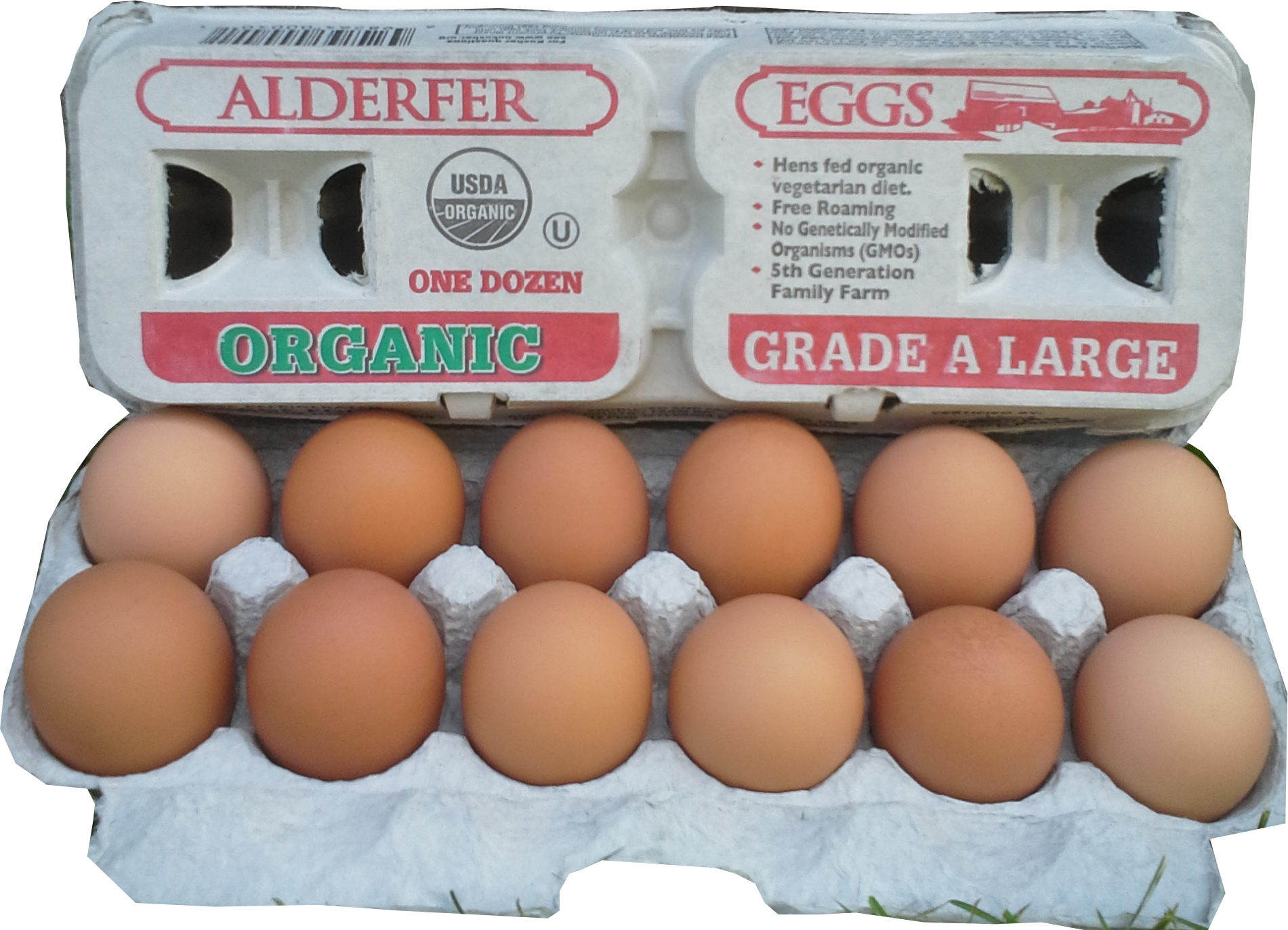
Alderfer eggs are a notable regional poultry product associated with traditional farming and localized food distribution networks, representing a segment of the market that prioritizes farm-fresh sourcing, grading standards, and agricultural heritage.
Consumers and culinary professionals often encounter regional egg brands like Alderfer when seeking alternatives to mass-produced commercial commodities. Evaluating these eggs involves understanding grading standards, packaging variations, farming practices, and how local supply chains differ from nationwide industrial production. Navigating these factors helps buyers assess freshness, nutritional profiles, and the overall value of regionally sourced poultry products.
The Origins and Agricultural Background of Alderfer Poultry
Regional egg production relies heavily on established agricultural networks that connect independent poultry farms with local distribution channels. Understanding the background of regional egg suppliers requires looking at how farm-fresh goods transition from production facilities to retail shelves without undergoing the extensive transit times typical of national conglomerates.
Poultry operations that supply regional markets typically manage flock health, feed composition, and daily collection cycles under strict state and federal agricultural guidelines. These operations focus on maintaining consistent output while adhering to animal welfare standards and biosecurity protocols. By keeping supply chains geographically compact, regional producers can minimize the time between harvesting and retail distribution, which directly influences the physical integrity of the albumen and yolk.
Grading, Inspection, and Quality Standards
All commercial egg production in the United States, including regional brands, is subject to oversight by agricultural authorities to ensure safety and consumer protection. Eggs are sorted according to exterior shell quality and interior compositional attributes.
Quality assessment involves candling—a process where a bright light is shone through the egg to reveal internal defects, air cell size, and yolk mobility. Exterior examination checks for shell cleanliness, structural integrity, and absence of cracks.
- Grade AA: The highest standard, featuring a firm thick white, a round and high yolk, and a clean, unbroken shell.
- Grade A: Possesses a reasonably firm white and a high yolk, suitable for most general culinary applications.
- Grade B: Typically diverted to liquid, frozen, or dried egg products rather than retail shell sales due to thinner whites or minor shell irregularities.
Sizing categories—ranging from Peewee to Jumbo—are determined by minimum net weight per dozen rather than the size of the individual egg. Regional distributors package these grades according to standard retail requirements, ensuring that consumers receive uniform quantities regardless of farm origin.
Nutritional Profile and Culinary Applications
From a compositional standpoint, shell eggs provide a dense source of high-quality protein, essential amino acids, and micronutrients such as choline, vitamin D, and selenium. The nutritional value of an egg is primarily influenced by the hen's diet rather than its geographic brand or regional packing facility, though specialized feeds can alter specific fatty acid profiles.
In the kitchen, the freshness of an egg dictates its performance across various preparation methods. Eggs with a tight, viscous albumen and a firm, centered yolk—characteristics heavily preserved in short-supply-chain distribution models—are optimal for poaching, frying, and culinary presentations where structural integrity matters.
| Culinary Property | Fresh Eggs (Short Supply Chain) | Extended Distribution Eggs |
|---|---|---|
| Air Cell Size | Small (shallow depth) | Larger due to moisture evaporation |
| Albumen Consistency | Thick, dense, and viscous | Thinner, more fluid and spread out |
| Yolk Position | Centered and spherical | Flatter, moves more easily toward shell |
| Peeling After Hard Boiling | More adherent, challenging to peel cleanly | Easier to peel due to larger air cell |
Evaluating Regional Versus Industrial Egg Production
Choosing between regional egg brands and industrial commodities involves examining trade-offs in logistics, pricing, traceability, and environmental footprint. Industrial egg production utilizes massive, automated facilities housing hundreds of thousands of birds, enabling economies of scale that result in lower retail price points. However, these supply chains often require extended holding times and multi-state transport before reaching the final consumer.
Regional producers operate on a smaller scale, which often translates to shorter transit routes and closer relationships with local grocers, farm stands, and food service operators. This proximity can enhance transparency regarding farming methods and feed sources. On the other hand, regional availability can fluctuate based on seasonal laying cycles, flock turnover, and local agricultural conditions, occasionally leading to supply inconsistencies that large commercial packers rarely face.
Common Storage, Handling, and Safety Practices
Proper handling is critical for maintaining egg quality and preventing foodborne illnesses such as Salmonella enteritidis. Regulatory agencies mandate that eggs be washed and sanitized during processing to remove organic debris from the shell, a process that removes the natural protective cuticle (bloom). To compensate for this removal and prevent microbial migration through the porous shell, eggs must be kept refrigerated at or below 45°F (7°C) from the processing plant through retail distribution and home storage.
- Store eggs in their original carton on an internal refrigerator shelf rather than the door, where temperature fluctuations are frequent.
- Keep eggs away from pungent foods, as the porous nature of the shells allows them to absorb strong odors and flavors.
- Inspect cartons at the point of purchase to ensure no shells are cracked or leaking, which introduces contamination risks.
- Observe printed expiration or pack dates, utilizing older stock first while recognizing that properly refrigerated eggs often remain safe and functional past the sell-by date.
Frequently Asked Questions About Regional Eggs
How can you determine if an egg is fresh?
Freshness can be evaluated using the float test, examining the albumen consistency upon cracking, or checking the pack date on the carton. A truly fresh egg sinks to the bottom of a bowl of water and rests horizontally due to a small internal air cell, whereas older eggs float because moisture loss creates a larger air pocket inside the shell.
Do regional eggs taste different from standard grocery store eggs?
Taste is primarily determined by the diet and health of the laying hens rather than the geographic brand name. Hens fed specialized diets containing forage, marigold petals, or flax may produce yolks with slightly richer flavor profiles or deeper coloration, regardless of whether the brand is regional or national.
Are regional eggs always organic or cage-free?
Regional branding refers to the localized scale of distribution and sourcing rather than a specific farming method. Consumers must read the specific labeling on the carton—such as "certified organic," "cage-free," or "pasture-raised"—to determine the housing and feeding standards utilized by the producing farm.
Why do some egg whites appear cloudy?
Cloudy egg whites are an indicator of high freshness rather than spoilage. The cloudiness is caused by high concentrations of carbon dioxide present in the egg when it is laid; as the egg ages, the carbon dioxide dissipates through the shell, and the albumen becomes more transparent.
Can eggs be frozen for long-term storage?
Shell eggs cannot be frozen whole because the expanding liquid inside will rupture the shell. However, eggs can be frozen successfully if they are cracked, the whites and yolks are thoroughly mixed (with a pinch of salt or sugar added to prevent yolk gelation), and they are stored in airtight freezer-safe containers.
Practical Guidance for Sourcing and Selection
When selecting regional poultry products, consumers should examine carton labeling closely to verify processing dates, grading stamps, and specific farming claims. Purchasing from local farm markets or retailers committed to regional sourcing ensures shorter supply chains and fresher inventory. Always verify that cartons are clean, free of condensation or structural damage, and refrigerated properly to maintain both culinary quality and food safety standards.