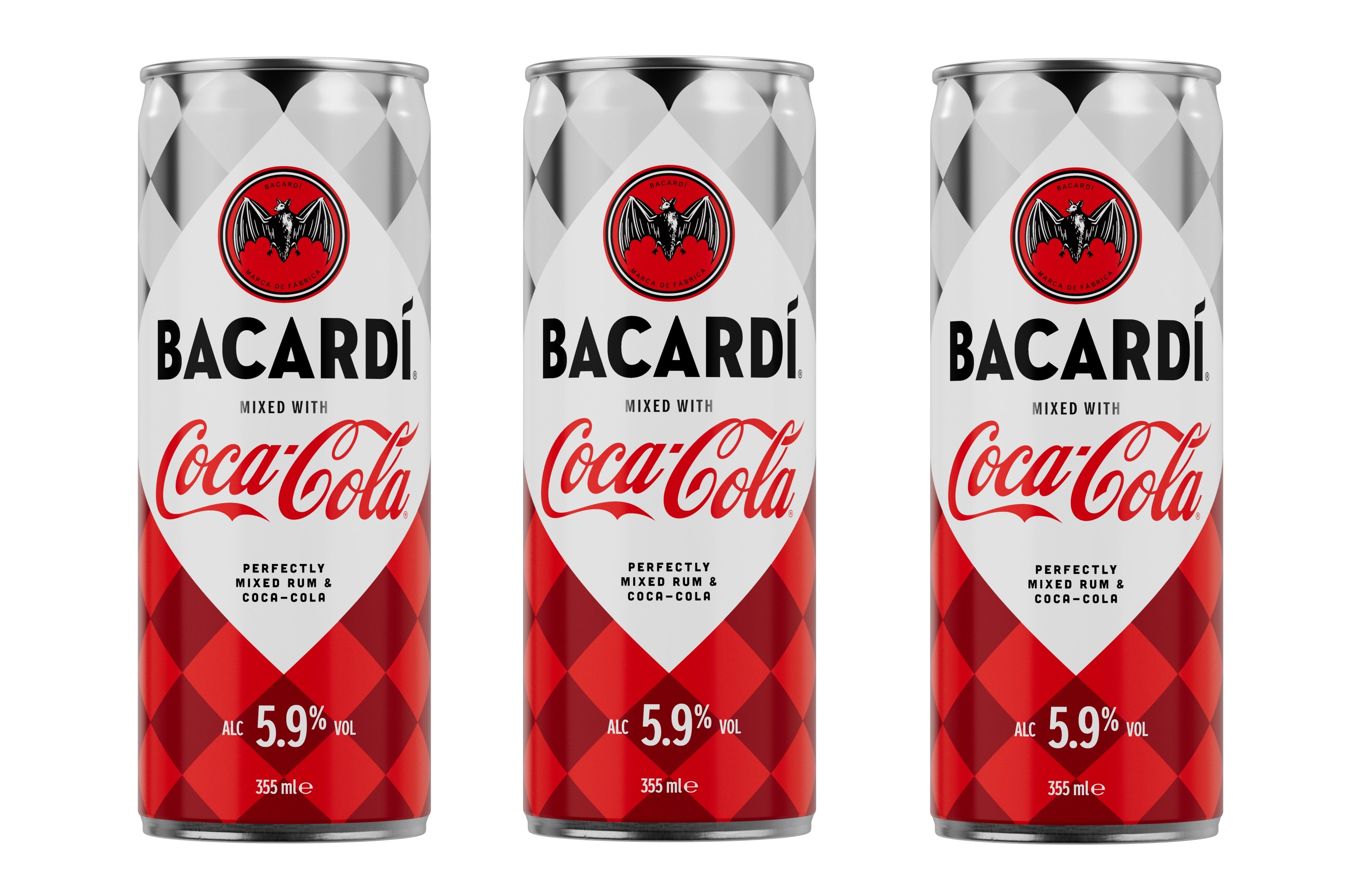
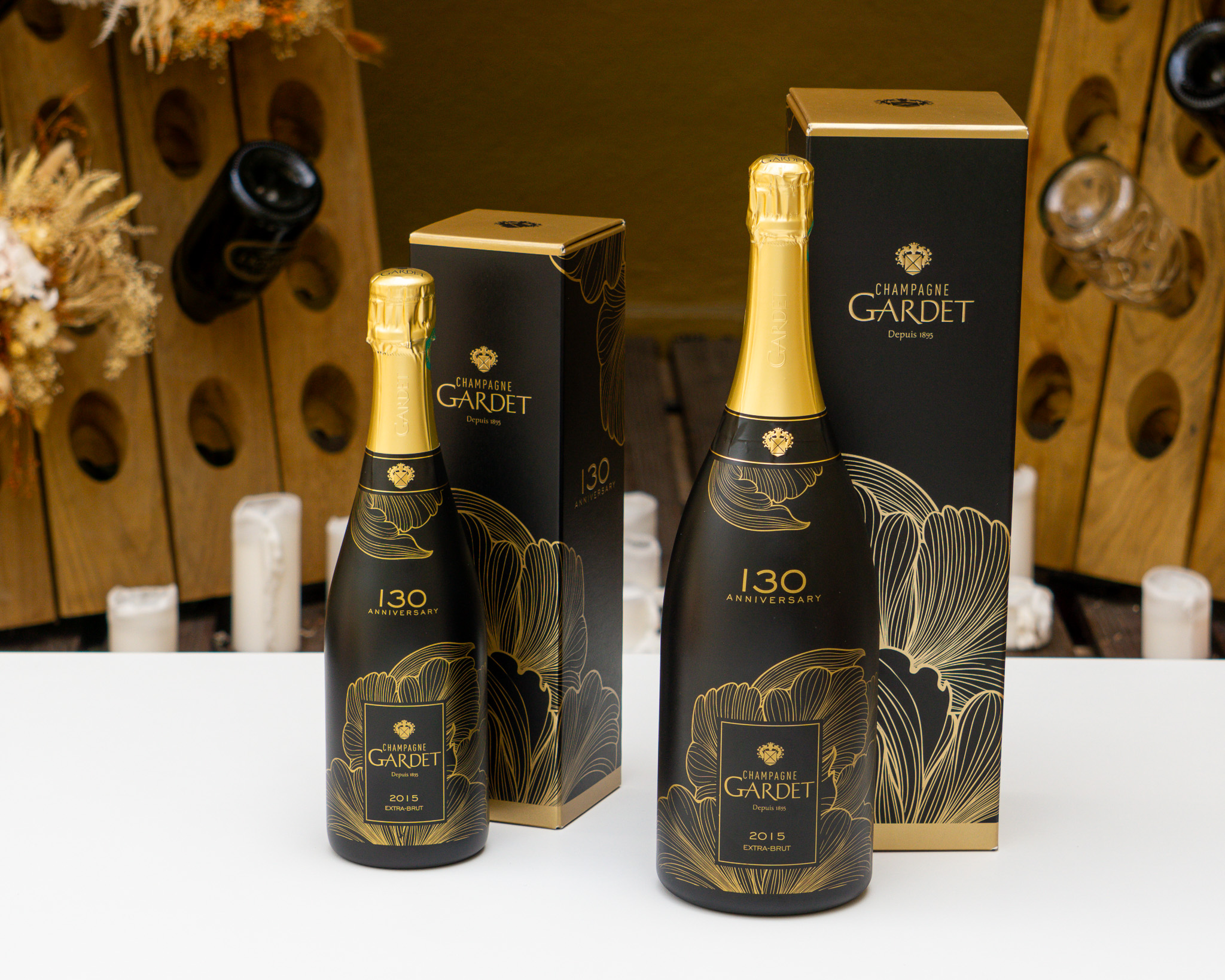
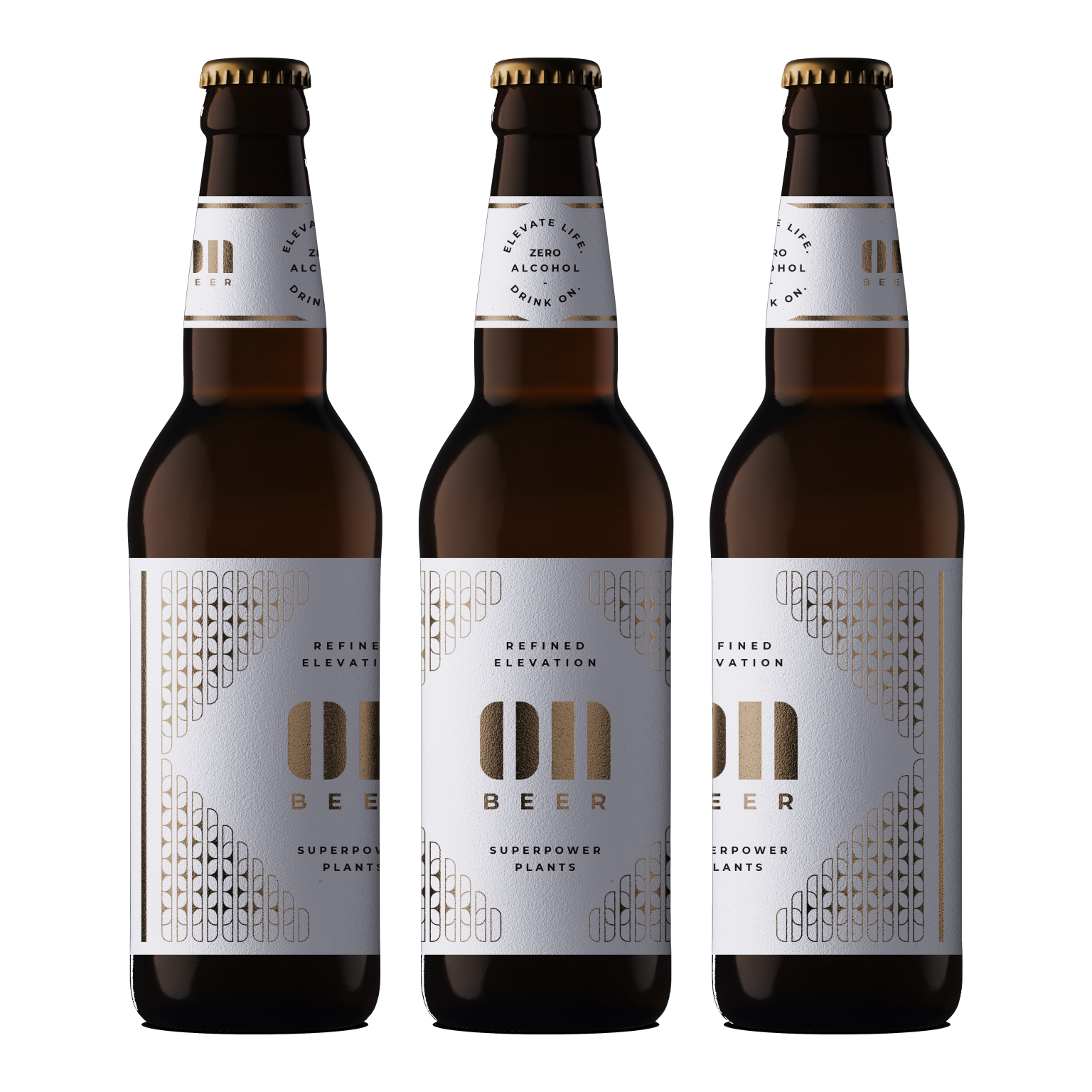
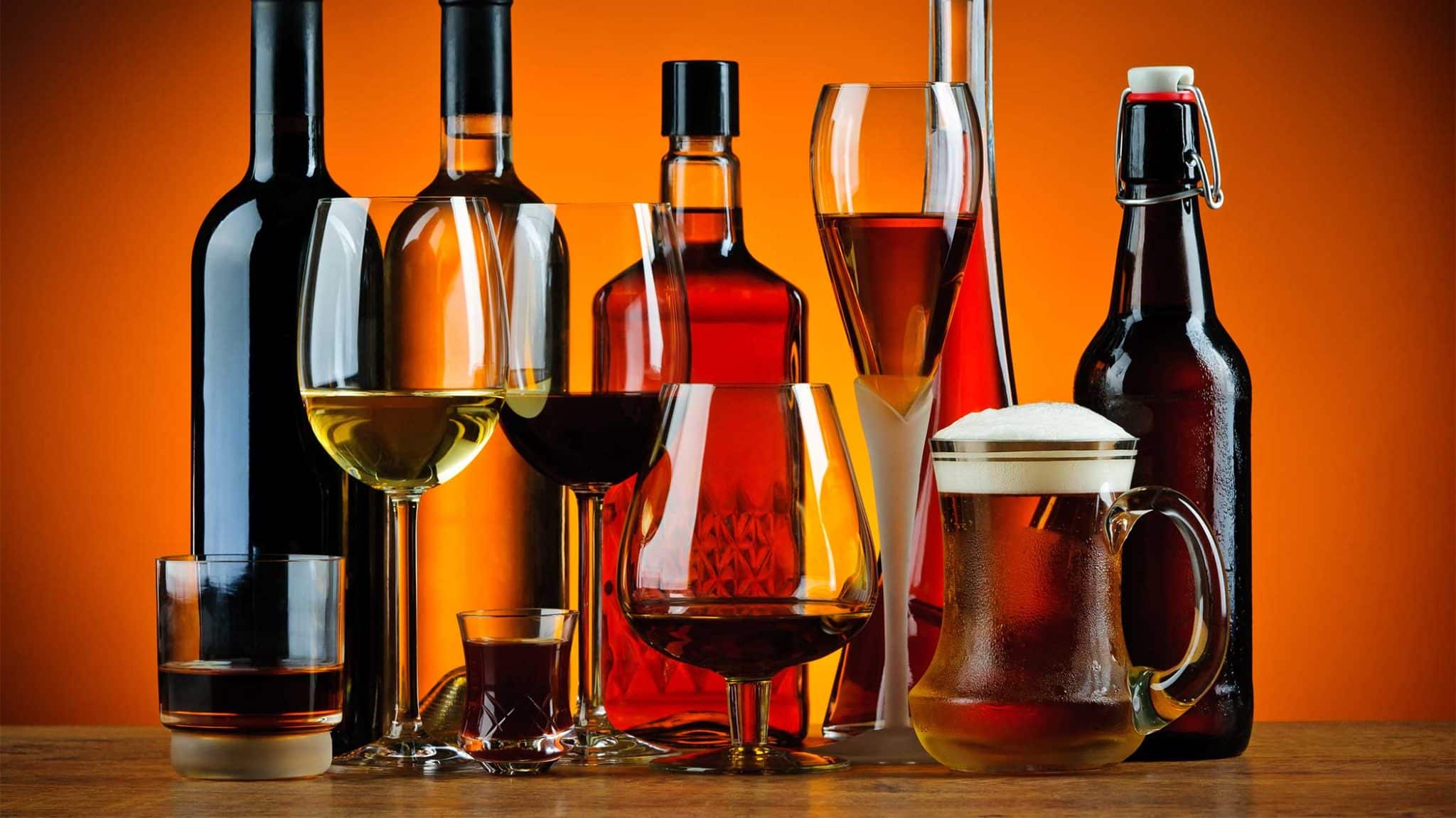
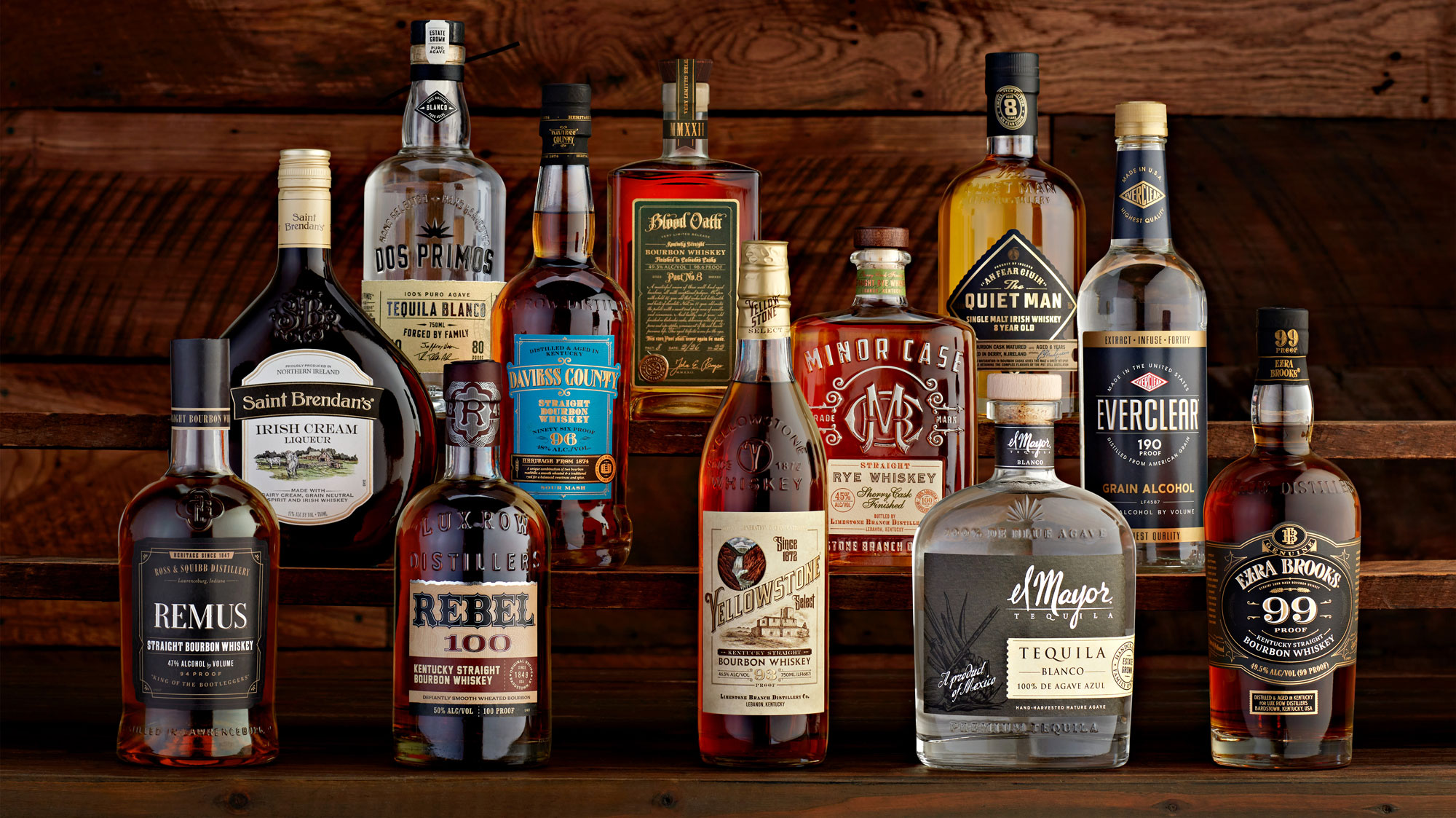
Alcohol products encompass a diverse range of beverages produced through fermentation and distillation, categorized by their processing methods, alcohol content, and regulatory frameworks. Navigating this marketplace requires understanding production classifications, labeling standards, legal requirements, and public health guidelines that govern their commercial distribution and consumption.
The commercial landscape of alcohol products is defined by strict federal and international regulations, distinct production methodologies, and complex tax structures. Whether examining beer, wine, or distilled spirits, industry standards dictate everything from raw ingredient sourcing and labeling accuracy to distribution licensing and age-verification protocols.
Defining Categories of Alcohol Products
Alcoholic beverages are broadly divided into three main categories based on how they are manufactured: fermented beverages, distilled spirits, and fortified or blended products. Fermentation involves the action of yeast on sugars derived from grains, fruits, or other carbohydrate sources, yielding lower alcohol concentrations typically ranging from 3% to 15% ABV (Alcohol by Volume). Beer and wine represent the most prominent examples within this group.
Distilled spirits, or hard liquor, undergo an additional process where fermented mash is heated to separate alcohol from water and impurities through vaporization and condensation. This process significantly concentrates the alcohol content, commonly producing liquids with an ABV of 20% to 50% or higher. Products such as whiskey, vodka, rum, tequila, and gin fall under this classification.
| Category | Primary Production Method | Typical ABV Range | Common Examples |
|---|---|---|---|
| Beer | Fermentation of malted grains (barley, wheat) | 4% – 9% | Ales, lagers, stouts |
| Wine | Fermentation of fruit juice (primarily grapes) | 10% – 15% | Red, white, sparkling wine |
| Spirits | Fermentation followed by distillation | 35% – 50%+ | Whiskey, vodka, gin, rum |
| Fortified Wine | Fermentation supplemented with distilled spirits | 17% – 22% | Port, sherry, vermouth |
Understanding these mechanical differences is essential for regulatory compliance, taxation, and consumer safety. Each category adheres to distinct standards of identity established by government bodies to prevent adulteration and ensure product authenticity.
Regulatory Frameworks and Legal Standards
The production, labeling, and sale of alcohol products are subject to rigorous oversight by governmental agencies designed to protect public health, ensure fair trade, and collect federal and local excise taxes. In the United States, the Alcohol and Tobacco Tax and Trade Bureau (TTB), operating under the Department of the Treasury, regulates the labeling and formulation of alcohol products, while the Food and Drug Administration (FDA) retains jurisdiction over certain aspects of ingredient safety.
Compliance protocols mandate that product labels display precise information, including the brand name, class and type designation, net contents, alcohol content expressed as a percentage of volume, and mandatory health warning statements. Furthermore, the 28th Amendment of the U.S. Constitution granted individual states the authority to regulate the distribution and sale of alcohol within their borders, resulting in a complex patchwork of state-level liquor control boards, tier systems (distributor, wholesaler, retailer), and operating hours.
International markets operate under parallel frameworks, such as the European Union’s Geographical Indications (GIs) which protect regional specialties like Champagne, Cognac, and Scotch whisky. These legal instruments ensure that products labeled with specific geographic origins meet strict localized production techniques and raw material sourcing requirements.
Manufacturing Processes and Quality Control
The journey of alcohol products from raw agricultural inputs to finished consumer goods involves precise biochemical engineering and stringent quality control measures. For beer production, the process begins with malting—steeping and germinating grains—followed by mashing, boiling with hops, and fermenting with specialized yeast strains. Each variable, from water mineral content to fermentation temperature, directly alters the final flavor profile and clarity of the beverage.
Distillation requires careful distillation cuts—separating the heads, hearts, and tails—to eliminate undesirable compounds like methanol and excess congeners while retaining desired aromatic esters and ethanol. Many high-end spirits undergo aging in charred oak barrels, where chemical interactions between the wood and the distillate impart color, tannins, and complex vanilla or caramel notes over months or years.
Quality control laboratories within manufacturing facilities routinely test for:
- Alcohol concentration accuracy via densitometry or gas chromatography
- Microbial contamination and wild yeast intrusion
- Heavy metals and chemical residues from agricultural inputs
- Dissolved oxygen levels that can impact product stability and shelf life
Public Health Guidelines and Responsible Consumption
Consuming alcohol products carries inherent physiological risks, making public health guidance a critical component of consumer education. Alcohol is a central nervous system depressant that affects judgment, motor skills, and cognitive function. Chronic or excessive consumption is linked to liver disease, cardiovascular complications, and increased risks of certain cancers.
Health authorities, such as the World Health Organization (WHO) and national dietary guidelines, emphasize moderation and outline specific low-risk drinking parameters. For example, advisory frameworks often define standard drinks based on pure alcohol content—typically 14 grams of pure ethanol, which equates to roughly 12 ounces of regular beer, 5 ounces of wine, or 1.5 ounces of distilled spirits.
Pregnant individuals, people operating machinery, and individuals taking specific medications are universally advised to abstain from alcohol consumption entirely. Retailers and hospitality providers are similarly bound by training programs, such as ServSafe or TIPS, to recognize signs of intoxication and prevent over-service.
Economic Impact and Market Trends
The global market for alcohol products represents a massive economic sector encompassing agriculture, manufacturing, logistics, hospitality, and tourism. Supply chains connect vast farming operations—such as barley growers, agave farmers, and vineyard owners—with industrial-scale processing plants and independent craft producers.
Recent industry trends show shifting consumer preferences toward premiumization, where buyers purchase smaller quantities of higher-quality, artisanal, or ethically sourced products. Additionally, the non-alcoholic and low-ABV (no-low) beverage segment has experienced substantial growth, driven by consumer demand for healthier lifestyle options without sacrificing social drinking rituals. Producers are responding by utilizing advanced vacuum distillation and reverse osmosis techniques to remove alcohol from traditional beer, wine, and spirit bases while retaining authentic flavor profiles.
Frequently Asked Questions
What constitutes a standard drink size across different alcohol products?
A standard drink contains roughly 14 grams of pure ethanol. Due to varying ABV levels, this equals 12 ounces of beer at 5% ABV, 5 ounces of wine at 12% ABV, or 1.5 ounces of distilled spirits at 40% ABV. These measurements are used in public health guidelines to track consumption levels accurately.
How do government agencies regulate alcohol product labels?
Regulatory bodies like the TTB require specific disclosures on all commercial containers. Labels must feature the brand name, product class, net volume, health warning statements, and the exact alcohol percentage by volume to ensure complete transparency for consumers.
What is the difference between a fermented and a distilled beverage?
Fermented beverages like beer and wine are produced solely through yeast fermentation of sugars, capping their natural ABV potential. Distilled spirits undergo a secondary heating and condensation process to concentrate the alcohol content significantly above typical fermentation thresholds.
Why do certain alcohol products require aging in wooden barrels?
Spirits like whiskey, rum, and aged tequila are aged in wooden barrels—often oak—to allow the liquid to interact with wood compounds. This process mellows harsh chemical notes, imparts color, and introduces complex flavors such as vanilla, spice, and wood tannins over time.
Are non-alcoholic beverages completely free of alcohol?
Many beverages marketed as non-alcoholic or alcohol-free may still contain trace amounts of alcohol, often up to 0.5% ABV, which is naturally occurring or left over from reduced-fermentation processes. Consumers should check specific product labels if strict zero-alcohol consumption is required for medical or personal reasons.
Responsible Sourcing and Selection
When selecting alcohol products for personal consumption, retail inventory, or hospitality curation, prioritize licensed vendors, verified producers, and products that clearly display compliance and manufacturing details. Examine labels for batch numbers, origin certifications, and explicit ABV percentages to ensure product safety and authenticity. Always adhere to local legal purchase ages and consume responsibly within established health guidelines.