Alcohol prevalence measures the proportion of a specific population that consumes alcohol over a defined timeframe, serving as a vital epidemiological metric for tracking drinking behaviors, heavy episodic consumption, and substance use disorders across different demographics.
Defining Alcohol Prevalence and Epidemiological Metrics
Alcohol prevalence refers to the statistical measure of how widely alcohol consumption is distributed within a given population during a specific timeframe. Public health agencies, researchers, and policymakers rely on this metric to gauge the scale of alcohol consumption, design targeted interventions, and allocate healthcare resources effectively. Unlike incidence, which measures the rate of new cases of a condition or behavior, prevalence captures both new and existing patterns of use, offering a comprehensive snapshot of drinking behavior in society.
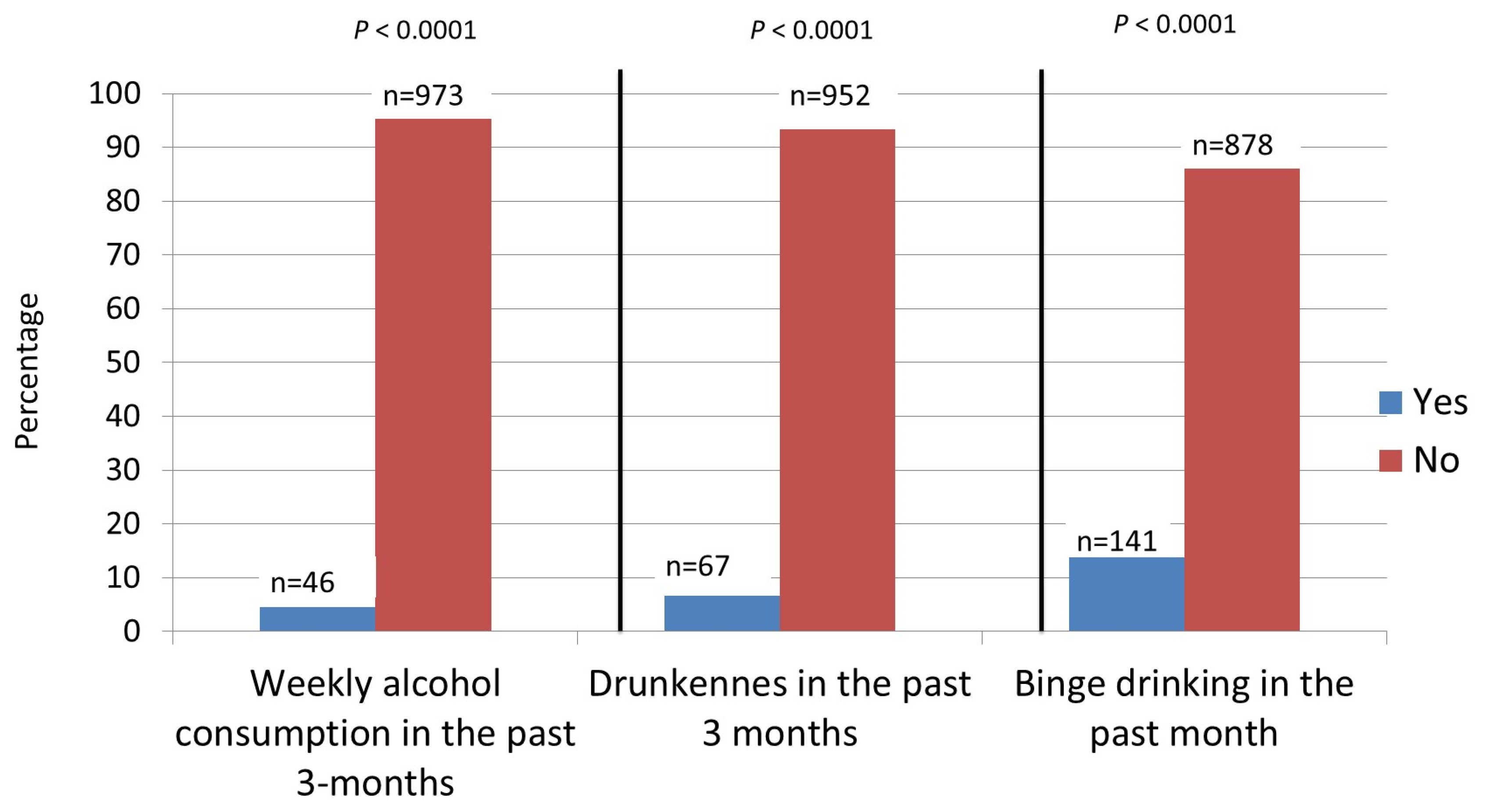
To capture accurate data, epidemiologists divide consumption into several distinct categories. Current drinkers are typically defined as individuals who have consumed alcohol within the past 30 days. Binge drinking, or heavy episodic consumption, is usually measured as consuming five or more drinks for males, or four or more drinks for females, within a two-hour window. Chronic heavy drinking involves sustained high-volume consumption over months or years, which significantly elevates the risk of physiological dependence, liver disease, cardiovascular complications, and various forms of malignancy.
Standardizing these measurements requires defining what constitutes a "standard drink." In the United States, a standard drink contains roughly 14 grams of pure alcohol, which equates to about 12 ounces of regular beer, 5 ounces of wine, or 1.5 ounces of 80-proof distilled spirits. Quantifying consumption using standard units allows researchers to compare prevalence rates across different beverage types, geographic regions, and demographic subgroups with statistical consistency.
Data Collection Methodologies and Surveillance Systems
Accurately measuring alcohol prevalence requires robust public health surveillance systems capable of capturing representative data from diverse populations. Because direct biological monitoring—such as blood alcohol concentration testing or biomarker screening—is impractical on a large scale, researchers primarily rely on population-based surveys. These instruments depend on self-reported data, which, while efficient, present distinct methodological challenges, including recall bias and underreporting due to social desirability.
Major surveillance frameworks, such as the National Survey on Drug Use and Health (NSDUH) administered by the Substance Abuse and Mental Health Services Administration (SAMHSA) and the Behavioral Risk Factor Surveillance System (BRFSS) managed by the Centers for Disease Control and Prevention (CDC), provide foundational data in the United States. Globally, the World Health Organization (WHO) coordinates the Global Information System on Alcohol and Health (GISAH) to harmonize cross-country comparisons, accounting for differences in cultural norms, legal drinking ages, and survey designs.
| Surveillance System | Administering Body | Primary Focus | Typical Sample Method |
|---|---|---|---|
| BRFSS | Centers for Disease Control and Prevention (CDC) | State-level health risk behaviors, including chronic and binge drinking. | Random digit dialing of landlines and cell phones. |
| NSDUH | Substance Abuse and Mental Health Services Administration (SAMHSA) | National estimates of substance use, abuse, and mental health. | In-person household interviews using computer-assisted technology. |
| GISAH | World Health Organization (WHO) | International comparisons, policy impacts, and global consumption trends. | Aggregated national reporting, taxation records, and standardized surveys. |
Triangulating survey data with indirect indicators—such as alcohol excise tax receipts, wholesale distribution volumes, and healthcare admissions for alcohol-related conditions—helps researchers correct for underreporting. Epidemiologists apply econometric models to sales and revenue data to estimate true per capita consumption, ensuring that public health planning is grounded in realistic assessments of societal exposure.
Demographic Patterns and Risk Factors in Alcohol Consumption
Alcohol prevalence varies significantly across demographic segments, influenced by age, sex, socioeconomic status, and cultural environment. Analyzing these variations allows public health professionals to identify vulnerable populations and understand how environmental determinants shape drinking behaviors over the life course.
Age is one of the most prominent predictors of consumption patterns. Prevalence of current drinking typically rises through late adolescence, peaks among young adults aged 18 to 25, and gradually declines among older adults. However, patterns of consumption shift within age groups; while young adults exhibit higher rates of high-intensity binge drinking, older adults may engage in more frequent, lower-volume daily consumption, which carries cumulative physiological risks due to altered pharmacokinetics and age-related metabolic changes.
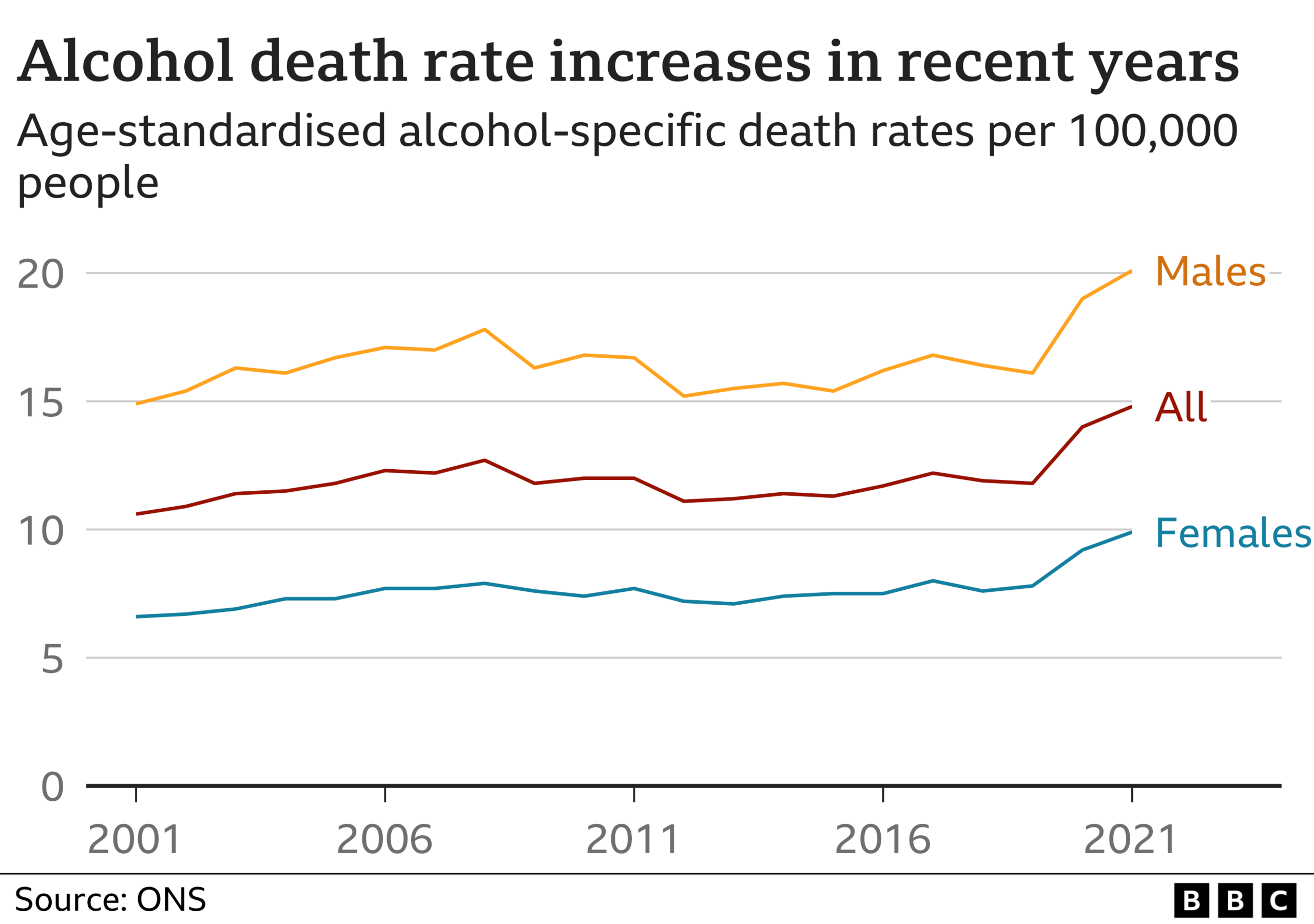
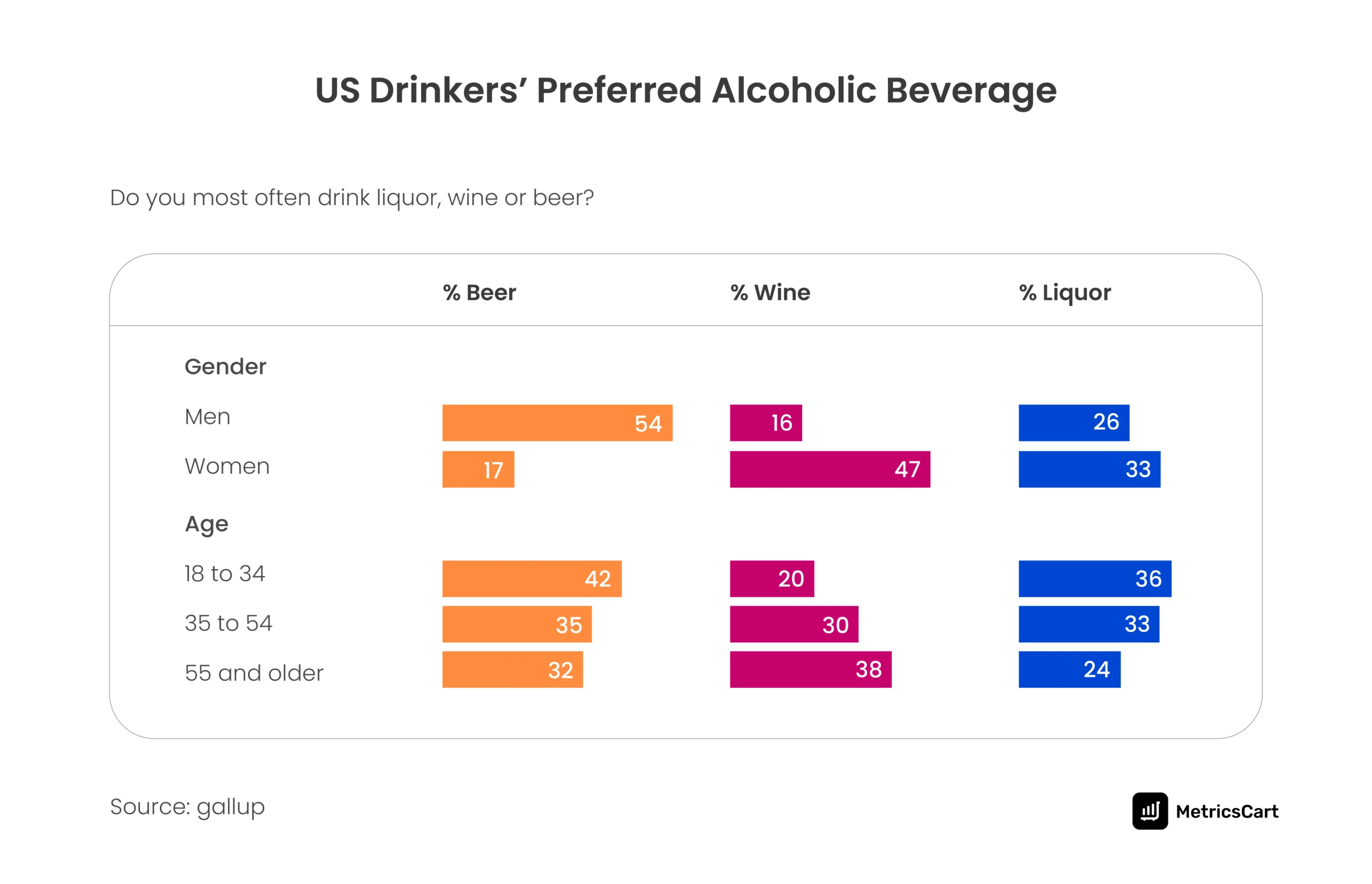
Sex disparities in alcohol prevalence have historically shown higher rates of consumption and heavy episodic drinking among males compared to females. Yet, contemporary surveillance data indicates that this gap is narrowing, particularly among younger cohorts. Socioeconomic factors also play a complex role; higher educational attainment and household income are often correlated with a higher prevalence of lifetime and current drinking, whereas lower socioeconomic status is frequently associated with a disproportionately higher burden of alcohol-attributable harm, often referred to as the alcohol harm paradox.
| Demographic Variable | Common Trend in Prevalence | Associated Public Health Risk |
|---|---|---|
| Young Adults (18–25) | Peak rates of binge and high-intensity drinking. | Acute injuries, alcohol poisoning, academic disruption, and risky behaviors. |
| Socioeconomic Status | Higher income correlates with higher overall drinking frequency. | Chronic health conditions compounded by lifestyle and environmental stressors. |
| Biological Sex | Historically higher prevalence among males, though gaps are closing. | Higher susceptibility to liver disease and cardiovascular damage in females at lower volumes. |
Public Health Implications and Healthcare Burden
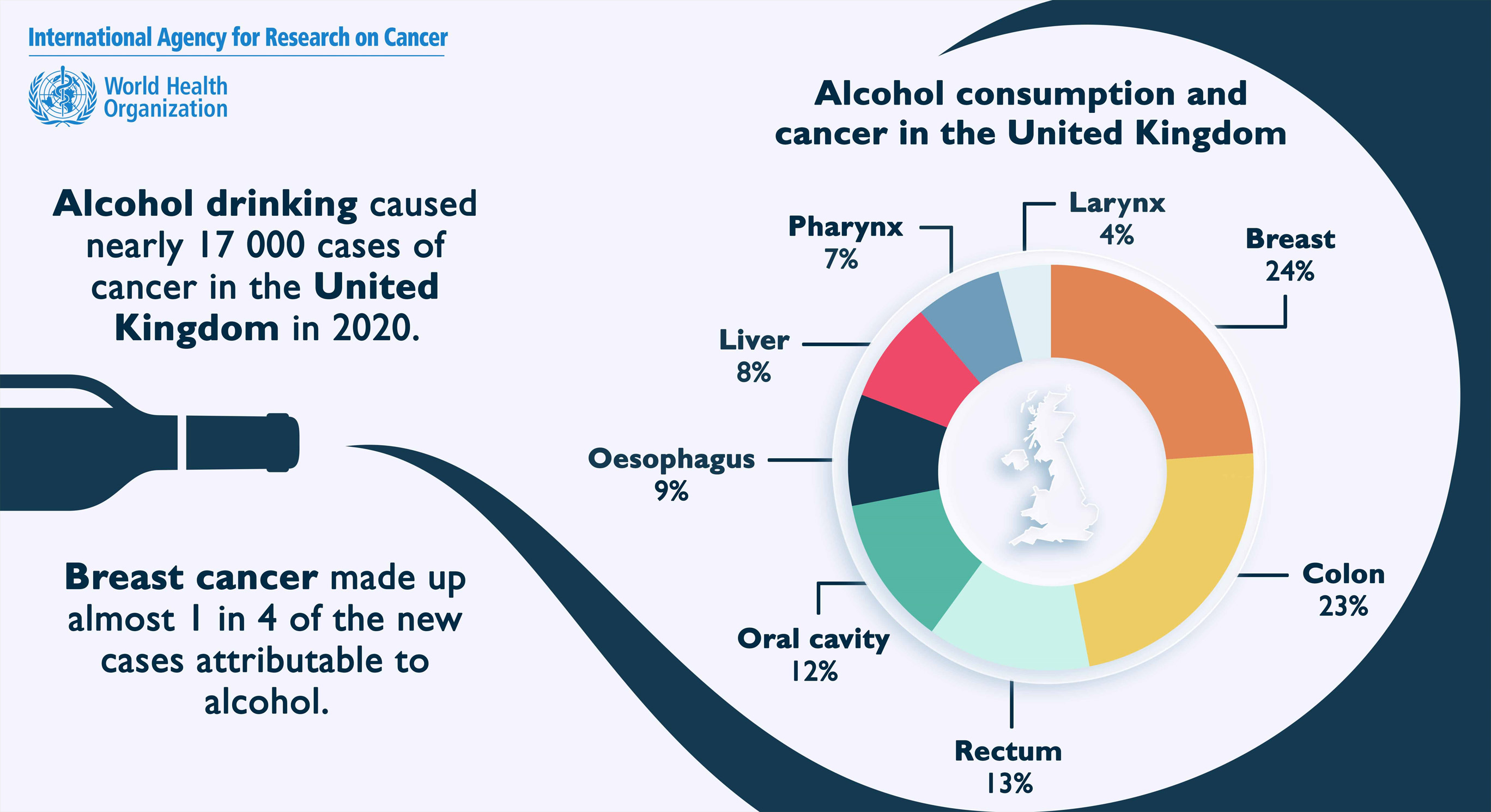
Monitoring alcohol prevalence is essential for understanding the broader public health footprint of substance consumption. Alcohol is classified as a group 1 carcinogen by the International Agency for Research on Cancer (IARC), with established links to cancers of the breast, liver, bowel, esophagus, and oral cavity. Beyond oncological risks, chronic high-volume consumption contributes to cardiomyopathy, hypertension, stroke, alcoholic liver disease, and cognitive impairments.
The economic and societal costs associated with high alcohol prevalence extend far beyond individual medical expenses. Healthcare systems absorb significant burdens through emergency department visits for acute intoxication, chronic disease management, and psychiatric care for alcohol use disorder (AUD). Furthermore, productivity losses due to absenteeism, presenteeism, and premature mortality represent a substantial drain on economic output. Communities also face indirect costs related to motor vehicle collisions, domestic violence, and criminal justice interventions driven by impaired decision-making.
Preventive strategies rely heavily on population-level data to implement evidence-based interventions recommended by public health authorities. These measures include regulating alcohol outlet density, enforcing minimum legal drinking ages, limiting hours of sale, and utilizing taxation structures to price alcohol proportionally to its strength and societal harm. By tracking changes in prevalence over time, policymakers can evaluate the effectiveness of these regulatory frameworks and adjust interventions to mitigate emerging risks.
Addressing Alcohol Prevalence Through Clinical and Community Interventions
Mitigating the risks associated with high alcohol prevalence requires a dual approach combining clinical screening with community-level preventive initiatives. Healthcare providers play a front-line role by integrating screening tools, such as the Alcohol Use Disorders Identification Test (AUDIT), into routine primary care visits. Brief interventions—structured, empathetic conversations aimed at raising awareness of drinking risks and motivating behavioral change—have proven effective in reducing hazardous consumption among non-dependent individuals.
For individuals exhibiting severe alcohol use disorder, comprehensive clinical pathways are necessary. These typically begin with medically supervised detoxification to manage potentially life-threatening withdrawal symptoms, such as delirium tremens, followed by evidence-based behavioral therapies like cognitive behavioral therapy (CBT) and motivational enhancement therapy. Pharmacotherapy, including medications such as naltrexone, acamprosate, and disulfiram, can also support long-term recovery by reducing cravings or producing adverse physiological reactions to alcohol ingestion.
Community-level programs complement clinical care by fostering environments that support lower-risk choices. Public awareness campaigns, community coalitions, and campus-based interventions work to shift social norms around heavy drinking, promote responsible hosting practices, and ensure equitable access to support services. Engaging multidisciplinary stakeholders—ranging from educators and healthcare workers to local policymakers—ensures that strategies addressing alcohol prevalence remain responsive to the evolving needs of the population.
Frequently Asked Questions About Alcohol Prevalence
How is alcohol prevalence calculated in national health surveys?
Alcohol prevalence is calculated by dividing the number of survey respondents who report consuming alcohol within a specified timeframe (such as the past 30 days) by the total number of eligible respondents in the representative sample, expressed as a percentage. Adjustments are made using statistical weighting to ensure the sample accurately reflects the broader population's demographic distribution.
What is the difference between per capita consumption and alcohol prevalence?
Per capita consumption measures the total volume of pure alcohol sold or consumed within a population divided by the total number of individuals (often restricted to those aged 15 and older). In contrast, alcohol prevalence measures the proportion of people within a population who report drinking, regardless of the exact total volume they consume.
Why do women face different health risks from alcohol than men?
Biological differences in body water composition, gastric enzyme levels, and metabolic rates mean that women absorb and metabolize alcohol differently than men. Consequently, women develop alcohol-related health conditions, such as liver disease and cardiovascular complications, at lower cumulative consumption volumes and shorter durations of exposure.
Can self-reported surveys accurately capture true alcohol consumption?
Self-reported surveys provide valuable demographic and behavioral trends, but they frequently underestimate true consumption due to recall bias, social desirability, and the exclusion of heavy drinkers who may not participate in household surveys. Researchers correct for these discrepancies by cross-referencing survey data with retail sales, tax receipts, and healthcare records.
What are evidence-based strategies for reducing alcohol-related harm?
Public health authorities recommend policy interventions known as the "three best buys": increasing excise taxes on alcoholic beverages, restricting the physical availability of alcohol through government monopolies or licensing controls, and banning or comprehensively restricting alcohol advertising and marketing.