Alcohol policy encompasses the systematic set of legislative, regulatory, and institutional frameworks established by governments and public health organizations to govern the production, distribution, marketing, pricing, and consumption of alcoholic beverages. These measures are designed to mitigate social and physical harms, safeguard public health, and address economic externalities associated with widespread substance consumption.
Defining the Scope and Objectives of Alcohol Policy
At its core, a comprehensive alcohol policy framework seeks to balance public health protection, economic contributions from the hospitality and manufacturing sectors, and individual consumer freedoms. Governments implement these regulations to address well-documented socio-economic consequences, including chronic health conditions, traffic accidents, workplace absenteeism, and public disorder. The foundational rationale relies heavily on evidence-based strategies endorsed by global health entities, which point to the direct correlation between population-level consumption rates and alcohol-related harm.
To achieve these objectives, regulatory bodies utilize a multifaceted approach. This involves setting legal minimum purchase ages, dictating licensing hours for retail and on-premise establishments, and establishing strict thresholds for driving under the influence. Furthermore, public health frameworks increasingly focus on structural interventions rather than solely relying on individual education. This shift underscores a recognition that consumer choices are heavily shaped by environmental factors such as product availability, affordability, and promotional saturation.
The Three Best Buys and Global Regulatory Strategies
The World Health Organization (WHO) categorizes effective population-level interventions into what it terms the "three best buys," alongside other strategic pillars designed to curb harmful consumption. These interventions are globally recognized for their cost-effectiveness and high impact in reducing the disease burden linked to alcohol.
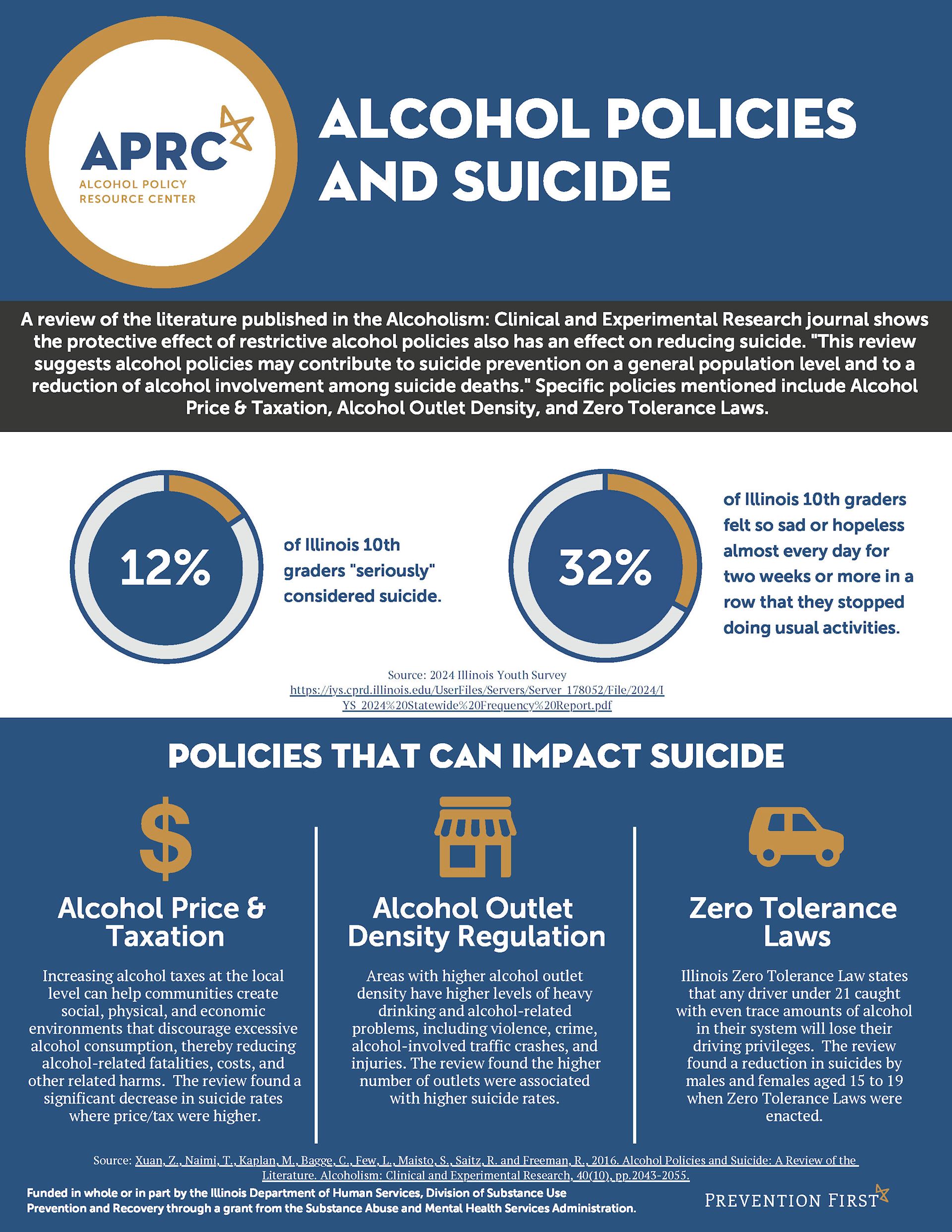
The primary strategies revolve around pricing, availability, and marketing restrictions. Governments implement taxation structures that tie the price of alcohol directly to its ethanol content, thereby reducing overall purchasing power, particularly among heavy drinkers and underage populations. Restricting the physical availability of alcohol involves limiting the density of retail outlets, controlling hours and days of sale, and maintaining government-run monopoly distribution systems where applicable. Finally, comprehensive bans or strict regulations on alcohol advertising, sponsorship, and digital marketing protect vulnerable demographics, such as adolescents, from exposure to normalization and inducement tactics.
| Policy Pillar | Primary Mechanism | Public Health Objective |
|---|---|---|
| Pricing Policies | Excise taxes, minimum unit pricing (MUP) | Reduce affordability and curb high-risk consumption patterns |
| Physical Availability | Licensing hours, outlet density caps, state monopolies | Limit impulsive purchasing and community exposure |
| Marketing Controls | Advertising bans, digital sponsorship limits | Protect minors and reduce cultural normalization of abuse |
| Operating Standards | Blood alcohol concentration (BAC) limits, server training | Prevent acute catastrophic harms such as impaired driving |
Economic Dimensions and Taxation Models
Taxation serves as both a fiscal instrument for generating government revenue and a primary regulatory tool for curbing consumption. Policy designers generally implement two main taxation structures: specific taxation, which levies a fixed amount based on volume or alcohol content, and ad valorem taxation, which is calculated as a percentage of the retail price. Public health advocates frequently favor specific volumetric taxation because it penalizes cheap, high-strength products that are often targeted by dependent or underage drinkers, preventing substitution to cheaper alternatives when prices rise.
In addition to traditional excise duties, certain jurisdictions have pioneered Minimum Unit Pricing (MUP). MUP establishes a floor price below which a unit of alcohol cannot legally be sold. Unlike general taxation, which can be absorbed by retailers or manufacturers through discounting, MUP directly targets ultra-low-cost, high-strength beverages commonly associated with chronic health harms and street-level public disorder. Economic modeling and post-implementation evaluations from regions utilizing MUP demonstrate notable reductions in alcohol-attributable hospital admissions and deaths, proving the efficacy of targeted pricing floors.
Marketing, Labeling, and Consumer Information
The regulation of commercial communication represents a critical frontier in modern alcohol governance. Because advertising significantly influences drinking initiation among youth and reinforces habits among consumers, many jurisdictions enforce sweeping restrictions across broadcast, print, and digital media. These rules often mandate that marketing materials must not appeal to minors, feature unverified health claims, or associate consumption with driving, social success, or athletic prowess.
Concurrently, product labeling has emerged as a focal point for consumer rights and health communication. Regulatory authorities increasingly debate or mandate health warning labels that highlight the risks of drinking during pregnancy, the link between alcohol and various forms of cancer, and standard drink unit information. While industry self-regulation historically dominated this space, a growing movement toward mandatory, standardized government labeling aims to ensure that consumers possess transparent, unvarnished data regarding the chemical composition and health implications of the products they purchase.
Enforcement, Compliance, and Local Governance
Establishing robust legislative frameworks is ineffective without rigorous enforcement mechanisms and seamless coordination between national, regional, and municipal authorities. Local governments frequently hold discretionary power over licensing, enabling communities to tailor restrictions to specific neighborhood needs, such as establishing cumulative impact zones where outlet density is restricted to prevent localized public nuisance.
Enforcement also relies heavily on cross-sectoral collaboration involving law enforcement agencies, public health officials, and industry operators. Measures such as mandatory responsible beverage service (RBS) training for bartenders and retail staff ensure that commercial entities share the burden of preventing intoxication and refusing service to visibly impaired patrons. Similarly, targeted roadside sobriety checkpoints and technological advancements in breathalyzer testing reinforce deterrence against driving under the influence, transforming regulatory theory into visible, day-to-day public safety practice.
Frequently Asked Questions
What is the primary purpose of minimum unit pricing in alcohol policy?
Minimum unit pricing establishes a legal price floor per unit of alcohol to prevent the sale of excessively cheap, high-strength products. Its primary purpose is to target heavy and underage drinkers who disproportionately consume inexpensive alcohol, thereby reducing alcohol-related hospitalizations, chronic illnesses, and societal harm without penalizing moderate consumers who purchase premium products.
How do excise taxes differ from ad valorem taxes on alcoholic beverages?
Excise taxes are levied based on the physical volume or alcohol content of a beverage, whereas ad valorem taxes are calculated as a percentage of the product's retail value. Public health experts generally favor volumetric excise taxes because they discourage substitution to cheaper, high-strength alternatives more effectively than price-percentage levies.
Why are marketing restrictions considered essential by public health organizations?
Marketing restrictions are crucial because extensive research demonstrates that exposure to alcohol advertising normalizes drinking culture and encourages earlier initiation among adolescents. Restricting digital, broadcast, and sponsorship advertising protects vulnerable populations from commercial influences that promote excessive or hazardous consumption patterns.
What role do local governments play in enforcing alcohol regulations?
Local governments often manage municipal licensing, zoning laws, and operating hours for hospitality venues. This allows municipalities to address localized issues such as outlet density, public safety concerns, and noise pollution by tailoring national frameworks to the specific needs of their communities.
How does responsible beverage service training contribute to harm reduction?
Responsible beverage service training educates bartenders, servers, and retail staff on how to identify signs of visible intoxication, calculate standard drink volumes, and safely refuse service to impaired patrons. This frontline intervention directly mitigates acute risks such as alcohol poisoning, violent incidents, and alcohol-impaired driving.
Strategic Implementation and Regulatory Compliance
Stakeholders operating within the hospitality, manufacturing, and retail sectors must maintain continuous alignment with evolving legislative mandates, licensing requirements, and taxation schedules. Achieving long-term compliance requires proactive legal review, staff certification programs for responsible service, and transparent marketing practices that respect jurisdictional boundaries. Organizations navigating these frameworks should regularly consult official regulatory bodies and public health authorities to ensure operational practices adapt smoothly to forthcoming legislative updates and community standards.