Alcohol poisoning is a life-threatening medical emergency caused by drinking a toxic amount of alcohol—usually in a short period—that overwhelms the liver's ability to process it and depresses the central nervous system to the point of respiratory or cardiac failure. Recognizing the critical warning signs, understanding how severe toxicity progresses, and implementing active prevention strategies are essential measures for avoiding fatal outcomes during heavy drinking episodes.
Understanding Alcohol Poisoning and Its Physiological Mechanism
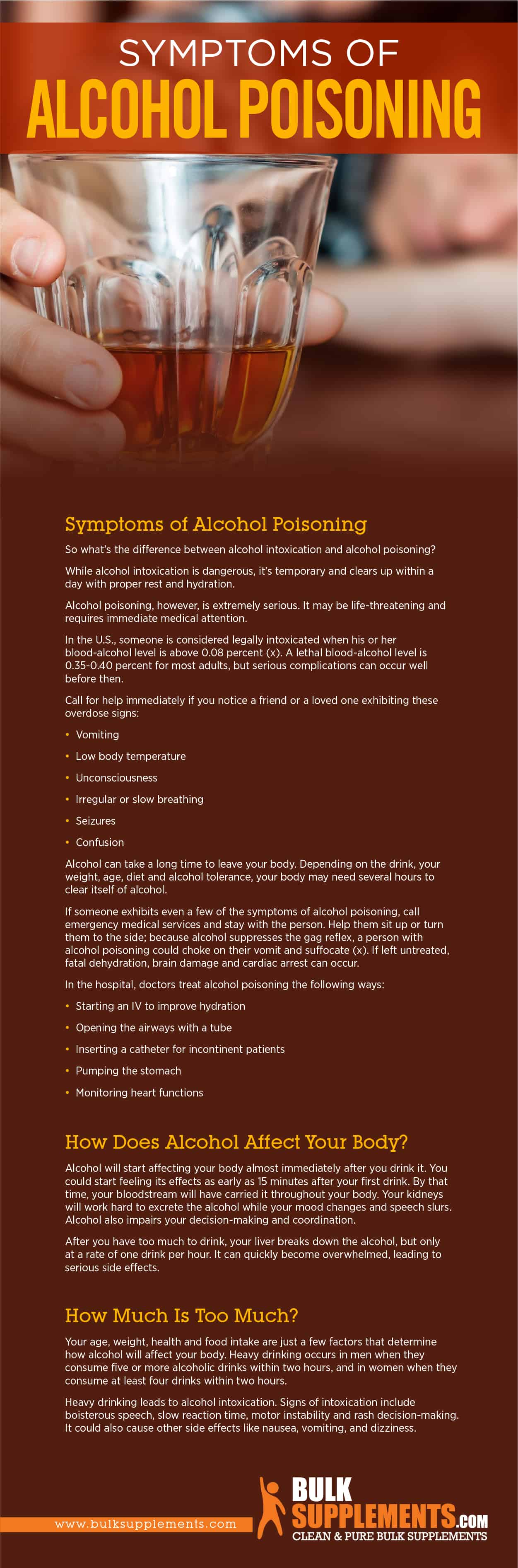
Alcohol poisoning, medically referred to as acute alcohol toxicity, occurs when an individual consumes a high volume of ethanol within a brief timeframe, typically resulting in a blood alcohol concentration (BAC) that severely impairs critical autonomic body functions. Ethanol is a central nervous system depressant. In moderate amounts, it lowers inhibitions and alters mood, but as consumption rapidly increases, it begins to block chemical receptors in the brain, notably N-methyl-D-aspartate (NMDA) receptors, while enhancing inhibitory gamma-aminobutyric acid (GABA) pathways.
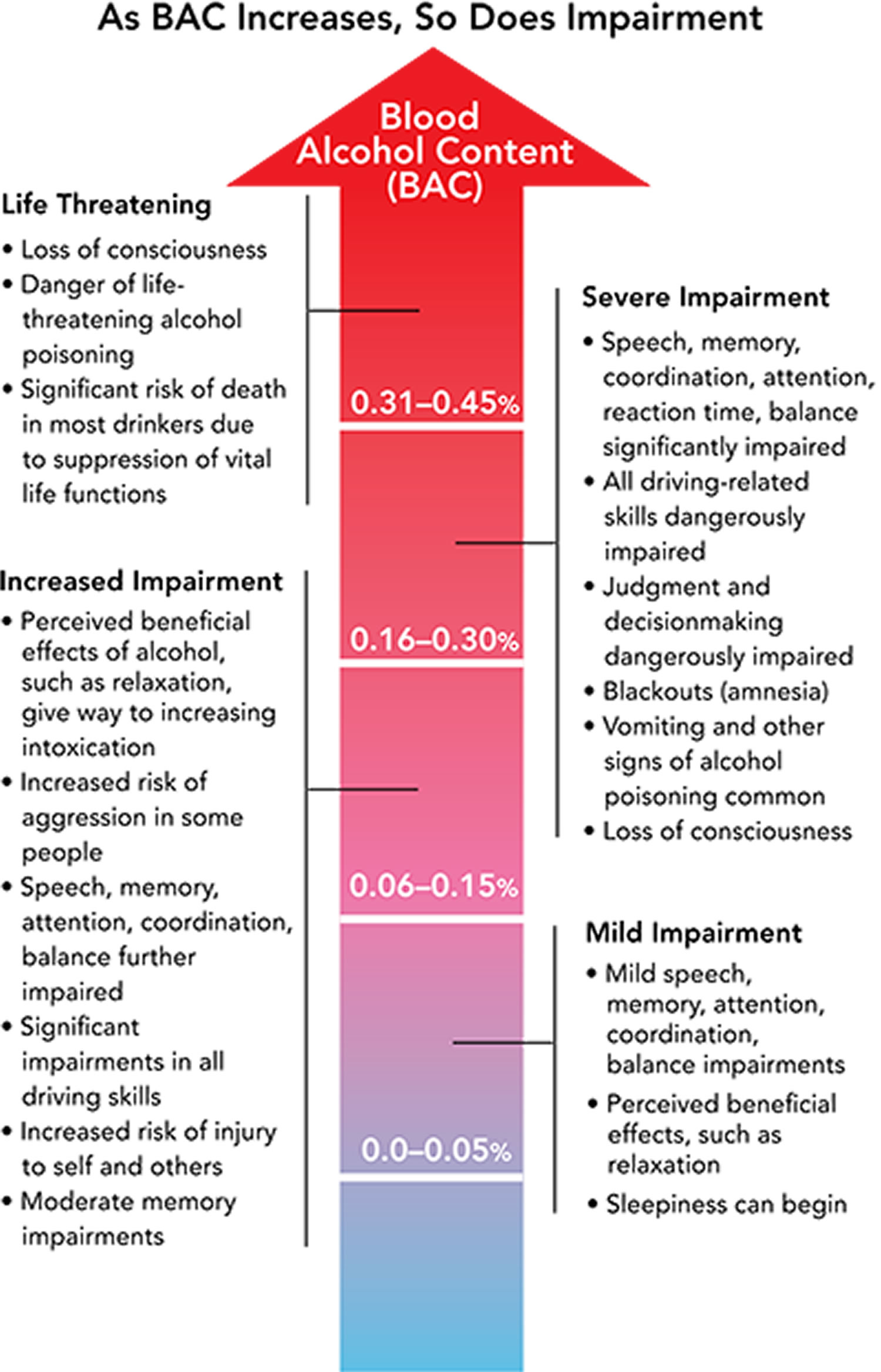
When BAC rises to dangerous levels—often 0.08% is the legal driving limit, but toxic thresholds usually begin manifesting visible impairment above 0.20% and severe medical danger above 0.30%—the brain centers controlling basic life-support systems begin to shut down. These include the areas regulating breathing, heart rate, body temperature, and gag reflexes. Unlike mild intoxication or a standard hangover, acute alcohol toxicity is not something a person can "sleep off." The liver can only metabolize a fixed amount of alcohol per hour, roughly equivalent to one standard drink, meaning that binge drinking floods the bloodstream far faster than the body can clear the toxin.
Several risk factors exacerbate the speed and severity of alcohol poisoning. Binge drinking, defined by the National Institute on Alcohol Abuse and Alcoholism (NIAAA) as consuming five or more drinks for men or four or more drinks for women within about two hours, is the primary behavioral driver. Other contributing variables include body weight, biological sex, overall health status, tolerance levels, and whether the individual is mixing alcohol with other central nervous system depressants such as opioids, benzodiazepines, or prescription sleep aids. Understanding these physiological foundations clarifies why rapid consumption is inherently dangerous and why timely intervention is non-negotiable.
Recognizing Early Warning Signs and Severe Symptoms
Identifying the clinical manifestations of acute alcohol toxicity requires distinguishing between ordinary drunkenness and a life-threatening medical emergency. Misjudging these signs often leads bystanders to leave an impaired person alone to sleep, which can be fatal. The body displays a progressive cascade of symptoms as BAC climbs into toxic territory.
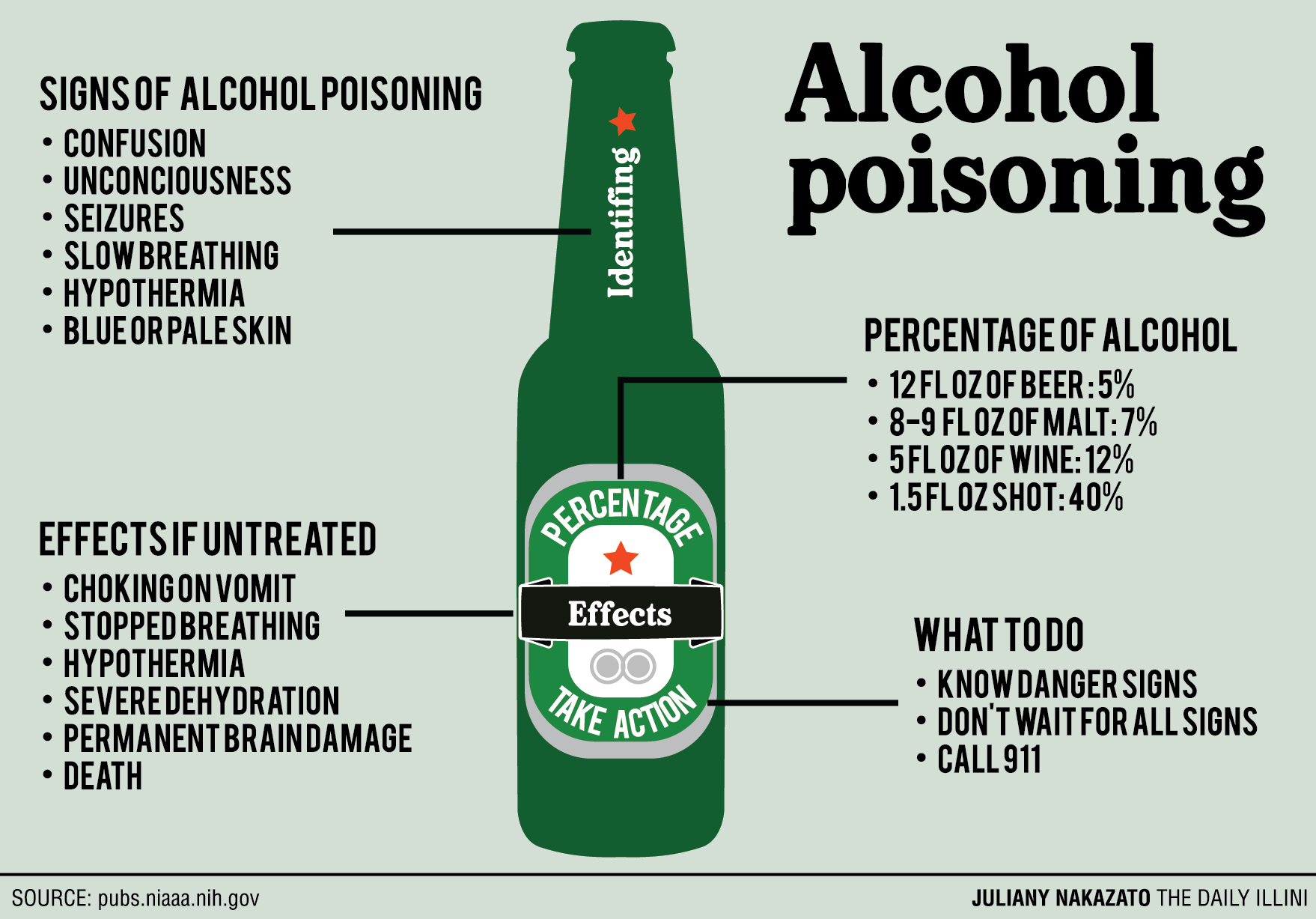
Initial indicators of excessive drinking often include confusion, disorientation, vomiting, severe loss of coordination, and slurred speech. While unpleasant, these signs alone do not always indicate immediate death risk. However, they can quickly deteriorate into red-flag symptoms that demand emergency medical services. Bystanders must look for specific critical indicators that signify the central nervous system is failing:
- Unconsciousness and Unresponsiveness: The person cannot be awakened, does not respond to pinching, shouting, or shaking, and has slipped into a stupor or coma.
- Respiratory Depression: Breathing is slow (fewer than eight breaths per minute) or irregular (gaps of 10 seconds or more between breaths).
- Hypothermia: The skin feels cold, clammy, and may appear pale or bluish (cyanosis), particularly around the lips and nail beds due to poor oxygenation.
- Persistent Vomiting: The individual vomits while unconscious or semi-conscious, creating an extreme danger of choking and asphyxiation via aspiration.
- Seizures: Electrical disturbances in the brain triggered by profound chemical imbalances and toxicity.
Failing to recognize that these signs require immediate intervention is a major hazard. A person does not need to exhibit all of these symptoms simultaneously for the situation to be fatal. Even if drinking has stopped, the alcohol in the stomach and intestines continues to enter the bloodstream, causing BAC to rise even after the person has passed out.
| Blood Alcohol Concentration (BAC) | Behavioral and Physical Effects | Emergency Status |
|---|---|---|
| 0.02% – 0.05% | Slight mood alteration, relaxation, minor impairment of judgment. | Normal consumption; no toxicity. |
| 0.08% – 0.15% | Loss of coordination, impaired balance, memory lapses, nausea. | Legal intoxication; heavy impairment. |
| 0.20% – 0.29% | Severe motor impairment, dizziness, vomiting, blackouts, stupor. | High risk; monitor closely for deterioration. |
| 0.30% and Higher | Loss of consciousness, depressed reflexes, respiratory failure, coma, potential death. | Medical Emergency: Call 911 immediately. |
Immediate Emergency Response and First Aid Actions
When faced with someone experiencing suspected alcohol poisoning, immediate and decisive action can prevent permanent neurological damage or death. The most critical error is assuming the person will recover safely if left alone to sleep.
If you suspect someone has acute alcohol toxicity, execute the following emergency steps without delay:
- Call Emergency Services: Immediately dial 911 or your local emergency number. Provide clear details about the person's condition, approximate age, what substances were consumed, and whether they are breathing normally.
- Do Not Leave the Person Alone: Stay with the individual at all times. Unconsciousness can deepen rapidly, and airway blockages can occur without warning.
- Protect the Airway: If the person is unconscious but breathing, roll them onto their side into the recovery position. This prevents choking if they vomit and keeps the airway clear.
- Maintain Body Temperature: Cover the person with a blanket if they feel cold, but avoid using external heat sources like hot baths or heating pads, which can cause cardiovascular shock.
- Never Administer Home Remedies: Do not attempt to sober the person up with cold showers, black coffee, walking, or induced vomiting. These methods do not lower BAC, can induce shock, and increase the risk of aspiration or injury.
Many bystanders hesitate to call emergency services due to fear of legal repercussions or disciplinary action. However, numerous jurisdictions have enacted Good Samaritan laws designed to protect individuals seeking medical help for alcohol or drug overdoses from low-level drug and alcohol possession charges. Prioritizing human life always supersedes legal concerns.
Comprehensive Prevention Strategies and Harm Reduction
Preventing alcohol poisoning requires a proactive approach centered on education, mindful consumption habits, and environmental risk mitigation. Because acute toxicity is nearly always the result of rapid binge drinking, controlling the pace and volume of alcohol intake is the most effective safeguard.
Effective prevention relies on several practical guidelines:
- Pace Consumption: Limit intake to no more than one standard drink per hour, allowing the liver adequate time to process the ethanol. Alternating alcoholic beverages with glasses of water helps slow overall intake and maintains hydration.
- Eat Before and During Drinking: Consuming a substantial meal containing proteins and fats before drinking slows down the rate at which alcohol is absorbed through the stomach lining into the bloodstream.
- Avoid Drinking Games and Concentrated Shots: High-potency spirits consumed rapidly during competitive drinking games bypass the body's natural defense mechanisms against overconsumption, causing BAC to spike dangerously before the drinker realizes they are impaired.
- Monitor Peer Groups: Establish a supportive environment when socializing. Look out for friends, track how much is being consumed, and intervene early if someone shows signs of losing control.
- Eliminate Mixed Depressants: Never combine alcohol with prescription medications, illicit drugs, or recreational substances that depress the central nervous system. The synergistic effect dramatically multiplies the risk of fatal respiratory depression.
By shifting social norms around heavy drinking and fostering open conversations about the dangers of binge drinking, communities can drastically lower the incidence of medical emergencies related to alcohol toxicity.
Frequently Asked Questions
Can someone die from alcohol poisoning after they stop drinking?
Yes. BAC can continue to rise even after a person has lost consciousness or stopped drinking. Alcohol remaining in the stomach and small intestine continues to be absorbed into the bloodstream over time, meaning a person's condition can deteriorate significantly hours after their last drink.
Is it safe to let someone "sleep it off" if they have passed out from drinking?
No. It is a dangerous myth that an unconscious person will safely sleep off heavy intoxication. When a person is passed out from alcohol poisoning, their gag reflex is suppressed, putting them at high risk of choking on their vomit. Furthermore, their breathing can slow to fatal levels without notice.
What is the difference between a hangover and alcohol poisoning?
A hangover is a collection of unpleasant symptoms—such as headache, fatigue, and nausea—that occur hours after drinking as BAC returns to zero. Alcohol poisoning is a medical emergency caused by toxic levels of alcohol in the blood that paralyzes autonomic brain functions, requiring immediate professional intervention.
Do Good Samaritan laws protect people calling for help with alcohol poisoning?
Many regions have enacted Good Samaritan laws that provide immunity from minor drug and alcohol possession charges for individuals who call 911 to save someone experiencing an overdose or alcohol poisoning. These laws aim to eliminate the fear of arrest so callers seek timely medical help.
How much alcohol does it take to cause alcohol poisoning?
There is no single fixed amount because tolerance, body weight, biological sex, metabolism, and stomach contents vary widely between individuals. However, binge drinking—consuming four to five drinks within two hours—rapidly pushes many people into dangerous toxicity ranges.
Next Actions and Professional Support Resources
If you or someone you know struggles with recurrent binge drinking or dependency, recognizing the warning signs of acute toxicity is only the first step toward long-term safety. Consider consulting a primary care physician, an addiction medicine specialist, or a licensed mental health professional to discuss evidence-based treatment options. Organizations such as the Substance Abuse and Mental Health Services Administration (SAMHSA) offer confidential, 24/7 helplines and treatment locators to connect individuals with professional support services in their area. Taking proactive steps toward safe consumption habits and seeking help for problematic drinking patterns protects health and prevents life-threatening emergencies.