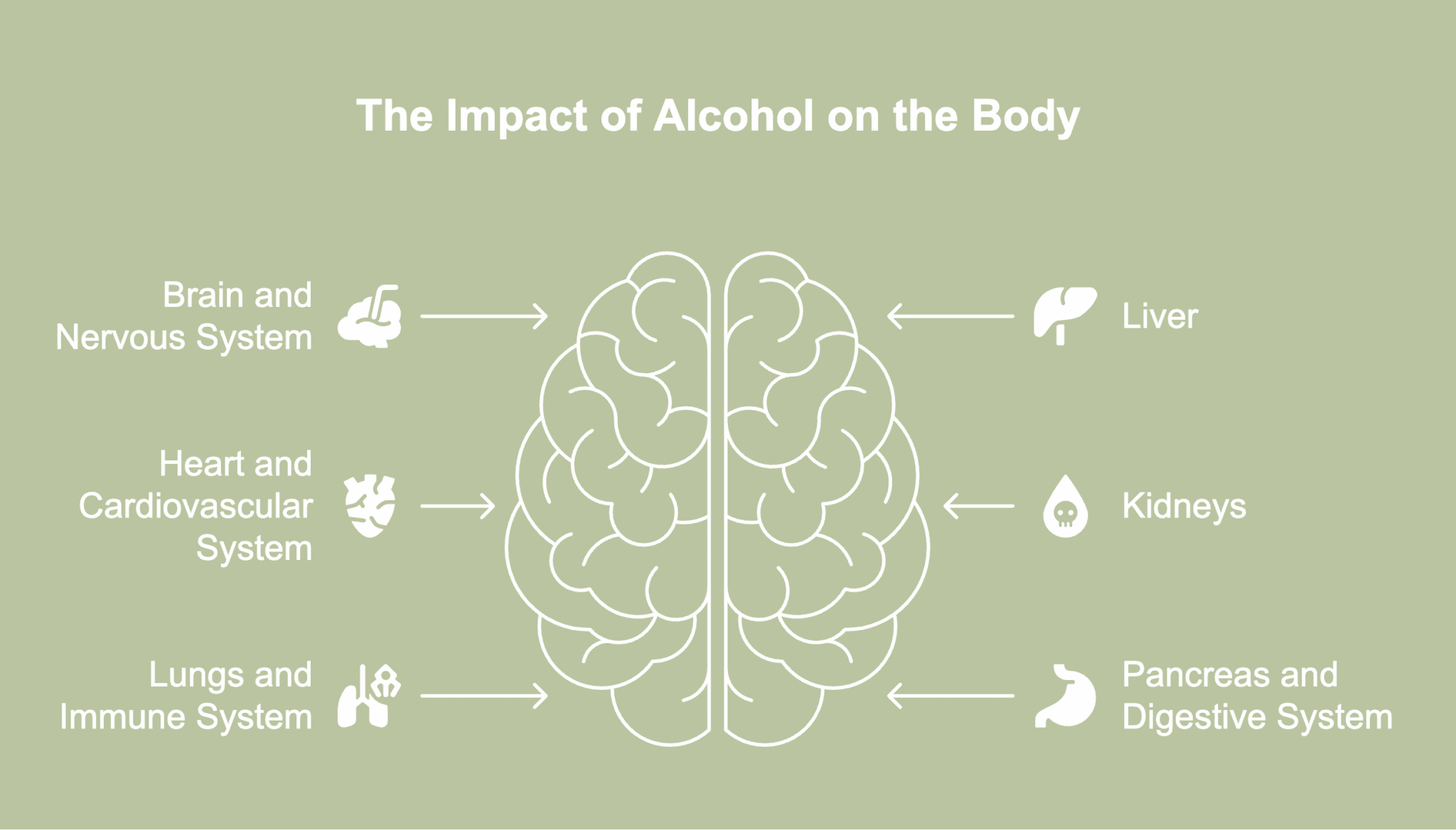
Alcohol consumption triggers immediate and long-term neurochemical shifts, altering neurotransmitter balance, disrupting structural neural pathways, and impairing cognitive, motor, and emotional regulation depending on the dose and chronicity of exposure.
Pharmacodynamics and Initial Neurotransmitter Disruption
When ethanol enters the bloodstream, it crosses the blood-brain barrier almost instantaneously due to its high lipid solubility and small molecular size. Once inside the central nervous system, alcohol does not bind to a single specific receptor; instead, it exerts widespread, non-specific membrane effects while preferentially targeting key neurotransmitter systems. The primary mechanisms involve the enhancement of inhibitory pathways and the suppression of excitatory pathways, creating a dual depressant effect that slows overall neural communication.
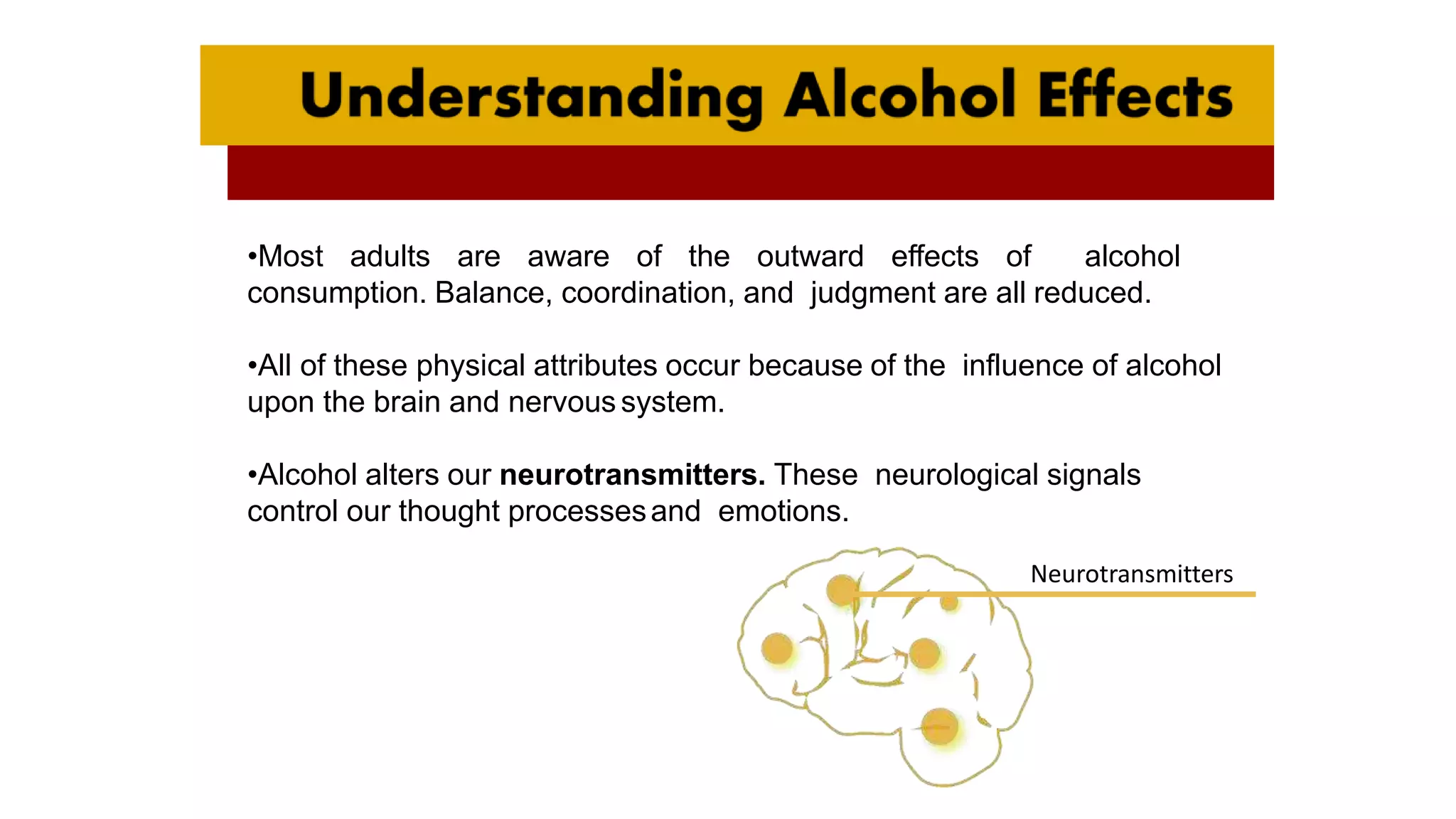
The most prominent immediate action occurs at gamma-aminobutyric acid (GABA) receptors, which are the primary inhibitory neurotransmitter systems in the mammalian brain. Ethanol binds to GABA-A receptors, facilitating chloride ion influx and hyperpolarizing postsynaptic neurons. This action potentiates the natural inhibitory effects of GABA, leading to sedation, reduced anxiety, muscle relaxation, and slowed cognitive processing. Concurrently, alcohol inhibits N-methyl-D-aspartate (NMDA) glutamate receptors, which mediate excitatory neurotransmission. By blocking glutamate, ethanol disrupts synaptic plasticity, memory formation, and spatial navigation, accounting for the acute cognitive dulling and memory fragmentation commonly experienced during intoxication.
Beyond GABA and glutamate, alcohol modulates monoamine neurotransmitters, including dopamine, serotonin, and opioid peptides. Acute consumption stimulates the release of dopamine within the mesolimbic pathway, specifically the nucleus accumbens, reinforcing the behavior by activating the brain's reward circuitry. Serotonergic systems are similarly altered, which initially elevates mood but subsequently depletes neurotransmitter reserves as metabolism proceeds. These acute neurochemical shifts form the foundation of immediate intoxication and dictate the subsequent physiological drive toward continued use or withdrawal symptoms.
Regional Brain Impacts and Functional Impairments
As blood alcohol concentration (BAC) rises, different anatomical regions of the brain are affected in a sequential, dose-dependent manner. The cerebral cortex is typically the first region impacted, leading to lowered inhibitions, impaired judgment, and a reduction in self-monitoring capabilities. Higher cognitive functions, such as abstract reasoning, planning, and impulse control, originate in the prefrontal cortex, a region exceptionally sensitive to the disinhibitory effects of ethanol.
Moving deeper into subcortical structures, alcohol disrupts cerebellar function, which governs balance, coordination, and fine motor skills. Cerebellar ataxia manifests as slurred speech, an unsteady gait, and delayed reflex times. As consumption increases, the limbic system—comprising the hippocampus and amygdala—becomes heavily compromised. Disruption of the hippocampus impairs the consolidation of short-term memories into long-term storage, frequently resulting in alcohol-induced blackouts where an individual remains conscious and capable of complex actions but forms no lasting memory traces of the events.
| Brain Region | Primary Function | Acute Effects of Alcohol | Chronic Effects of Alcohol |
|---|---|---|---|
| Prefrontal Cortex | Decision-making, impulse control, executive function | Impaired judgment, lowered inhibition, poor risk assessment | Permanent executive dysfunction, personality shifts |
| Cerebellum | Motor coordination, balance, procedural learning | Ataxia, slurred speech, slowed reaction times | Permanent motor deficits, neuronal atrophy |
| Hippocampus | Memory consolidation, spatial navigation | Fragmented memory formation, blackouts | Memory impairment, significant volumetric reduction |
| Amygdala | Emotional processing, fear response, stress regulation | Emotional volatility, reduced anxiety, impulsivity | Mood disorders, chronic anxiety, heightened stress reactivity |
Structural Remodeling and Neurotoxicity from Chronic Exposure
Long-term, heavy alcohol consumption induces profound structural modifications and neurotoxicity within the central nervous system. Chronic exposure forces the brain to attempt homeostatic adaptation against persistent GABA-A potentiation and NMDA receptor inhibition. To compensate, the brain downregulates GABA receptors and upregulates NMDA receptors, increasing glutamate sensitivity. When alcohol is abruptly removed from this adapted environment, an uninhibited glutamatergic surge occurs, precipitating the excitotoxic hyperexcitability characteristic of alcohol withdrawal seizures and delirium tremens.
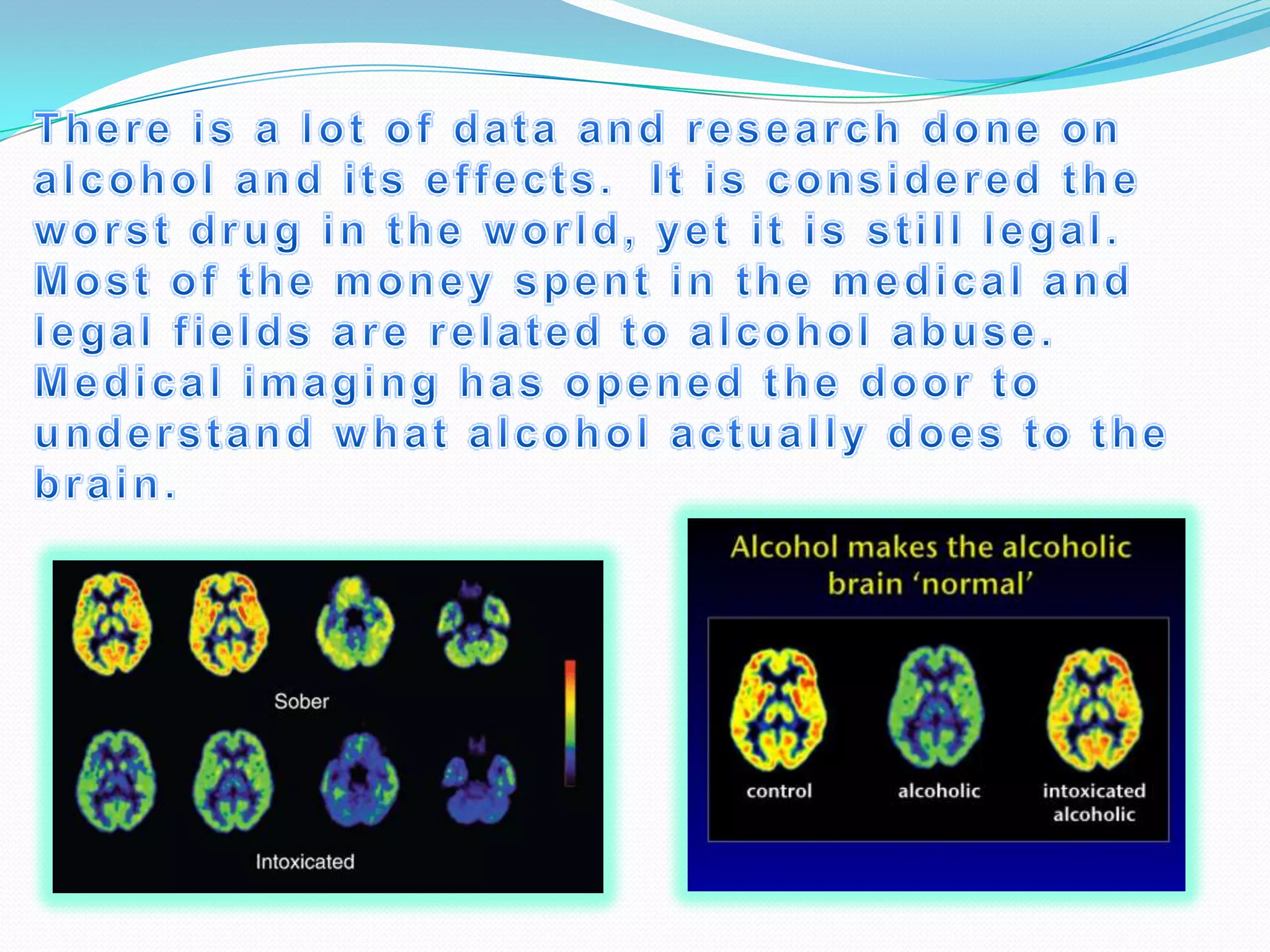
Prolonged alcohol misuse leads to macroscopic brain changes, most notably cerebral atrophy, ventricular enlargement, and white matter loss. Neuroimaging studies consistently demonstrate shrinkage of the frontal lobes and selective neuronal loss within the cerebellum. Furthermore, chronic heavy drinking frequently leads to nutritional deficiencies, particularly thiamine (Vitamin B1) deficiency, due to poor dietary intake and impaired gastrointestinal absorption. Severe thiamine deficiency can cause Wernicke-Korsakoff syndrome, a devastating neurological disorder marked by acute encephalopathy followed by severe, irreversible anterograde amnesia and confabulation.
The neurotoxic cascade is further driven by neuroinflammation and oxidative stress. Microglial activation within the brain parenchyma releases pro-inflammatory cytokines, damaging surrounding neuronal architecture and disrupting oligodendrocyte function. Because oligodendrocytes produce myelin—the insulating sheath surrounding axonal fibers—their degradation compromises white matter integrity, slowing neural transmission speeds across distributed cognitive networks.
Recovery, Neuroplasticity, and Reversibility of Damage
Despite the profound neurochemical and structural damage inflicted by heavy drinking, the human brain possesses a remarkable capacity for neuroplasticity and structural recovery following abstinence. Neuroplasticity refers to the central nervous system's ability to reorganize itself by forming new synaptic connections and functional pathways. Cessation of alcohol intake stops ongoing neurotoxic insults, allowing intrinsic repair mechanisms to initiate structural and functional restoration.
Research utilizing magnetic resonance imaging (MRI) has shown that significant recovery of brain volume and gray matter density can occur within weeks to months of sustained sobriety. Cognitive domains such as attention, visuospatial processing, and executive functioning frequently exhibit measurable improvements, though the rate and extent of recovery vary depending on factors such as age, duration of prior use, genetic predisposition, and nutritional status.
| Recovery Timeline | Observed Neurological Changes | Associated Clinical Improvements |
|---|---|---|
| 1 to 2 Weeks | Reduction in acute neuroinflammation, normalization of neurotransmitter receptor sensitivity | Decreased anxiety, stabilization of mood, cessation of withdrawal symptoms |
| 1 to 3 Months | Initial restoration of regional cerebral blood flow, early glial cell repair | Improved sleep architecture, enhanced short-term memory, clearer cognitive processing |
| 6 to 12 Months | Partial to significant volumetric recovery of gray and white matter, cortical thickening | Greater impulse control, improved executive function, enhanced motor coordination |
Frequently Asked Questions
What causes an alcohol-induced blackout?
An alcohol-induced blackout occurs when blood alcohol concentrations rise rapidly, disrupting normal neuronal communication within the hippocampus. The hippocampus fails to encode short-term experiences into long-term memory storage. During this state, an individual may remain conscious and perform complex actions, but the brain creates no permanent memory traces of the events.
How does chronic alcohol use lead to brain shrinkage?
Chronic alcohol use causes brain shrinkage, or cerebral atrophy, through direct neurotoxicity, persistent oxidative stress, and neuroinflammation that damages neurons and supporting glial cells. Additionally, chronic alcohol misuse frequently impairs nutritional status, particularly thiamine absorption, accelerating structural tissue loss across the cerebral cortex and cerebellum.
Are the cognitive effects of alcohol permanent?
Many cognitive and structural effects of alcohol are reversible or modifiable through sustained abstinence. While severe, long-term complications such as Wernicke-Korsakoff syndrome involve permanent memory damage, studies show that stopping alcohol consumption allows for significant recovery of brain volume, white matter integrity, and executive functioning over time.
Why do people experience tremors and seizures during alcohol withdrawal?
Withdrawal tremors and seizures stem from neurochemical adaptation to chronic alcohol exposure. Alcohol chronically depresses excitatory glutamate pathways and enhances inhibitory GABA pathways. When alcohol is abruptly removed, the brain's adapted state—characterized by deficient GABA activity and hypersensitive glutamate receptors—causes an uncontrolled surge of neural excitation, leading to hyperexcitability, tremors, and potential seizures.
Can moderate drinking cause long-term brain changes?
While heavy and chronic alcohol consumption causes well-documented structural damage and neurotoxicity, research examining low-to-moderate drinking continues to evolve. Large-scale neuroimaging studies suggest that even modest alcohol intake is associated with subtle reductions in overall brain volume, indicating that no level of alcohol consumption is entirely without neurological impact.
Optimizing Neurological Health and Seeking Support
Individuals concerned about the neurological impacts of alcohol consumption should prioritize professional medical evaluation and structured cessation support. Abrupt cessation after prolonged, heavy use can be medically hazardous due to the risk of severe withdrawal syndromes, making supervised medical detox protocols essential for safety. Engaging with addiction medicine specialists, neurologists, and licensed behavioral health professionals provides a comprehensive framework for assessment, nutritional rehabilitation, and long-term recovery management.