Alcohol content refers to the concentration of ethanol present in a beverage, typically measured as a percentage of total volume or weight, which dictates how the product is taxed, labeled, and consumed safely. Grasping these metrics enables consumers, regulators, and manufacturers to evaluate strength, comply with legal distribution laws, and manage physiological intake effectively.
The global beverage industry relies on standardized metrics to communicate the strength of fermented and distilled products. Whether reading a label on a bottle of craft beer, a standard bottle of table wine, or a high-proof spirit, understanding how alcohol content is calculated and regulated provides essential context for safe consumption and legal compliance. Regulatory frameworks establish strict limits on how this data must be presented to the public, protecting consumers from misrepresentation while maintaining public health standards.
Defining Alcohol Content and Measurement Units
To understand how strong a drink is, one must examine the fundamental units of measurement used across the beverage industry. The most common metric globally is Alcohol by Volume (ABV), which quantifies the number of milliliters of pure ethanol contained in 100 milliliters of liquid at a standard temperature of 20 degrees Celsius. For example, a wine with an ABV of 13.5% contains 13.5 milliliters of pure ethanol per 100 milliliters of wine.
Another historical measure is Alcohol by Weight (ABW), which calculates the mass of ethanol relative to the total mass of the beverage. Because ethanol is less dense than water, the ABW figure is always lower than the corresponding ABV figure for the same liquid. For instance, a beer with 5.0% ABV typically has an ABW of approximately 4.0%.
In addition to ABV and ABW, the concept of "proof" remains widely used, particularly in the spirits industry within the United States and historically in the United Kingdom. In the United States, proof is defined as twice the percentage of ABV by volume at 60 degrees Fahrenheit. Therefore, a bourbon whiskey that is 80 proof contains 40% alcohol by volume. Understanding these conversions prevents confusion when comparing international products or reading historical recipes and tax codes.
Standard Drink Equivalents and Physiological Impact
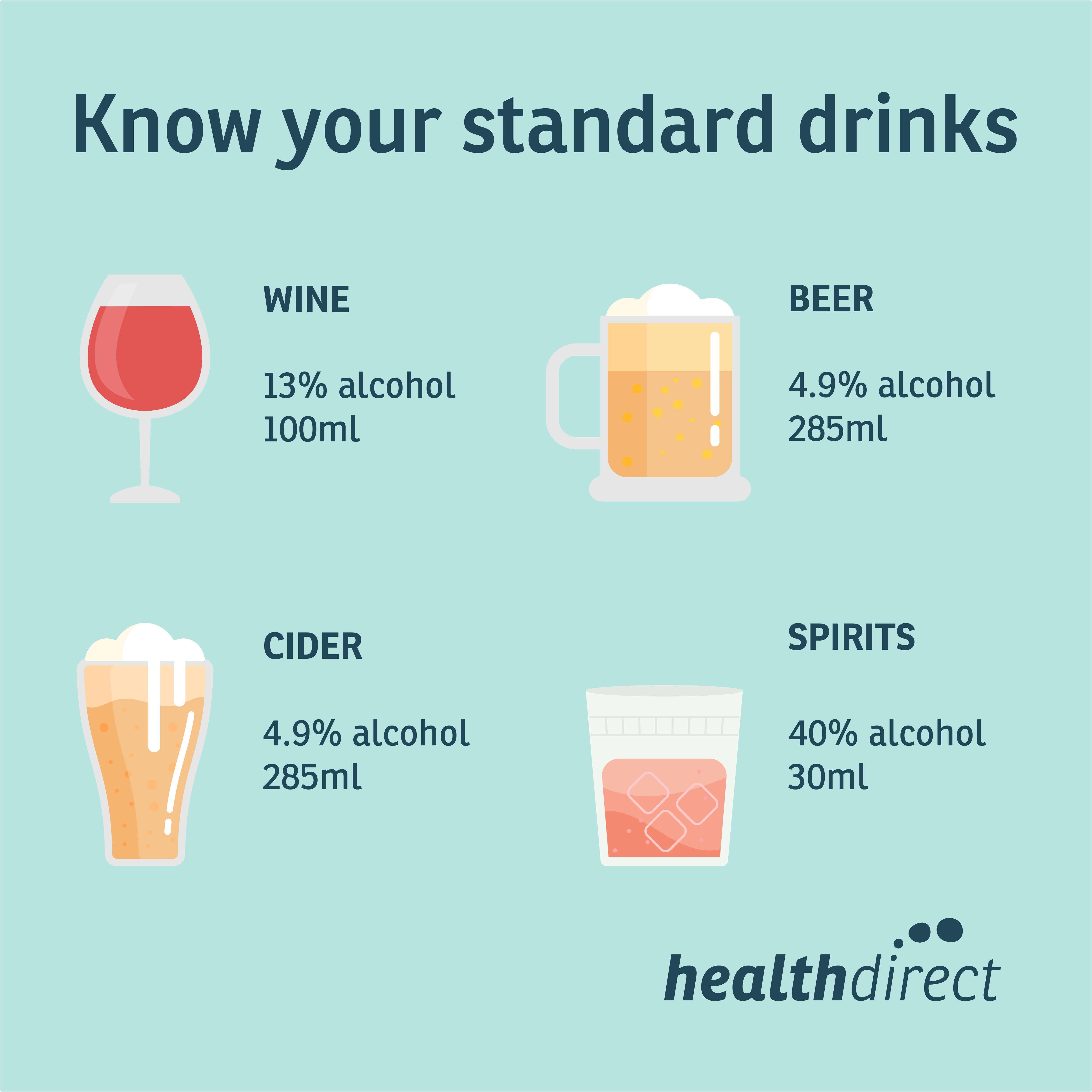
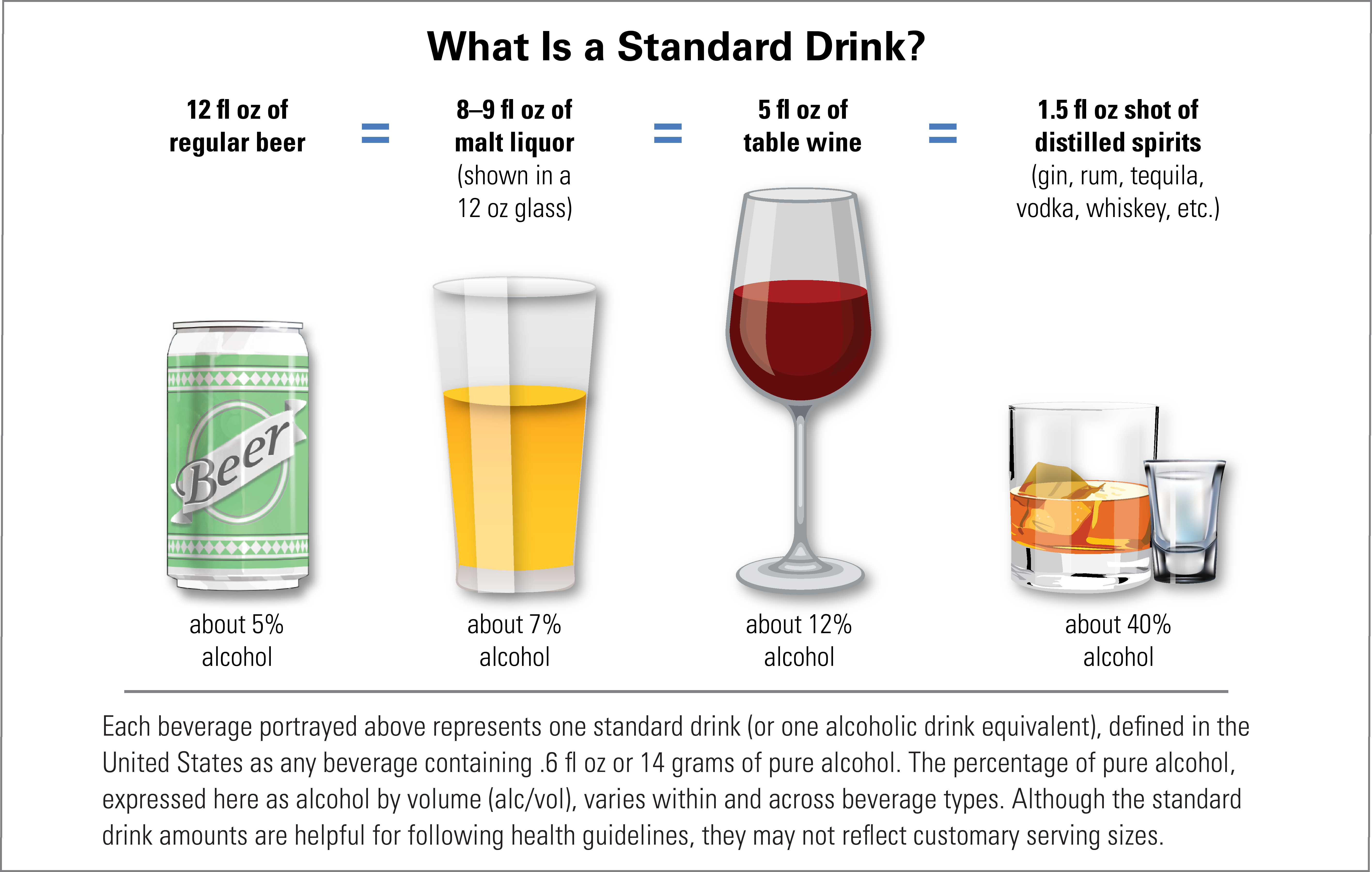
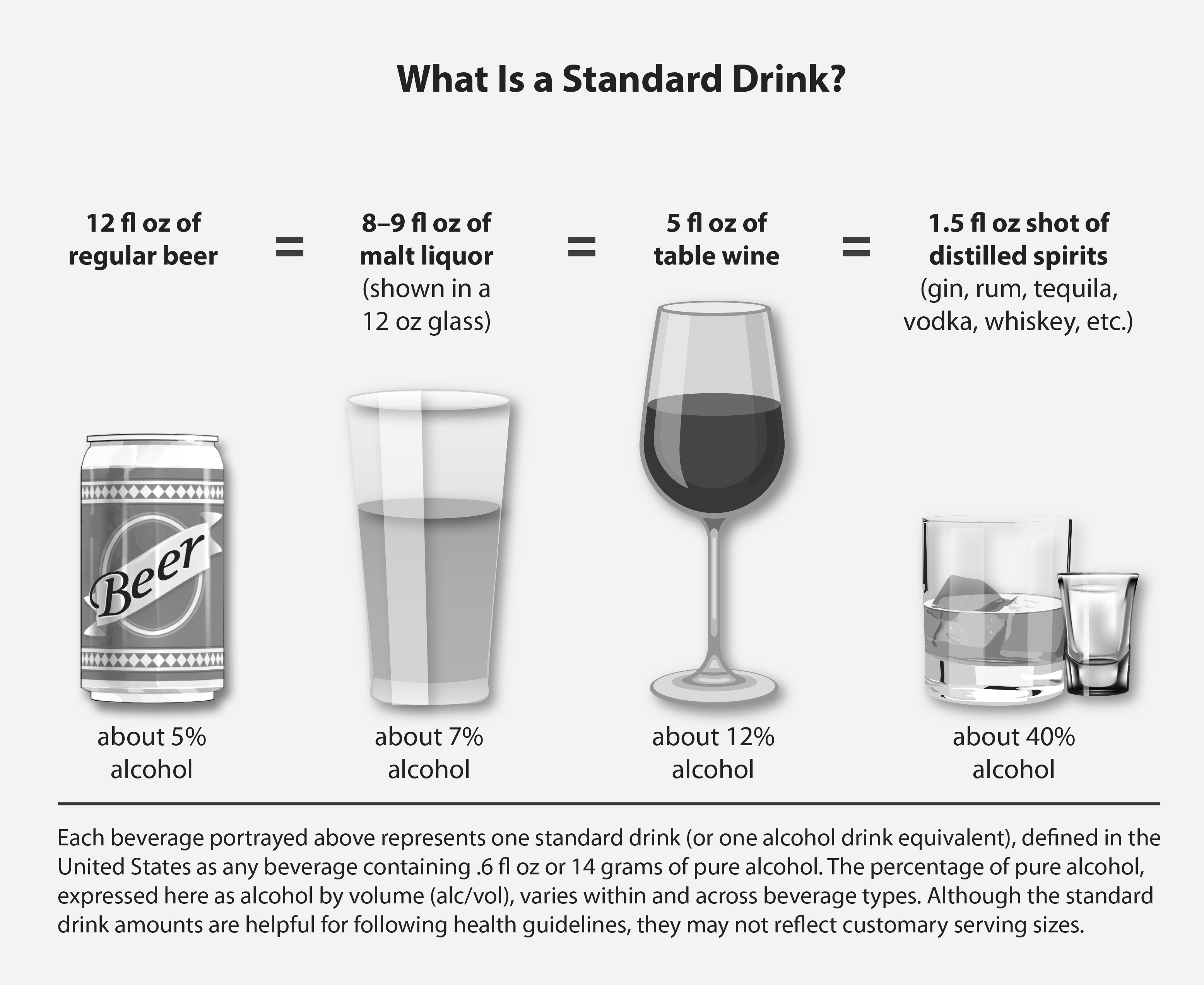
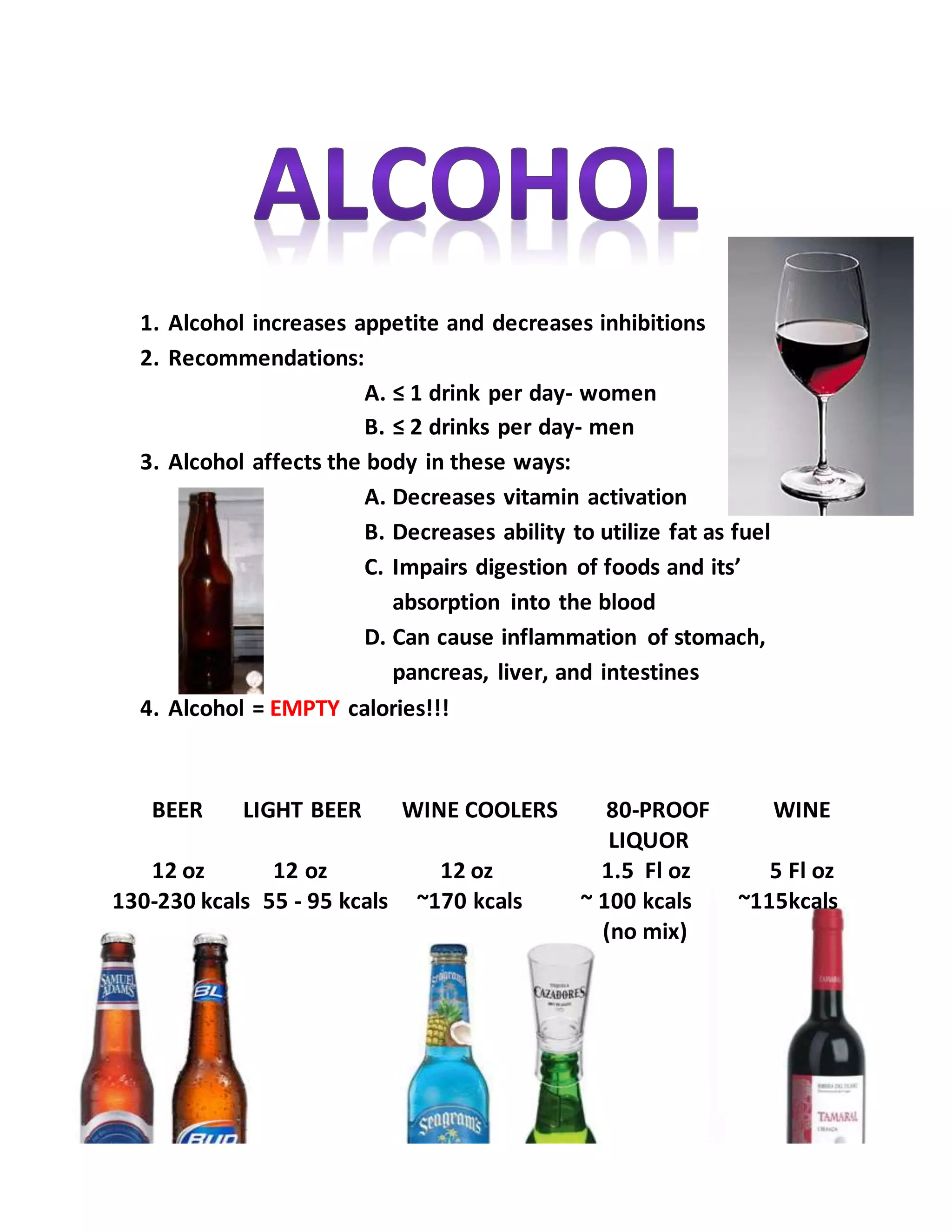
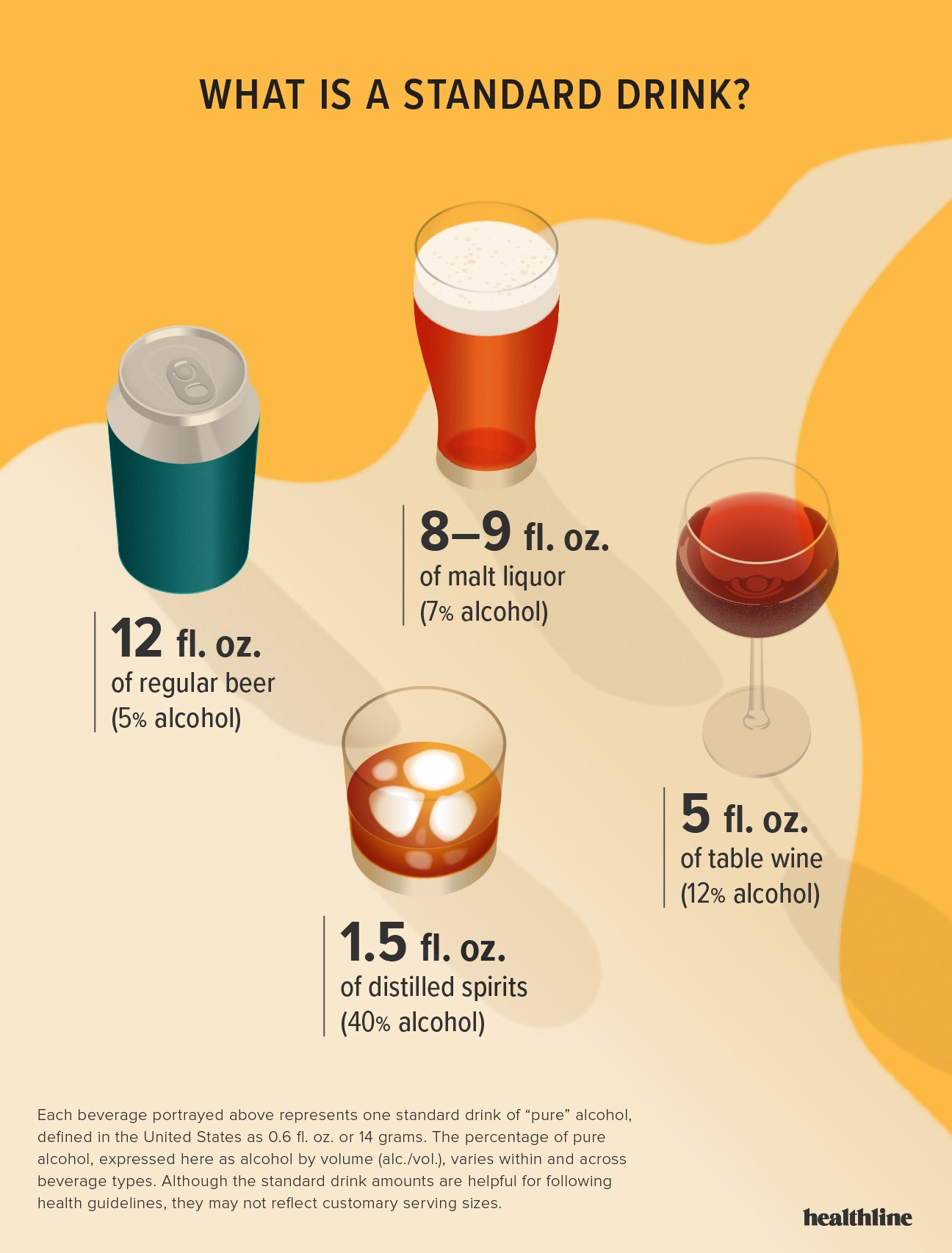
Beyond the percentage listed on the bottle, public health guidelines emphasize the concept of a "standard drink" to help individuals monitor their ethanol consumption. In the United States, a standard drink contains approximately 14 grams (0.6 fluid ounces) of pure alcohol. This amount corresponds to roughly 12 fluid ounces of regular beer at 5% ABV, 5 fluid ounces of wine at 12% ABV, or 1.5 fluid ounces of 80-proof distilled spirits at 40% ABV.
| Beverage Type | Average Volume | Typical Alcohol Content (ABV) | Pure Ethanol per Serving |
|---|---|---|---|
| Regular Beer | 12.0 fl oz (355 ml) | 5.0% | 14.0 grams (0.6 fl oz) |
| Craft/Imperial Beer | 12.0 fl oz (355 ml) | 8.0% | 22.4 grams (0.96 fl oz) |
| Table Wine | 5.0 fl oz (148 ml) | 12.0% | 14.2 grams (0.61 fl oz) |
| Fortified Wine | 3.0 fl oz (89 ml) | 20.0% | 14.1 grams (0.61 fl oz) |
| Distilled Spirits | 1.5 fl oz (44 ml) | 40.0% (80 Proof) | 14.0 grams (0.6 fl oz) |
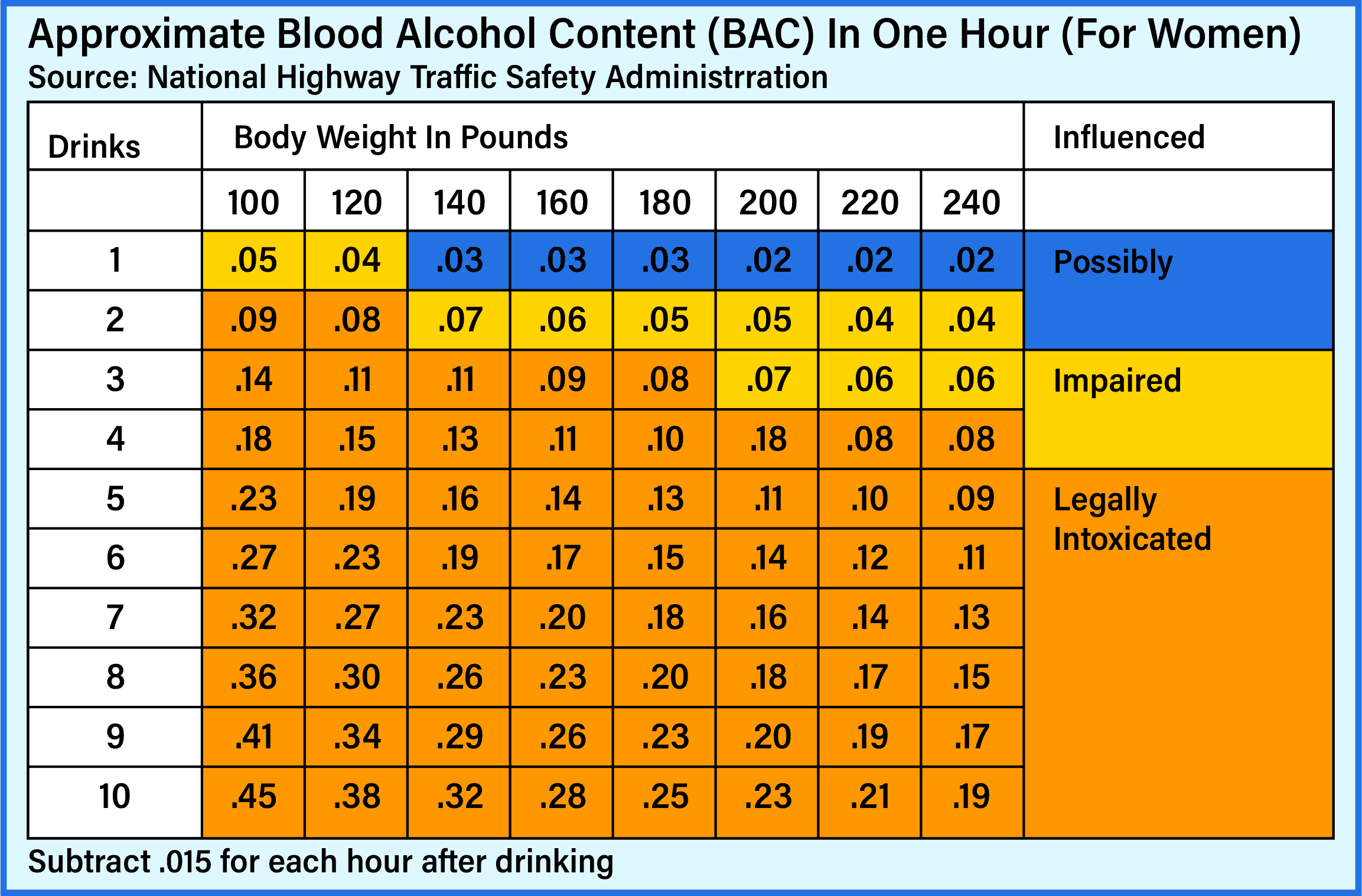
The human body processes ethanol at a relatively constant rate, primarily through the action of the enzyme alcohol dehydrogenase in the liver. When alcohol content is high or consumption is rapid, the concentration of ethanol in the bloodstream—known as Blood Alcohol Concentration (BAC)—rises. Factors such as body weight, biological sex, food intake, and metabolic rate influence how rapidly BAC increases and declines. Recognizing how different concentrations impact BAC is critical for avoiding acute intoxication and adhering to legal driving limits.
Regulatory Standards and Labeling Requirements
Governments enforce rigorous labeling laws to ensure that consumers are fully informed about the alcohol content of what they purchase. Regulatory bodies such as the Alcohol and Tobacco Tax and Trade Bureau (TTB) in the United States or equivalent international agencies mandate that labels display the exact ABV within specified tolerance ranges. For instance, table wines in the United States are permitted a tolerance of plus or minus 1.0 percentage point from the stated ABV, provided the final figure remains within specific legal tier boundaries.
Labeling requirements also serve tax and trade functions. Excise taxes levied by federal, state, and local governments are directly calculated based on the volume of liquid and its specific alcohol content. Higher-proof beverages attract significantly higher tax rates per gallon than lower-proof fermented beverages like beer and cider. Compliance with these standards requires precise laboratory testing, often utilizing gas chromatography or densitometry, to verify the exact ethanol concentration before commercial release.
Variations Across Beverage Categories
Different categories of alcoholic beverages naturally exhibit distinct alcohol content profiles due to the biological limitations of fermentation and the subsequent use of distillation.
- Fermented beverages rely solely on yeast consuming sugars in grains or fruits. Yeast activity naturally ceases when ethanol concentrations reach roughly 10% to 16%, as high toxicity levels kill the microorganisms. Consequently, standard beers generally range from 3% to 7% ABV, while unfortified wines typically range from 11% to 15% ABV.
- Fortified wines, such as port or sherry, undergo an additional step where distilled spirits are added to the fermented base, raising the final alcohol content to between 17% and 22% ABV.
- Distilled spirits, including vodka, rum, tequila, and whiskey, are produced by heating fermented mash to vaporize and condense the ethanol, separating it from water and congeners. This concentration process yields products starting at a minimum of 20% ABV and frequently reaching 40% to 60% ABV or higher.
Common Misconceptions About Alcohol Strength
Consumers frequently harbor misconceptions regarding how alcohol content behaves across different serving styles, mixology practices, and beverage types. One widespread myth is that mixing different types of alcohol—such as switching from beer to wine to spirits—accelerates intoxication faster than sticking to a single beverage type. In reality, the total mass of ethanol consumed determines intoxication levels, regardless of the source.
Another frequent misunderstanding involves the perceived strength of craft beverages versus mass-produced alternatives. Modern craft brewing and winemaking often produce beverages with significantly higher ABV than traditional commercial lagers or standard table wines. An imperial stout or a double IPA can easily reach 9% to 12% ABV, meaning a single pint delivers the ethanol equivalent of nearly two standard drinks. Failing to account for these elevated concentrations can lead to unintended overconsumption, even when individuals track the number of individual containers consumed.
How is alcohol content measured in laboratories?
Laboratories use precise scientific instruments, such as densitometers and gas chromatographs, to measure the exact density or chemical separation of ethanol relative to water in a beverage sample.
Why does wine alcohol content vary so much between vintages?
Weather patterns, sunlight hours, and grape ripening times dictate the sugar content of harvested grapes. Higher sugar levels yield more food for yeast during fermentation, resulting in a higher final ABV.
Can non-alcoholic beverages contain trace amounts of alcohol?
Yes, many beverages marketed as non-alcoholic or low-alcohol, including certain kombuchas, fruit juices, and alcohol-free beers, may legally contain up to 0.5% ABV due to natural fermentation processes.
What is the difference between ABV and proof?
ABV measures the exact percentage of ethanol by volume in a liquid, whereas proof is a historical scale that is calculated as exactly twice the numeric value of the ABV in the United States.
How does temperature affect alcohol volume measurements?
Ethanol expands and contracts with temperature changes more rapidly than water. Standardized testing protocols always require liquid samples to be adjusted to a benchmark temperature, usually 20 degrees Celsius, to ensure accurate readings.
Verifying Product Labels and Managing Consumption Safely
To ensure responsible consumption and accurate tracking of intake, always review the specific ABV statement printed on the manufacturer's label before opening a beverage. When trying new craft varieties, artisanal wines, or specialized cocktails, recognize that non-standard serving sizes and elevated concentrations can dramatically increase ethanol intake relative to traditional pours. Consulting official public health guidelines and utilizing standard drink conversions will help maintain safe, informed consumption habits.