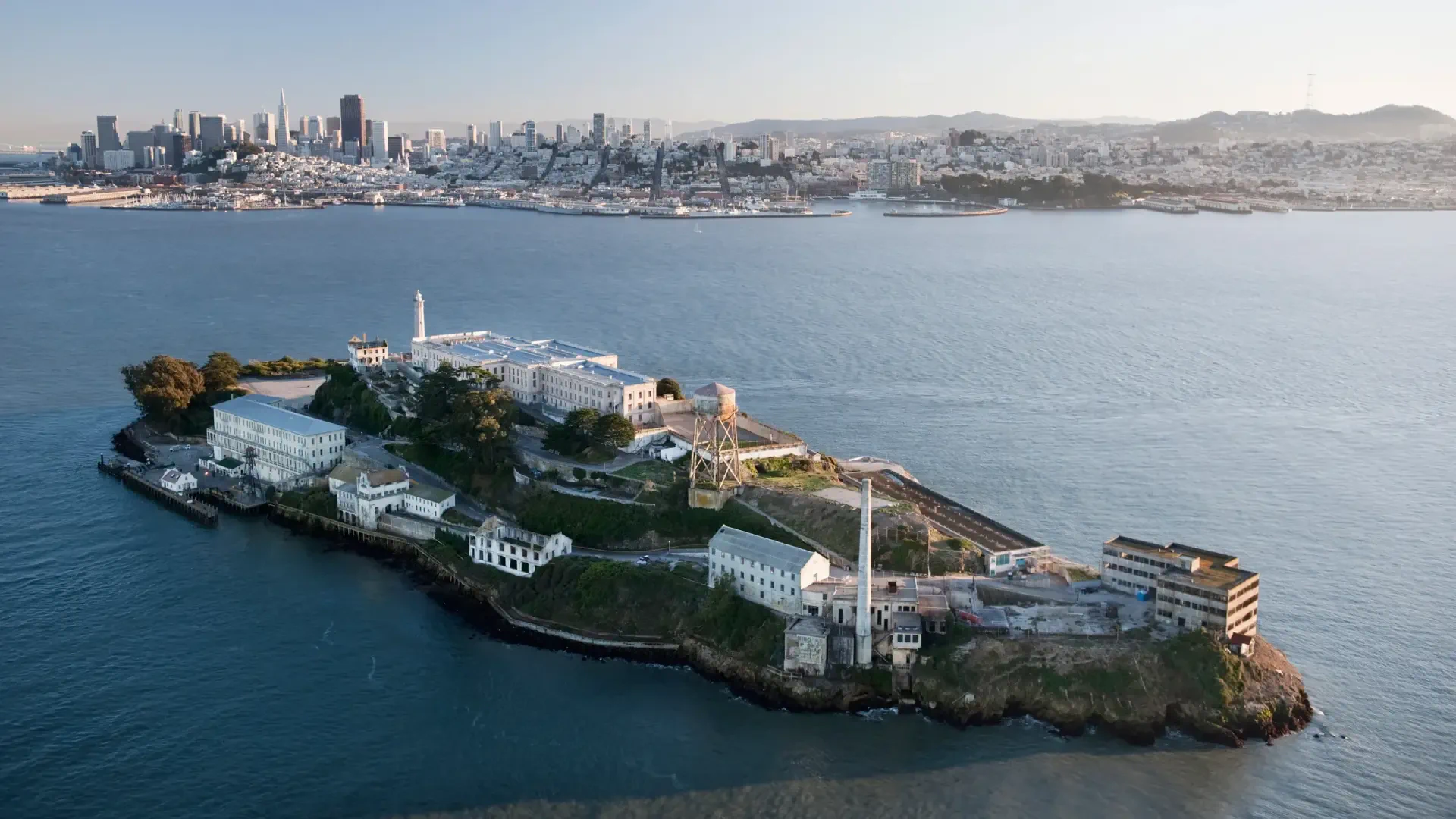
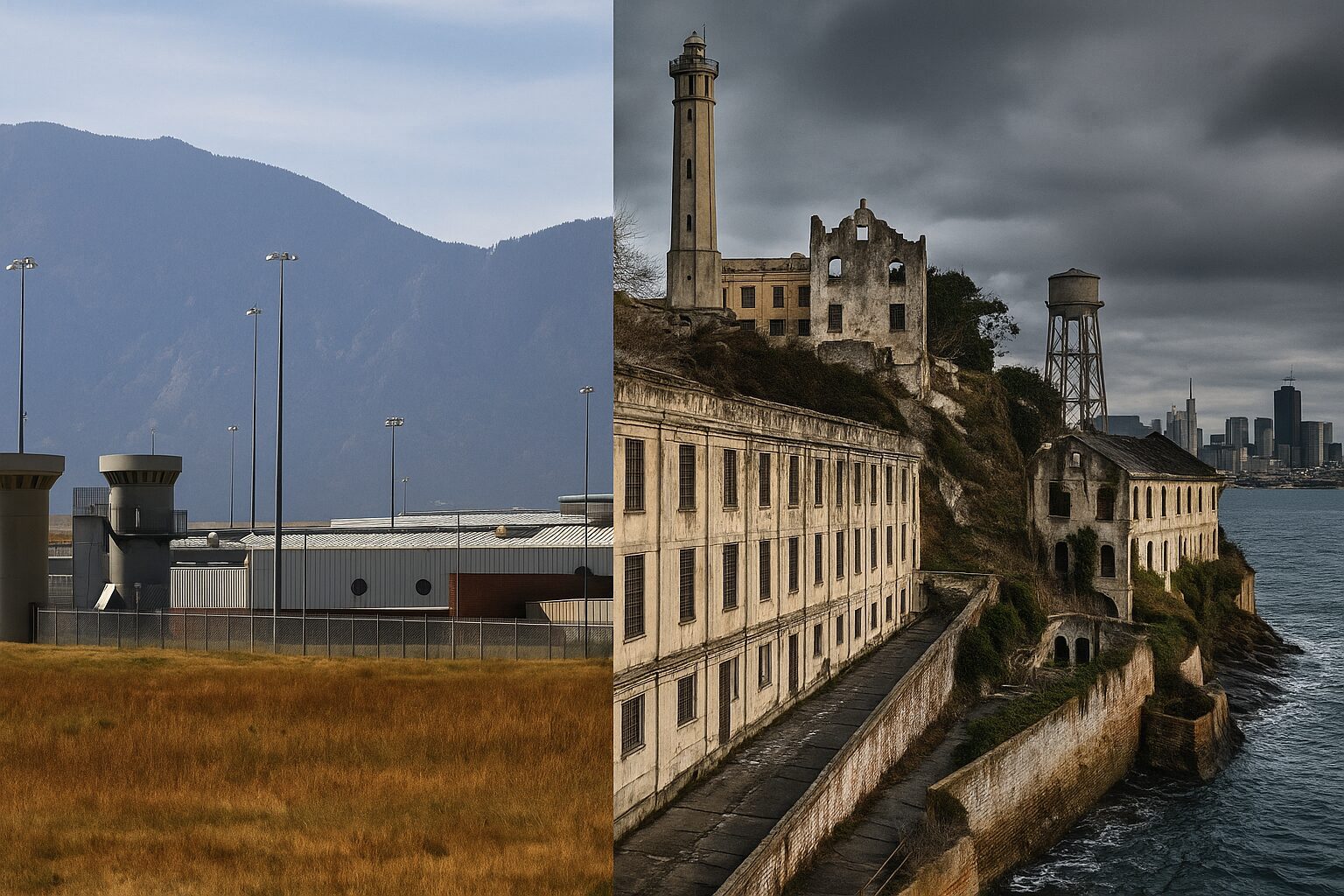
Alcatraz Island's historic transformation represents a massive multi-million dollar preservation effort by the National Park Service and architectural conservationists. This painstaking multi-decade undertaking stabilized crumbling concrete, restored rusting cellhouse steel, and modernized visitor access, turning a decaying federal penitentiary into a globally revered cultural landmark.
The Preservation Challenge: Structural Decay and Environmental Realities
Perched on a jagged rock 1.5 miles off the coast of San Francisco, Alcatraz Island is subjected to some of the most aggressive environmental conditions in North America. Salt spray, fierce winds, seismic activity, and heavy marine moisture battered the concrete and steel structures from the days of the military fortress in the mid-19th century through its tenure as a maximum-security federal penitentiary from 1934 to 1963. When the facility was transferred to the National Park Service (NPS) following the closure of the prison, decades of deferred maintenance had left the entire complex in a state of advanced physical degradation.
The primary enemy of the historic fabric was spalling concrete. Water infiltration over decades caused the internal reinforcing steel bars to rust, expand, and crack the surrounding concrete matrix. This process threatened not only the iconic main cellhouse but also the Warden's House, the Post Exchange, and the industrial workshops. Engineers faced a complex stabilization challenge: how to halt structural deterioration using modern engineering techniques without altering the historic visual integrity of the site. Preservation mandates required that every repair blend seamlessly with the original 20th-century construction materials, matching aggregate sizes, colors, and surface textures.
Furthermore, hazardous materials remediation formed a massive component of the initial phases. Lead-based paints applied across the facility during its operational decades and extensive asbestos insulation wrapping steam pipes and utility conduits required specialized containment and removal protocols. Contractors had to execute these dangerous tasks within confined, wind-swept historic spaces while protecting delicate avian wildlife habitats on the island, particularly nesting seabirds protected by federal conservation laws.
Architectural Conservation Techniques and Material Science
Executing the restoration of Alcatraz required advanced applications of modern material science tailored to historic preservation. Structural engineers utilized cathodic protection systems and migrating corrosion inhibitors to arrest the oxidation of internal steel reinforcement within the concrete walls and ceilings without tearing down the primary structures. Where concrete had entirely lost its structural capacity, crews chipped away damaged sections down to sound material, treated the exposed rebar, and hand-patched the voids using specialized polymer-modified mortars engineered to mimic the original mix designs of the 1930s.
The iconic cellhouse interior presented unique conservation hurdles. The steel bars of the cellblocks, locking mechanisms, and gallery walkways were heavily corroded and coated in layers of flaking industrial paint. Conservators deployed micro-abrasive blasting techniques using environmentally inert media to carefully strip away toxic paint layers down to bare metal. Each tier was then treated with rust-inhibiting primers and finished with coatings carefully color-matched to the historical green and gray paint palettes used by the Federal Bureau of Prisons.
Roofing repairs across the complex required an equally meticulous approach. The flat concrete roofs of the cellhouse and administrative buildings were waterproofed using elastomeric membranes hidden beneath protective ballast layers, preventing water ingress while maintaining the historic rooflines visible from San Francisco Bay. Structural stabilization also involved injecting high-strength epoxy resins into major seismic cracks, ensuring that the sprawling brick and concrete structures could withstand major earthquakes common to the San Andreas and Hayward fault zones.
Modernizing Visitor Access and Sustainable Infrastructure
While structural preservation secured the physical shell of the prison, transforming Alcatraz into a premier public destination demanded a total overhaul of the island's utility and transportation infrastructure. For decades, the island relied on outdated, failing electrical grids, aging water transport barges, and inadequate sewage systems. Modern rehabilitation projects installed subterranean utility corridors housing modern fiber-optic cables, high-voltage electrical lines, and upgraded potable water supply systems.
| Infrastructure Upgrade | Previous Operational State | Modern Remediation & Technology |
|---|---|---|
| Power & Electrical | Aging diesel generators and failing mid-century wiring. | Integrated mainland submarine power cables and rooftop solar arrays. |
| Water & Wastewater | Water barge transport and failing gravity sewer lines. | Submarine freshwater lines and modern closed-loop wastewater management. |
| Docks & Ferry Access | Deteriorating wooden piers vulnerable to heavy bay swells. | Reinforced concrete pier construction and ADA-compliant gangways. |
| Visitor Circulation | Unstable staircases and restricted interior pathways. | Engineered stabilization, handrail integration, and audio-guided routing. |
Improving accessibility for millions of annual visitors without compromising the historic landscape was a central objective of the rebirth initiative. Engineers designed ADA-accessible pathways, ramps, and elevator integrations within the rugged terrain, enabling visitors with mobility impairments to traverse the steep incline from the dock to the main cellhouse. Additionally, the historic New Industries Building underwent targeted stabilization to expand exhibition space, allowing the NPS to showcase rare artifacts, photographic archives, and immersive interpretive displays detailing the social history of the island, including the 19-month Native American occupation spanning 1969 to 1971.
Environmental Stewardship and Wildlife Integration
The rebirth of Alcatraz extends far beyond architectural preservation into active ecological restoration. The island serves as a vital nesting ground for numerous colonial waterbirds, including western gulls, black-crowned night herons, and pigeon guillemots. During the planning phases of major renovation projects, the National Park Service collaborates closely with wildlife biologists to establish strict seasonal construction windows. Heavy work capable of generating disruptive noise or vibrations is strictly curtailed during the spring nesting season to protect vulnerable chicks and breeding pairs.
Concurrently, invasive plant eradication programs have systematically replaced non-native ice plant and weeds with native coastal scrub vegetation. The historic gardens—originally planted by officers' families and later tended by inmates—have been painstakingly rehabilitated. Horticultural restoration teams utilize historical photographs and seed-banking techniques to cultivate heirloom roses, sweet peas, and ancient fruit trees that once bloomed on the windswept rock, blending botanical heritage with modern environmental conservation.
Energy efficiency also plays a major role in the modern management of the facility. The installation of a massive microgrid featuring rooftop photovoltaic solar arrays on island structures significantly reduces the reliance on mainland fossil fuels for electricity. Advanced LED lighting systems illuminate exhibition spaces safely while minimizing light pollution that could disorient migratory birds traversing the Pacific Flyway over San Francisco Bay.
Frequently Asked Questions
What caused the physical deterioration of Alcatraz before renovations began?
Decades of harsh marine exposure, high winds, salt spray, and seismic activity severely degraded the concrete and steel structures. This natural decay was accelerated by years of deferred maintenance following the closure of the federal penitentiary in 1963, leading to widespread concrete spalling and structural rusting.
How did preservationists maintain historical accuracy during the restoration?
Architectural conservators utilized advanced material science to analyze original concrete mix designs, paint colors, and mortar compositions. Every structural patch, metal treatment, and surface coating was hand-applied and color-matched to strict historical guidelines set by the National Park Service and the State Historic Preservation Office.
Are all areas of the Alcatraz prison open to the public following the renovations?
While major zones including the main cellhouse, the recreation yard, and the newly stabilized gardens are fully accessible, certain deteriorated structures—such as parts of the upper staff quarters and specific industrial wings—remain closed for safety reasons and ongoing phased stabilization work.
How do ongoing conservation efforts protect local wildlife on the island?
The National Park Service enforces strict seasonal construction moratoriums to prevent loud renovation work from disturbing nesting seabirds. Additionally, habitat restoration projects actively remove invasive plants and cultivate native coastal flora to support local biodiversity.
What role does sustainable technology play on the historic island?
Modernized infrastructure on Alcatraz includes submarine power and water lines, high-efficiency wastewater management systems, and a dedicated solar microgrid. These sustainable upgrades reduce the carbon footprint of managing a remote island destination while preserving its delicate ecosystem.
Planning Your Visit to the Restored Landmark
Experiencing the stunning rebirth of Alcatraz firsthand requires advance preparation due to high global demand and controlled visitor capacities designed to protect the fragile historic structures. Ferries depart daily from Pier 33 in San Francisco, operated by the official concessionaire authorized by the National Park Service. Visitors should secure tickets weeks or months in advance, particularly during peak summer months and holidays. Wearing comfortable walking shoes is essential for navigating the steep 0.5-mile incline from the dock to the cellhouse entrance, though electric shuttle options are available for visitors with specific mobility needs. By supporting authorized tours, visitors directly fund the ongoing architectural conservation and ecological stewardship required to maintain this historic American landmark for future generations.