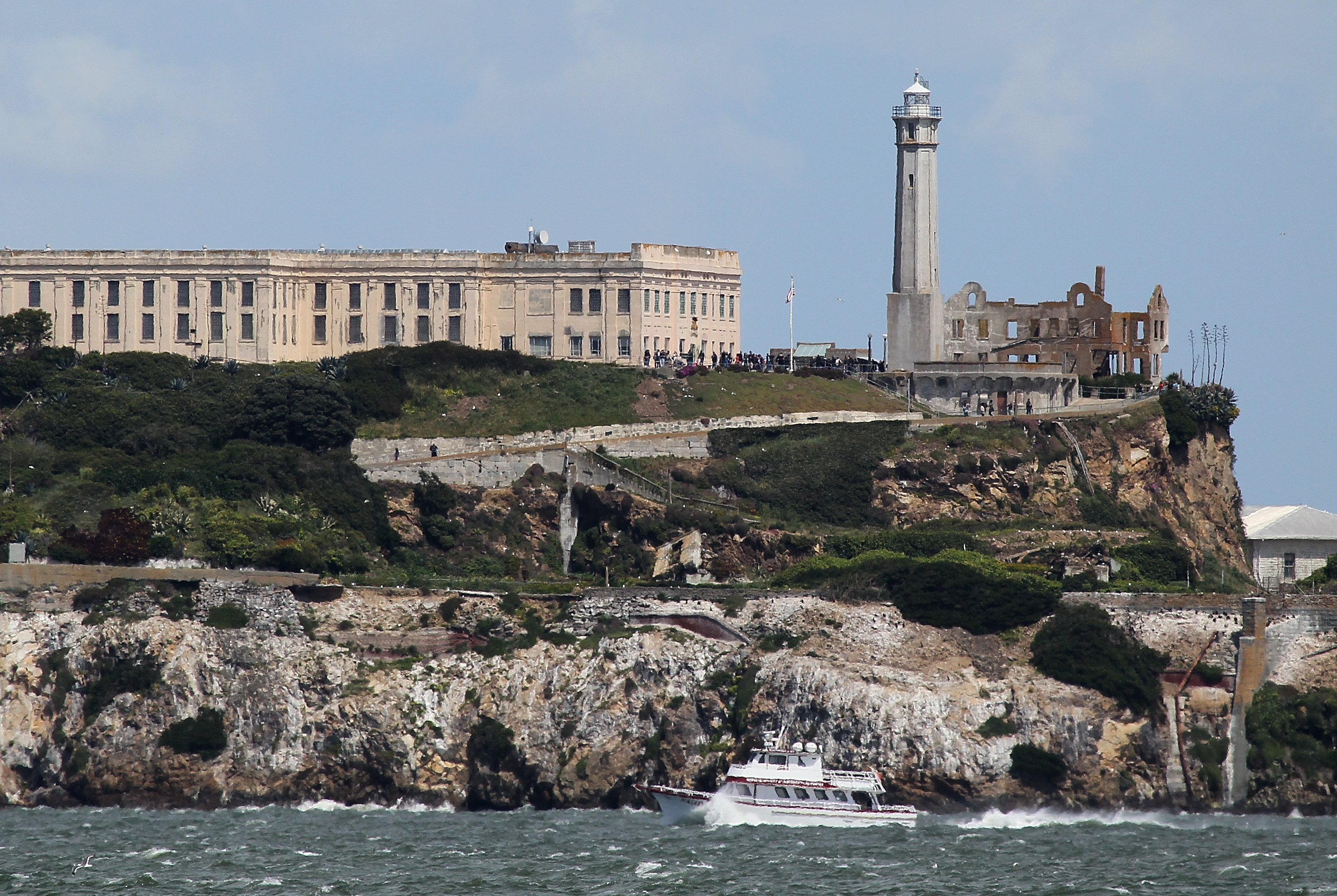
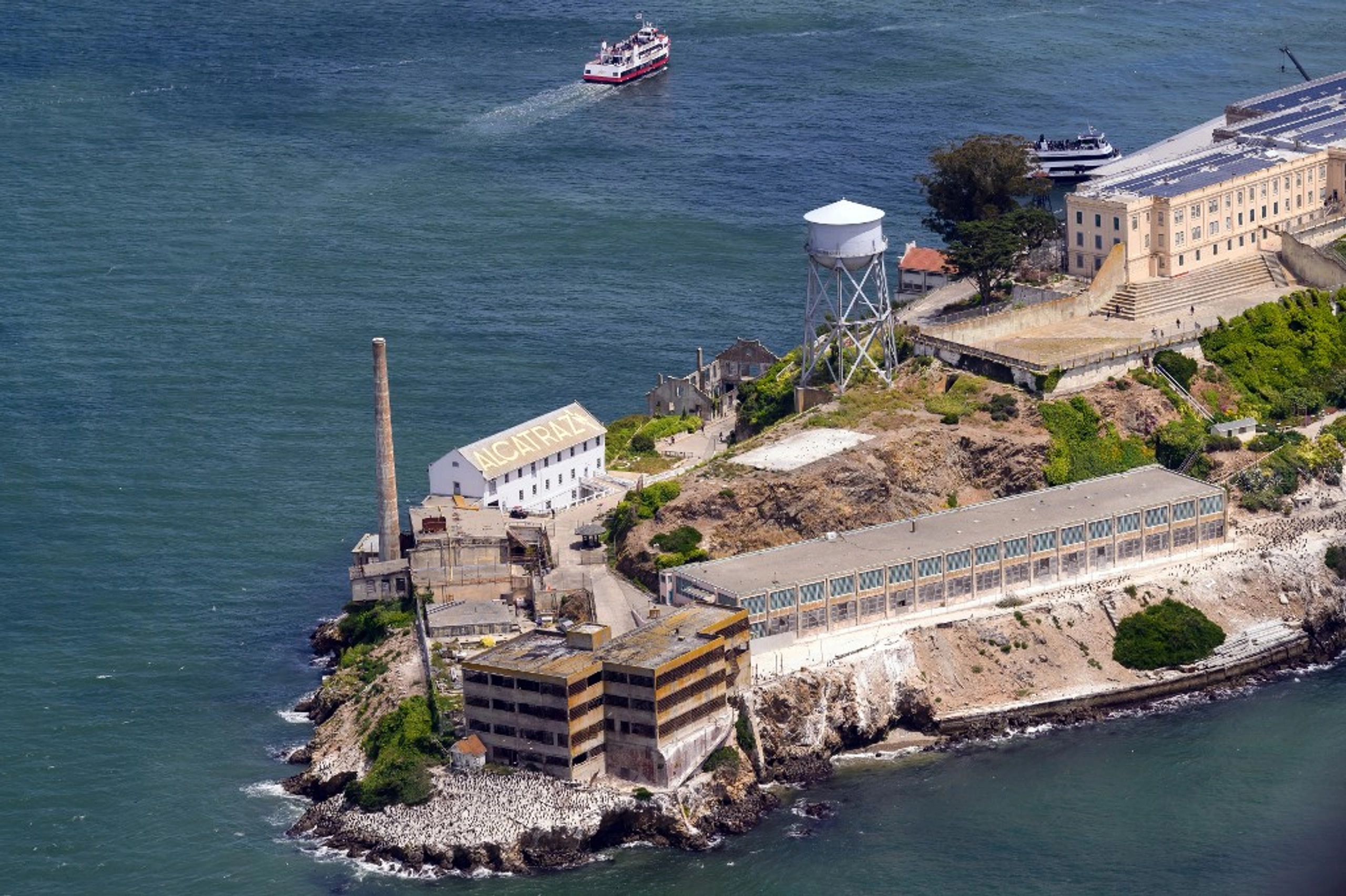
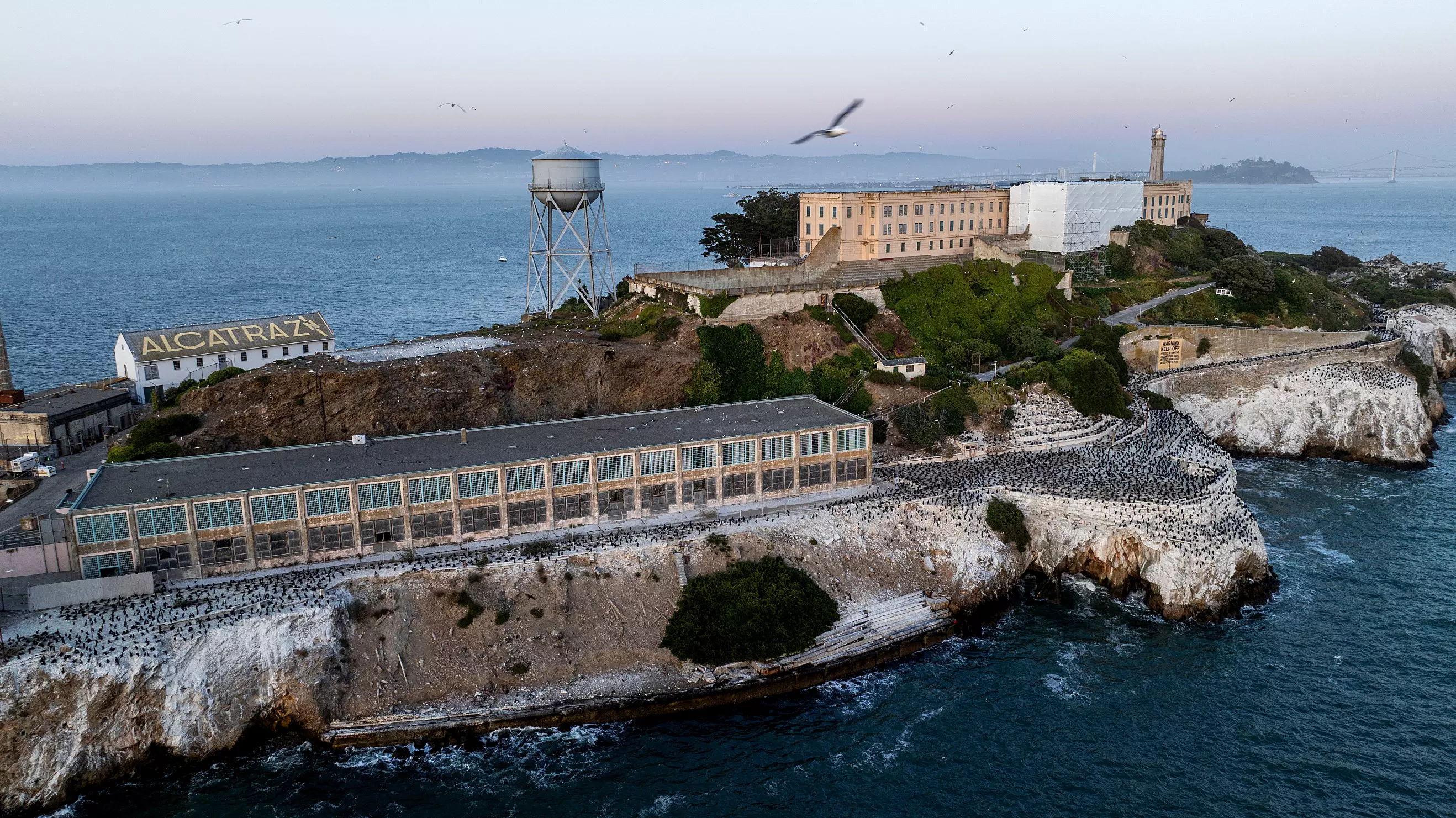
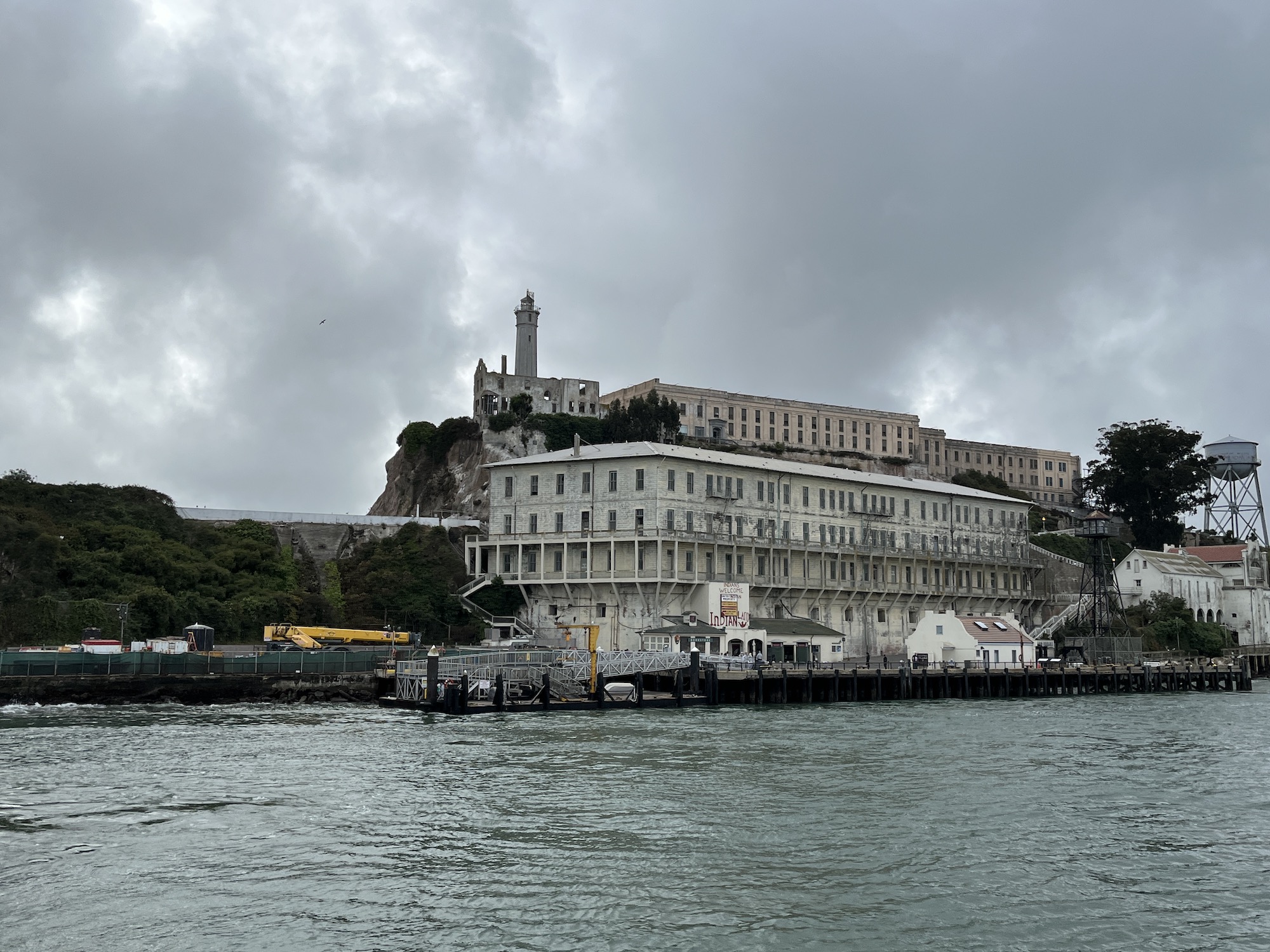
The phrase "alcatraz prison reopening history returns to alcatraz island" evokes persistent public curiosity about whether the infamous federal penitentiary will ever resume operations. In reality, the prison remains permanently closed as a correctional facility, and the site operates strictly as a historic landmark managed by the National Park Service, meaning that "reopening" refers exclusively to historical exhibitions, interpretive programs, and public access restoration rather than the return of inmates.
Understanding the Operational Status of Alcatraz Island
The federal penitentiary on Alcatraz Island closed its doors in March 1963, primarily due to exorbitant operational and maintenance costs caused by the corrosive saltwater environment, as well as mounting structural deterioration. Rumors regarding an Alcatraz prison reopening surface periodically, often fueled by cinematic depictions, urban legends, or sensationalized media coverage. However, the Federal Bureau of Prisons has no legal or logistical mandate to reactivate the facility.
Instead of housing federal inmates, the island transitioned into a premier cultural and historical destination under the administration of the Golden Gate National Recreation Area, a unit of the National Park Service. When discussions of "reopening" arise within tourism and historical circles, they denote the restoration of previously closed structures, the expansion of visitor access to restricted zones, or the unveiling of new historical exhibits that bring federal penitentiary history back to the forefront of public consciousness.
The Historical Context of Federal Incarceration on the Rock
Before examining modern tourism logistics, it is essential to understand the institutional trajectory that cemented Alcatraz in American penal history. Originally fortified as a military defense post and military prison during the mid-to-late 19th century, the island was transferred to the Department of Justice in 1934 to serve as a maximum-security, minimum-privilege federal penitentiary designed to handle incorrigible troublemakers from other federal institutions.
During its 29 years as a federal civilian penitentiary, Alcatraz housed some of the most notorious criminals in American history, including Al Capone, George "Machine Gun" Kelly, and Robert Stroud, commonly known as the "Birdman of Alcatraz." The facility's geographic isolation in the freezing, turbulent waters of San Francisco Bay made it widely considered escape-proof, though 36 men attempted to break out across 14 separate incidents. The definitive closure in 1963 marked the end of an era in American correctional philosophy, shifting the focus away from maximum-security island isolation toward mainland rehabilitation models.
Transition from Federal Penitentiary to National Park Service Landmark
Following the closure of the prison, Alcatraz Island underwent a complex transitional period that shaped its current status as a protected national landmark. In 1969, a group of Native American activists occupied the island for nearly 19 months, citing historical land rights under the Treaty of Fort Laramie. This occupation left a profound cultural footprint, with remnants of graffiti still visible and recognized as part of the island’s layered historical narrative.
By 1972, legislation established the Golden Gate National Recreation Area, incorporating Alcatraz Island into the National Park system. The site officially opened to public tourism in 1973, allowing visitors to tour the decaying cellhouse for the first time. Over subsequent decades, the National Park Service, in partnership with organizations like the Golden Gate National Parks Conservancy, embarked on extensive stabilization and preservation projects to mitigate the severe environmental degradation caused by wind, fog, and salt spray.
Public Access, Infrastructure Restoration, and Modern Tourism
Restoring and maintaining access to a crumbling 20th-century concrete structure in the middle of San Francisco Bay requires continuous engineering and financial investment. When sections of the island or specific historic buildings are closed for seismic retrofitting or asbestos abatement, their subsequent reopening is frequently reported by media outlets using terminology that casual observers misinterpret as a reactivation of the prison itself.
| Facility Era / Phase | Primary Function | Current Status & Access Level |
|---|---|---|
| Military Fortification (1850–1933) | Coastal defense and military prison | Partially accessible via guided exterior tours and historical trails |
| Federal Penitentiary (1934–1963) | Maximum-security federal civilian prison | Fully accessible main cellhouse via official audio tour |
| Occupation Era (1969–1971) | Native American political occupation site | Commemorated through specific interpretive exhibits and markers |
| National Park Era (1973–Present) | Historic site, wildlife sanctuary, and museum | Open daily to ticketed visitors via authorized ferry concessionaires |
Visitors planning a trip to Alcatraz Island must navigate specific logistical parameters managed by the National Park Service and its official concessionaire, City Cruises. Because daily visitor capacity is strictly regulated to protect fragile nesting bird habitats and historic structures, securing tickets often requires booking several weeks or months in advance, particularly during peak summer months and holidays.
Frequently Asked Questions Regarding Alcatraz Island
Will Alcatraz ever reopen as an active prison?
No. Alcatraz will never reopen as an active correctional facility. The Federal Bureau of Prisons decommissioned the site permanently in 1963 due to prohibitive maintenance costs and logistical inefficiencies. The island is permanently designated as a historic site managed by the National Park Service.
How do visitors travel to Alcatraz Island?
Transportation to the island is exclusively available through City Cruises, the official concessionaire authorized by the National Park Service. Ferries depart regularly from Pier 33 at the Embarcadero in San Francisco. Private boats are strictly prohibited from docking at the island's pier without prior federal permits.
Are all areas of the island accessible to the public?
While the main cellhouse, recreation yard, and specific historical buildings are fully accessible to ticketed visitors, certain zones—including unstable structural ruins, nesting bird preserves, and remote cliffside paths—remain closed to the public for safety and conservation reasons.
What is included in the standard Alcatraz Island tour ticket?
Standard admission includes the round-trip ferry transit, access to the island grounds, and the acclaimed multi-language cellhouse audio tour featuring narration from former inmates and correctional officers. Specialized behind-the-scenes tours or night tours offer extended access to restricted areas and unique lighting conditions.
How far in advance should visitors book tickets?
Due to high global demand and strict daily visitor caps enforced by federal land managers, tickets should be reserved well in advance. During peak tourist seasons, tickets frequently sell out four to eight weeks prior to the intended visit date.
Planning Your Visit and Navigating Historical Exhibitions
For travelers and history enthusiasts drawn to the enduring legacy of the federal penitentiary, experiencing the site firsthand requires careful planning and adherence to National Park Service guidelines. Visitors should wear sturdy walking shoes, as the uphill trek from the dock to the cellhouse covers a steep incline equivalent to a 13-story building, though an electric shuttle service is available for visitors with mobility considerations. By distinguishing between sensationalized rumors of a prison reopening and the reality of ongoing historical preservation, visitors can fully appreciate the complex layers of military, penal, and social history preserved on Alcatraz Island.