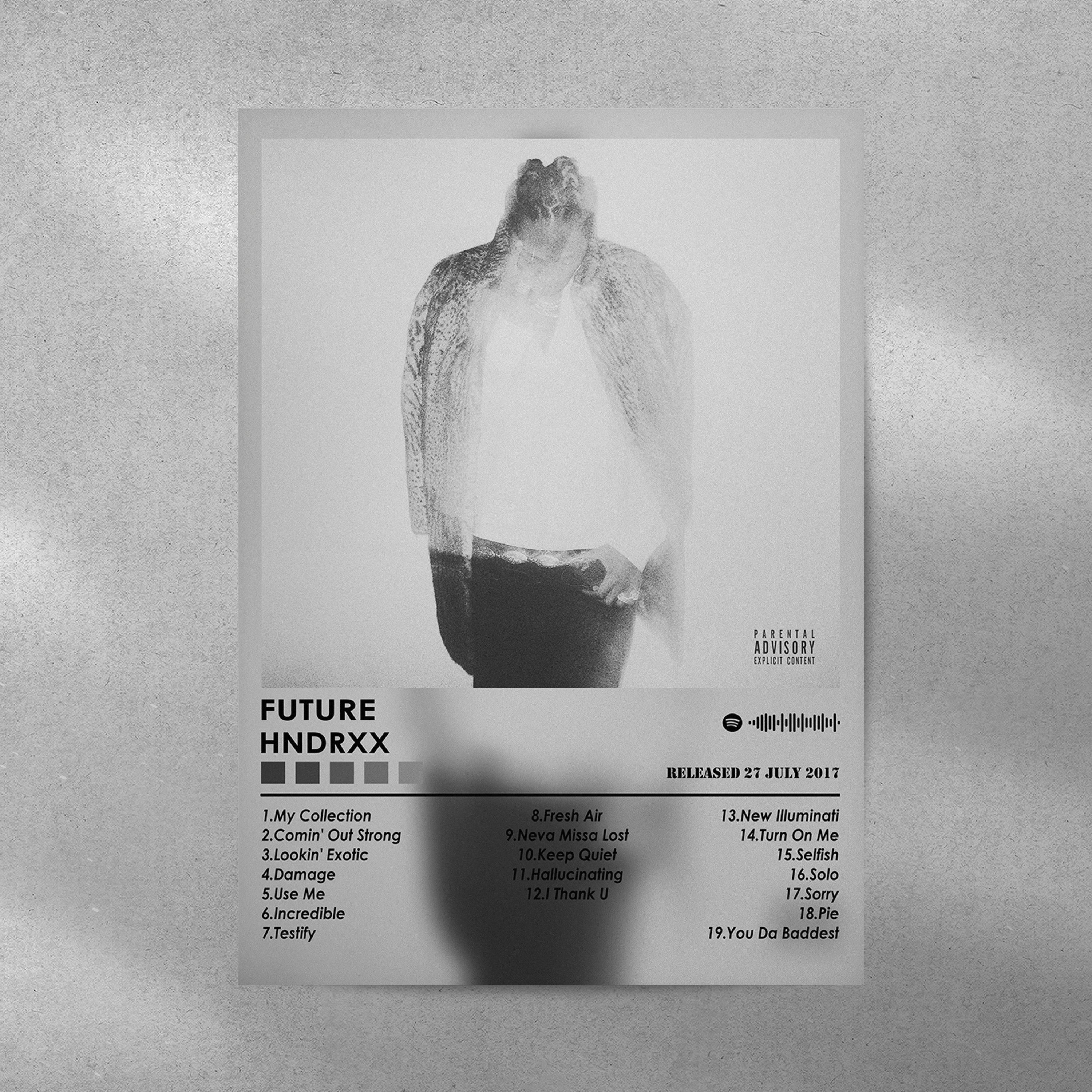
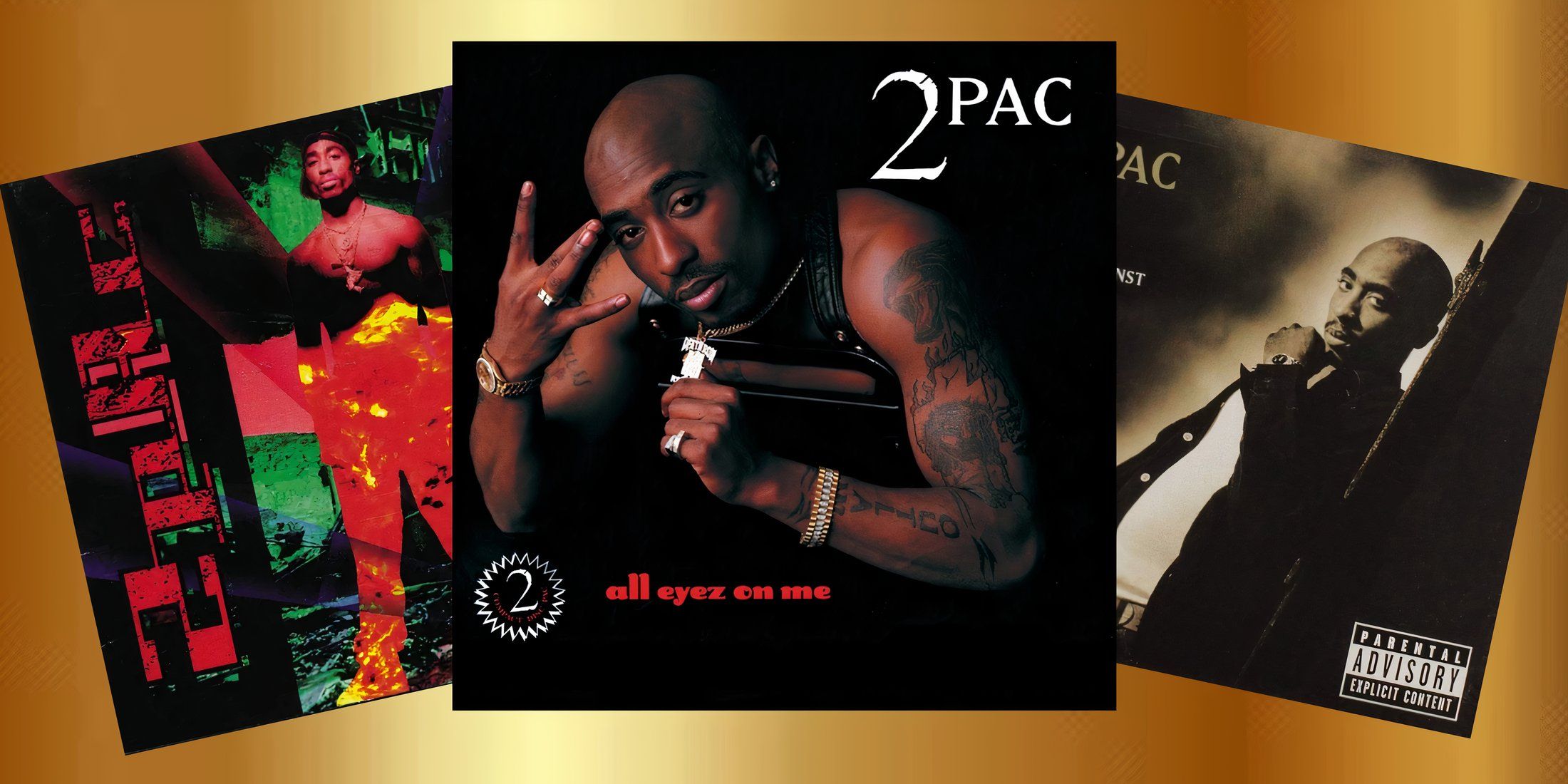
Album runtime refers to the total duration of a complete musical recording project, a metric that has evolved from physical medium limitations into a flexible artistic and commercial choice influenced by streaming algorithms. This comprehensive guide explores how album runtimes are measured, how physical and digital formats shaped them over time, and how modern listening habits continue to redefine the length of a standard record.
The Evolution of Album Runtime Across Physical Formats
The concept of album runtime is deeply rooted in the physical engineering of sound reproduction. For decades, the technical constraints of recording media dictated how long an artist could make a record. When audio was transferred to vinyl or magnetic tape, engineers had to balance playing time with audio fidelity.
The 7-inch single and the 12-inch long-playing (LP) vinyl record introduced strict physical boundaries. A standard 12-inch vinyl LP rotating at 33 1/3 revolutions per minute (RPM) typically accommodated about 21 to 24 minutes of audio per side without sacrificing groove depth and bass response. Consequently, classic vinyl albums generally hovered between 40 and 45 minutes in total length. Pushing past 46 or 50 minutes required narrowing the grooves, which resulted in a noticeable drop in volume and dynamic range.
The introduction of the Compact Disc (CD) in the early 1980s fundamentally shifted these calculations. With a standard capacity of 74 minutes—reportedly chosen by Sony and Philips executives to fit Beethoven's Ninth Symphony in its entirety—the CD allowed artists to expand their creative scope. Throughout the 1990s and 2000s, album runtimes routinely ballooned past the 60-minute mark. Double albums, hidden tracks, and bloated tracklists became common as creators took advantage of the medium's capacity, though critics often argued that this era suffered from a lack of rigorous editing.
How Digital Streaming Algorithms Changed Album Lengths
The transition from physical ownership to on-demand digital streaming platforms like Spotify, Apple Music, and YouTube Music introduced an entirely new set of economic and structural incentives for album runtime. In the streaming economy, revenue is generated per stream, where a stream is typically counted only after a track has played for at least 30 seconds.
This financial model incentivized a distinct trend toward shorter, more frequent album releases and higher track counts comprised of shorter individual songs. Instead of releasing a cohesive 45-minute project every two or three years, artists often experiment with project lengths to maximize algorithmic visibility. Playlists dominate modern music consumption, and algorithms favor tracks that maintain high completion rates. Shorter songs naturally achieve higher completion rates, pushing overall album runtimes down in certain genres, particularly hip-hop and pop.
Conversely, some artists utilize streaming platforms to release massive, sprawling projects exceeding 80 or 90 minutes. Because digital platforms have no physical storage limits, artists can drop deluxe editions, ambient soundscapes, or conceptual double albums without manufacturing overhead. This dichotomy has created a bifurcated landscape where concise, punchy statements coexist with maximalist digital archives.
Comparing Album Runtimes Across Musical Genres
Different musical genres approach album runtime through distinct aesthetic and commercial lenses. While a progressive rock or jazz record might embrace extended compositions and long runtimes, a commercial pop record is often engineered for tight pacing and rapid consumption.
| Musical Genre | Typical Album Runtime | Average Track Count | Primary Structural Driver |
|---|---|---|---|
| Pop / Commercial | 30 – 40 minutes | 10 – 13 tracks | Radio formatting, streaming retention, replay value |
| Hip-Hop / Trap | 35 – 55 minutes | 12 – 18 tracks | Playlist optimization, stream velocity, guest features |
| Rock / Indie | 40 – 50 minutes | 10 – 12 tracks | Traditional LP structure, thematic cohesion |
| Classical / Orchestral | 60 – 80+ minutes | 4 – 8 movements | Compositional integrity, historical movement lengths |
| Progressive / Metal | 50 – 75 minutes | 6 – 10 tracks | Complex arrangements, epic song structures |
Understanding these genre conventions helps listeners contextualize why a ambient electronic record might feel drastically different to consume than a high-tempo rap album, even if both share a similar minute count.
The Psychological Impact of Listening Length on the Audience
Album runtime directly influences how listeners process, digest, and emotionally connect with recorded music. A well-paced record takes the audience on a deliberate journey, utilizing sequencing, interludes, and dynamic shifts to maintain attention from the opening track to the closer.
When an album runs under 35 minutes, it often leaves the listener wanting more, encouraging immediate repeat listening sessions. This high replay value is a staple of modern streaming strategy. On the other hand, immersive records that span over an hour require a dedicated listening environment. If an album lacks dynamic variation over an extended runtime, listener fatigue sets in, causing attention to wane before the project concludes. Sequencing plays a critical role here; placing high-energy tracks strategically prevents long runtimes from feeling burdensome.
Technical Considerations in Calculating and Verifying Runtimes
For artists, distributors, and streaming aggregators, calculating precise album runtime is a mandatory technical step before commercial distribution. Metadata standards require exact time stamps down to the millisecond to ensure proper reporting across digital service providers (DSPs).
When preparing master audio files for distribution via services like DistroKid, TuneCore, or major label supply chains, the collective duration of all audio files dictates manufacturing costs for physical formats (such as vinyl pressing plant limits) and influences digital file sizes. Furthermore, radio edits, seamless crossfades, and hidden pre-gap audio can alter the perceived versus actual runtime of a project. Sound engineers must verify that integrated loudness standards (measured in LUFS) remain consistent across the entire runtime, preventing jarring volume discrepancies between tracks as the album plays through.
Frequently Asked Questions About Album Runtimes
What is the ideal length for a modern album?
There is no strict rule for an ideal album runtime, but many commercial projects range between 30 and 45 minutes. This window balances artistic expression with listener retention, fitting comfortably within historical vinyl limits while avoiding listener fatigue in the streaming era.
Why do some modern streaming albums have over 20 tracks?
Artists sometimes release high track-count albums to maximize streaming revenue and algorithmic exposure. Each individual track generates a stream when played, and a larger pool of songs increases the likelihood of tracks landing on automated or user-generated playlists.
Did vinyl records limit how long albums could be?
Yes. Physical 12-inch vinyl LPs typically max out around 22 to 24 minutes per side before audio fidelity, bass response, and volume begin to degrade due to physical groove compression. Exceeding this limit required sacrificing sound quality or pressing a double-disc set.
How does album runtime affect vinyl manufacturing costs?
Longer runtimes require spreading music across multiple vinyl discs (a 2xLP set) or cutting the grooves closer together, which increases manufacturing overhead and materials cost. Keeping an album under 45 minutes generally allows it to be pressed onto a single standard LP.
Are digital deluxe editions considered part of the original album runtime?
Digital deluxe editions are treated as expanded versions with separate runtimes and metadata profiles on streaming platforms. While they boost total listening time and catalog engagement, traditional music critics typically evaluate the standard edition's runtime as the primary artistic statement.
Optimizing Your Listening and Production Strategy
Whether you are an avid music consumer curating your listening sessions or an independent artist structuring your next release, understanding album runtime provides valuable insight into how time shapes art. When planning a listening session, consider matching the runtime of the project to your available time and environment—saving dense, sprawling double albums for dedicated active listening, and reserving concise records for active commutes or background focus. For creators, balancing artistic vision with format technicalities ensures your music translates effectively across both physical turntables and digital algorithms.