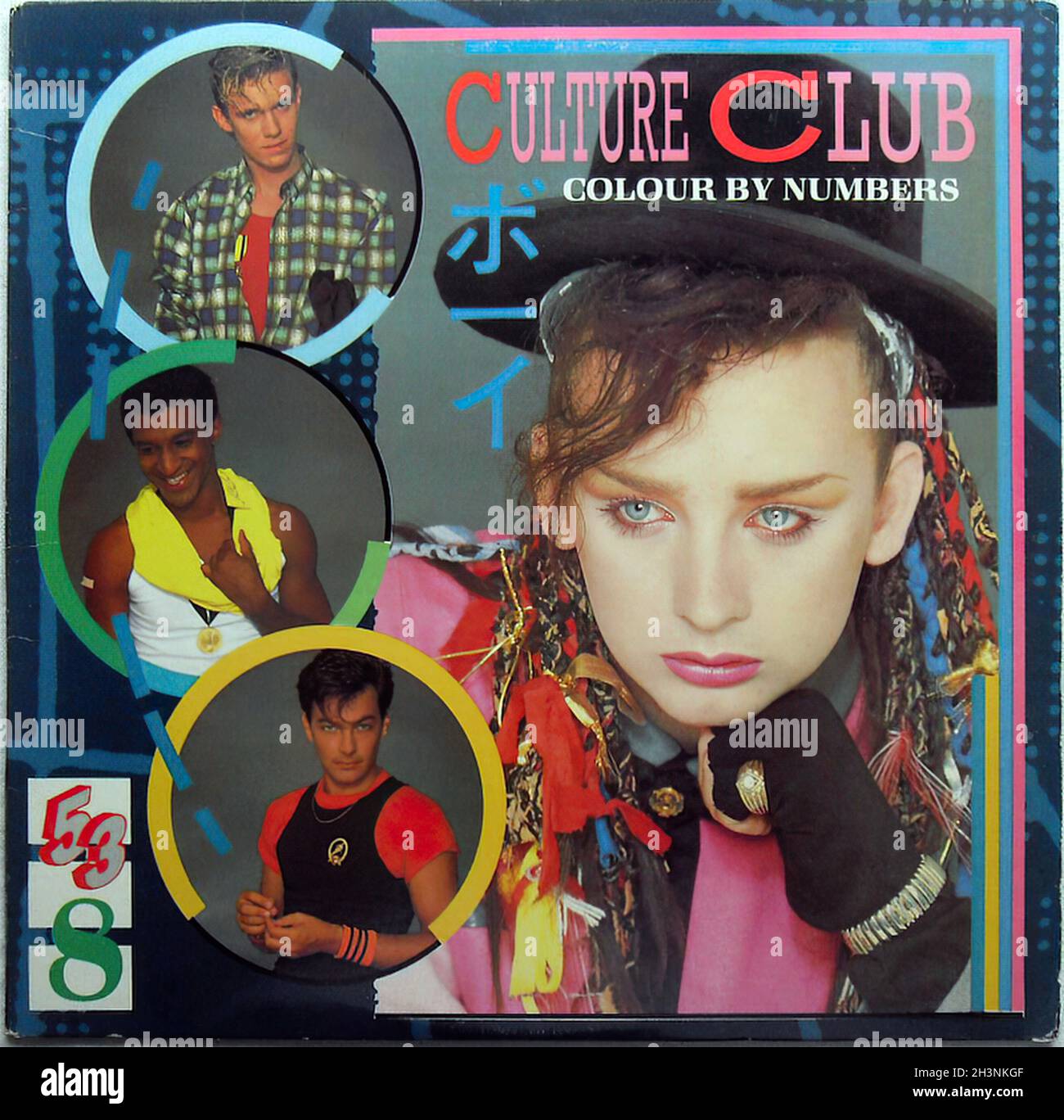
Album culture represents the structured artistic practice, listening ritual, and industry framework centered around the full-length musical album as a cohesive statement rather than a collection of isolated singles. This comprehensive approach to music appreciation shapes how artists construct narratives, how listeners engage with audio works, and how the global music industry structures commercial releases and artistic evaluations.
Defining Album Culture and Its Historical Origins
The concept of album culture traces its roots to the mid-20th century, coinciding with the commercial introduction of the 12-inch long-playing (LP) vinyl record by Columbia Records in 1948. Before this innovation, the dominant format was the 78 RPM shellac disc, which typically held a single track of roughly three minutes per side. The transition to vinyl expanded playback time to approximately 20 to 22 minutes per side, fundamentally altering the creative landscape for composers, producers, and performers.
Initially, the LP format served classical music and jazz anthologies, allowing complete symphonies or extended live performances to be captured without interruption. By the mid-1960s, popular musicians recognized the storytelling potential of the expanded canvas. Rock and pop artists moved beyond compiling hit singles with filler tracks. Instead, they began crafting themed projects, concept records, and continuous sonic journeys. This period established the foundational expectation that an album should function as a unified artistic statement, complete with intentional sequencing, recurring lyrical motifs, and cohesive visual packaging.
As listening formats evolved through magnetic tape, compact discs, and digital downloads, the structural integrity of the long-player persisted. Even during eras dominated by radio singles and promotional rotation, the album remained the ultimate benchmark of an artist's capability, maturity, and creative vision. It provided the framework for critical evaluation, awards consideration, and deep fan engagement, cementing a distinct subculture of listeners who valued immersive, front-to-back listening sessions.
The Shift Toward Streaming and Fragmented Consumption
In the 21st century, the rise of digital streaming platforms fundamentally challenged traditional album culture. Services like Spotify, Apple Music, and YouTube transformed music consumption from an ownership-based, intentional ritual into an access-based, on-demand utility. Listeners gained instantaneous access to tens of millions of tracks, shifting behavioral patterns away from long-form immersion and toward algorithmic playlists, mood-based selections, and single-track rotation.
Economics and user interfaces heavily influenced this fragmentation. Streaming platforms pay rights holders on a per-stream basis, creating financial incentives for artists and labels to release music more frequently. Shorter tracks optimized for repeat listening and quick algorithmic placement often yield higher streaming revenues than complex, multi-movement suites. Consequently, the singles market experienced a massive resurgence, overshadowing the traditional LP release cycle in commercial radio and digital charts.
Yet, this digital disruption did not eradicate the format; instead, it triggered a bifurcation in how audiences interact with recorded music. While casual consumption heavily favors isolated tracks and curated playlists, dedicated listener communities continue to champion long-form works. Artists responded to the streaming era by adapting structural strategies, such as utilizing surprise drops, expanded deluxe editions, and visual companion pieces to capture audience attention spans within crowded digital ecosystems.
Artistic Intent and Narrative Architecture in Long-Form Releases
Creating a compelling long-form project requires deliberate narrative architecture. Unlike playlists, which compile disparate tracks by tempo, genre, or mood, a cohesive album relies on structural pacing, tonal transitions, and thematic unity. Artists utilize track sequencing as a narrative tool, guiding the listener through an intentional emotional arc from the opening track, often called the opener or intro, to the definitive conclusion.
| Structural Element | Primary Artistic Function |
|---|---|
| Opening Track | Establishes the sonic palette, themes, and narrative tone. |
| Sequencing & Pacing | Manages energy levels, tension, and release across sides. |
| Interludes & Transitions | Bridge thematic gaps and maintain immersive continuity. |
| Closing Track | Resolves the narrative arc and leaves a lasting impression. |
Interludes, spoken-word samples, and recurring sonic motifs function as structural glue, binding separate songs into an integrated artistic statement. This level of craftsmanship requires listeners to invest time and attention, rewarding repeated spins with deeper contextual understanding and lyrical appreciation. In genres like hip-hop, progressive rock, and concept-driven pop, the long-form format serves as a vital canvas for complex storytelling, autobiographical exploration, and sociopolitical commentary.
Physical Revival and Tangible Formats in the Digital Age
Paradoxically, the digitalization of music catalyzed a profound renaissance for physical media, directly reinforcing modern album culture. Vinyl records, compact discs, and even cassette tapes experienced sustained commercial growth, driven by listeners seeking tangible connection, ritualistic engagement, and superior audio fidelity. Purchasing a physical record transforms passive consumption into an active, deliberate experience.
Vinyl culture, in particular, anchors contemporary appreciation. The physical ritual of unboxing a gatefold sleeve, reading liner notes, examining lyric sheets, and carefully dropping a stylus onto the vinyl grooves creates a multisensory engagement that digital screens cannot replicate. This tactile connection fosters a deeper psychological bond between the fan and the music.
Independent record stores, specialized pressing plants, and community-driven events like Record Store Day have solidified this physical revival. Artists capitalize on this demand by offering multiple colored vinyl variants, exclusive merchandise bundles, and signed inserts. These strategies not only drive physical sales but also reinforce the album as a collectible artifact and a badge of identity for dedicated supporters.
Economic and Strategic Realities for Modern Artists
For contemporary musicians, navigating album culture involves balancing artistic ambition against the financial realities of modern production and distribution. Producing a full-length project demands significant upfront capital, covering studio time, session musicians, mixing, mastering, visual direction, and physical manufacturing. Unlike singles, which can be recorded and published rapidly to maintain algorithmic momentum, a comprehensive project requires months or years of concentrated development.
Record labels and independent distributors employ varied release strategies to maximize both commercial impact and sustained engagement. Common models include:
- The Waterfall Release Strategy: Releasing a sequence of singles consecutively over several months, with each new drop appending the previous tracks until the full project is finally unveiled. This maximizes algorithmic touchpoints while preserving the eventual LP release.
- The Surprise Drop: Publishing an entire project simultaneously without prior promotional rollout. This approach relies heavily on existing fan loyalty and generates intense digital discussion, though it requires substantial established fame to succeed.
- The Visual Album Companion: Pairing the audio release with a feature-length film, short-form video series, or immersive live performance to expand the narrative universe and capture multiple revenue streams.
Balancing these strategies allows creators to satisfy the demands of modern streaming algorithms while honoring the deep-seated traditions of long-form musical artistry.
How to Curate and Experience Full-Length Musical Works Effectively
Fully appreciating a comprehensive musical project requires shifting mindset and environment away from background noise toward active, undistracted listening. Implementing intentional listening habits transforms how audio is perceived and digested.
Begin by selecting an environment free from digital distractions, silencing notifications, and dedicating uninterrupted time matching the project's runtime. Invest in quality playback equipment, whether that involves over-ear headphones, a well-calibrated turntable, or high-fidelity stereo speakers, to ensure audio nuances, dynamic ranges, and subtle mixing choices are clearly audible.
Examine physical or digital liner notes while playing the tracks. Pay attention to producer credits, guest features, songwriting contributions, and lyric sheets, as these elements provide essential context regarding the creation process. Allow the project to play from start to finish without skipping tracks, observing how individual compositions interact with their neighbors and contribute to the overarching emotional trajectory.
Frequently Asked Questions
What distinguishes a traditional album from a playlist?
An album is an intentional, curated collection of tracks conceived as a unified artistic statement by its creators, featuring deliberate sequencing and thematic cohesion. A playlist is a flexible compilation of individual songs gathered by mood, genre, or algorithm without inherent narrative continuity.
Why are physical music formats growing in popularity?
Physical formats provide tactile engagement, ritualistic listening experiences, collectible artwork, and liner notes that foster a deeper emotional connection between the listener and the music compared to intangible digital streams.
How do streaming platforms impact long-form music releases?
Streaming algorithms prioritize short tracks and high-frequency single releases to maximize engagement and per-stream revenue, which often pressures artists to alter traditional release cycles in favor of continuous single drops.
What is the waterfall release strategy in modern music?
The waterfall release method involves publishing a series of singles one by one over time, where each new release includes the previously dropped tracks, culminating in the final disclosure of the complete project.
Can an album succeed commercially without hit singles?
While hit singles drive broad radio rotation and rapid streaming growth, critically acclaimed projects can achieve commercial success through dedicated fan loyalty, physical merchandise sales, and strong word-of-mouth engagement within niche listener communities.
Cultivating Intentional Listening Habits
Maintaining a vibrant relationship with recorded music requires conscious resistance against the passive, hyper-fragmented consumption habits encouraged by modern algorithms. By setting aside dedicated time for uninterrupted, front-to-back listening sessions, supporting physical formats, and engaging deeply with the narrative architecture of long-form releases, listeners preserve the rich artistic traditions of album culture. Prioritizing depth over convenience ensures that music remains a transformative, immersive art form rather than mere acoustic wallpaper.