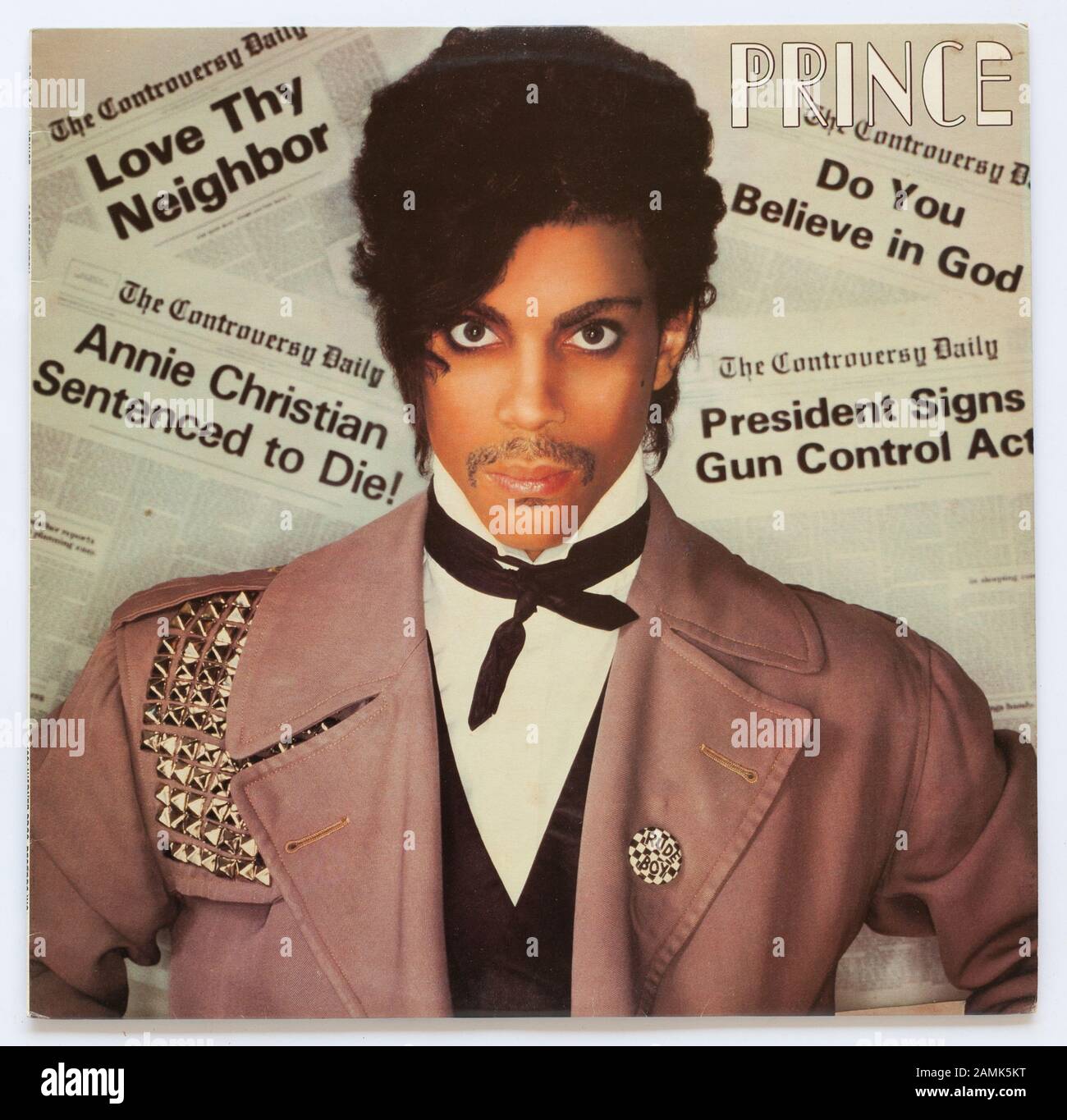
An album cover controversy occurs when visual art packaging a musical release sparks public outrage, legal censorship, or retail bans due to explicit, political, blasphemous, or offensive imagery. These disputes sit at the intersection of artistic expression, corporate risk management, and shifting societal standards of obscenity and public decency.
The Intersection of Visual Art and Musical Expression
The relationship between recorded music and visual packaging has always been symbiotic, functioning as a primary vehicle for artistic intent long before a needle drops or a digital stream begins. Since the mid-twentieth century, when record jackets evolved from plain brown paper sleeves into expansive canvases, visual artists, photographers, and musicians have pushed the boundaries of public taste. An album cover often serves as the listener's first point of contact with an artist's conceptual universe. When that imagery challenges dominant cultural, political, or religious norms, it frequently triggers swift public blowback.
Understanding why these visual disputes occur requires examining the mechanics of cultural censorship. Record labels, distribution networks, and major retailers operate within strict commercial boundaries. While independent artists might embrace underground distribution to bypass mainstream filters, major-label releases must navigate the realities of corporate compliance, billboard regulations, and retail inventory policies. When a piece of album art crosses perceived lines of obscenity, incitement, or copyright infringement, stakeholders face intense pressure to alter, recall, or completely ban the offending packaging.
Historical Milestones and Censorship Precedents
The history of controversial album art is punctuated by landmark cases that shifted legal boundaries and corporate policies. In the vinyl era, physical distribution gave gatekeepers immense leverage over what the public could purchase. Retail chains like Walmart and Target historically enforced strict inventory guidelines, refusing to stock albums featuring explicit content, nudity, or graphic violence. This commercial gatekeeping forced artists to choose between artistic compromise and restricted market access.
Legal challenges often accompanied these commercial disputes. In the United States, obscenity laws—particularly the standards established by the Supreme Court in cases like Miller v. California—provided the framework for evaluating whether visual material lacked serious literary, artistic, political, or scientific value. However, music packaging rarely reached formal constitutional review in courts; instead, self-regulation by the Recording Industry Association of America (RIAA) and distributor-imposed bans became the de facto arbiters of acceptability. The introduction of the "Parental Advisory: Explicit Content" sticker in the late 1980s attempted to create a standardized warning system, yet visual art frequently faced harsher penalties than the recorded audio within.
Major Categories of Visual Disputation
Disputes over record packaging generally fall into several distinct categories, each engaging different societal sensitivities and regulatory frameworks. Classifying these visual battles helps illuminate the specific triggers that mobilize activist groups, legal authorities, and corporate risk officers.
| Controversy Category | Primary Trigger | Common Outcome | Historical Example |
|---|---|---|---|
| Obscenity and Nudity | Explicit sexual content or unrendered anatomical exposure | Censored versions, sticker overlays, or alternative covers | Blind Faith (1969) |
| Religious Insensitivity | Blasphemous imagery or perceived mockery of sacred figures | Retail boycotts, pulled inventory, public apologies | Sublime (1996) or various metal releases |
| Political and Social Provocation | Graphic violence, anti-establishment symbols, or hate speech | Police intervention, distribution bans, label drops | National Lampoon or punk rock imagery |
| Copyright and Defamation | Unauthorized use of photographs, trademarks, or likenesses | Civil lawsuits, injunctions, financial settlements | Vampire Weekend or Led Zeppelin disputes |
Navigating these categories requires creators and producers to weigh the marketing value of shock against the tangible costs of distribution blockades. While controversy can generate free publicity and signal countercultural authenticity, it frequently alienates broader consumer demographics and triggers expensive legal disputes.
Economic and Strategic Impacts on the Music Industry
When an album cover sparks widespread controversy, the economic repercussions ripple through every tier of the music industry. Production schedules face sudden halts as printing plants are ordered to halt runs, destroy inventory, and manufacture alternative covers—often referred to in the industry as "clean" or "censored" variants. For independent labels operating on razor-thin margins, a forced recall can spell financial disaster, tying up capital in unsellable physical goods.
Conversely, major-label marketing departments have occasionally weaponized controversy as an intentional strategy to drive media coverage and consumer curiosity. In the pre-digital era, a banned cover instantly elevated a release to underground status, increasing demand among rebellious youth demographics. However, in the modern streaming ecosystem, the economics have shifted. While physical vinyl sales have experienced a notable resurgence, the primary consumption medium is digital. Digital storefronts and streaming aggregators maintain their own content moderation policies, which can restrict visibility, strip explicit tags, or remove offending imagery entirely without the physical logistical hurdles of a warehouse recall.
Practical Guidance for Managing Art Direction Risk
Artists, managers, and label executives must proactively navigate visual risk during the conceptualization and production phases of a project. Mitigating the likelihood of a damaging distribution ban requires a systematic approach to legal clearance and cultural sensitivity review before a final press run or digital upload takes place.
- Conduct Comprehensive Legal Clearances: Verify that all photography, graphic design elements, and typography do not infringe upon existing copyrights, trademarks, or the right of publicity for living individuals.
- Review Retailer Compliance Guidelines: Consult the current physical and digital content policies of major distribution partners and retail giants before committing to a specific visual direction.
- Develop Alternative Packaging Strategies: Prepare an alternative, universally acceptable cover variant in advance to ensure uninterrupted distribution if primary art is rejected by key retailers.
- Consult Legal Counsel on Obscenity Thresholds: For projects featuring provocative, political, or challenging themes, seek professional legal advice regarding local and international jurisdictional standards for public display.
Adopting these safeguards protects creative teams from unexpected financial liabilities while preserving the core message of the musical work. Balancing uncompromising artistic expression with commercial realities remains one of the delicate arts of modern record production.
Frequently Asked Questions
What constitutes an album cover controversy?
An album cover controversy arises when the visual art packaging a musical release triggers public backlash, legal challenges, retail boycotts, or censorship due to explicit, violent, blasphemous, or legally actionable imagery. These disputes highlight the friction between creative freedom and commercial or societal standards.
How do retailers handle controversial album art?
Major physical retailers and digital streaming platforms enforce specific content moderation guidelines. If a cover breaches these rules, retailers may refuse to stock the physical item, require a sticker overlay, demand an alternative cover, or remove the digital asset from their storefronts entirely.
Does controversial art help or hurt record sales?
Historically, controversy has functioned as a double-edged sword. While it can generate organic media buzz and appeal to countercultural audiences, it frequently results in distribution blockades, retail bans, and expensive legal or manufacturing setbacks that outweigh short-term publicity gains.
Are there legal protections for controversial album art?
In many jurisdictions, visual art enjoys protections under free speech principles. However, commercial distribution is subject to contract law, private retailer policies, and statutory limitations regarding obscenity, defamation, and copyright infringement, meaning absolute protection is rarely guaranteed.
How can artists avoid distribution bans on their album art?
Artists and labels can mitigate risks by reviewing major retailer content policies early, securing proper copyright and likeness clearances, consulting legal counsel on sensitive themes, and preparing alternative cover variants for mainstream distribution channels.