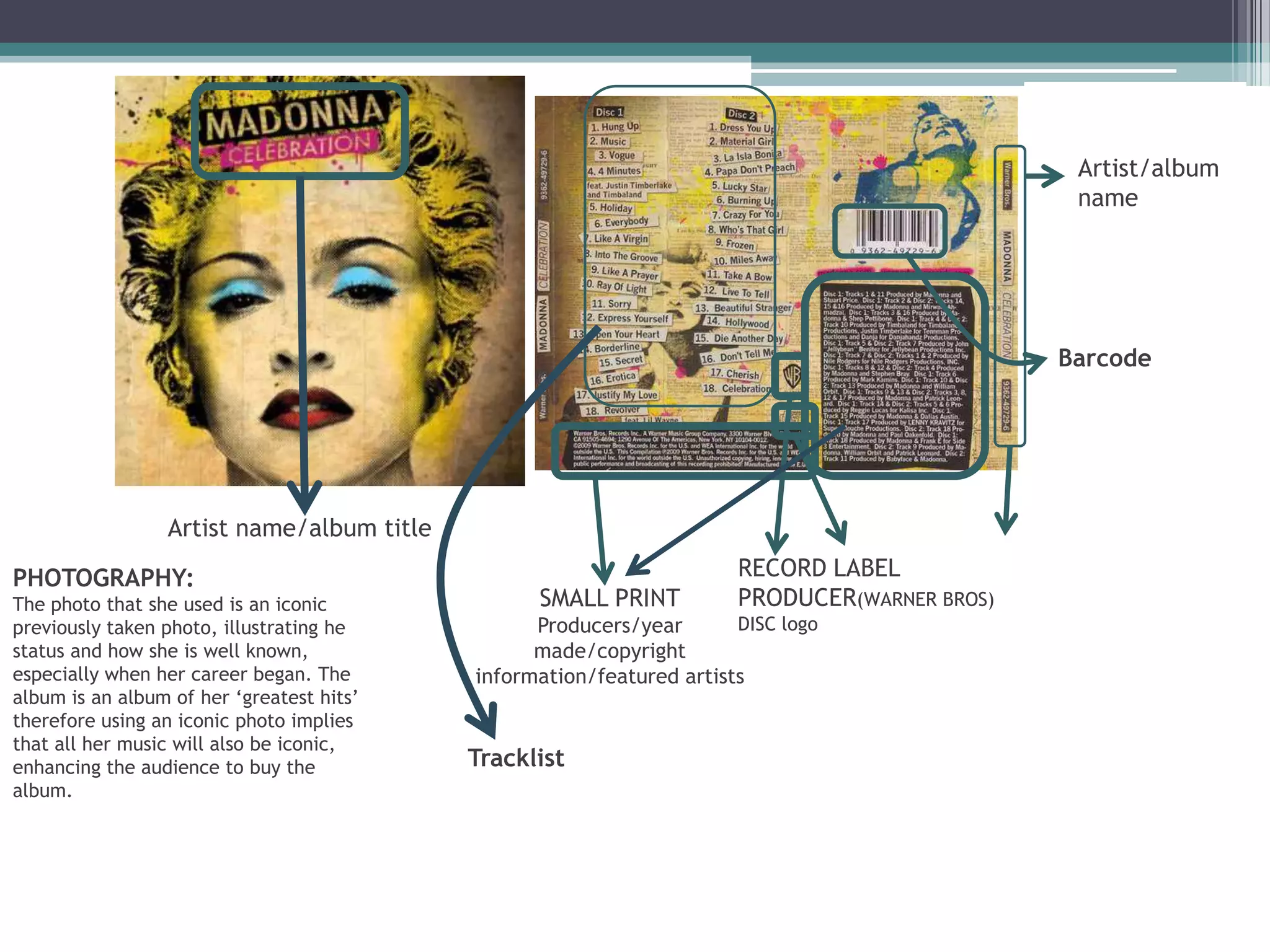
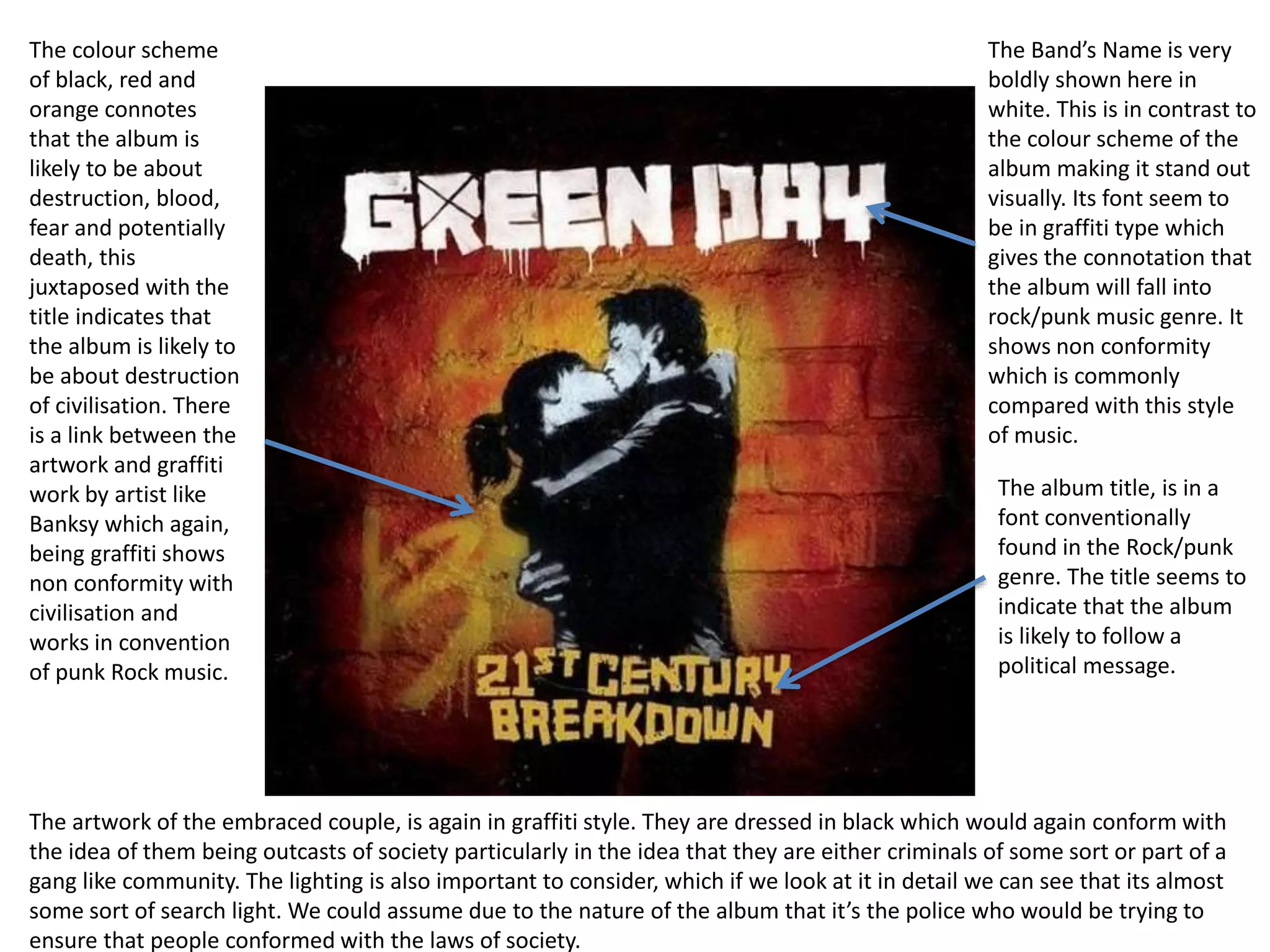
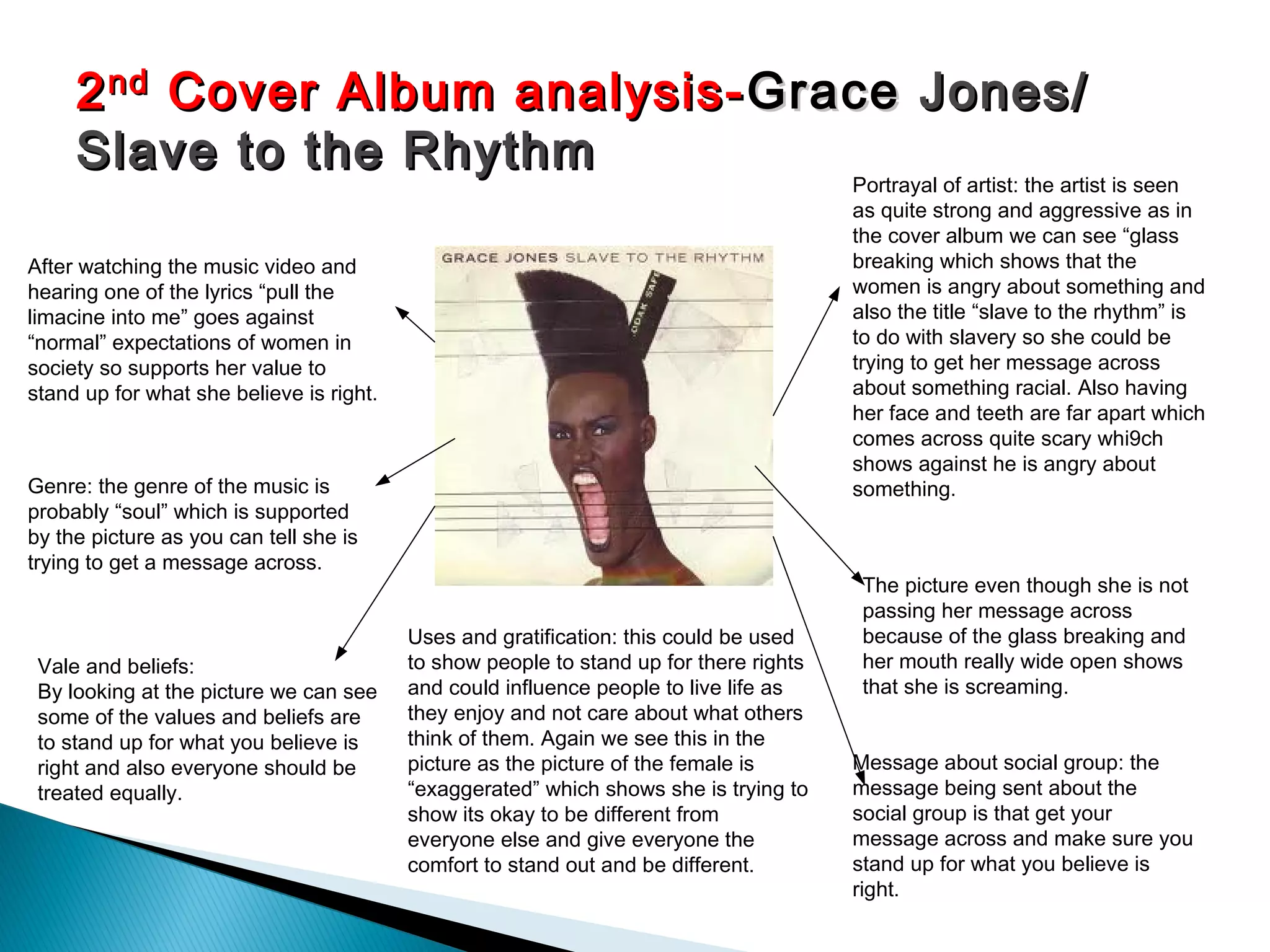
Album analysis is a systematic examination of a recorded musical project that explores how its lyrics, musical composition, sonic production, sequencing, and visual aesthetics unite to create a cohesive artistic statement. Unlike single-track reviews, a comprehensive breakdown evaluates how individual songs interact within the broader architecture of a full-length release to reveal underlying themes, narrative arcs, and historical contexts.
Defining the Scope and Purpose of Album Analysis
At its core, album analysis moves beyond passive listening to active, structured interpretation. While a standard music review often focuses on subjective impressions and consumer recommendations, a thorough analytical breakdown treats the record as a complex text requiring rigorous examination. This practice serves various stakeholders, from musicologists and journalists to dedicated fans seeking a deeper connection with their favorite art.
The primary goal of evaluating a record in its entirety is to understand the creative decisions made by the artists, producers, and engineers involved. By examining how a project is constructed, listeners can appreciate the narrative tension between tracks, the evolution of an artist's signature style, and the socio-cultural backdrop influencing the release.
Executing an effective evaluation requires a multi-disciplinary approach. It combines music theory, historical research, and literary criticism. Because recorded music is both a sonic and a commercial artifact, an analytical framework must account for both the internal artistic choices and the external industry pressures shaping the final product.
| Analytical Dimension | Core Focus | Key Questions Explored |
|---|---|---|
| Lyrical Content | Themes, storytelling, and poetic devices | What recurring motifs appear across the tracks? Is there a central narrative? |
| Musical Composition | Harmony, melody, rhythm, and song structure | How do chord progressions, keys, and tempos shift to evoke specific emotions? |
| Sonic Production | Mix engineering, instrumentation, and arrangement | What role do textures, spatial effects, and dynamic range play in the overall sound? |
| Sequencing & Flow | Track ordering and transitions | Why are songs placed in this specific sequence, and how do interludes function? |
Examining Lyrical Themes and Narrative Arcs
The lyrical architecture of a long-form release often provides the most accessible entry point for deeper interpretation. While some collections consist of disparate standalone singles, others function as concept albums, containing a unified storyline or exploring a single philosophical, political, or personal theme from multiple angles.
When evaluating lyrics, analysts look for recurring motifs, metaphors, and character developments. For instance, a songwriter might use meteorological imagery to track the deterioration and eventual recovery of a relationship across a twelve-track run. Tracing these motifs requires noting how vocabulary shifts from the opening tracks to the denouement.
Furthermore, narrative arcs within a project often mirror traditional dramatic structures. The opening tracks typically establish the status quo and introduce primary conflicts. Mid-album cuts introduce complications, stylistic shifts, or internal contradictions, while the closing tracks offer thematic resolution or deliberate ambiguity. Understanding this architecture prevents listeners from viewing songs in isolation and highlights the deliberate pacing engineered by the creators.
Decoding Musical Composition and Arrangement
Underneath the words lies the musical framework—the harmonies, melodies, rhythms, and structural forms that drive the emotional response of the listener. A rigorous composition breakdown examines how musical keys and modes are utilized across a project to establish mood and continuity.
For example, an artist might shift from minor keys in the first half of a record to major keys in the latter half, signaling a transition from despair to resilience. Analysts also inspect rhythmic choices, such as recurring syncopation or tempo modulations, which can bind diverse tracks together under a unified groove.
Arrangement choices further define the character of a project. This involves deciding which instruments carry the melody, how background vocals are layered, and when to strip the instrumentation down to create dynamic contrast. Recognizing these arrangement patterns helps listeners identify the signature style of producers and arrangers who shape the sonic identity of the record.
Evaluating Sonic Production and Mix Engineering
The transformation from composition to recorded artifact relies entirely on production and mix engineering. Sonic production encompasses the choice of instrumentation, electronic sound design, sampling choices, and the overarching aesthetic atmosphere. Mix engineering, on the other hand, deals with the balance, frequency distribution, spatial positioning, and dynamic range of those recorded elements.
Analyzing production involves listening closely to the textural landscape. Does the project feature warm, organic analog instrumentation, or does it utilize cold, precise digital synthesizers? How do the production choices reflect the era in which the work was created, or conversely, how do they subvert contemporary trends?
The mixing process dictates the emotional weight of a track through spatial cues. Reverb, delay, and panning decisions place sounds near or far, creating an immersive listening environment. Mastering acts as the final polish, ensuring consistent volume and tonal balance across the entire tracklist. Evaluating these technical elements requires an understanding of how acoustic choices amplify or undermine the lyrical message.
Understanding Track Sequencing and Album Flow
The deliberate arrangement of tracks—known as sequencing—is an art form that can make or break the impact of a full-length release. The way an artist transitions from the final chord of one song into the opening transient of the next dictates the psychological momentum of the listening experience.
Analysts examine why specific tracks serve as the opener, the midpoint anchor, and the closer. The opening track must immediately capture attention and establish the sonic rules of the world the listener is entering. Mid-album transitions often manage energy levels, utilizing interludes, ambient soundscapes, or stylistic departures to prevent listener fatigue.
The closing track carries the heavy responsibility of tying the loose threads of the project together. Whether it leaves the audience with an uplifting resolution, a haunting unresolved question, or a deliberate reprise of an earlier melody, the final sequence cements the lasting impression of the entire work.
Contextualizing Cultural and Historical Impact
No recorded work exists in a vacuum. A comprehensive evaluation requires contextualizing the release within the artist's broader discography, the contemporary music industry, and the socio-political climate of its time.
Historical positioning reveals how an artist reacts to personal milestones, controversies, or shifts in public perception. Comparing a current release to earlier works highlights artistic growth, stylistic pivots, or creative stagnation.
Furthermore, cultural reception often shifts over time. A project that is commercially dismissed or critically misunderstood upon its initial release may later be recognized as a watershed moment in popular music history. Documenting these shifts in perception adds necessary nuance to any contemporary evaluation.
Frequently Asked Questions
What is the difference between a song review and an album analysis?
A song review typically evaluates a single track in isolation, focusing on its immediate commercial appeal and standalone qualities. An album analysis, however, examines how multiple tracks interact, focusing on sequencing, overarching thematic narratives, and collective sonic consistency across the entire project.
How do I identify a concept album during an evaluation?
You can identify a concept album by looking for recurring lyrical motifs, explicit narrative storylines, continuous musical transitions between tracks, and liner notes or interviews where the artist outlines a unifying theme governing all the included songs.
Why is track sequencing important in long-form music projects?
Track sequencing dictates the psychological and emotional pacing of the listening experience. Proper sequencing builds tension, provides necessary dynamic relief through interludes, and guides the listener through a deliberate narrative arc from the opening track to the closer.
What technical elements should be considered during sonic production review?
Key technical elements include instrumentation choices, spatial positioning via mixing, dynamic range, frequency balance, and the use of effects like reverb and compression to establish a distinct atmospheric mood.
Can an instrumental record undergo lyrical theme analysis?
Yes, instrumental records can be analyzed through thematic lenses by examining song titles, liner notes, musical motifs, tempo changes, and compositional moods that evoke narrative progression without traditional vocal delivery.
Structuring Your Final Project Evaluation
To translate these analytical dimensions into a coherent written or spoken review, maintain a logical structure that mirrors the listener's journey. Begin with an introductory overview that establishes the artist, the release date, and the core thesis of the project. Follow with dedicated sections examining lyrical themes, musical composition, production aesthetics, and sequencing. Conclude with a synthesized verdict on the project's overall success, cultural relevance, and lasting place in the artist's catalog.