Compilations featuring 30 nostalgic hits and timeless melodies serve as curated cultural capsules, preserving mid-century and late-20th-century musical milestones for modern listeners. These packages bridge generational divides by bundling decades of chart-topping songs, popular standards, and golden-era ballads into single, accessible formats.
Music collections marketed around nostalgic hits and timeless melodies hold a distinct place in audio archiving and consumer entertainment. Rather than featuring a single artist, these compilations typically assemble thirty distinct tracks spanning a specific era, genre, or emotional tone. This guide examines how these multi-track musical retrospectives are structured, evaluated, and enjoyed by collectors and casual listeners alike, highlighting their composition, historical context, and technical qualities.
Understanding the Structure of Multi-Track Nostalgic Compilations
Curating a collection of thirty tracks requires careful balancing of tempo, mood, and genre. Producers organizing these albums must navigate licensing agreements, master tape preservation, and track sequencing to ensure a cohesive listening experience across a diverse set of recordings.
The number thirty is not chosen at random; it represents a sweet spot in physical and digital media packaging. On traditional compact discs, thirty tracks generally necessitate a double-disc set, providing approximately ninety to one hundred minutes of audio. In the digital streaming era, a thirty-track playlist acts as a comprehensive introduction to an entire epoch of music, offering sufficient depth to move beyond a artist's single radio hit while remaining digestible for a single listening session.
These albums usually draw from specific windows in music history, most commonly the golden age of traditional pop, classic rock, 1960s soul, or 1970s soft rock. By gathering thirty distinct melodies, the compilation serves as a sonic portrait of a specific cultural era. Listeners encounter not just a solitary song, but an interconnected web of instrumentation, vocal styling, and production techniques characteristic of a bygone decade.
Historical Evolution of Golden Era Music Packaging
The practice of bundling recorded music into thematic compilations dates back to the early days of the vinyl long-playing record, though the modern multi-hit format evolved significantly with the advent of magnetic tape and compact discs.
In the mid-20th century, record labels primarily released music in single formats or artist-specific LPs. The concept of the multi-artist compilation album gained commercial momentum through television marketing in the 1970s and 1980s, where mail-order packages and late-night infomercials introduced consumers to thematic sets of golden oldies. These releases relied on licensing agreements between major labels, a complex legal and financial hurdle that continues to shape which tracks appear on modern retrospective releases.
| Era | Primary Format | Typical Track Count | Distribution Channel |
|---|---|---|---|
| 1970s-1980s | Vinyl LP / Cassette Tape | 16 to 24 tracks | Direct-Response TV / Record Clubs |
| 1990s-2000s | Compact Disc (Double CD) | 30 to 40 tracks | Brick-and-Mortar Retail / Supermarkets |
| 2010s-Present | Digital Streaming / Curated Playlists | Variable (Often 30+) | Online Platforms / Digital Stores |
Transitioning into the digital age, the physical double-CD sets containing thirty nostalgic hits adapted into digital albums and streaming playlists. Despite this shift in distribution, the structural appeal of a curated thirty-song sequence remains consistent, offering a reliable entry point for listeners seeking familiar, comforting audio textures.
Evaluating Audio Quality and Remastering Standards
When examining a compilation of vintage recordings, audio fidelity is a primary concern. Tracks recorded in the 1950s, 1960s, and 1970s were engineered under vastly different technological constraints than modern digital audio, making the remastering process vital for commercial releases.
Remastering engineers must work with surviving master tapes, which may suffer from degradation, hiss, or frequency limitations. The goal of modern remastering for nostalgic collections is to clean up physical artifacts—such as pops, crackles, and tape flutter—while preserving the original dynamic range of the performance. Over-compression, often referred to as the loudness war, can strip older recordings of their natural warmth and acoustic depth, making source fidelity a key metric for collectors.
Furthermore, licensing limitations sometimes force compilation producers to use secondary needle-drops (transfers from vinyl records) rather than original master tapes if the masters are lost or unavailable. High-quality releases explicitly state whether tracks are sourced from original master recordings and detail the digital transfer resolution used during production.
Cultural Impact and Psychological Appeal of Timeless Melodies
The enduring popularity of nostalgic music compilations is deeply tied to human psychology and the phenomenon of musical memory. Research in cognitive psychology indicates that music from an individual's formative years—typically late adolescence and early adulthood—elicits powerful autobiographical memories and emotional resonance.
Timeless melodies act as cognitive anchors, triggering the release of dopamine and evoking vivid recollections of past experiences, relationships, and cultural milestones. For older audiences, a collection of thirty classic hits provides a direct link to personal history. For younger generations, these albums offer an educational window into historical musical craftsmanship, showcasing complex vocal harmonies, acoustic instrumentation, and songwriting structures that predate modern digital production.
Common Challenges and Considerations for Music Collectors
Acquiring or streaming multi-artist archival compilations involves navigating several practical considerations regarding track selection, legal licensing, and physical preservation.
- Duplicate Tracks: Collectors often find that owning multiple retrospective albums leads to redundant copies of the same ubiquitous radio hits.
- Edit Variations: Compilations frequently utilize single edits or radio edits rather than full album versions, which may omit instrumental intros or fade out prematurely.
- Licensing Gaps: Due to fragmented copyright ownership, certain key artists from a specific era may be entirely absent from a compilation, replaced by sound-alike re-recordings or lesser-known contemporaries.
- Physical Wear: For those collecting physical compact discs or vinyl box sets, proper environmental storage away from direct sunlight and humidity is essential to prevent disc rot or warping.
How to Select the Right Retrospective Compilation
Choosing a comprehensive music package requires balancing personal taste with technical standards. Listeners should evaluate whether a release offers genuine historical value or merely recycles standard public-domain recordings.
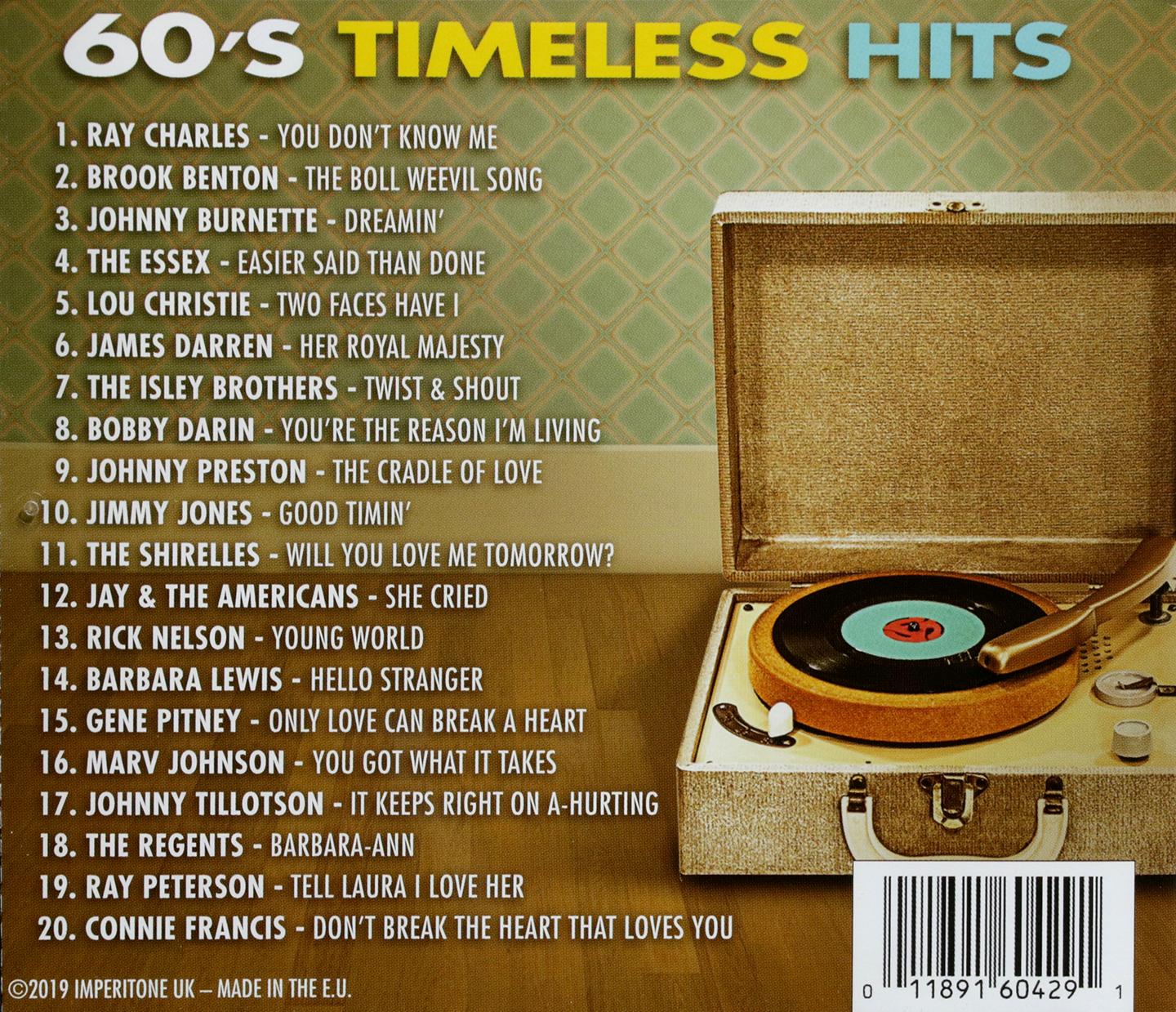
- Verify the Track List: Check the specific artist lineup and song titles to ensure the collection features original artist recordings rather than re-recorded covers.
- Research the Label: Major historical labels (such as Universal Music Group, Sony Music, and Rhino Entertainment) generally have access to superior master tape archives compared to budget-tier reissue labels.
- Check Liner Notes: High-quality releases include detailed essays, recording dates, chart positions, and personnel credits, adding significant value for music enthusiasts.
- Assess Audio Formats: Determine whether lossless digital audio formats, physical compact discs, or standard streaming versions best suit your playback equipment.
Frequently Asked Questions About Classic Music Compilations
Do thirty-track compilation albums feature original artist recordings?
Most reputable commercial releases utilize original master recordings licensed from major record labels. However, budget-priced compilations from lesser-known distributors occasionally feature re-recorded tracks performed by session musicians rather than the original hitmakers, making it important to inspect the album credits before purchase.
Why do classic hits compilations often feature the same songs?
Licensing costs and proven consumer demand drive the inclusion of well-known standards. Record companies rely on universally recognized tracks to anchor the commercial viability of a compilation, resulting in considerable overlap across different releases from the same era.
What is the difference between a compilation and a greatest hits album?
A greatest hits album focuses exclusively on the charting singles and career highlights of a single artist or band. In contrast, a compilation album gathers tracks from multiple different artists, typically united by a common genre, time period, or emotional theme.
How does remastering affect vintage audio tracks?
Remastering involves taking original analog audio sources and processing them through digital tools to adjust EQ, minimize background noise, and balance volume levels across tracks recorded in different studios over many years. When executed carefully, it enhances clarity without compromising the organic warmth of the original performance.
Are physical compact discs of nostalgic hits still being manufactured?
Yes, boutique reissue labels and major entertainment conglomerates continue to manufacture physical compact discs and vinyl records to satisfy dedicated collectors, audiophiles, and consumers who prefer physical media ownership over cloud-based streaming.
Strategic Next Steps for Music Enthusiasts
To deepen your appreciation of historical music collections, begin by auditing your current listening habits to identify which specific decades or sub-genres resonate most with your preferences. Research specialized reissue labels known for archival preservation, such as Rhino, Varese Sarabande, or Bear Family Records, which focus on comprehensive documentation and pristine audio restoration. Whether building a physical library of double-disc sets or curating a personal digital archive, prioritizing original master recordings and verified track lists ensures a richer, more authentic connection to the timeless melodies of the past.