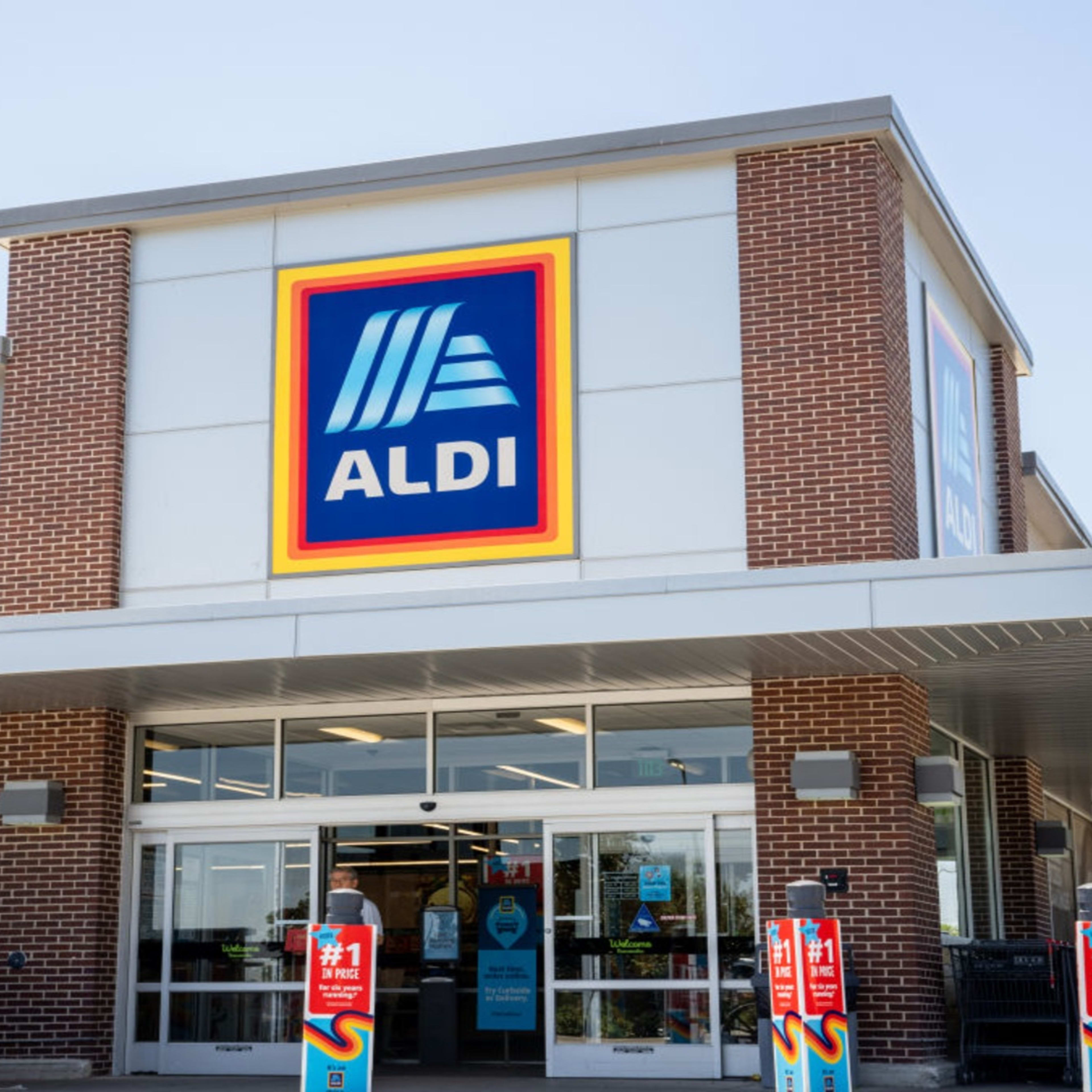
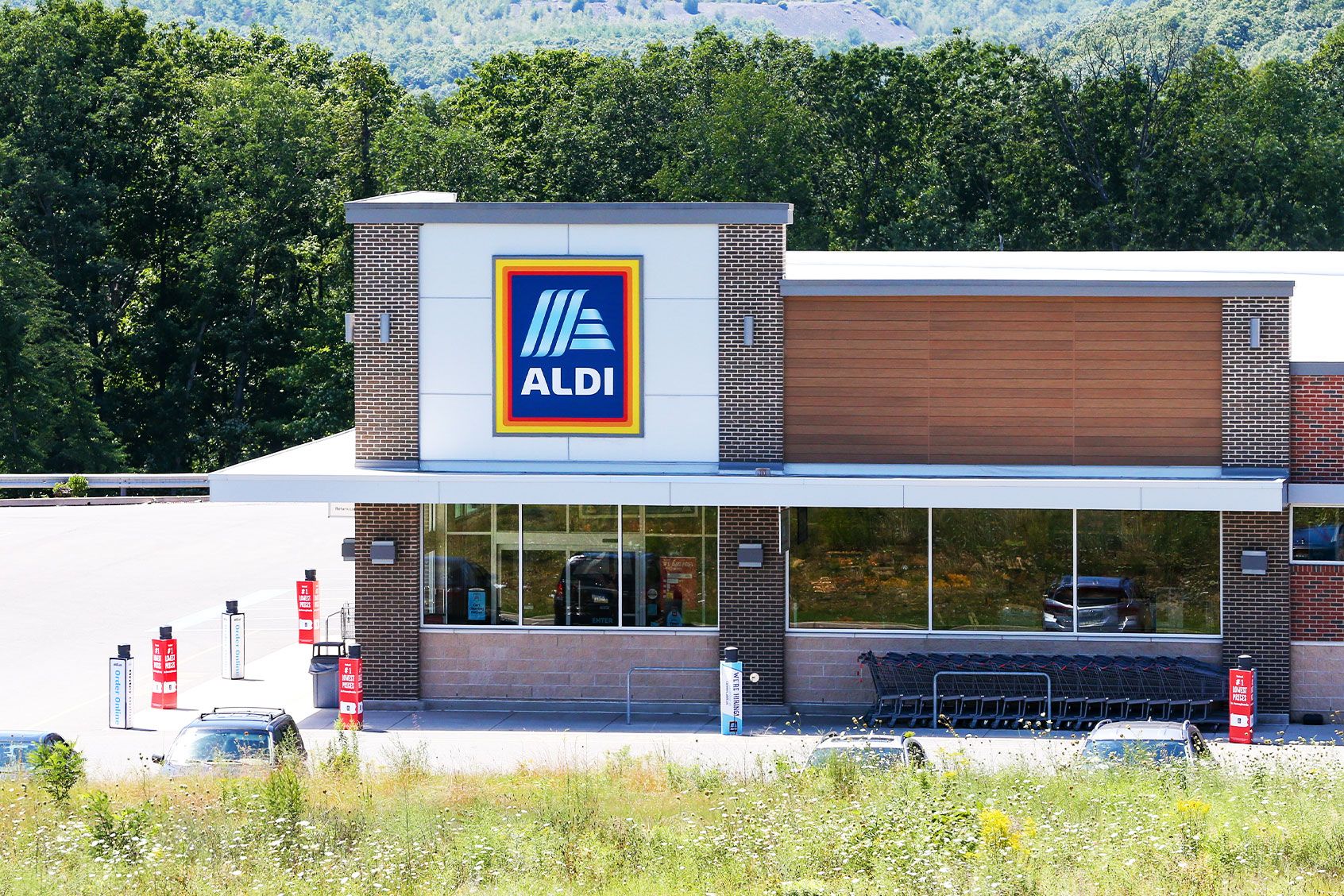
Karl Albrecht was the German retail mastermind who, alongside his brother Theo, built the ALDI discount supermarket empire through a relentless focus on low prices, operational efficiency, and a stripped-down store model. By ruthlessly eliminating non-essential costs, limiting product variety, and passing those savings directly to consumers, Albrecht transformed grocery retail and established a blueprint for hard-discount shopping that reshaped markets globally.
The Foundations of the Albrecht Retail Philosophy
The story of ALDI begins in the heavily industrialized Ruhr Valley of Germany, specifically in the city of Essen. In 1913, Karl Albrecht’s mother opened a small neighborhood grocery store in the working-class district of Schonnebeck. Following World War II, Karl and his brother Theo took over the family business. Both brothers had served in the German military during the conflict, returning to a country devastated by economic ruin, infrastructure collapse, and severe consumer shortages. They recognized immediately that traditional retail methods, which relied on high overhead, extensive product ranges, and complex credit systems, could not survive in post-war Europe.
Rather than attempting to compete with upscale department stores or full-service grocers, the brothers recalibrated their business model around absolute affordability. They understood that their customer base of working-class families had very little disposable income. Consequently, every operational decision was filtered through a single question: does this add value for the consumer, or does it merely add cost? By systematically removing anything that failed this test, the Albrechts laid the groundwork for a revolutionary retail methodology known today as hard discounting.
The Operational Mechanics of Hard Discounting
What set Karl Albrecht and his brother apart from traditional grocers was an unprecedented commitment to operational simplification. Traditional supermarkets often stocked tens of thousands of individual stock-keeping units (SKUs), requiring vast floor space, complex inventory management systems, and large workforces to constantly restock shelves and manage displays. ALDI upended this model by drastically limiting its inventory to a few hundred core items, focusing almost exclusively on high-volume, fast-moving essentials.
This low-SKU strategy provided several distinct competitive advantages:
- Bulk Purchasing Power: By concentrating purchases on a minimal number of items, the company bought massive quantities of specific goods, securing deep wholesale discounts from manufacturers.
- Reduced Inventory Costs: Limited product ranges meant faster inventory turnover, minimizing the capital tied up in slow-moving stock and reducing storage requirements.
- Streamlined Logistics: Handling fewer product lines simplified supply chain logistics, warehouse management, and transportation.
Furthermore, ALDI stores were designed for maximum efficiency. Instead of unwieldy displays, products were often left inside their original shipping cartons, allowing stock clerks to replenish shelves in a fraction of the time required by conventional stores. Store footprints were kept compact, usually around 10,000 to 20,000 square feet, which significantly lowered real estate acquisition, construction, and utility costs. Labor productivity was maximized by employing very lean store crews where employees were cross-trained to handle register operations, stocking, and store maintenance interchangeably.
The Evolution and Split of the ALDI Brand
As the business expanded rapidly across West Germany during the 1950s and 1960s, the brothers made a critical structural adjustment by formally splitting the enterprise in 1961. The name ALDI is an abbreviation for Albrecht Discount. The empire was divided into two distinct corporate entities: ALDI Nord (North), managed by Theo Albrecht, and ALDI Süd (South), managed by Karl Albrecht.
| Feature / Dimension | ALDI Nord | ALDI Süd |
|---|---|---|
| Geographic Focus (Germany) | Northern and Eastern Germany | Southern and Western Germany |
| International Presence | France, Spain, Poland, Denmark, Benelux | United States (Trader Joe's), UK, Australia, Switzerland |
| Corporate Culture | Decentralized, traditional regional management | Highly standardized, aggressive global expansion |
| Store Count (Approximate Global) | Over 5,000 stores | Over 6,500 stores |
Despite the administrative separation, both companies maintained the foundational philosophy established by Karl and Theo: high quality combined with the lowest possible price. While ALDI Nord took responsibility for certain European markets, ALDI Süd pursued a broader international footprint. Notably, ALDI Süd expanded into the United States, where it operates under its own banner, and also acquired the beloved American specialty grocery chain Trader Joe’s in 1979, tailoring that specific brand toward gourmet and specialty items while retaining its value-oriented ethos.
Private Label Dominance and Consumer Trust
One of Karl Albrecht’s most enduring contributions to modern retail strategy was the heavy emphasis on private-label products. In a typical traditional supermarket of the mid-20th century, shelves were dominated by heavily advertised national brands. Retailers paid slotting fees to stock these brands, and consumers paid higher prices to subsidize the extensive marketing budgets of major multinational consumer goods corporations.
Karl Albrecht recognized that consumers cared far more about product quality and reliability than brand names, provided the price was right. ALDI systematically developed its own proprietary brands that matched or exceeded the quality of national name-brand equivalents. By working closely with vetted suppliers, ALDI maintained strict quality control standards while bypassing expensive national advertising campaigns.
This private-label strategy transformed consumer perceptions of store brands. No longer viewed as inferior substitutes, ALDI’s private-label goods became symbols of smart shopping. Customers learned that they could purchase pantry staples, cleaning supplies, and dairy items that performed just as well as—or better than—branded alternatives at a fraction of the cost. This generated fierce brand loyalty, ensuring repeat visits regardless of economic fluctuations.
Extreme Secrecy and Personal Life
Despite controlling one of the largest retail empires in the world, Karl Albrecht was famously reclusive and guarded his personal privacy with near-obsessive dedication. In a world where corporate titans frequently courted media attention, Albrecht operated entirely behind the scenes. Very few photographs of him were published in the press, and he almost never granted interviews or made public appearances.
This extreme secrecy was not merely an eccentric personality trait; it was driven by a genuine concern for personal security. In 1971, his brother Theo Albrecht was kidnapped and held for ransom for 17 days before being released after a massive ransom was paid. Following this traumatic event, both brothers retreated even further from public life. Karl cultivated a quiet lifestyle centered on his home in Essen, Germany, where his primary pastimes included playing golf on his private course and collecting orchids.
Albrecht stepped down from active management of ALDI Süd in the 1990s, transitioning into the role of chairman of the supervisory board before fully retiring from corporate governance. Even in retirement, he maintained strict anonymity, allowing his business systems to run autonomously through professional management teams that adhered strictly to his founding principles.
Wealth Accumulation and Legacy in Modern Retail
Karl Albrecht’s business model generated staggering financial returns. For decades, he was consistently ranked among the wealthiest individuals in the world by publications such as Forbes. However, his personal lifestyle remained notably unpretentious, reflecting the frugal ethos of his stores. He did not engage in high-profile philanthropy or luxury asset accumulation on the scale typical of contemporary billionaires, preferring to focus his energy on corporate continuity and personal privacy.
The legacy of Karl Albrecht extends far beyond his personal fortune. The hard-discount model he pioneered has become one of the most resilient and influential forces in global commerce. Today, the competitive pressure exerted by ALDI—along with its fierce German rival Lidl—has forced traditional supermarket chains worldwide to completely restructure their operations, expand their private-label offerings, and adopt leaner supply chains to survive.
As global economic pressures and inflation influence consumer spending patterns, the foundational insights of Karl Albrecht remain more relevant than ever. By proving that low cost does not have to mean low quality, he permanently changed how the world shops, cementing his status as one of the most effective retail strategists in economic history.
Frequently Asked Questions
Who was Karl Albrecht?
Karl Albrecht was a German billionaire entrepreneur who, alongside his brother Theo, founded the ALDI discount supermarket chain. He revolutionized the global retail industry by introducing the hard-discount business model, which focused on low prices, minimal product variety, and high operational efficiency.
How did Karl Albrecht build his fortune?
He built his fortune by scaling a post-war grocery business into an international discount empire. By cutting unnecessary operational costs, limiting stock-keeping units to fast-moving essentials, and prioritizing high-quality private-label products, he achieved massive retail volume and high profit margins through sheer efficiency.
What is the difference between ALDI Nord and ALDI Süd?
ALDI Nord and ALDI Süd are two separate corporate entities that emerged from a 1961 split between brothers Theo and Karl Albrecht. ALDI Nord operates in northern Germany and several European countries, while ALDI Süd operates in southern and western Germany, the United States, the UK, Australia, and owns Trader Joe's.
Why did Karl Albrecht keep such a low public profile?
Karl Albrecht maintained extreme secrecy primarily due to security concerns following the 1971 kidnapping of his brother Theo. He avoided media attention, public appearances, and interviews, choosing instead to focus entirely on his private life and the operational efficiency of his enterprise.
What impact did Karl Albrecht have on modern grocery shopping?
Albrecht popularized the hard-discount retail model and proved that private-label store brands could successfully rival expensive national brands. His strategies forced traditional supermarkets globally to optimize their supply chains, reduce overhead, and increase value-focused product offerings.
Strategic Retail Insights and Next Actions
For modern business leaders, entrepreneurs, and retail analysts studying the blueprint of Karl Albrecht, the primary takeaway is the power of radical simplification. Complexity is the enemy of efficiency. Whether managing a retail storefront, a digital platform, or a service enterprise, eliminating non-essential variables, focusing strictly on high-demand offerings, and relentlessly optimizing operational overhead can create durable competitive advantages. When evaluating business structures, prioritize cost-to-value ratios just as Albrecht did, ensuring that every operational expenditure directly contributes to customer satisfaction and bottom-line viability.