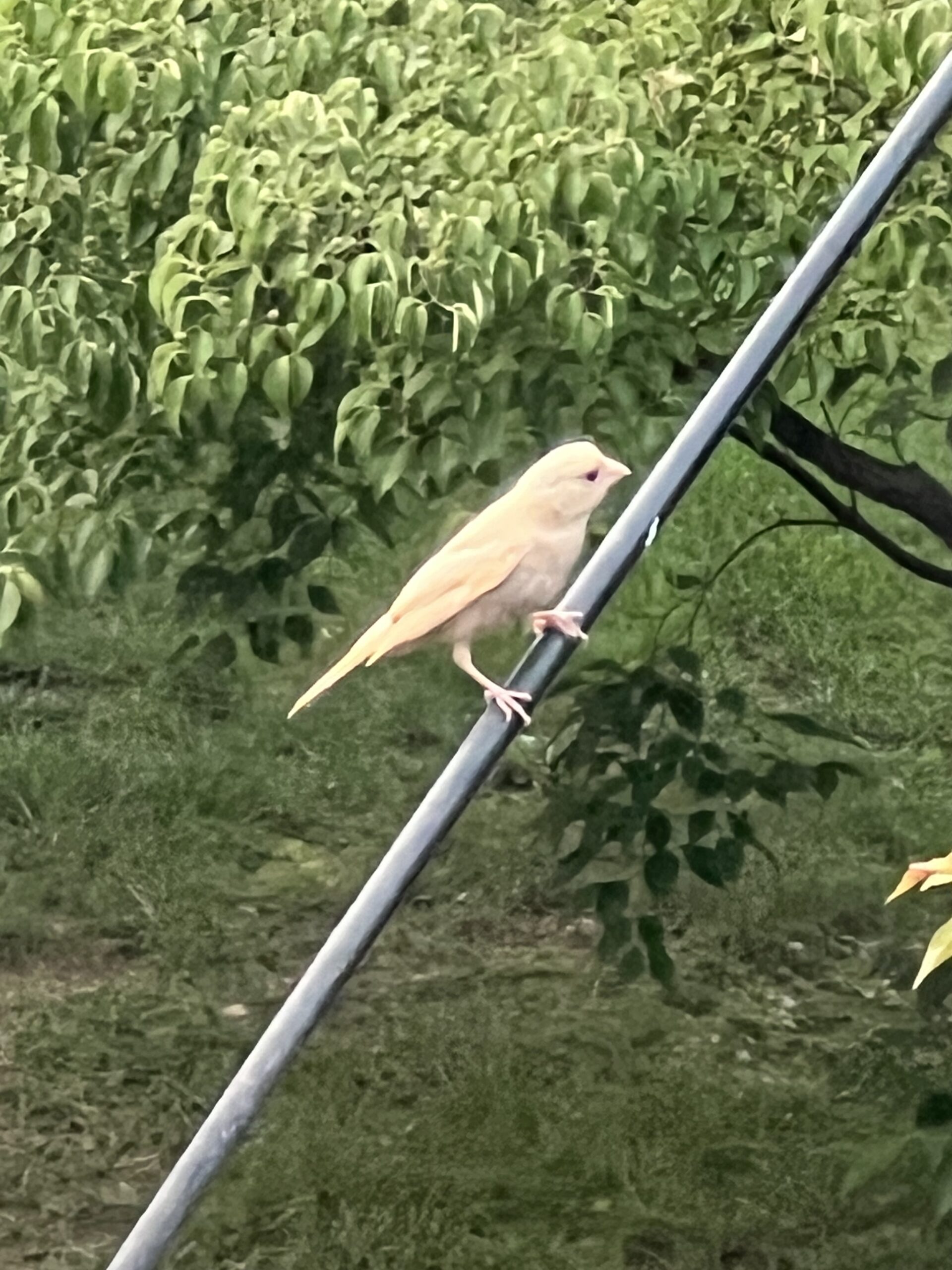
Albino birds are fascinating rarities in the natural world, possessing a complete genetic absence of melanin that results in pure white feathers, pink or red eyes, and pale skin or bills. This striking condition distinguishes true albinism from other forms of avian color aberrations like leucism and progressive greying, offering a unique window into avian genetics, survival challenges, and wildlife observation.
The Genetic Basis of Avian Albinism
Albinism is an inherited, recessive genetic condition that disrupts the body's ability to produce melanin, the pigment responsible for coloring feathers, skin, and eyes. To understand how this manifests, one must look at the biochemical pathways of birds. Melanin synthesis relies on the enzyme tyrosinase. When a genetic mutation prevents the production or proper functioning of tyrosinase, the biochemical chain reaction stalls, stopping melanin precursors from converting into eumelanin (which creates black and dark brown shades) and phaeomelanin (which produces reddish-brown, yellow, and buff tones).
For a bird to hatch with true albinism, it must inherit two mutated alleles—one from each parent. Because these recessive traits are typically masked by dominant normal pigmentation genes in carrier parents, true albinism remains statistically rare in wild bird populations, estimated to occur in roughly one out of every several thousand to several million individuals depending on the species.
Furthermore, the condition affects more than just external appearance. Melanin plays a structural role in the development of the eye and the central nervous system. Without it, albino birds frequently suffer from photophobia—an extreme sensitivity to bright sunlight—and significant visual impairments, including reduced visual acuity and lack of depth perception. These internal physiological impacts directly influence how albino birds navigate their environments, locate food, and evade predators.
Distinguishing Albinism from Leucism and Other Color Aberrations
Birdwatchers and ornithologists frequently misidentify white or pale-feathered birds as albinos when they are actually exhibiting leucism, dilution, or inozism. Precise identification requires examining specific anatomical markers, particularly the eyes, bill, and feet. True albinism is an all-or-nothing condition affecting the entire body, whereas other mutations present distinct patterns.
| Condition | Feather Coloration | Eye Color | Bill and Feet Color | Prevalence in Wild |
|---|---|---|---|---|
| True Albinism | Pure white across all plumage | Pink or red (due to visible blood vessels) | Pink, pale flesh, or light orange | Extremely rare (Est. 1 in 1M+ birds) |
| Leucism | Partial or total white patches | Normal dark coloration | Normal dark coloration | Uncommon, varies by species |
| Dilution / Pastel | Faded or diluted normal tones | Normal dark coloration | Lighter than normal, but not pink | Occasional regional variations |
| Progressive Greying | White feathers replacing colored ones over time | Normal dark coloration | Normal dark coloration | Increases with age in certain species |
Leucism is far more common than albinism. Leucistic birds lack melanin in some or all of their feathers, but their pigment-producing cells are present in the eyes and skin, preserving dark irises and normally colored bills. Progressive greying, sometimes confused with white plumage mutations, simply reflects localized pigment cell failure as an individual ages, similar to graying hair in mammals. Recognizing these distinctions prevents misclassification in field notes and scientific monitoring.
Survival Challenges and Ecological Pressures
The life of an albino bird in the wild is fraught with severe ecological and physiological disadvantages. While humans find their snowy plumage captivating, natural selection strongly penalizes the trait, meaning very few albino birds survive to adulthood or live long lives.
Camouflage and Predation
Feather coloration evolved primarily for camouflage, species recognition, and mate attraction. A pure white bird standing against a green forest canopy, muddy shoreline, or dark soil loses all natural concealment. Raptors, mammalian predators, and corvids spot albino individuals easily. Consequently, predation rates on juvenile albino birds are exponentially higher than those on normally pigmented conspecifics.
Structural Integrity of Feathers
Melanin provides structural strength and durability to feathers, increasing their resistance to friction, wear, and degrading bacteria. Because albino feathers lack melanin, they break down faster, become brittle, and fray more quickly under normal flight conditions. This structural weakness diminishes flight efficiency, increases energy expenditure during migration, and makes long-distance travel difficult or impossible.
Social and Reproductive Barriers
Birds rely heavily on visual cues, plumage patterns, and color contrast during courtship rituals and territorial defense. An albino bird often struggles to attract a mate because potential partners fail to recognize them as healthy members of their species or view them as anomalous. Even if an albino bird successfully pairs, its diminished physical stamina and visual impairments can hinder nest defense and chick-rearing success.
Geographic and Taxonomic Distribution
Albinism can theoretically occur in any bird species, from tiny hummingbirds to large raptors and waterfowl, because the genetic pathways governing melanin are widespread across the class Aves. However, field observations and banding records show varying frequencies across different families.
- Avian Melanin Mutation Spectrum
- [Normal Pigmentation] --> Dominant genes produce full color
- [Leucism] --> Missing melanin in feathers only
- [Albinism] --> Total absence of melanin (systemic)
Species that naturally occur in dense flocks, urban environments, or populations with restricted gene pools—such as island endemics or heavily inbred local populations—may record higher frequencies of color aberrations. For instance, American Robins, House Sparrows, and various corvid species like American Crows account for a disproportionate number of reported white or pale sightings. This is not necessarily because they possess higher genetic mutation rates, but rather because their abundance and proximity to human settlements ensure that aberrant individuals are noticed, photographed, and reported more frequently.
Conversely, pelagic seabirds and deep-forest specialists with albinism are rarely documented simply because their habitats overlap minimally with human observers. When researchers analyze museum collections, instances of albinism appear across diverse orders, confirming that the underlying genetic mechanisms are universal, even if ecological filters weed out the affected individuals shortly after hatching.
Observing and Documenting Albino Birds Ethically
Encountering an albino bird is a memorable ornithological event, but ethical observation is paramount to protect the vulnerable animal from additional stress. Because these birds already struggle with poor vision and increased predation pressure, human interference can be fatal.
- Maintain Distance: Use binoculars or telephoto camera lenses rather than approaching the bird on foot. Flushing an already disadvantaged bird wastes vital energy reserves.
- Avoid Baiting or Luring: Do not alter the bird's natural feeding habits or draw the attention of local predators by leaving food out in open, exposed areas.
- Protect Location Data: If observing a rare albino bird during breeding season or in a localized area, refrain from publishing precise GPS coordinates on public forums to protect the animal from poachers, egg collectors, or excessive human disturbance.
- Document Accurately: Take clear photographs focusing on the eye color, bill, and feather patterns to ensure correct identification between true albinism and heavy leucism.
By following these guidelines, birdwatchers and wildlife photographers can contribute valuable observational data to citizen science projects without compromising the safety of these rare individuals.
Frequently Asked Questions
Are all white birds considered albino?
No. Most white birds are either naturally white species (such as Snowy Egrets or Snow Geese) or leucistic individuals. True albinism is very rare and requires pink or red eyes alongside pale bills and completely unpigmented white feathers.
Can albino birds see well in bright daylight?
No. Because their eyes lack melanin, albino birds suffer from severe photophobia and reduced visual acuity. Bright sunlight causes discomfort and glare, making it difficult for them to spot predators or forage effectively during midday hours.
Do albino birds live as long as normally colored birds?
In most cases, no. Due to increased predation because of a lack of camouflage, weaker feather structures that degrade faster, social rejection by potential mates, and impaired vision, the lifespan of an albino bird in the wild is significantly shorter than that of a normally pigmented counterpart.
Is albinism contagious or catching among birds?
No. Albinism is a congenital genetic condition inherited through recessive genes from the parents. It cannot be transmitted between birds through physical contact, shared food sources, or environmental exposure.
Why do some white birds have dark eyes?
Birds with dark eyes and white plumage are exhibiting leucism rather than albinism. Leucism involves a partial or total loss of pigmentation in the feathers and skin, but the specialized cells responsible for eye color remain unaffected.
Best Practices for Reporting Rare Avian Color Mutations
When you spot a suspected albino bird, contributing your finding to established citizen science platforms helps ornithologists track the geographic distribution and frequency of genetic anomalies. Record the exact date, time, and habitat type. Capture high-resolution photographs that clearly show the eye color, as this remains the definitive diagnostic feature separating albinism from leucism. Submit your observations through verified ornithological networks like eBird, ensuring that you exercise discretion regarding exact locations if the bird is vulnerable to harassment or predation.