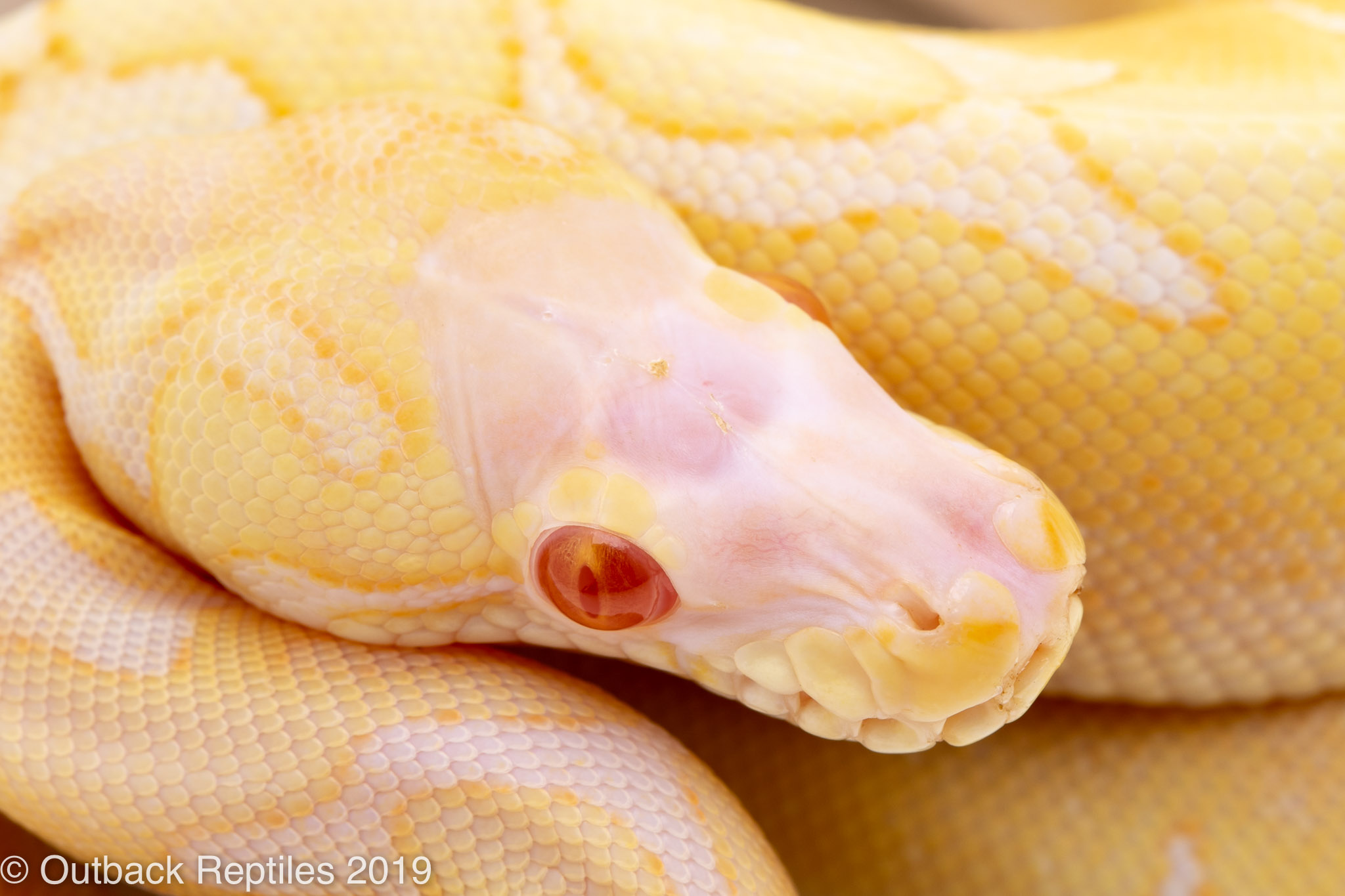
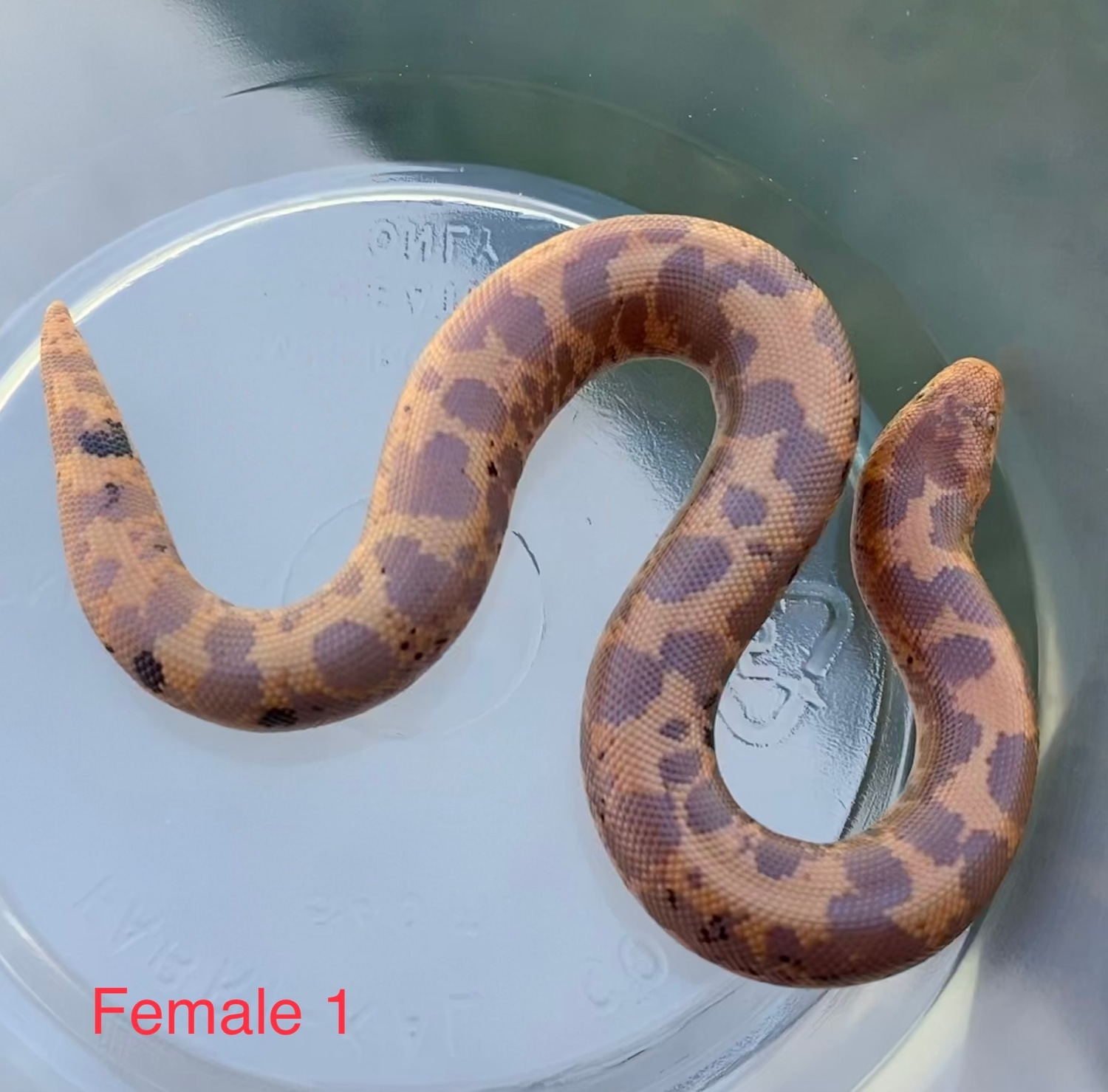
Albinism in reptiles is a genetic condition characterized by the complete absence of melanin, the pigment responsible for dark skin, eye, and scale coloration, resulting in striking white, yellow, or pinkish appearances and unique physiological challenges. While highly prized in the captive breeding community for their ethereal aesthetics, these animals require specialized husbandry protocols to mitigate health vulnerabilities such as photophobia and impaired vision.
The Genetic Basis of Albinism in Reptiles
At the core of reptilian albinism is an inherited autosomal recessive genetic mutation that disrupts the normal biochemical pathway of melanin synthesis. Melanin production relies on the enzyme tyrosinase, which converts the amino acid tyrosine into pigment precursors. When a genetic mutation disrupts the gene encoding tyrosinase, the pathway halts, preventing the formation of eumelanin (black and brown pigments) and phaeomelanin (red and yellow pigments).
Because the trait is recessive, an individual must inherit two copies of the mutated gene—one from each parent—to express the phenotype. If both parents are heterozygous carriers (possessing one normal and one mutant allele), statistically twenty-five percent of their offspring will exhibit albinism, fifty percent will become heterozygous carriers without showing visual traits, and twenty-five percent will be homozygous for the wild-type coloration.
It is vital to distinguish between true albinism (often categorized as tyrosinase-negative or $T\text{-}$ albinism) and amelanism or related conditions like hypomelanism. For instance, some morphs labeled as albino retain residual enzymatic activity ($T\text{+}$ albinism), allowing them to produce trace amounts of dark pigment, particularly as they mature. Understanding these genetic distinctions prevents misidentification and ensures that breeders track lineage accurately.
Visual Identification and Phenotypic Variations
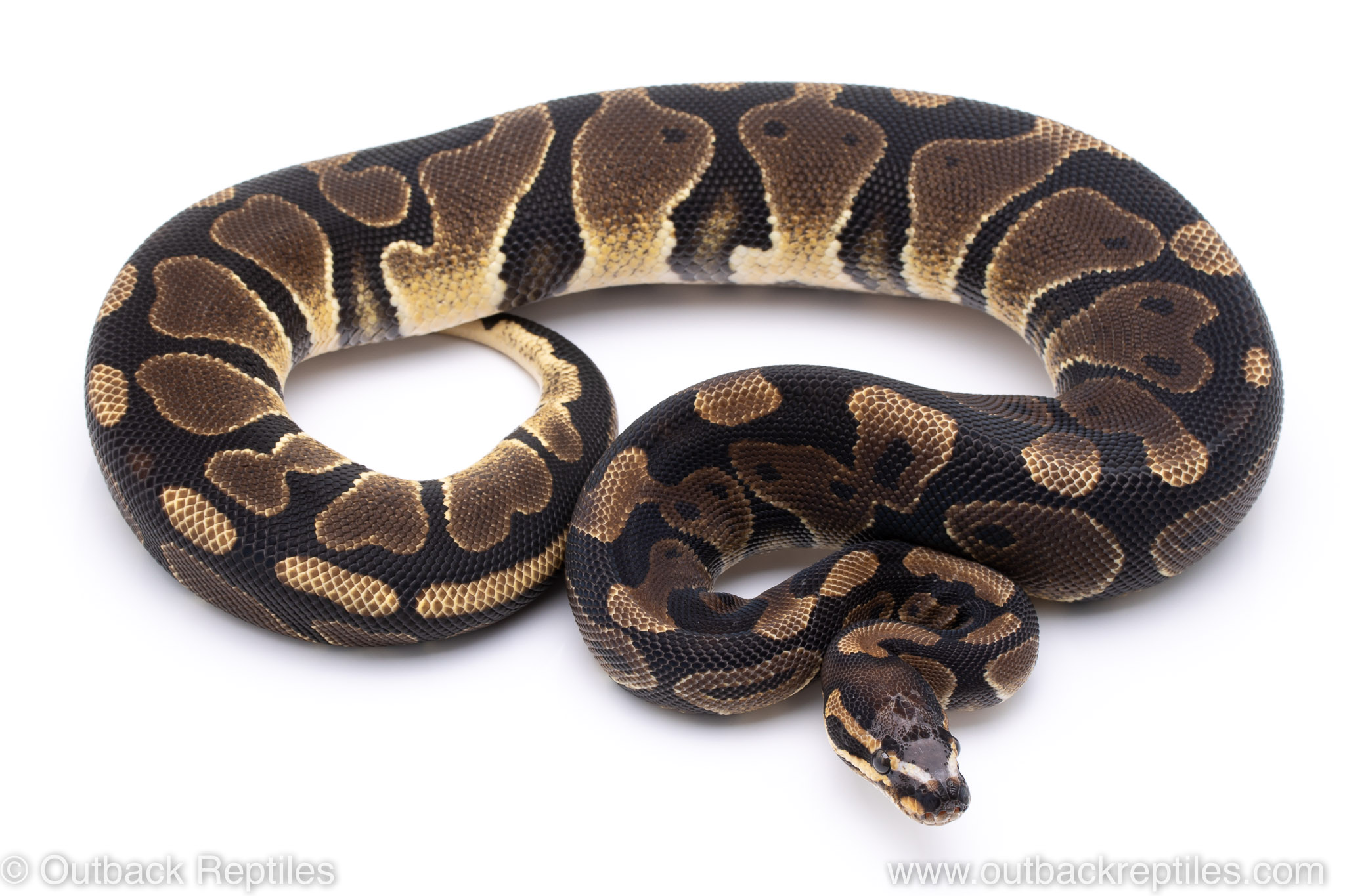
Identifying an albino reptile involves examining specific physiological markers that set them apart from standard wild-type specimens or other color mutations. The most immediate indicator is the absence of dark pigmentation across the skin, scales, and eyes. However, the exact visual manifestation varies across different species due to the presence of other chromatophores, such as xanthophores (yellow pigments) and iridophores (reflective cells).
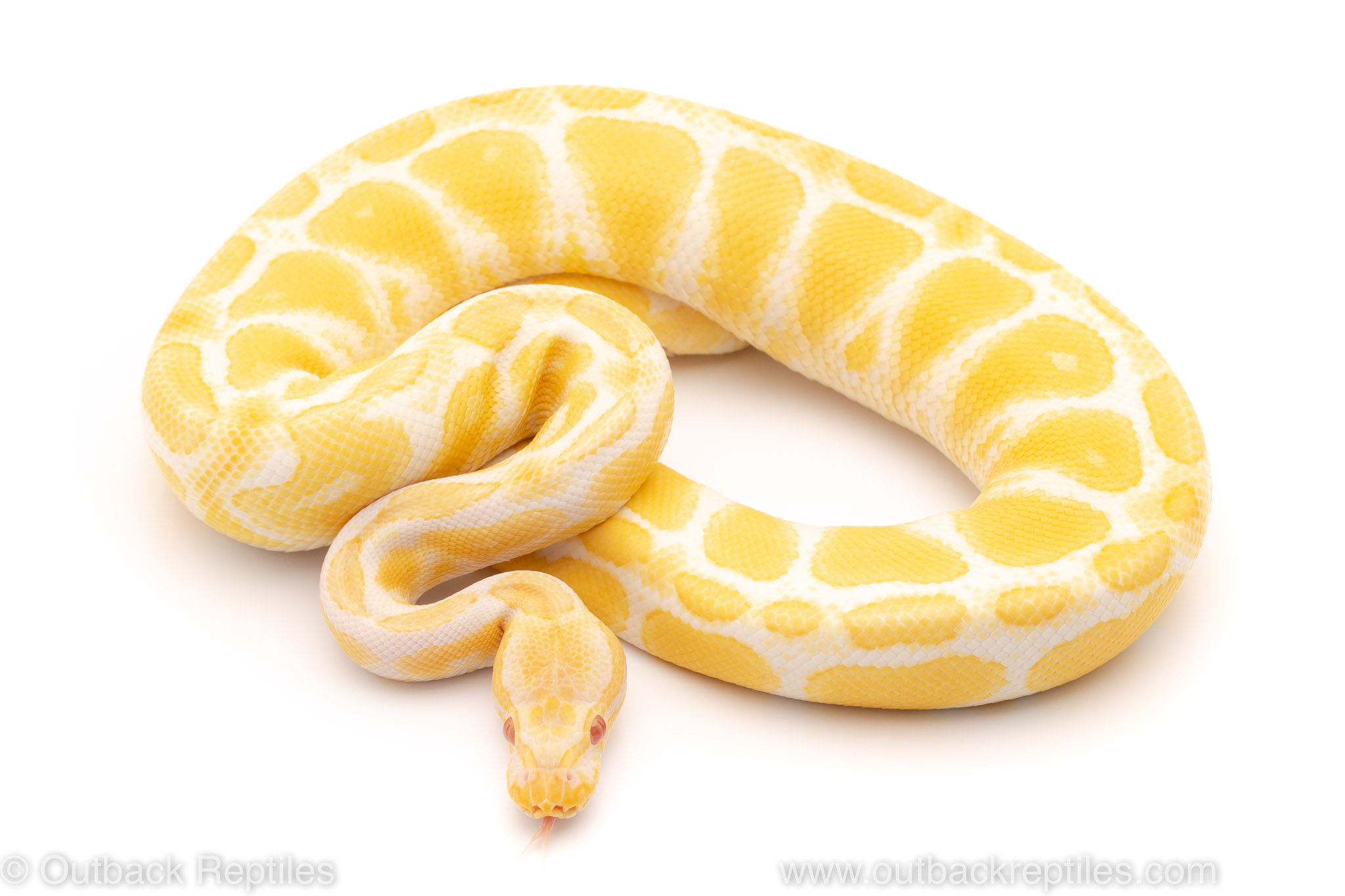
The eyes of an albino reptile provide the most definitive diagnostic feature. Lacking melanin in the iris and retina, the underlying blood vessels show through clearly, giving the eyes a distinctive pink, red, or light ruby coloration. This lack of ocular pigmentation directly impacts visual acuity, as melanin normally serves to absorb excess light entering the eye and sharpen image contrast.
The table below contrasts key visual and physiological traits between wild-type reptiles and albino morphs across common captive-bred families.
| Trait Category | Wild-Type Reptiles | Albino Morph Reptiles |
|---|---|---|
| Skin/Scale Pigmentation | High concentrations of eumelanin and phaeomelanin; complex camouflage patterns. | Complete or near-total absence of dark melanin; patterns rendered in creams, yellows, and whites. |
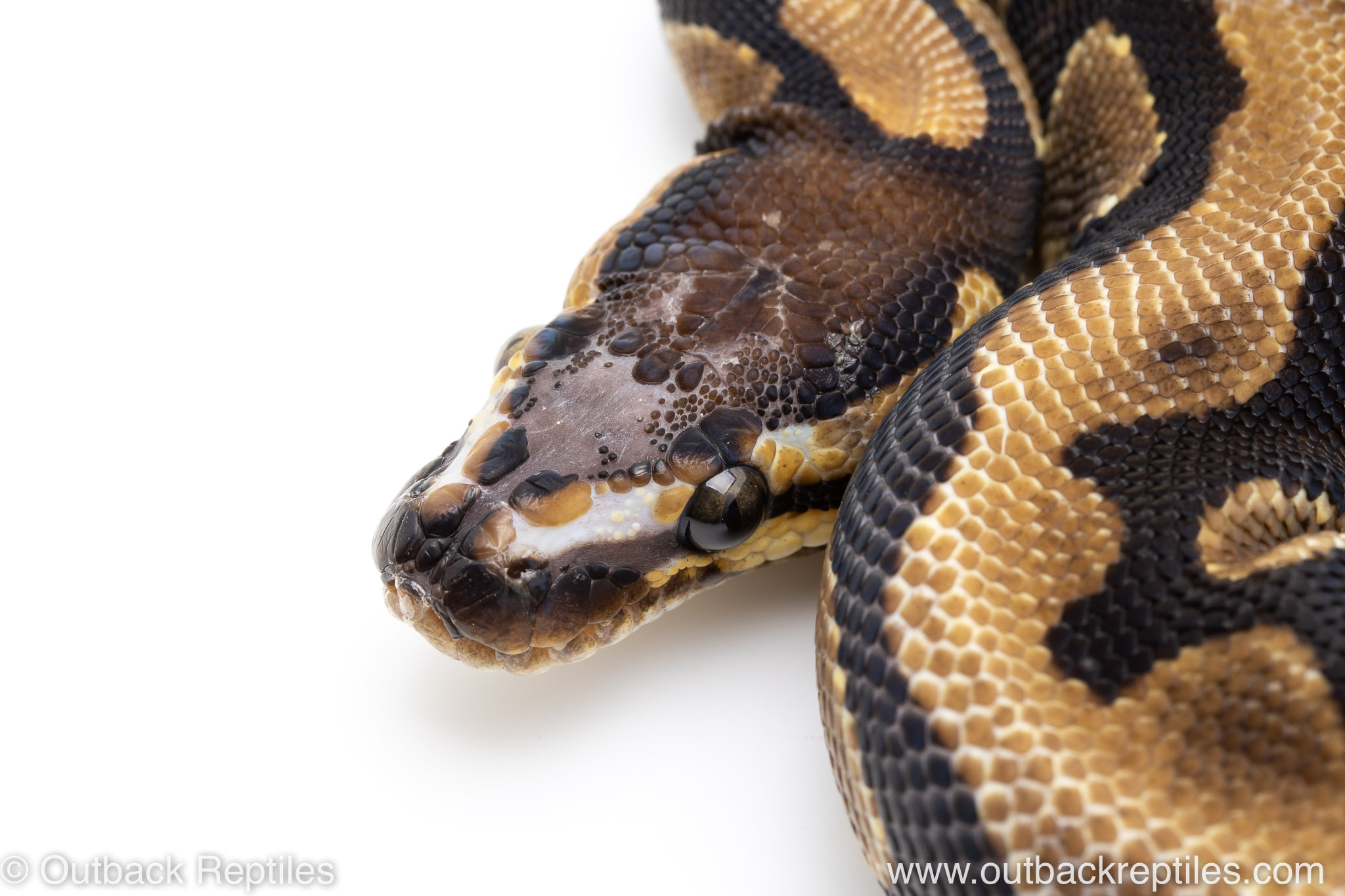
| Ocular Appearance | Dark, heavily pigmented irises; black or deeply colored pupils. | Pink, red, or translucent ruby eyes due to visible blood vessels. |
| UV Sensitivity | Natural protection against ultraviolet radiation; robust outdoor tolerance. | High vulnerability to solar radiation, burns, and photokeratitis. |
| Predation Risk | Effective natural camouflage in native habitats. | Highly conspicuous to predators; rarely survives long in the wild. |
Physiological Impacts and Health Challenges
The absence of melanin extends far beyond aesthetics, introducing several physiological challenges that require careful management in captive environments. In nature, melanin protects tissues from ultraviolet (UV) radiation by absorbing harmful rays before they can damage cellular DNA. Albino reptiles lack this natural sunscreen, making them exceptionally susceptible to solar dermatitis, sunburns, and secondary skin infections if exposed to unfiltered, intense sunlight.
Vision impairment is another significant hurdle. Without retinal melanin, albino reptiles frequently suffer from photophobia—an abnormal intolerance to light—and reduced visual acuity. This impairment can complicate fundamental behaviors such as targeted striking during feeding, navigation within an enclosure, and social signaling. Consequently, keepers must observe feeding responses closely to ensure these animals capture prey efficiently without injuring themselves on enclosure decor.
Thermoregulation can also be subtly affected. Dark pigments in wild-type reptiles assist in absorbing thermal energy from basking sites. While albino reptiles can still thermoregulate effectively via behavioral adjustments, their altered reflectance properties mean keepers must verify that ambient and basking temperatures are precisely calibrated to prevent both overheating and chronic chilling.
Husbandry Requirements for Captive Albino Reptiles
Successfully maintaining albino reptiles in captivity requires deliberate modifications to standard husbandry protocols, primarily centered on lighting, UV management, and enclosure design. Because these animals experience heightened sensitivity to bright light, standard high-intensity lighting setups designed for sun-loving desert species can cause chronic ocular stress and behavioral withdrawal.
Lighting strategies must balance the physiological need for Vitamin D3 synthesis with the animal's intolerance to glare. Low-output linear UVB lamps combined with abundant shaded retreats allow the animal to self-regulate its exposure. Keepers should avoid placing enclosures in direct, unfiltered sunlight and opt for dimmer, diffused ambient lighting rather than harsh spotlights.
Enclosure enrichment should be carefully assessed for safety. Because depth perception and visual contrast are compromised, sharp rocks, abrasive branches, and unstable decor should be replaced with smooth, predictable furnishings. Providing multiple opaque hides across both the warm and cool sides of the enclosure ensures the reptile can retreat into absolute darkness whenever photophobia peaks.
Conservation and Ecological Implications
While captive propagation has preserved numerous albino lineages across python, boa, gecko, and colubrid species, albinism is exceptionally rare in wild populations. The survival rate of an albino reptile hatched in the wild is remarkably low. Deprived of cryptic camouflage, these animals stand out vividly against natural substrates, making them prime targets for avian, mammalian, and reptilian predators.
Furthermore, their compromised vision inhibits effective hunting and predator avoidance. Herpetological field studies indicate that very few albino reptiles reach sexual maturity in the wild, which explains why the mutation remains a recessive anomaly rather than an established evolutionary morph in most native ecosystems. The thriving presence of these animals today is almost exclusively the result of selective captive breeding programs managed by experienced herpetoculturists.
FAQs
What causes albinism in reptiles?
Albinism is caused by an inherited autosomal recessive genetic mutation that blocks the production of melanin. This happens when the gene responsible for creating the enzyme tyrosinase is mutated, halting the biochemical conversion of tyrosine into dark pigment.
Are all albino reptiles completely white?
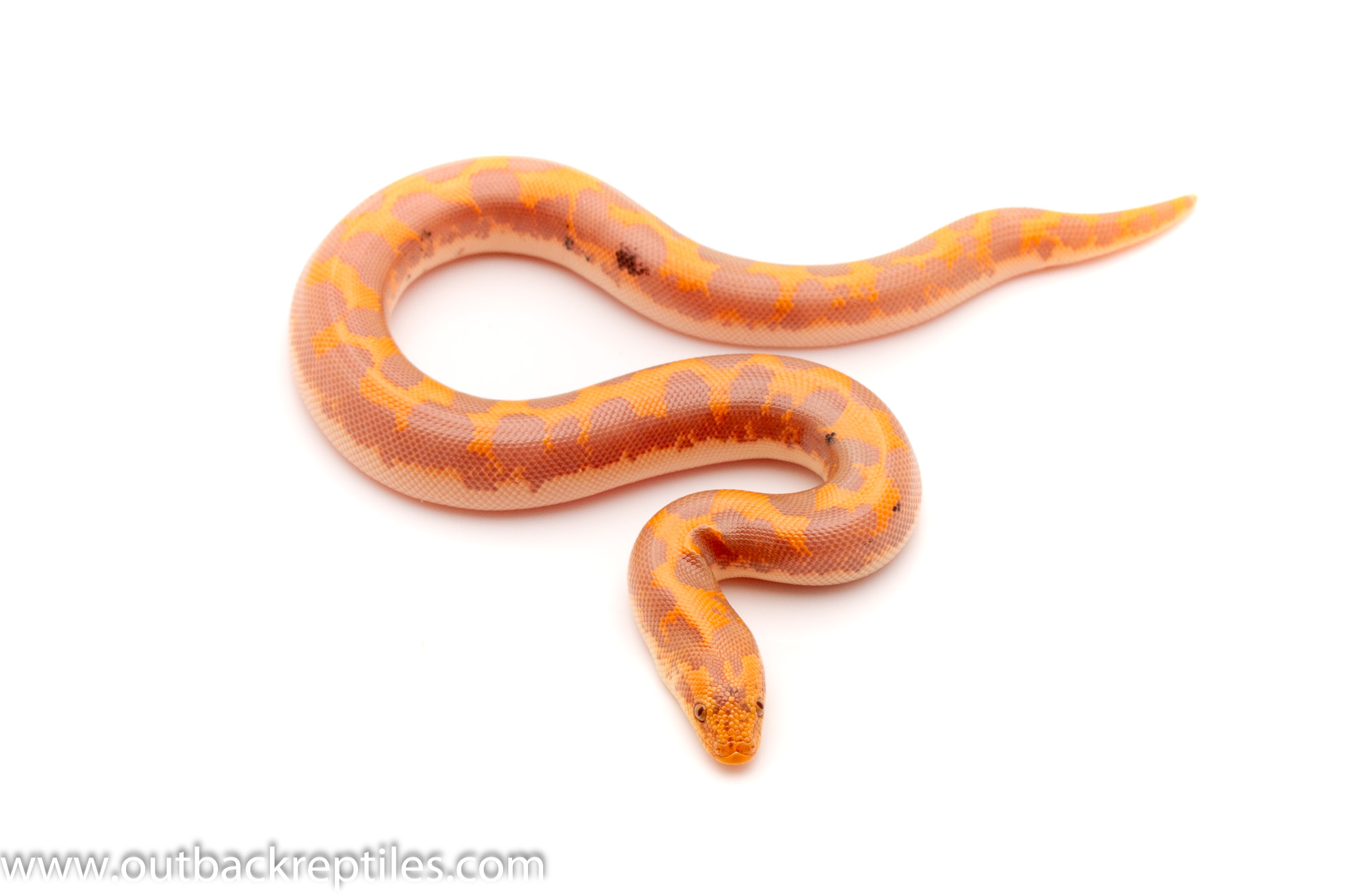
No. While true albinos lack all black and brown eumelanin, many species retain other pigments like xanthophores and iridophores. This results in colorations featuring vibrant yellows, lavenders, creams, and oranges rather than pure white.
Do albino reptiles require special lighting?
Yes. They suffer from photophobia and UV sensitivity due to a lack of protective ocular and dermal pigmentation. Enclosures should feature diffused lighting, gentle linear UVB sources, and ample shaded hiding spots to prevent stress and skin damage.
Can albino reptiles see as well as normal reptiles?
No. The absence of melanin in the iris and retina reduces visual acuity and increases light sensitivity. They often struggle with contrast, depth perception, and bright glare, which can impact hunting accuracy in captivity.
How can I tell if a reptile is a true albino?
True albinos (tyrosinase-negative) display a complete lack of dark pigment on their skin and have distinct pink or red eyes caused by visible blood vessels shining through the unpigmented iris.
Professional Husbandry Audit and Next Actions
For keepers acquiring or managing albino reptiles, conducting a structured husbandry audit is essential to safeguard long-term health. Begin by evaluating the spectrum and intensity of current enclosure lighting, ensuring that UV indices do not exceed moderate thresholds for the specific species. Next, inspect all interior decor to eliminate sharp edges or unstable climbing structures that could exploit reduced visual acuity. Finally, monitor feeding sessions individually to verify that strike accuracy remains high and that prey items are taken cleanly without substrate ingestion. Consulting specialized veterinary professionals experienced in exotic herpetology ensures timely intervention for any light-induced ocular or dermatological concerns.