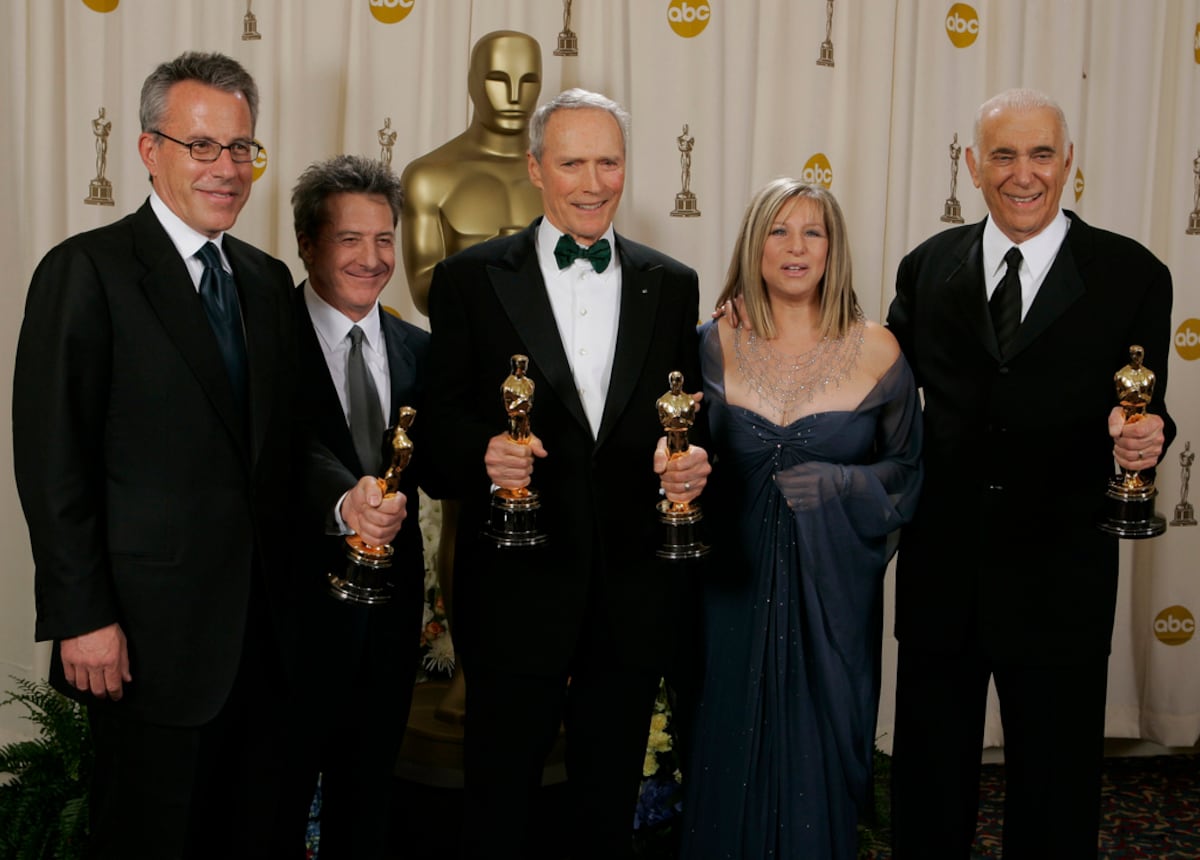
Albert S. Ruddy navigated complex studio politics, formidable real-world mob figures, and massive production hurdles to steer some of the most iconic films in cinema history. As the producer of The Godfather and the co-creator of television hits like Hogan's Heroes, Ruddy carved out a reputation as a master strategist who could turn high-risk entertainment ventures into critical and commercial triumphs. His career reflects a rare ability to bridge the gap between creative ambition and corporate survival, earning him a unique place in Hollywood lore.
The Early Career and Evolution of a Hollywood Outsider
Before Albert S. Ruddy became synonymous with high-stakes motion picture production, he followed an unconventional path into the entertainment industry. Born in Montreal, Quebec, in 1930 and raised in New York City, Ruddy studied chemical engineering at City College of New York and later earned a degree in architecture from the University of Southern California. He worked briefly as an architect and a programmer for the Rand Corporation before realizing his true calling lay in television and film development.
His entry into Hollywood began through sheer persistence and networking. After joining Warner Bros. as a programmer, he transitioned into television production, eventually co-creating the popular prisoner-of-war sitcom Hogan’s Heroes alongside Bernard Fein in 1965. This early success proved that Ruddy understood mass entertainment formulas, but his true test arrived when Paramount Pictures tapped him to adapt Mario Puzo’s bestselling novel about the American Mafia. Taking on The Godfather required a blend of corporate diplomacy, financial management, and crisis control that would define the rest of his career.
Producing The Godfather: Overcoming Studio Skepticism and Mob Pressure
The production of Francis Ford Coppola's 1972 masterpiece The Godfather is legendary for the magnitude of obstacles Ruddy had to overcome. Paramount executives initially viewed the project as a risky period piece, slashing budgets and repeatedly clashing with Coppola over casting and the film's gritty tone. Ruddy served as the essential buffer between the studio brass and a fiercely independent artistic crew, protecting the director’s vision while keeping the production solvent and on schedule.
Beyond corporate friction, Ruddy faced severe external pressure from the Italian-American Civil Rights League, led by mobster Joe Colombo, which attempted to shut down production over fears of negative stereotypes. In a move that highlighted his unorthodox management style, Ruddy engaged in direct negotiations with Colombo and his associates, famously holding a public summit to address their grievances. This confrontation resulted in the removal of words like "mafia" and "cosa nostra" from the script and secured the cooperation of real-world figures, allowing filming to proceed in New York City without interference.
| Production Challenge | Ruddy’s Strategic Response | Outcome |
|---|---|---|
| Studio Budget Resistance | Negotiated tight scheduling and leveraged Puzo's book success to maintain baseline funding. | Kept production solvent despite initial studio skepticism. |
| Mob Opposition & Protests | Held direct meetings with the Italian-American Civil Rights League to address script concerns. | Secured peaceful filming terms and local cooperation in New York City. |
| Creative Friction | Balanced studio demands for commercial appeal with Coppola’s artistic vision. | Preserved iconic casting choices and cinematic tone. |
Mastering the Logistics of High-Risk Blockbusters
Ruddy’s reputation as a management mastermind extended far beyond his work on The Godfather. He developed a specialized skill set in handling turbulent, high-budget productions that lesser producers avoided. His approach relied on meticulous logistical planning, rapid decision-making, and an unshakeable calmness under pressure. When projects encountered runaway budgets, artistic stalemates, or regulatory hurdles, studio executives routinely called upon Ruddy to restore order.
This operational philosophy informed his subsequent film choices, including The Longest Yard (1974), Matilda (1978), and the post-apocalyptic action landmark The Cannonball Run (1981). In each instance, Ruddy managed large ensemble casts, complex stunt coordination, and temperamental directors while ensuring fiscal accountability. His ability to navigate the egos of major stars—such as Burt Reynolds and Jackie Chan—without alienating them underscored his pragmatic, no-nonsense approach to filmmaking.
Key Executive Characteristics of Albert S. Ruddy
Examining Ruddy’s filmography reveals several distinct traits that separated him from traditional studio bureaucrats. He operated with a gambler’s instinct backed by rigorous preparation, understanding when to take calculated risks and when to dig in his heels against studio interference.
- Crisis Diplomacy: Ruddy excelled at diffusing explosive situations, whether negotiating with studio executives, creative talent, or external interest groups.
- Financial Pragmatism: He balanced artistic ambition with strict budgetary discipline, ensuring films delivered strong returns on investment.
- Adaptability Across Genres: From gritty crime dramas and sports comedies to high-octane action and science fiction, Ruddy transitioned seamlessly across diverse cinematic landscapes.
- Protection of Creative Vision: He consistently shielded directors from premature studio interference, allowing complex narratives to develop authentically.
Legacy and Impact on Modern Film Production
Albert S. Ruddy’s contributions to cinema were recognized globally, most notably through his two Academy Awards for Best Picture—first for The Godfather in 1972 and later for Clint Eastwood’s Million Dollar Baby in 2004. Winning Best Picture across three different decades demonstrated an extraordinary longevity and an ability to adapt to changing audience tastes and industrial landscapes.
His career serves as a blueprint for modern independent and studio producing, emphasizing that commercial success often requires as much psychological acuity as financial acumen. By treating filmmaking as an exercise in high-stakes project management and diplomacy, Ruddy redefined what a producer could achieve in an era of corporate consolidation. His legacy remains a testament to the power of resilient leadership in the face of insurmountable odds.
Frequently Asked Questions
What made Albert S. Ruddy’s management style unique during The Godfather?
Ruddy combined corporate diplomacy with direct, unorthodox negotiation tactics, famously dealing face-to-face with real-world mob figures to ensure the production could proceed safely while protecting the director's artistic vision from studio interference.
How many Academy Awards did Albert S. Ruddy win?
Ruddy won two Academy Awards for Best Picture during his career. He received his first for The Godfather (1972) and his second for Million Dollar Baby (2004), spanning a producing career of over four decades.
What television show did Albert S. Ruddy co-create?
Ruddy co-created the hit television sitcom Hogan’s Heroes with Bernard Fein, which premiered on CBS in 1965 and ran for six successful seasons before transitioning into full-time feature film production.
How did Ruddy handle studio interference on his film projects?
He acted as a protective shield between studio executives and creative directors like Francis Ford Coppola and Clint Eastwood, absorbing corporate pressure while managing budgets to maintain creative integrity.
What are some of the most notable movies produced by Albert S. Ruddy?
Aside from The Godfather and Million Dollar Baby, Ruddy produced notable box-office hits and cult classics including The Longest Yard (1974), Cooley High (1975), The Cannonball Run (1981), and Death Hunt (1981).