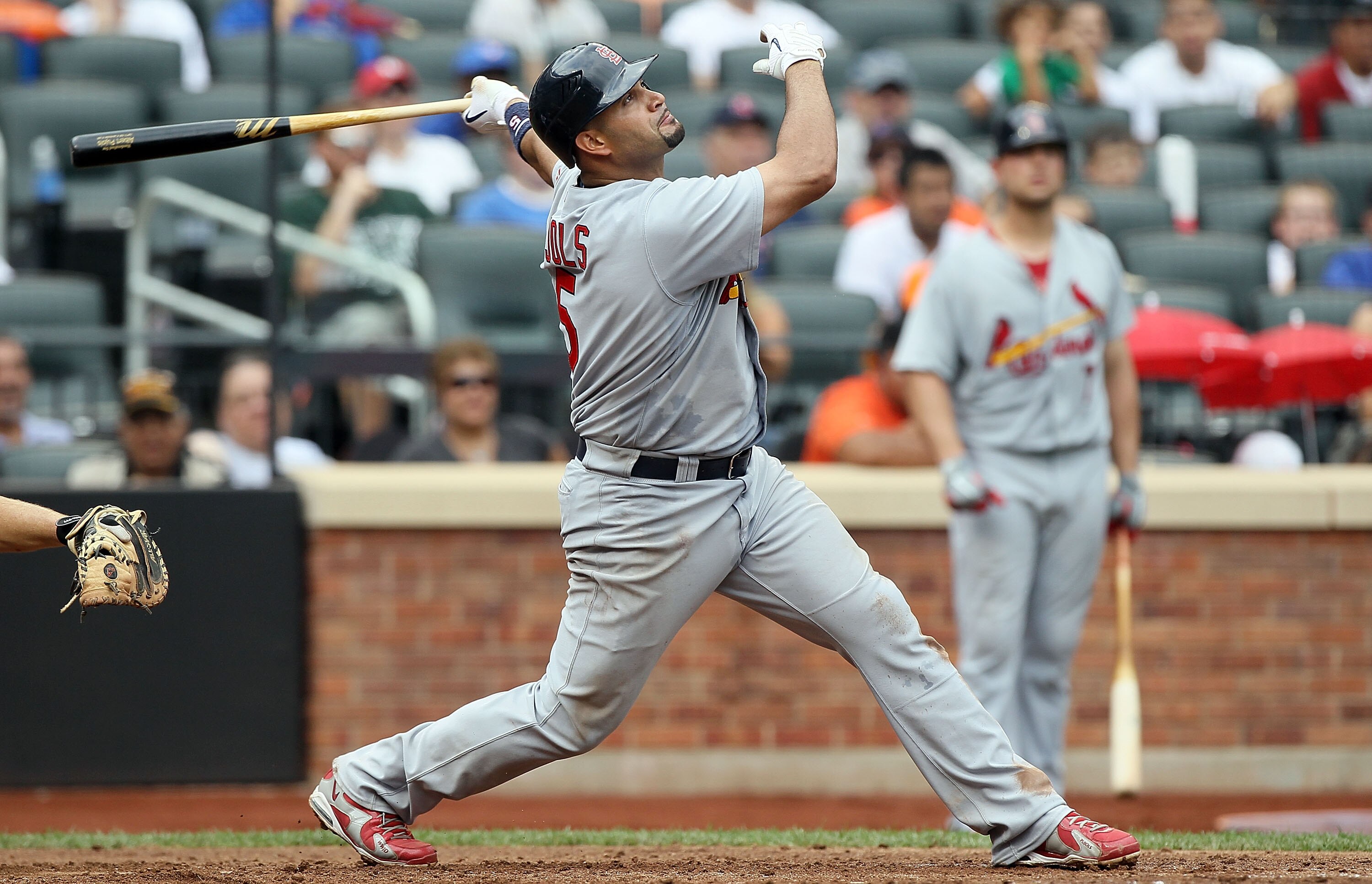
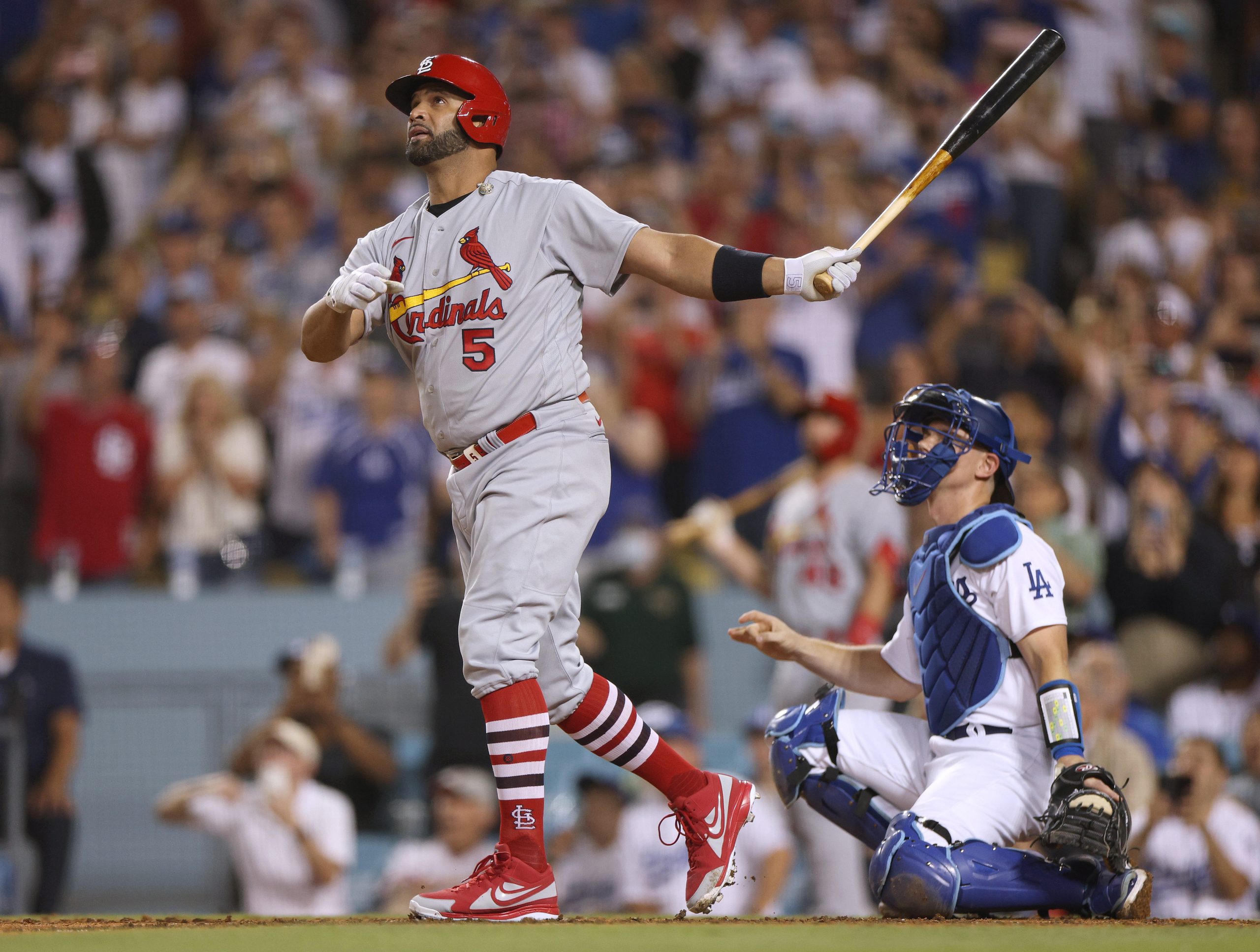
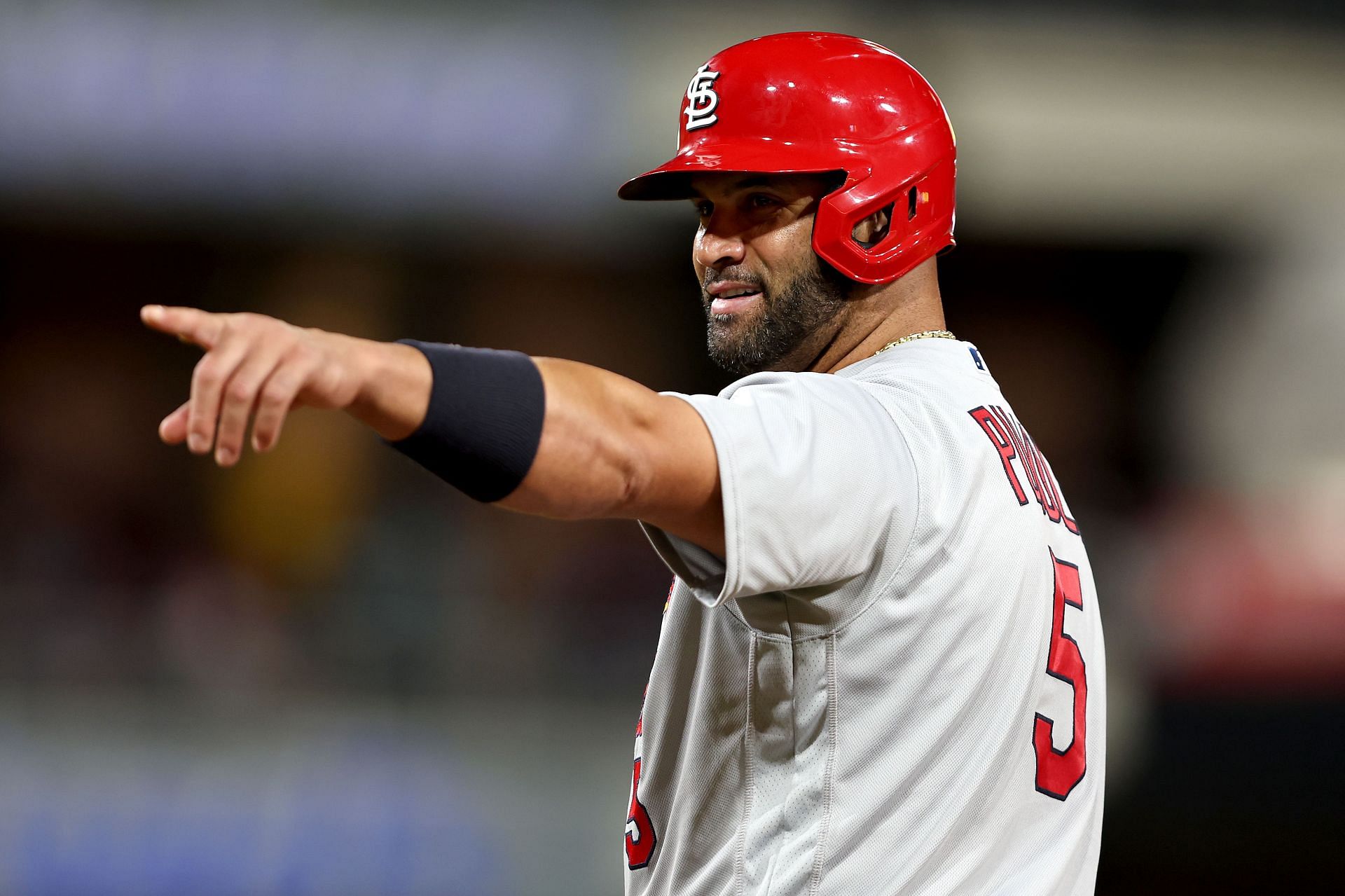
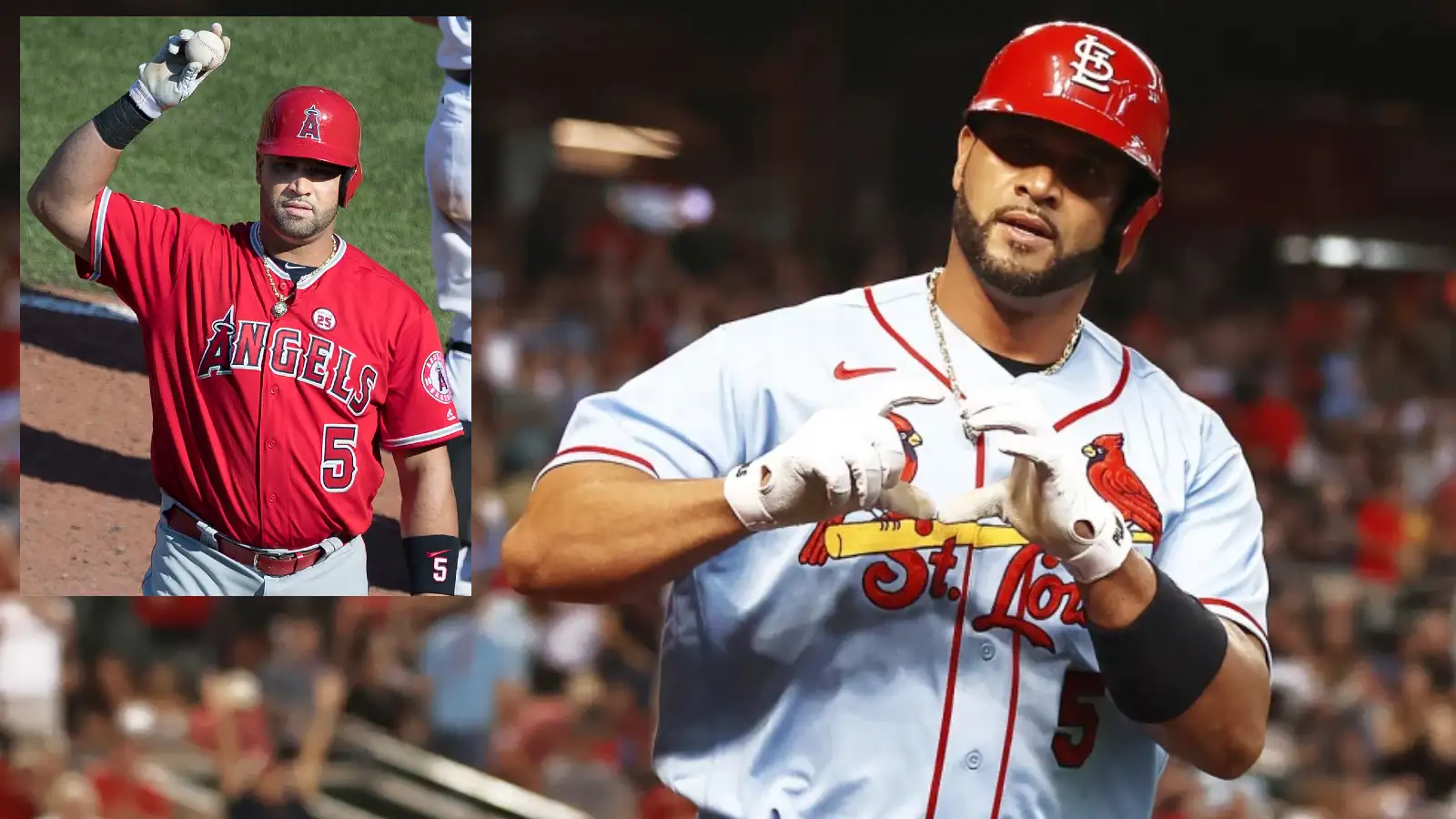
Albert Pujols holds an estimated net worth of approximately $170 million, built primarily through his legendary 22-year Major League Baseball career, lucrative player contracts, and high-profile global endorsement portfolios.
Evaluating the financial standing of a generational sports icon requires looking beyond basic salary figures. For more than two decades, Albert Pujols dominated Major League Baseball (MLB) as one of the greatest hitters in the history of the sport. His career spanned historic stints with the St. Louis Cardinals, the Los Angeles Angels, and the Los Angeles Dodgers. Beyond his on-field achievements, Pujols engineered a financial portfolio that included massive long-term contracts, strategic real estate investments, and widespread corporate partnerships. Understanding how much he is truly worth involves analyzing his career earnings, tax implications, post-retirement business ventures, and philanthropic endeavors.
The Foundation of Wealth: Major League Baseball Career Earnings
The core driver of Albert Pujols's net worth stems from his historic MLB contracts. Over 22 seasons, Pujols accumulated over $340 million in pure baseball salary alone, placing him in an elite echelon of team-sport earners. His journey from a 13th-round draft pick in 1999 to a multi-million-dollar superstar represents one of the most remarkable value trajectories in professional sports history.
When Pujols burst onto the scene with the St. Louis Cardinals in 2001, winning the National League Rookie of the Year award, he was initially playing under minor league deals and league-minimum salaries. Recognizing his generational talent, the Cardinals signed him to a seven-year, $100 million contract extension in 2004. This deal provided financial security and set the stage for his next massive payday.
Following the 2011 season, after winning his second World Series title with St. Louis, Pujols signed a landmark 10-year, $240 million contract with the Los Angeles Angels as a free agent. This deal guaranteed him an average annual value of $24 million well into his late thirties and early forties. Furthermore, the contract included a unique, multi-year personal services agreement with the Angels organization once his playing days concluded, securing post-retirement income streams.
Contract Breakdown and Career Earnings Timeline
To understand the trajectory of his wealth accumulation, it is helpful to examine how his earnings scaled across different phases of his career. The table below outlines the primary contractual phases, teams, and financial totals generated through professional play.
| Contract Phase / Team | Years Active | Estimated Total Value | Key Financial Milestone |
|---|---|---|---|
| St. Louis Cardinals (Initial/Arbitration) | 2001–2003 | ~$3.5 million | National League Rookie of the Year and MVP bonuses |
| St. Louis Cardinals (First Extension) | 2004–2011 | $100 million | First major multi-year guarantee; 3x NL MVP |
| Los Angeles Angels | 2012–2021 | $240 million | 10-year mega-deal; personal services clause |
| Los Angeles Dodgers / St. Louis Cardinals | 2021–2022 | ~$4 million | Final milestone seasons; chase for 700 home runs |
While these gross figures display immense revenue, net worth calculations must factor in substantial deductions. Professional athletes face high tax burdens, including federal, state, and "jock taxes" levied by municipalities where they play away games. Additionally, agent fees (typically around 3% to 5%), union dues, and high-bracket income taxes significantly reduce the gross contract totals. Financial experts generally estimate that an athlete's take-home pay after taxes, fees, and expenses accounts for roughly 45% to 50% of their gross earnings.
Endorsements, Business Ventures, and Personal Investments
Beyond his player contracts, Pujols augmented his wealth through strategic endorsement deals and private business investments. During his prime years as the premier right-handed hitter in baseball, he partnered with major brands seeking to capture the Latin American and mainstream American sports markets.
Key corporate partnerships during his career included deals with:
- Nike (specifically Jordan Brand)
- Rawlings
- PepsiCo
- State Farm
These endorsements added millions annually to his income during his peak playing years. Unlike modern athletes who frequently secure equity stakes in emerging tech startups or direct-to-consumer brands, Pujols's endorsement era focused predominantly on traditional cash-compensation contracts with global conglomerates.
In the realm of real estate and private investments, Pujols has maintained a relatively conservative approach compared to high-risk venture capitalists. Over the years, he has owned and sold high-end residential properties in St. Louis, Orange County, and his native Dominican Republic. Real estate appreciation in prime Southern California and Missouri markets has provided a stable, compounding asset base that supports his post-playing net worth.
Post-Retirement Roles and Front Office Income
Following his emotional farewell tour with the St. Louis Cardinals in 2022—during which he slugged his historic 700th career home run—Pujols did not step away from baseball entirely. Transitioning immediately into coaching and front-office advisory roles allowed him to maintain a steady revenue stream.
In 2023, Pujols signed a personal services contract to serve as a special assistant to the Los Angeles Angels, fulfilling the terms established in his 2012 player contract. Additionally, he has engaged in broadcasting roles, providing expert analysis for Major League Baseball telecasts, and has accepted managerial positions in winter leagues, such as managing the Leones del Escogido in the Dominican Professional Baseball League. These roles ensure that his earning power remains robust long after hanging up his spikes.
Philanthropy and Economic Impact
A comprehensive view of Albert Pujols's financial life must account for his extensive charitable giving, which impacts his overall liquid estate management. Alongside his former wife, Deidre, he established the Pujols Family Foundation in 2005.
The organization focuses heavily on two primary missions:
- Improving the lives of people with Down syndrome through advocacy, recreational events, and financial support.
- Providing humanitarian aid, educational resources, and medical supplies to impoverished communities in the Dominican Republic.
While philanthropic contributions reduce adjusted gross income for tax purposes, they represent a conscious allocation of wealth rather than an accumulation vector. The foundation operates significant annual galas, golf tournaments, and fundraising drives, cementing Pujols's legacy as a community leader.
Summary of Wealth Realities
When evaluating public figures, internet estimates regarding net worth frequently miscalculate by assuming gross career earnings equal current liquid capital. Factoring in top-bracket tax rates, agent commissions, lifestyle maintenance, philanthropic giving, and investment management fees, Albert Pujols's realistic net worth sits safely in the $160 million to $180 million range. Supported by consistent advisory income, real estate holdings, and historical baseball earnings, his financial standing remains exceptionally secure.
Frequently Asked Questions
What was Albert Pujols's highest-paying MLB contract?
His highest-paying contract was the 10-year, $240 million deal he signed with the Los Angeles Angels prior to the 2012 season. This contract averaged $24 million per year and included long-term personal services stipulations that continue to generate income.
How much did Albert Pujols earn in total salary during his career?
Over his 22-year MLB career, Pujols earned approximately $342 million in base salaries alone. This figure places him among the highest-earning team-sport athletes in baseball history prior to the massive contract inflations of the late 2010s and 2020s.
Does Albert Pujols still work in baseball?
Yes. Following his retirement as a player in late 2022, Pujols transitioned into front-office advisory roles, special assistant positions with major league franchises, broadcasting, and winter league managerial assignments in the Dominican Republic.
How much do taxes and agent fees reduce an athlete's net worth?
Professional athletes typically lose between 45% and 55% of their gross earnings to federal, state, and local income taxes, jock taxes, agent commissions, and professional union dues. Consequently, net worth calculations must scale down gross contract totals significantly.
What are Albert Pujols's primary sources of post-retirement income?
His post-retirement income is generated through front-office advisory contracts, media and broadcasting appearances, winter league managerial salaries, and returns on historical real estate investments and passive asset management.
Strategic Financial Management for Retiring Athletes
Athletes facing transition periods out of professional sports should prioritize comprehensive wealth preservation strategies, including diversified asset allocation, proactive tax planning across multiple jurisdictions, and establishing professional advisory boards. Relying solely on historical salaries without active portfolio management exposes generational wealth to inflation and market volatility. Working with certified financial planners and legal experts ensures long-term capital stability and sustainable philanthropic impact.