Albert Pujols' father, Bienvenido Pujols, was a foundational figure in the baseball legend's life, instilling early discipline and a passion for the sport in the Dominican Republic before their migration to the United States. While public attention naturally centers on Albert Pujols' historic Major League Baseball career—marked by his 703 home runs, three National League MVP awards, and two World Series championships with the St. Louis Cardinals—understanding his roots requires examining the familial pillars that shaped his character. The influence of his father and broader family structure provided the resilience necessary to navigate the transition from a modest upbringing in Santo Domingo to the rigorous demands of professional athletics.
Early Life and Roots in the Dominican Republic
Born on January 16, 1980, in Santo Domingo, Dominican Republic, José Alberto Pujols Alcántara grew up in an environment where baseball was woven into the cultural fabric. Bienvenido Pujols played a direct role in introducing his son to the game, often working with him using makeshift equipment in the streets of their neighborhood. In a country where baseball serves as both a cultural passion and a potential pathway out of economic hardship, foundational training often begins within the household.
Bienvenido possessed a strong athletic background himself, playing local baseball and helping cultivate his son’s natural hand-eye coordination. These formative years in the Dominican Republic established a rigorous work ethic. The environment required resourcefulness, as formal training facilities were not readily accessible to working-class families in Santo Domingo during the 1980s. Instead, skill development relied on repetition, street games, and the guidance of family members who recognized early athletic potential.
Family Migration and Adaptation in the United States
The trajectory of the Pujols family shifted dramatically in 1996 when they migrated to the United States, settling in New York City before eventually moving to the Independence area of Missouri. This relocation presented significant cultural, linguistic, and socioeconomic adjustments for a teenage Albert Pujols. Bienvenido Pujols, alongside other family members, worked to establish stability in an unfamiliar country, balancing employment demands with supporting their children's education and athletic pursuits.
Immigrating as a teenager required rapid adaptation. Albert attended Fort Osage High School in Independence, Missouri, where his baseball talents quickly became apparent to local coaches and scouts. The support system provided by his father and extended family served as an anchor during this critical transitional phase. While many young international prospects face isolation when moving abroad, the presence of family guidance helped maintain focus on both academic responsibilities and athletic development.
The Dual Influence of Father and Extended Family
Beyond Bienvenido Pujols, the broader family network played an instrumental role in shaping the values that defined Albert Pujols' professional career. Known for his disciplined approach, charitable endeavors through the Pujols Family Foundation, and strong public faith, Albert frequently attributes his moral compass to his upbringing.
The family dynamic emphasized accountability, humility, and perseverance. In professional sports, where sudden wealth and intense media scrutiny can derail promising careers, athletes often rely on the foundational values instilled by their parents. The partnership and mutual support within the Pujols household created an environment where athletic success was viewed not merely as an individual achievement, but as a collective responsibility and a blessing to be managed with integrity.
Career Milestones and Familial Support Systems
As Albert Pujols advanced through the minor leagues after being drafted by the St. Louis Cardinals in the 11th round of the 1999 Major League Baseball Draft, his family remained a constant source of grounding. His rapid ascent to the major leagues—making his debut in 2001 and winning the National League Rookie of the Year award—thrust him into an intense global spotlight.
The transition from a promising prospect to a perennial All-Star and eventual member of the 700-home-run club brought immense pressure. Throughout his twenty-two-season career, which included stints with the Los Angeles Angels and Los Angeles Dodgers before returning to St. Louis for his final season in 2022, family stability remained central to his longevity.
| Career Phase | Approximate Years | Location / Team Context | Key Familial & Personal Milestones |
|---|---|---|---|
| Formative Years | 1980–1996 | Santo Domingo, Dominican Republic | Early training under Bienvenido Pujols; local baseball integration. |
| Relocation & High School | 1996–1999 | New York City & Independence, Missouri | Cultural adaptation; standout career at Fort Osage High School. |
| Rise to Stardom | 2001–2011 | St. Louis Cardinals | MLB debut; multiple MVP awards and World Series titles; family grounding. |
| Veteran Tenure | 2012–2022 | Angels, Dodgers, Cardinals | Continued milestone pursuits, philanthropy, and generational legacy. |
Philanthropic Partnership and the Pujols Family Foundation
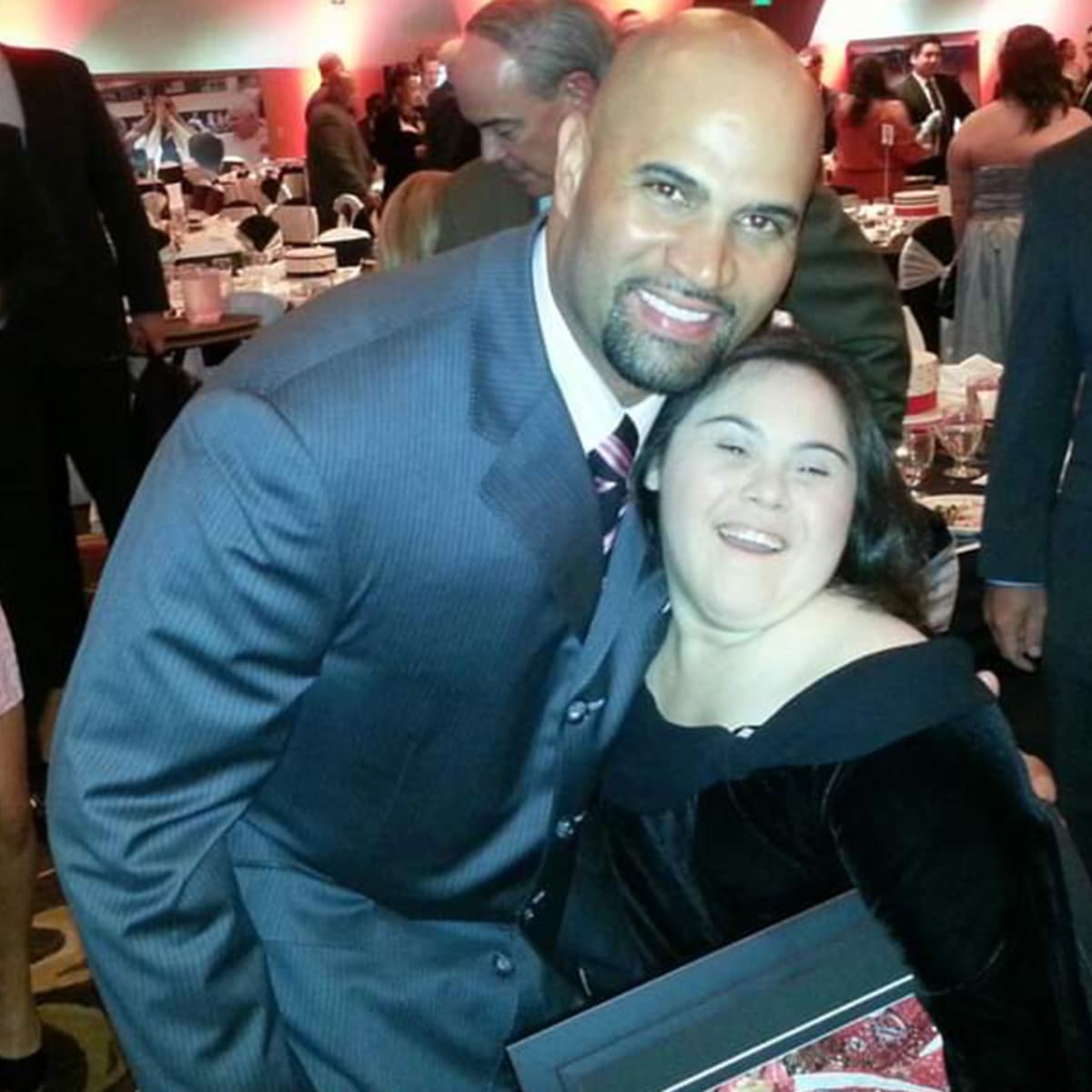
The influence of Bienvenido and the broader family ethos extends directly into community service. Established in 2005 by Albert and his then-wife Deidre, the Pujols Family Foundation focuses on two primary missions: supporting individuals with Down syndrome and improving the standard of living for impoverished citizens in the Dominican Republic.
The foundation reflects the values taught during Albert's youth in Santo Domingo. By maintaining a deep connection to their homeland, the family ensured that their success translated into tangible resources for underprivileged communities. This philanthropic commitment demonstrates how parental influence and family culture manifest long after an athlete establishes financial security and global recognition.
Frequently Asked Questions
Who is Bienvenido Pujols?
Bienvenido Pujols is the father of Major League Baseball legend Albert Pujols. He played a vital role in introducing Albert to baseball in the Dominican Republic and provided foundational support during his early athletic development.
When did Albert Pujols and his family move to the United States?
Albert Pujols and his family migrated from the Dominican Republic to the United States in 1996, initially settling in New York City before moving to Missouri, where Albert attended high school.
How did Albert Pujols' upbringing influence his professional career?
His upbringing in Santo Domingo, combined with the discipline and work ethic instilled by his father and family, helped shape his resilient character, humility, and steadfast focus throughout a historic 22-season MLB career.
What is the Pujols Family Foundation?
Founded in 2005, the Pujols Family Foundation is a charitable organization dedicated to supporting people with Down syndrome and providing humanitarian aid and educational resources to impoverished communities in the Dominican Republic.
What are Albert Pujols' primary career achievements?
Albert Pujols finished his career with 703 home runs, three National League MVP awards, two World Series championships, ten All-Star selections, and membership in the exclusive 3,000-hit club, cementing his status as one of the greatest hitters in baseball history.
Sustaining a Lasting Legacy
Examining the life and career of Albert Pujols reveals that athletic greatness is rarely achieved in isolation. The early guidance of Bienvenido Pujols, combined with the collective resilience of a family navigating immigration and cultural adaptation, provided the bedrock for a historic baseball career. From the streets of Santo Domingo to the halls of Cooperstown-bound eligibility, the influence of his family remains an inseparable part of the Albert Pujols narrative.