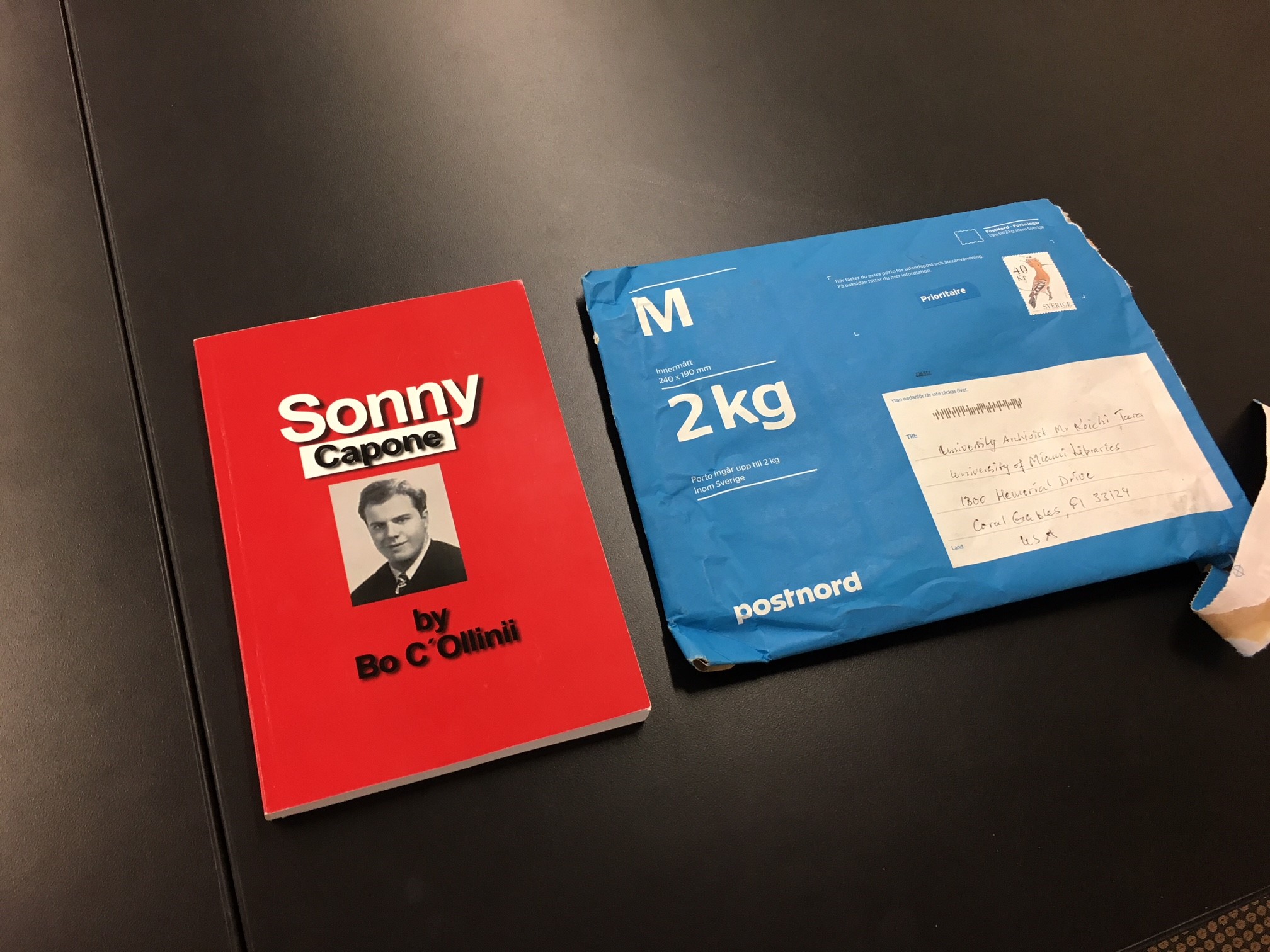
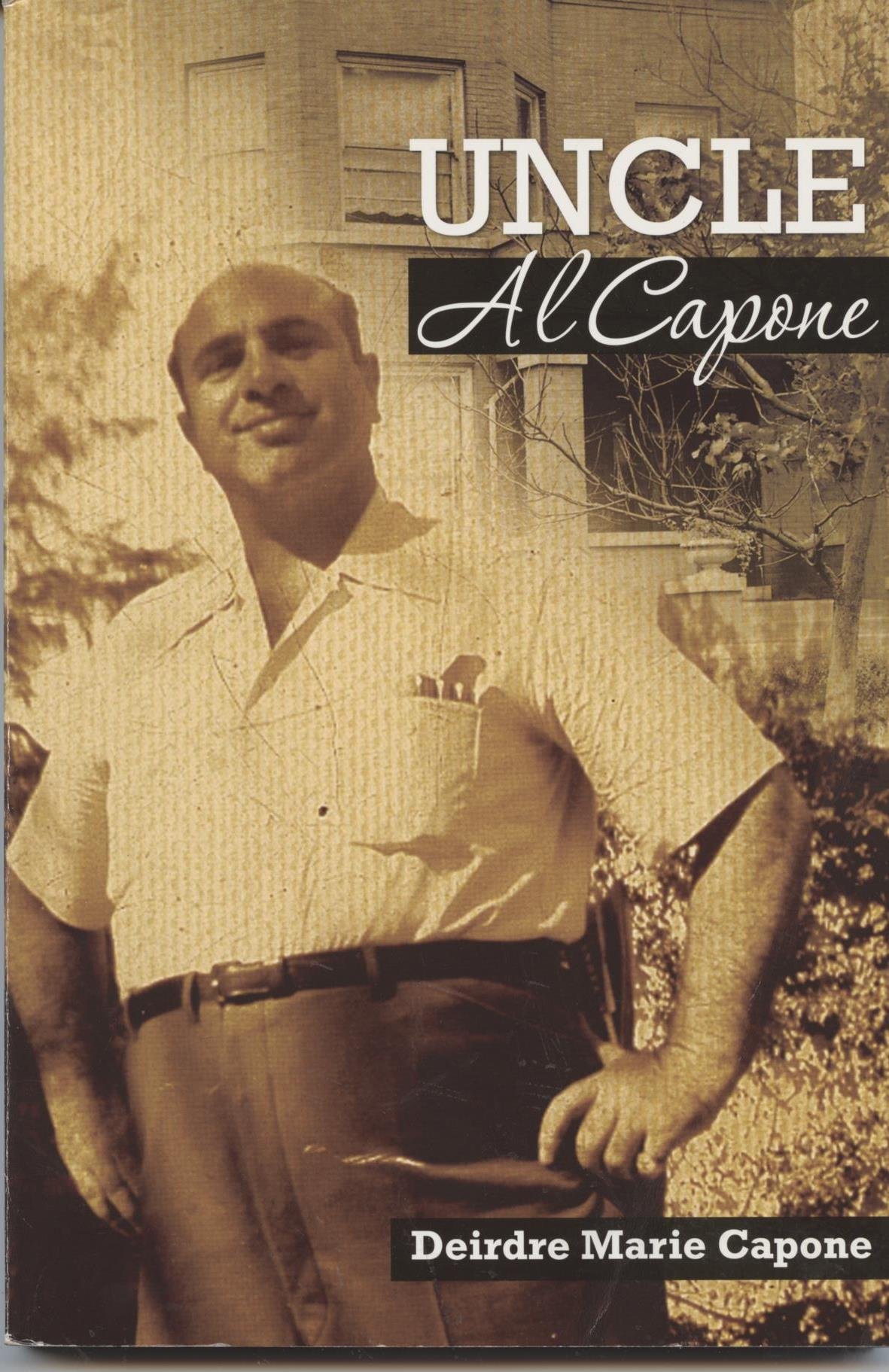
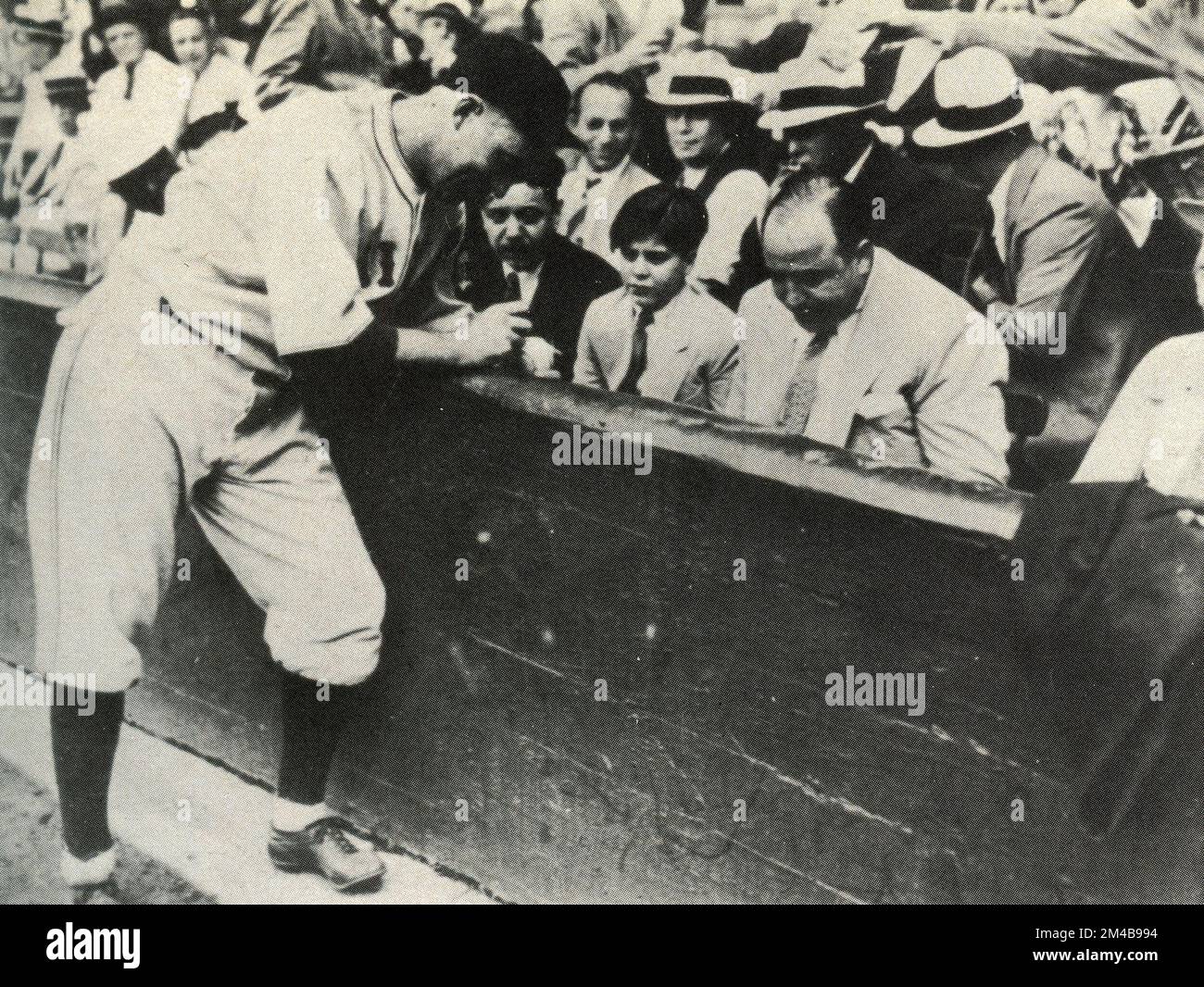
Albert Francis "Sonny" Capone Jr. was the only child of Chicago mob boss Al Capone and his wife, Mae Coughlin. Born in 1918, Sonny spent his lifetime explicitly rejecting his father's violent criminal empire, pursuing legitimate trades, and eventually changing his legal name to Albert Francis Brown to shield his family from public infamy.
Early Life, Health Challenges, and Childhood in Miami
Albert Francis "Sonny" Capone Jr. was born on August 23, 1918, in Brooklyn, New York, several months before his parents officially married. His birth coincided with the early rise of his father, Alphonse "Al" Capone, who was then a rising associate in Johnny Torrio’s criminal organization. Unlike the child of a typical working-class immigrant family, Sonny was born into a household rapidly acquiring immense wealth and notorious public attention.
From infancy, Sonny faced severe health obstacles. He was born with congenital syphilis, an infection transmitted from his father, which contributed to a severe mastoiditis infection in his early childhood. The condition threatened his life and required specialized surgical intervention. In 1925, Al Capone arranged for top medical specialists in New York City to perform a mastoidectomy on seven-year-old Sonny. While the surgery saved his life, it left him permanently hard of hearing in his left ear.
To protect his son from both rival gang violence in Chicago and the harsh Midwestern winters, Al Capone purchased a luxurious estate at 93 Palm Avenue on Palm Island in Miami Beach, Florida, in 1928. Sonny spent much of his youth in South Florida, shielded by private security and relative isolation. His mother, Mae Coughlin, took a primary role in his upbringing, attempting to provide a stable, devoutly Catholic environment far removed from the brutal reality of the Chicago Outfit.
Education, Parental Influence, and Rejecting Organized Crime
Despite Al Capone’s status as Public Enemy Number One during the late 1920s and early 1930s, the elder Capone held a strict boundary regarding his son. Contemporary biographical accounts and law enforcement intelligence records confirm that Al Capone explicitly forbade Sonny from participating in bootlegging, gambling, or any aspect of organized crime. Al Capone desired social respectability for his son, insisting that Sonny pursue higher education and a lawful profession.
Sonny attended St. Patrick Catholic School in Miami Beach before enrolling at the University of Notre Dame in South Bend, Indiana, in 1937. However, carrying the Capone surname at a major university proved psychologically burdensome and drawn to public scrutiny. He eventually transferred to the University of Miami, where he completed his studies. Throughout his collegiate years, classmates noted that Sonny was quiet, polite, and determinedly low-key, going to great lengths to avoid discussions regarding his father's conviction for federal tax evasion in 1931.
When Al Capone was released from the Federal Correctional Institution at Terminal Island in 1939—suffering from the advanced stages of neurosyphilis—Sonny returned to the family estate in Miami Beach to assist his mother in caring for his deteriorating father. During this period, Sonny maintained a firm line between familial affection for his parents and complete disassociation from his father's former underworld associates.
Career Pathways, Military Status, and Financial Independence
Following his education, Sonny Capone sought financial independence entirely separate from mob capital or underworld trusts. During World War II, he attempted to enlist in the United States military. While sources differ on whether his partial deafness from mastoiditis limited his active combat role, he contributed to the war effort through civilian defense roles and localized labor.
Throughout his adult life, Sonny worked a wide array of conventional jobs:
- Tire Retailer: Operated a legitimate tire business in South Florida during the mid-20th century.
- Commercial Printer: Worked in print manufacturing and typography shops.
- Restaurant Worker and Distributor: Managed local eateries and worked in food distribution in Florida and later Northern California.
- Draftsman and Skilled Trade Worker: Utilized technical drafting skills for local engineering and construction projects.
Sonny married Diana Ruth Casey in 1941, and together they raised four daughters: Veronica, Teresa, Barbara, and Patricia. After divorcing in the 1960s, Sonny remarried and continued to live a quietly modest lifestyle. Unlike many children of high-profile public figures who monetized their family names, Sonny systematically avoided tell-all interviews, books, or media appearances during the peak decades of true-crime publishing.
The 1965 Misdemeanor and the Official Name Change
For nearly five decades, Sonny Capone maintained an unblemished legal record. However, in 1965, a minor shoplifting incident in a Florida supermarket brought his name back into national news headlines. Sonny was caught attempting to steal two packs of transistor radio batteries and a box of aspirin, valued at less than five dollars.
During court proceedings, the local judge sentenced him to two years of probation, noting the trivial nature of the theft but acknowledging the media frenzy surrounding the defendant's surname. In court statements, Sonny expressed deep embarrassment over the incident, stating that the pressure of carrying his father's name had been a lifelong burden.
Recognizing that the Capone name continued to attract unwanted media scrutiny for his children and grandchildren, Sonny took decisive legal action in 1966. He petitioned the circuit court to legally change his name to Albert Francis Brown. He chose the surname "Brown" in part because his father had occasionally used "Al Brown" as an alias during the 1920s, but primarily because it provided absolute anonymity in public records.
| Historical Dimension | Al Capone (Father) | Albert Francis "Sonny" Capone Jr. (Son) |
|---|---|---|
| Primary Domain | Chicago Outfit / Organized Crime | Legitimate Private Sector Employment |
| Legal Record | Federal Tax Evasion, Volstead Act Violations | One 1965 Misdemeanor Shoplifting Citation |
| Primary Residence | Chicago, IL / Atlanta Federal Pen. / Miami, FL | Miami, FL / Northern California |
| Public Strategy | High-profile press engagement, lavish displays | Strict privacy, complete rejection of public attention |
| Surname Status | Retained "Capone" throughout lifetime | Legally changed to "Brown" in 1966 |
| Life Span | 1899–1947 (Died at age 48) | 1918–2004 (Died at age 85) |
Later Years, Family Life, and Death in 2004
After changing his name to Albert Brown, Sonny effectively vanished from public record. He relocated away from the Miami area, eventually settling in Northern California near the Pacific Northwest border. He lived quietly, maintaining strong bonds with his daughters and extended family while keeping his famous lineage hidden from neighbors and casual acquaintances.
Sonny Capone passed away on July 8, 2004, at the age of 85. His death received minimal contemporary media coverage—a stark contrast to the global press coverage that accompanied his father's death in 1947. Obituaries published in specialized historical journals noted that Sonny achieved his lifelong goal: living as a peaceful, law-abiding private citizen who successfully broke the cycle of intergenerational criminality.
His daughters subsequently lived private lives, though some family members later participated in historical documentaries and auctions of non-criminal family artifacts (such as personal letters, home photographs, and personal jewelry) to set the record straight regarding their grandfather's private domestic life versus his public criminal history.
Deconstructing Pop Culture Myths: Fiction vs. Historical Fact
The public narrative surrounding Sonny Capone has frequently been distorted by sensationalized cinema, television dramas, and pulp true-crime literature. Disentangling popular myth from verified archivist evidence reveals a clear historical picture.
Myth 1: Sonny Managed Secret Mob Funds in Florida
A persistent urban legend claims that Al Capone funneled millions of dollars in untraceable cash into private trusts managed by Sonny in South Florida. Federal Bureau of Investigation (FBI) surveillance logs from the 1940s and 1950s, along with IRS forensic audits following Al Capone's death, found no evidence of Sonny managing illicit Outfit capital. Sonny lived a modest middle-class life, frequently relying on standard wage labor.
Myth 2: He Was an Active Member of the Chicago Outfit
Depictions in mid-century mob fiction occasionally portray Sonny as an advisor or soft-spoken commander within the Chicago Outfit. Historical records confirm he never held any position, formal or informal, within organized crime. Chicago Outfit leaders such as Frank Nitti and Paul Ricca maintained a strict policy of honoring Al Capone's request to keep Sonny entirely outside gang operations.
Myth 3: He Renounced His Father Entirely
While Sonny rejected his father’s criminal career, historical letters and family recollections demonstrate that he maintained deep personal affection for his father as a parent. Sonny visited Al Capone regularly during his imprisonment at Alcatraz and cared for him during his terminal decline at Palm Island, illustrating a complex separation between loving a parent and rejecting that parent's public actions.
Frequently Asked Questions
Did Sonny Capone ever join organized crime?
No. Sonny Capone never joined the Chicago Outfit or any other organized crime syndicate. He worked entirely in legitimate fields, including tire retail, commercial printing, restaurant services, and technical drafting.
Why did Sonny Capone change his name to Albert Brown in 1966?
He legally changed his name to Albert Francis Brown to escape the ongoing public scrutiny, media harassment, and social stigma attached to the Capone name, particularly following a publicized 1965 shoplifting citation.
What medical conditions did Sonny Capone suffer from as a child?
Sonny was born with congenital syphilis and developed a severe mastoiditis infection in childhood. A 1925 mastoidectomy saved his life but left him permanently hard of hearing in his left ear.
Did Al Capone want his son to be involved in the mob?
No. Al Capone explicitly instructed his son to stay out of organized crime, insisting that Sonny attend college and build a lawful, respectable life away from the underworld.
When and where did Albert Francis "Sonny" Capone Jr. die?
Albert Francis "Sonny" Capone Jr. (living as Albert Francis Brown) died on July 8, 2004, at the age of 85 in Northern California.
Researching Second-Generation Mob History: Recommended Steps
For historians, genealogists, and true-crime researchers examining the lives of second-generation individuals linked to high-profile historical figures, relying on primary records rather than sensationalized popular media is essential.
- Examine Primary Court and Federal Archives: Consult the National Archives and Records Administration (NARA) for verified court records, federal surveillance transcripts, and tax assessment files regarding the Capone estate rather than third-party biographical compilations.
- Review Regional News Records: Analyze contemporary local newspapers (such as the Miami Herald or Chicago Tribune microfilms from 1920–1970) to observe how local reporters documented Sonny's civil life, separate from national mob headlines.
- Distinguish Underworld Myths from Civil Registries: Cross-reference vital statistics records (birth certificates, legal name-change petitions, census entries) to track name changes and residential movements accurately without inheriting fictionalized film tropes.