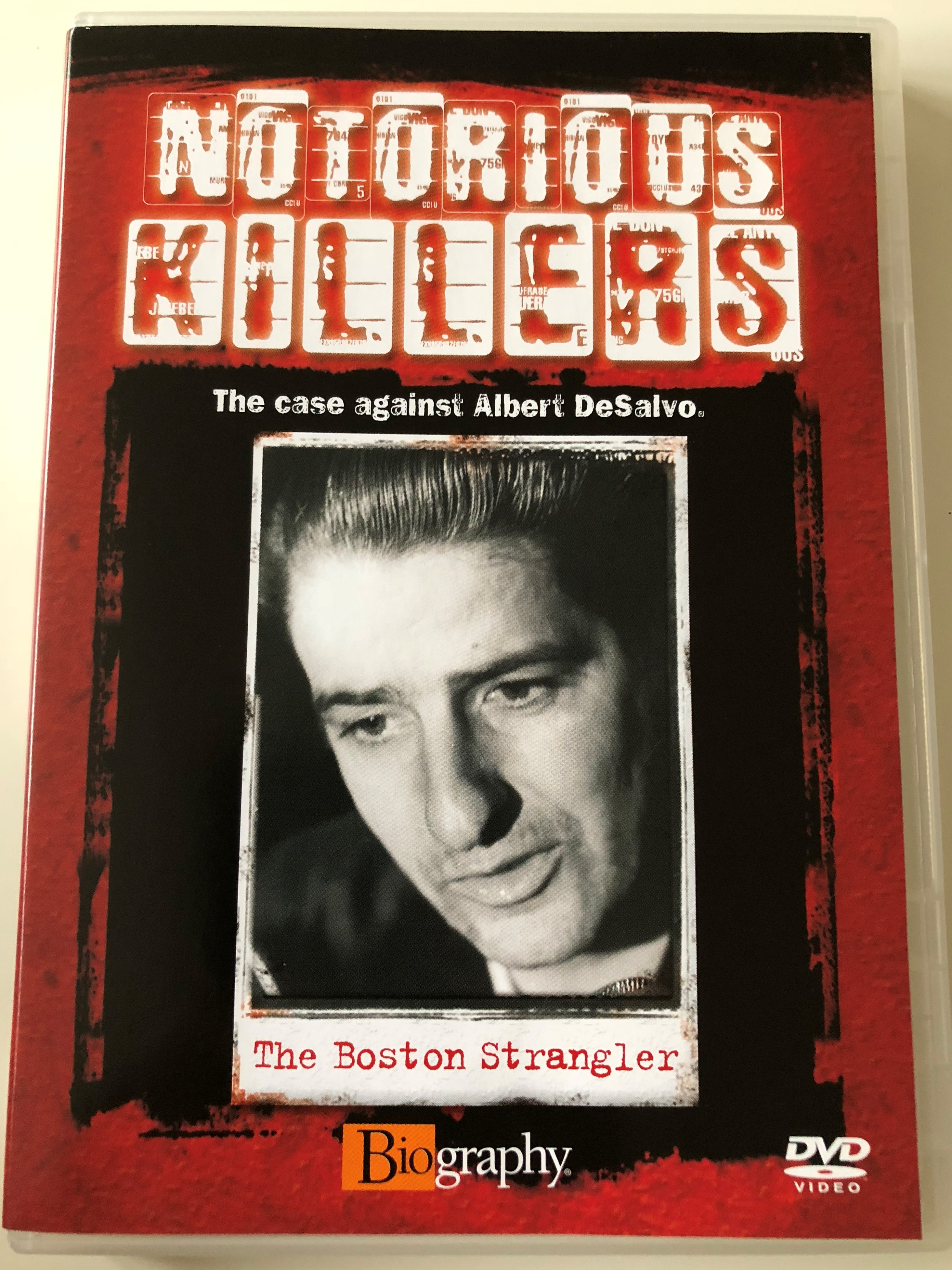
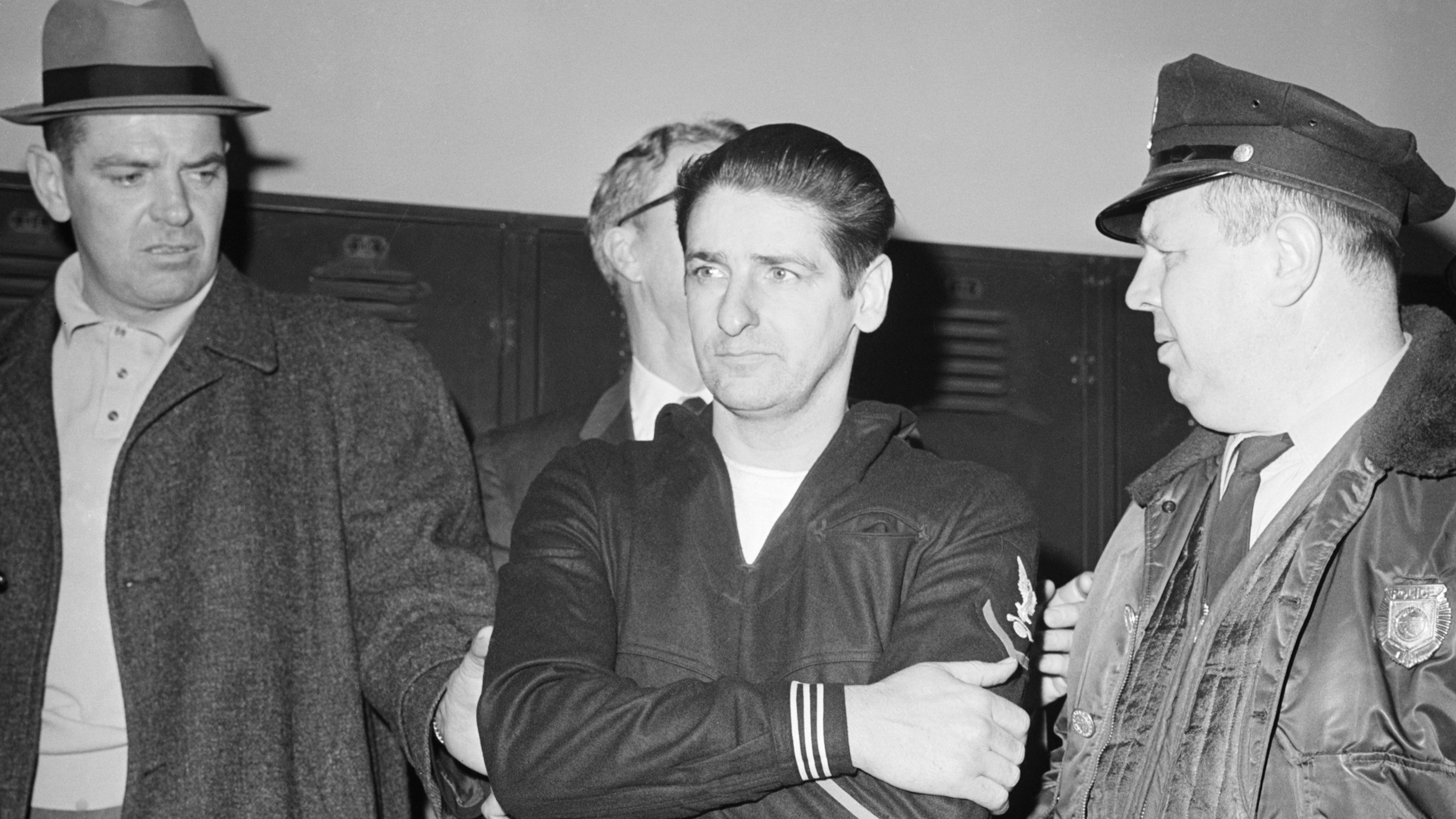
Albert DeSalvo, the man who confessed to being the "Boston Strangler," left a legacy that haunted his children, Judy and Michael DeSalvo, for over sixty years. For decades, they maintained his innocence regarding the murders, fighting a public and legal battle to reconcile the loving father they knew with the serial killer described by the media and the law.
The story of the DeSalvo family is not merely a footnote in true crime history; it is a complex narrative of generational trauma, skepticism toward law enforcement, and the eventual, cold clarity provided by modern forensic science. To understand the truth behind the Boston Strangler’s legacy in 2026, one must look past the sensationalized headlines of the 1960s and examine the specific efforts of his children to clear his name—and how those efforts were ultimately met with DNA evidence that reshaped their reality.
The Domestic Life of a Serial Killer: Albert, Irmgard, and the Children
Before Albert DeSalvo became a household name synonymous with terror, he was a husband and a father. In the early 1950s, while stationed in Germany with the U.S. Army, Albert met Irmgard Beck. They married and moved to Malden, Massachusetts, where they began a family. They had two children: a daughter, Judy, and a son, Michael.
To his children, Albert was a devoted, albeit intense, figure. Judy DeSalvo, who was born with a physical disability that required significant medical attention, often recalled her father as being exceptionally protective and attentive to her needs. The family lived a seemingly blue-collar life, with Albert working various manual labor jobs. However, this domestic stability was a facade. Albert was frequently in trouble with the law for petty crimes and, more significantly, a series of sexual assaults that led to him being dubbed the "Measuring Man" and later the "Green Man."
The disconnect between the "monster" described by police and the father the children saw at the dinner table created a profound psychological rift. When Albert was arrested in 1964 and subsequently confessed to the thirteen "Strangler" murders in 1965 while at Bridgewater State Hospital, the family was thrust into a spotlight they never asked for. For Judy and Michael, the confession never matched the man they knew, leading to a lifelong conviction that their father was a "patsy" or a victim of a coerced confession.
The Long Fight for Exoneration: Judy and Michael’s Legal Quest
Throughout the 1990s and early 2000s, Judy and Michael DeSalvo were vocal proponents of their father’s innocence regarding the murders. They were not alone in their skepticism. Many investigative journalists and even some former investigators pointed out that Albert’s confessions were riddled with factual inaccuracies—details about the crime scenes that did not match the physical evidence.
The children’s primary goal was to use the legal system to prove that Albert had been manipulated into confessing to crimes he did not commit. They believed he had been coached by his cellmate, George Nassar, or promised a book deal that would provide financial security for his family. This theory was fueled by the fact that Albert was never actually tried or convicted for the murders; he was serving a life sentence for the unrelated "Green Man" sexual assaults when he was stabbed to death in Walpole State Prison in 1973.
In 2001, the DeSalvo children took a major step by joining forces with Casey Sherman, the nephew of Mary Sullivan (the Strangler’s final victim). Together, they successfully sued to have Albert’s body exhumed. They sought DNA evidence that would prove Albert was not present at the Sullivan crime scene. At the time, the preliminary results from the exhumation were inconclusive, which the family interpreted as a victory, suggesting that the "smoking gun" linking Albert to the murders simply did not exist.
The 2013 DNA Revelation: A Turning Point in the Legacy
The narrative shifted dramatically in 2013, a moment that remains the most significant update in the case's long history. Advances in forensic technology allowed the Boston District Attorney’s office to test a DNA sample recovered from the crime scene of Mary Sullivan against a sample obtained from a water bottle used by Albert’s nephew.
When the results showed a familial match, the authorities received a court order to exhume Albert DeSalvo once more for a direct comparison. The results were definitive: the DNA found on Mary Sullivan’s body matched Albert DeSalvo’s DNA. This was the first piece of forensic evidence linking DeSalvo to any of the Boston Strangler victims.
For the DeSalvo children, this revelation was devastating. It undermined decades of advocacy and forced a reevaluation of their father’s legacy. While the DNA only technically linked him to the final victim, Mary Sullivan, the legal and public consensus shifted to view his 1965 confession as far more credible than previously thought. The "truth" that Judy and Michael had fought for turned out to be the very thing they feared most.
Analyzing the "Multiple Strangler" Theory
Despite the DNA evidence in the Sullivan case, the legacy of Albert DeSalvo remains complicated by the "Multiple Strangler" theory. Many experts, including those who have studied the case into 2026, argue that while DeSalvo was certainly a killer, he may not have been the only killer.
The Boston Strangler murders (1962–1964) varied significantly in "modus operandi" and victim profile. Some victims were elderly women strangled with their own stockings, while others, like Sullivan, were younger and subjected to different types of violence. Critics of the official narrative suggest that DeSalvo might have claimed credit for murders committed by others to gain fame or because of a pathological need for attention.
| Aspect of the Case | DeSalvo’s Confession | Forensic Evidence (2013/2026) | Family Perspective |
|---|---|---|---|
| Mary Sullivan Case | Claimed responsibility. | Confirmed match via DNA. | Initially denied; later silenced by data. |
| Earlier Victims | Confessed to all 13. | No biological evidence remains. | Maintain he was "coached" on details. |
| Legal Status | Never tried for murders. | De facto "closed" by DA. | Viewed as a lack of due process. |
| Death in Prison | Murdered in 1973. | Assailant never convicted. | Believe he was killed to keep him quiet. |
This nuance is where the legacy of the children persists. Even after the 2013 DNA match, some family supporters argue that the pressure on the Boston Police Department in the 1960s was so immense that they were happy to pin all unsolved murders on a man who was already going to prison for life. This perspective keeps the "truth" behind the legacy in a state of perpetual debate, even if the scientific evidence has narrowed the scope of doubt.
The Psychological Burden of Generational Trauma
Living as the child of a man labeled a serial killer carries a unique form of psychological trauma. For Judy and Michael, the public's fascination with their father meant they could never truly escape his shadow. In interviews throughout the years, the toll of this legacy was evident. They faced social ostracization and the heavy burden of carrying a name that evoked fear in an entire city.
Their advocacy for their father can be seen as a defense mechanism—a way to preserve a version of their father that was "good" and "safe." When forensic science finally stripped that defense away in 2013, the impact was profound. In 2026, the case is often used as a study in how families of high-profile criminals process grief and guilt.
The DeSalvo children’s experience also highlights the limitations of "closure." While the Sullivan family received a measure of closure through the DNA match, the DeSalvo family lost the one thing they had been holding onto: the possibility that their father was just a flawed man, not a murderer.
Identifying the Boston Strangler’s Victims
To understand the weight of the legacy the DeSalvo children carried, one must recognize the scope of the crimes attributed to Albert. The list of victims officially associated with the Boston Strangler confession includes:
- Anna Slesers (55)
- Mary Mullen (85)
- Nina Nichols (68)
- Helen Blake (65)
- Ida Irga (75)
- Jane Sullivan (67)
- Sophie Clark (20)
- Patricia Bissette (23)
- Mary Brown (69)
- Beverly Samans (23)
- Evelyn Corbin (58)
- Joann Graff (23)
- Mary Sullivan (19)
The vast differences in the ages and circumstances of these victims are what led the children and investigative researchers to doubt that one man—Albert DeSalvo—could be responsible for all of them. While modern science has confirmed his involvement in the death of Mary Sullivan, the "truth" for the other twelve victims remains, for some, a matter of historical debate rather than forensic certainty.
Frequently Asked Questions
Who are Albert DeSalvo's children?
Albert DeSalvo had two children with his wife, Irmgard: a daughter named Judy and a son named Michael. Both grew up in the Boston area and spent much of their adult lives attempting to clear their father's name or seeking a deeper investigation into the Strangler murders.
Was Albert DeSalvo ever convicted of the Boston Strangler murders?
No. Albert DeSalvo was never tried or convicted for the thirteen murders he confessed to. He was already serving a life sentence for a series of sexual assaults (the "Green Man" cases) when he confessed. Because he was already in prison for life, the state did not pursue the murder charges, a fact that his children often cited as a denial of his right to prove his innocence in court.
How did the DeSalvo children prove their father was innocent?
They never successfully proved his innocence. In fact, the opposite occurred. After decades of asserting that Albert was a "patsy," the children’s quest for DNA testing eventually led to the 2013 match that forensically linked Albert DeSalvo to the murder of Mary Sullivan, the final victim of the Boston Strangler.
Is there still doubt about Albert DeSalvo’s guilt in 2026?
While the 2013 DNA evidence is considered conclusive for the Mary Sullivan case, historical and criminal justice experts still debate whether DeSalvo was responsible for all thirteen victims. The discrepancies in his confessions and the differing methods used in the killings lead some to believe there were multiple stranglers active in Boston during that period.
What happened to Albert DeSalvo's children?
Judy and Michael DeSalvo have largely withdrawn from the public eye following the 2013 DNA results. Prior to that, they were frequently featured in documentaries and news reports. They have spent the remainder of their lives dealing with the complex emotional and social consequences of their father’s infamy.
Next Actions for True Crime Researchers
For those looking to understand the deeper legal and forensic nuances of the DeSalvo case, the following steps are recommended:
- Review the 2013 Forensic Report: Study the Massachusetts District Attorney's findings regarding the Y-STR DNA testing that linked Albert DeSalvo to Mary Sullivan.
- Examine the "Green Man" Case Files: Understanding DeSalvo’s confirmed crimes (the sexual assaults) provides necessary context for his behavioral profile, which differs from the "Strangler" MO.
- Consult Investigative Journalism: Books like The Boston Strangler by Gerold Frank (who had access to the original case files) and Casey Sherman’s A Rose for Mary provide contrasting views on DeSalvo’s guilt and the family’s perspective.
- Legal Disclaimer: This article is for informational and educational purposes only. It does not constitute legal advice or a definitive judgment on ongoing historical debates. For official records, consult the Commonwealth of Massachusetts judicial archives.