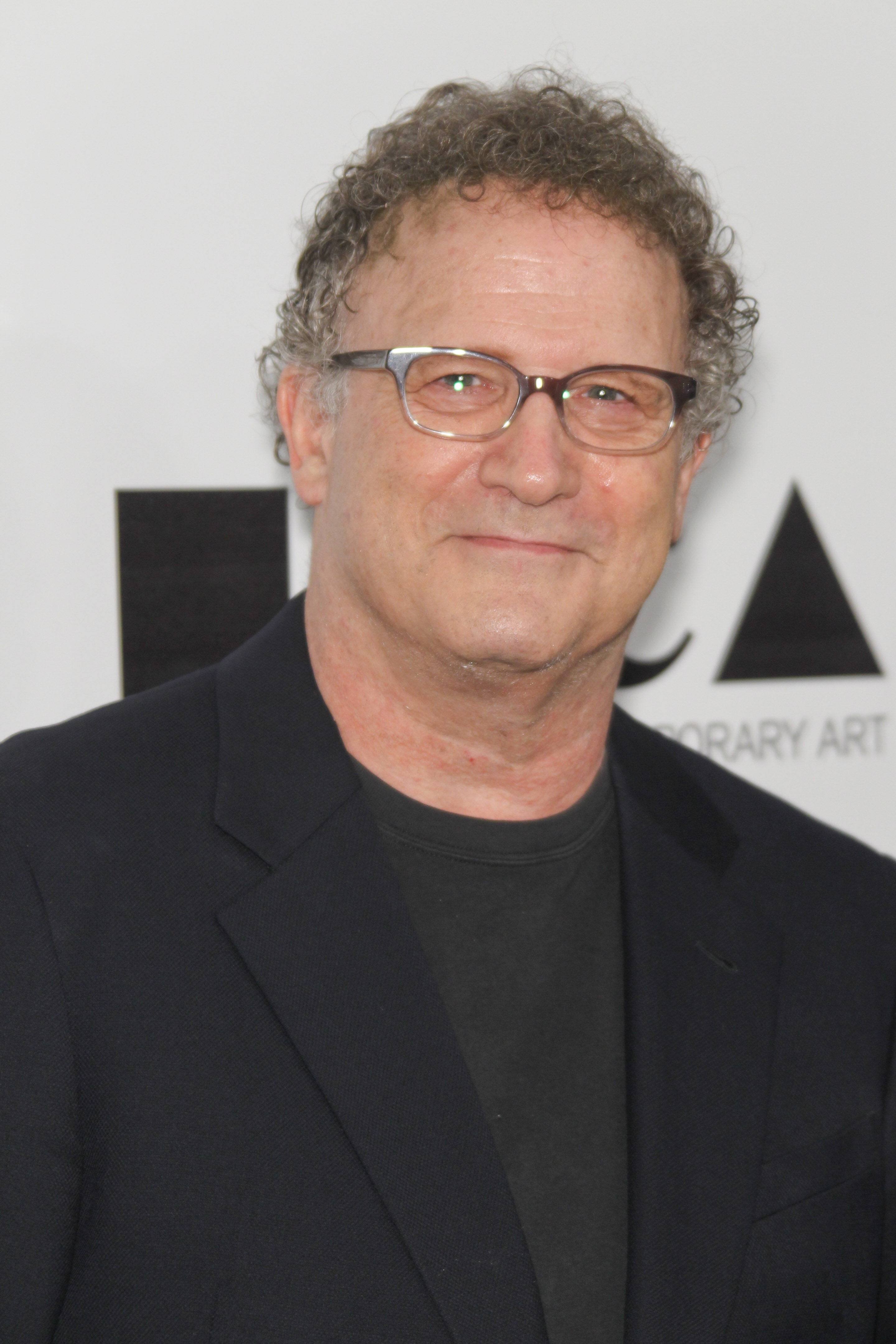
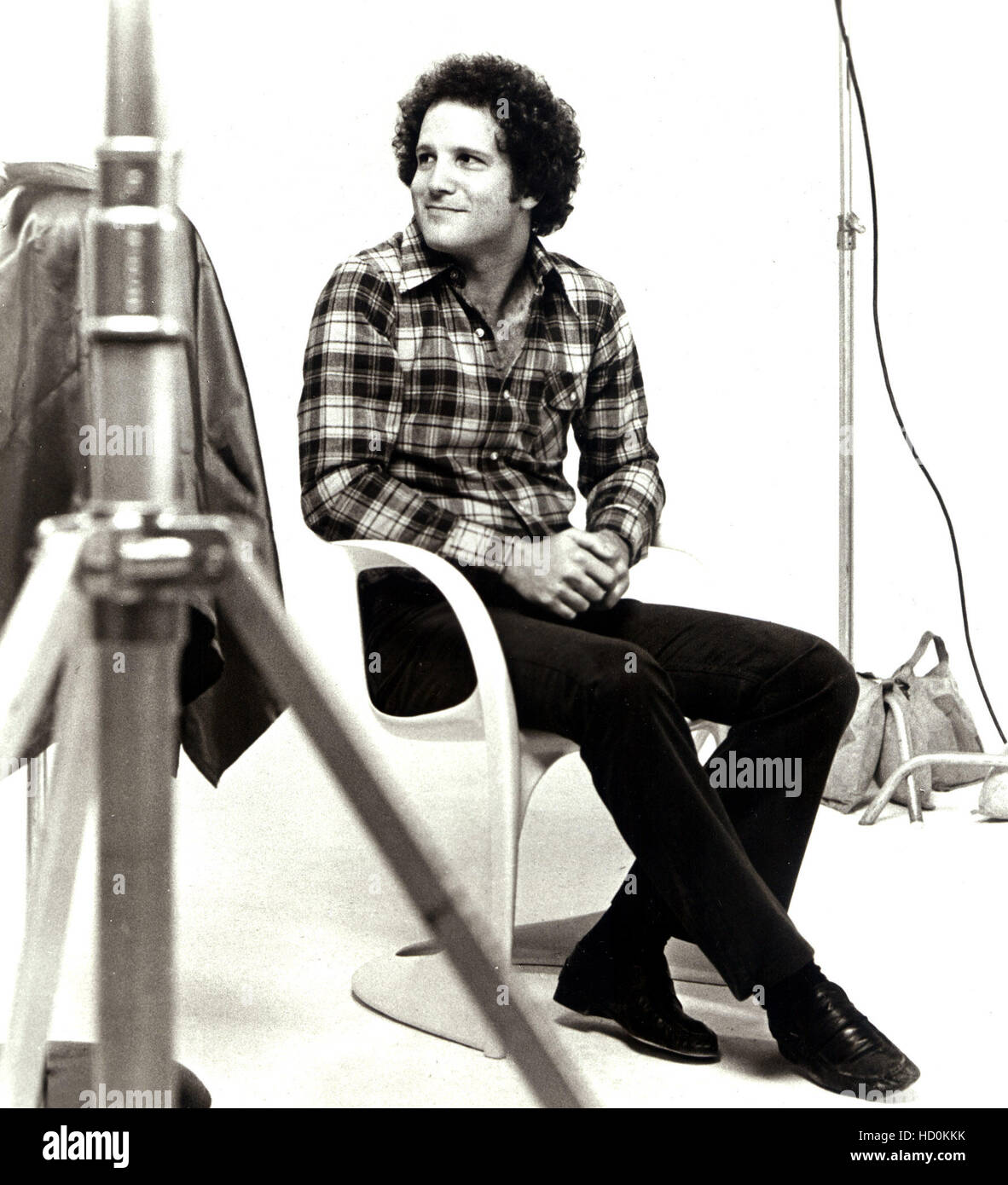
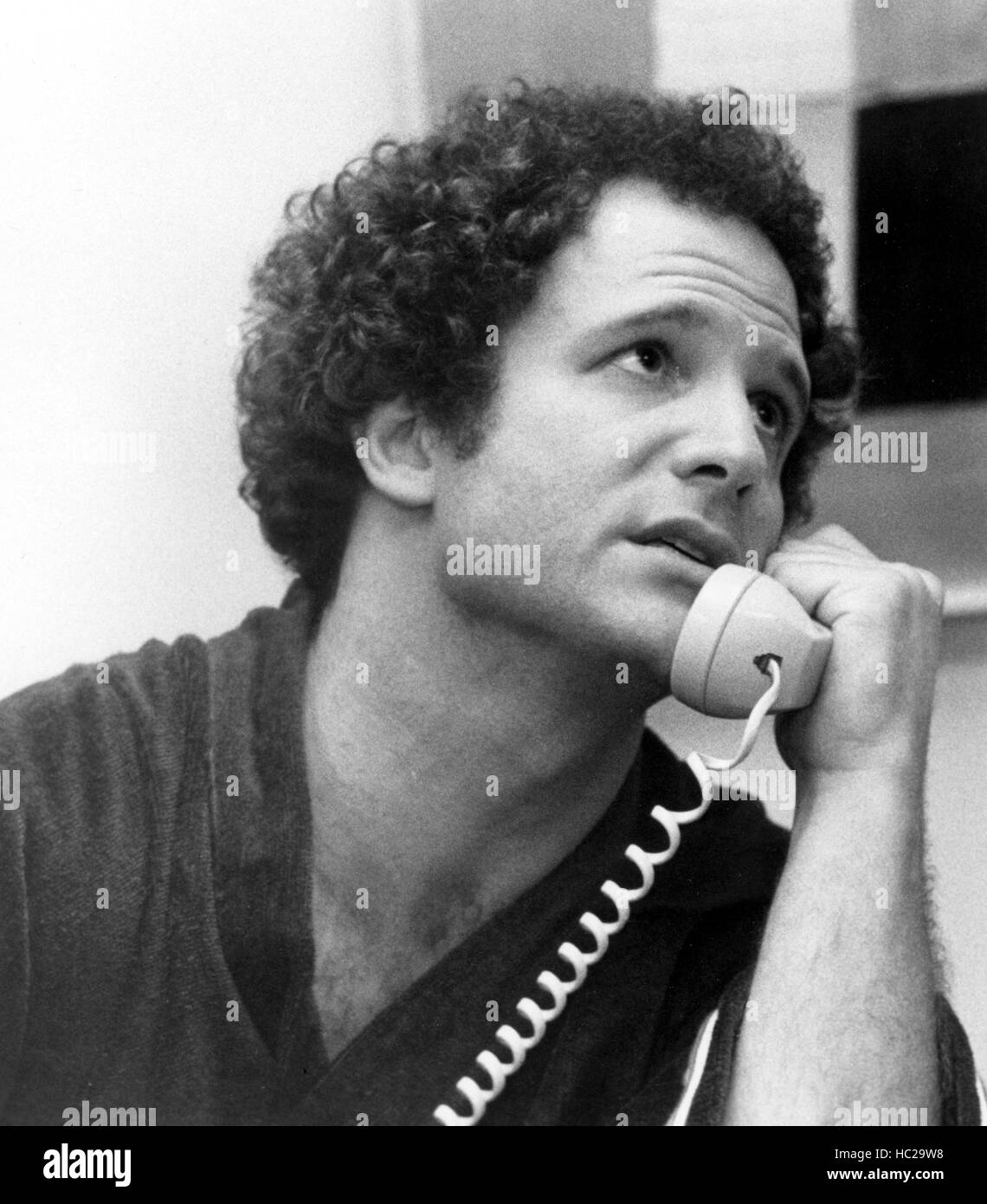
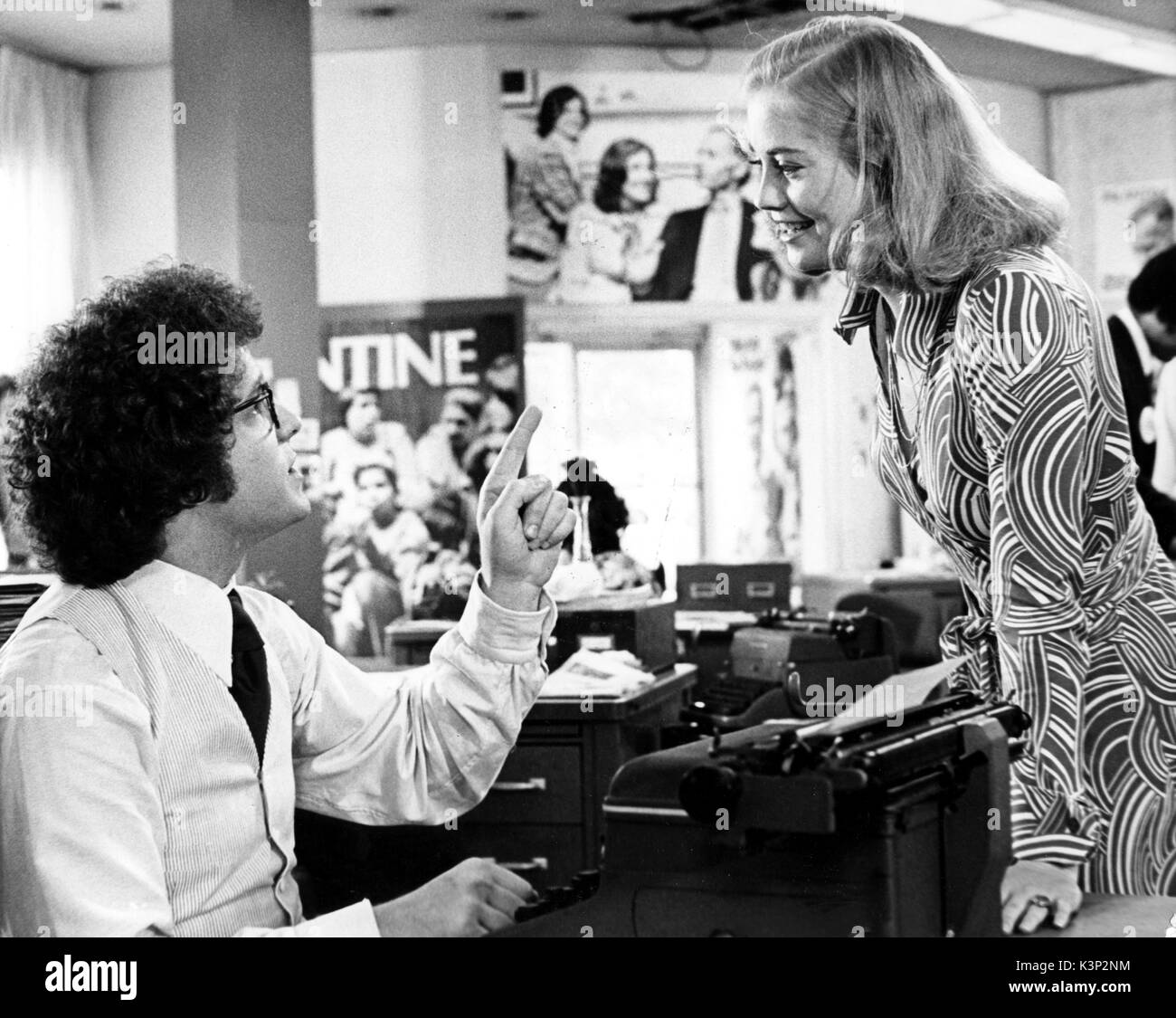
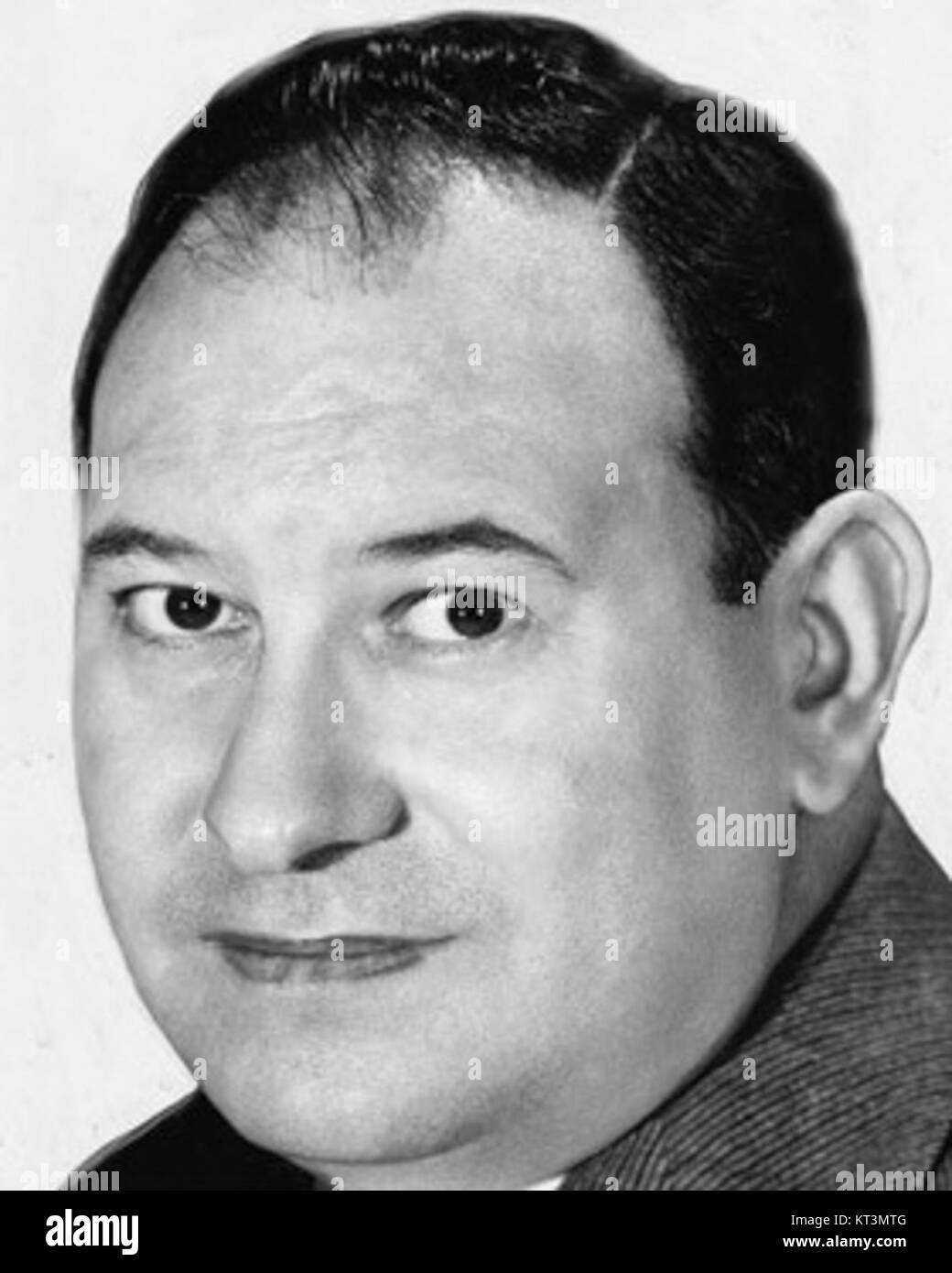
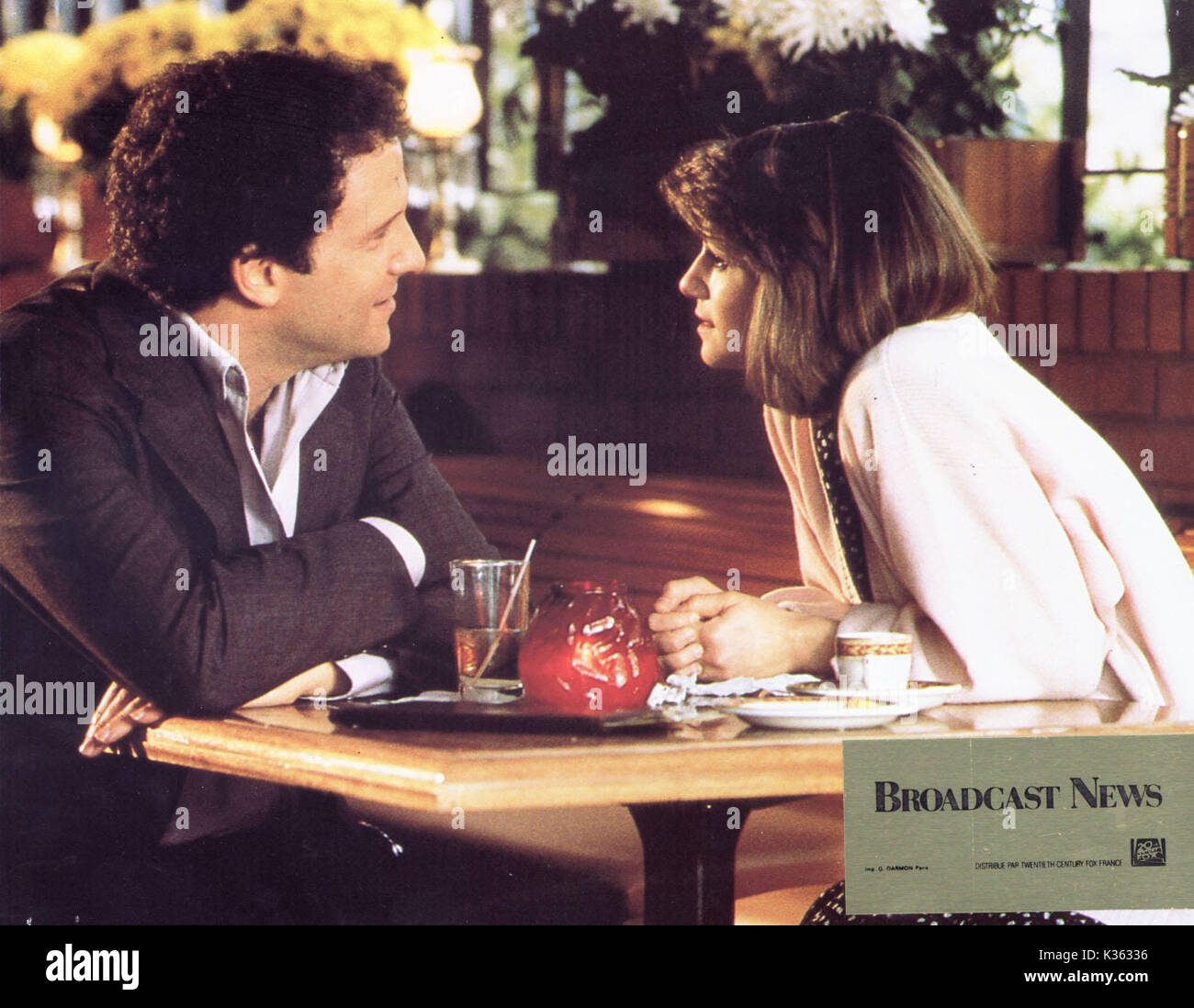
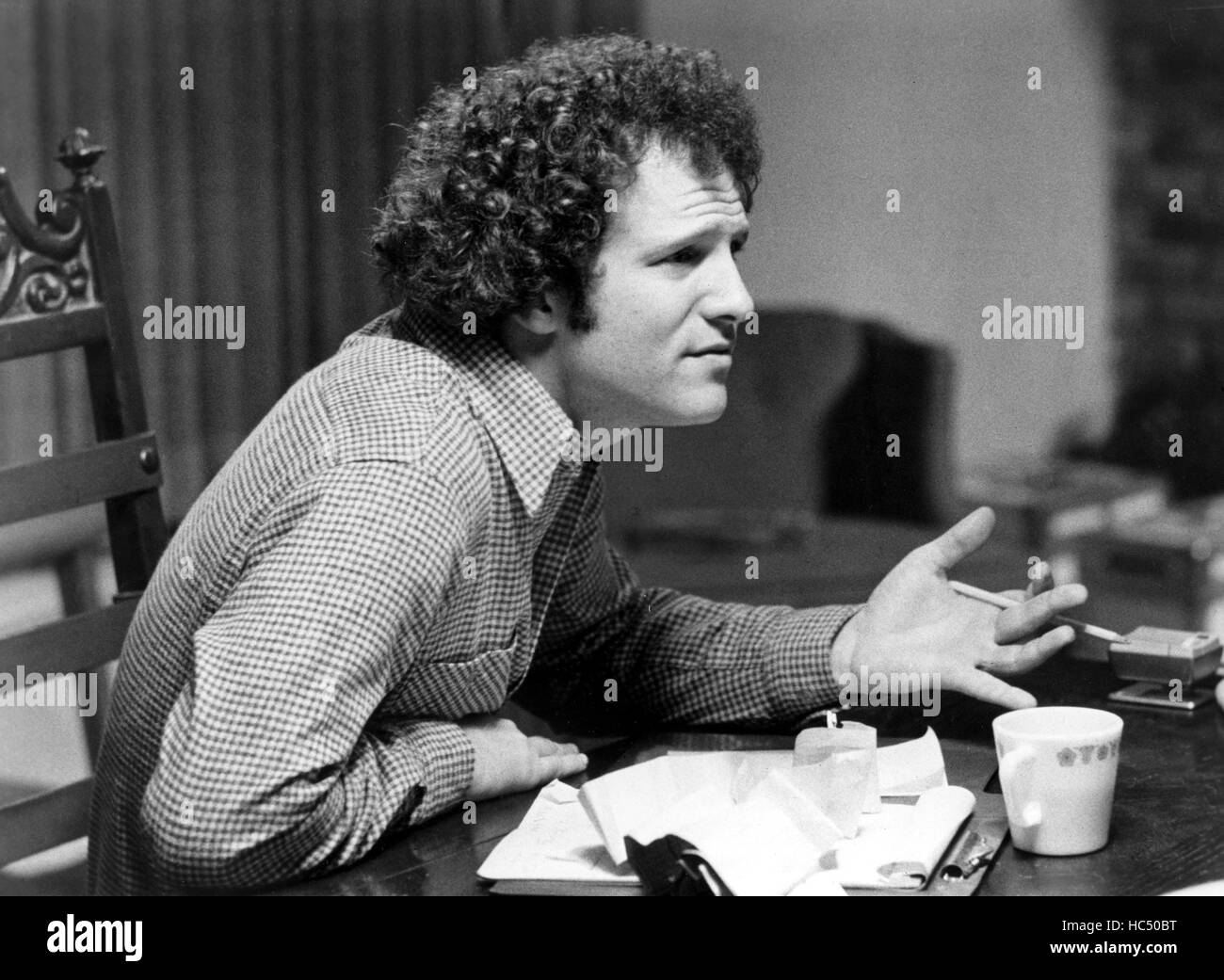
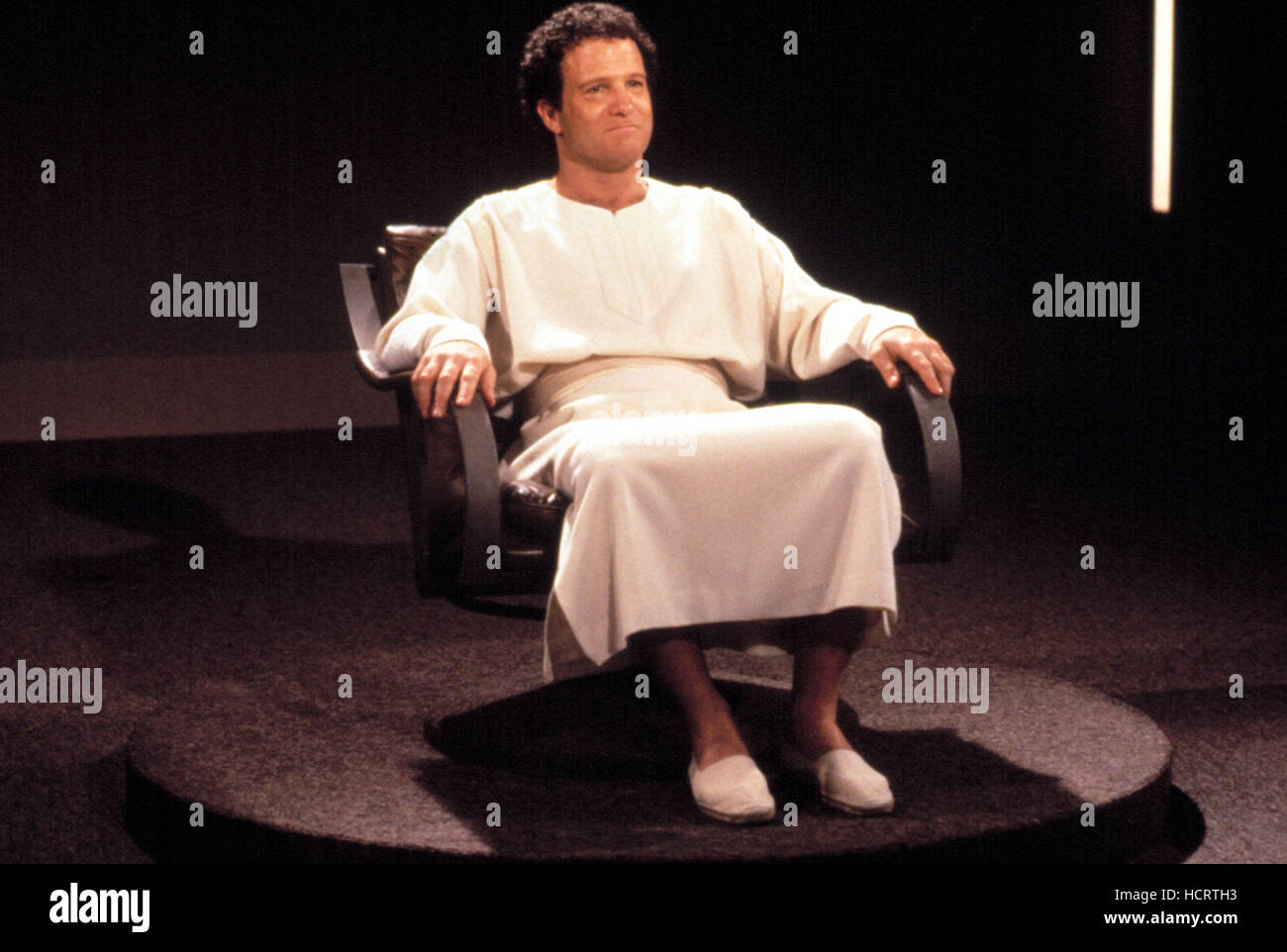
Albert Brooks is a multifaceted titan of American comedy, cinema, and satire whose career has spanned over five decades. A comprehensive visual archive of his work serves as more than a simple collection of publicity stills; it acts as a chronological record of the evolution of independent film, television sketch comedy, and voice acting. From his early appearances on late-night talk shows in the 1970s to his critically acclaimed performances in modern features, Albert Brooks’s imagery reflects the shifting aesthetic of the industry he helped define.
Navigating the Visual Legacy of Albert Brooks
To understand the visual history of Albert Brooks, one must look at the specific eras that define his output. His early photography, characterized by the grainy, high-contrast aesthetics of 1970s television and independent cinema, highlights his transition from a stand-up comedian to an auteur. Throughout the 1980s and 1990s, his promotional imagery began to reflect his status as a precise, perfectionist director, often featuring him in carefully curated settings that mirrored the satirical themes of his movies like Lost in America and Defending Your Life.
For researchers, archivists, or fans seeking a complete photo gallery, it is essential to categorize these images by project. By doing so, you can distinguish between his directorial work, his collaborative acting roles, and his public appearances. Accessing these archives requires an understanding of where these assets are held, as the licensing rights for professional film stills are distinct from candid, editorial, or celebrity photography captured at industry events.
Primary Sources for High-Resolution Imagery
When building a professional-grade archive of Albert Brooks pictures, you must rely on verifiable sources to ensure image quality and legal compliance regarding usage rights.
- Production Stills Archives: The most accurate portrayals of his work come from the studio archives of films he directed or starred in. Studios such as Warner Bros., Columbia Pictures, and Paramount hold the primary copyright for promotional stills. These images are often archived through official film databases and proprietary press kits.
- Editorial Agencies: Organizations like Getty Images and Alamy maintain vast collections of editorial photography. These are typically the best sources for candid images, red carpet appearances, and press events. Unlike movie stills, these images are time-stamped and location-tagged, providing necessary context for your collection.
- Academic and Institutional Databases: For historical documentation, institutions like the Academy of Motion Picture Arts and Sciences (AMPAS) provide curated collections that offer historical insight into the production environments of his earlier films.
Technical Considerations for Curating Your Gallery
Assembling a professional photo gallery necessitates attention to technical standards. Whether you are using these images for digital documentation or physical display, quality control is paramount. High-resolution files (minimum 300 DPI for print, 72-96 DPI for web) are the standard requirement. When selecting images, prioritize those that document his distinct creative process, such as behind-the-scenes photography from his directorial efforts, as these provide a more comprehensive look at his career than standard headshots.
The following table categorizes the types of imagery available within his career timeline and their primary utility:
| Image Category | Source Type | Ideal Usage |
|---|---|---|
| Film Stills | Studio Press Kits | Retrospectives, film analysis |
| Editorial/Candid | Photo Agencies | Biography, lifestyle profiles |
| Public Appearances | Red Carpet Wire Services | Event history, industry awards |
| Archival/Historical | Institutional Libraries | Academic research, career timelines |
Chronological Milestones in the Albert Brooks Visual Record
The visual evolution of Albert Brooks is marked by distinct phases. In the early 1970s, his imagery was tethered to the experimental nature of The Tonight Show and his own short films. The aesthetic here is one of spontaneity and anti-establishment humor. As he moved into feature filmmaking in the late 1970s and 80s, the lighting and composition of his promotional photography shifted toward the polished, conceptual look associated with his brand of existential comedy.
By the early 2000s, his visual presence reached a new demographic through his voice work in animated features, such as Finding Nemo. This period introduced a new layer to his visual archive: the promotional press junket photography featuring the voice actors alongside their animated counterparts. This serves as a vital cross-section in his gallery, bridging the gap between his live-action career and his modern success in voice performance.
Challenges in Image Verification
A significant obstacle for anyone compiling a complete gallery is the prevalence of mislabeled or low-quality digital copies. It is common to find frames from movies incorrectly attributed to red carpet events or to see dated images erroneously tied to his current projects. To mitigate these errors, always verify the image against a known filmography. If an image features Brooks in a specific role, ensure the costume and age are consistent with the year of the film’s release.
Avoid relying on social media aggregators that lack metadata. Instead, use established search protocols: search by specific film title alongside the actor's name, and utilize reverse image search tools to track an image back to its original publication date or source repository. This practice ensures that your gallery remains an authentic historical record rather than a collection of aesthetic approximations.
Frequently Asked Questions
Where can I find high-resolution promotional stills of Albert Brooks's films?
High-resolution stills are typically hosted on official studio press sites or reputable media licensing platforms such as Getty Images, Shutterstock, or the Margaret Herrick Library. These platforms offer licensed, high-quality files accompanied by accurate IPTC (International Press Telecommunications Council) metadata.
How do I distinguish between promotional film stills and candid celebrity photos?
Promotional stills are staged, often professionally lit, and intended for marketing purposes, meaning they are usually marked with studio watermarks or included in press kits. Candid photos are captured by news photographers at premieres or public events and are intended for editorial coverage of the actor’s personal or professional life.
Are there copyright restrictions for creating an Albert Brooks photo gallery?
Yes. Most imagery of Albert Brooks is protected by copyright. If you are creating a private gallery for personal research, this is generally acceptable. However, if you are publishing an online gallery, you must either obtain permission from the copyright holder, use images under a valid licensing agreement, or ensure the use falls under a specific "fair use" exception for commentary or criticism.
How can I verify the date of a specific photo of Albert Brooks?
The most reliable method is to cross-reference the image with the IMDb release dates of his films or the dates of specific industry events he attended. Most major press agencies include a timestamp in the image's metadata (Exif or IPTC), which serves as the definitive record of when the photo was taken.
Why are some of his earlier photos in black and white while others are in color?
The disparity often relates to the medium and the era. Much of his early 1970s television work was captured on analog film or broadcast tape that has since been digitized. Furthermore, promotional photography in the 1970s and early 1980s frequently utilized black-and-white stills for newspaper and magazine printing, which were cheaper to reproduce than color.
Next Steps for Building Your Collection
To finalize your project, adopt a consistent organizational structure. Name your files using a standard convention, such as "Year_ProjectName_Description.jpg." By indexing these files chronologically, you can easily trace the progression of his work. If your goal is to publish these images, contact the relevant rights holders well in advance to secure the necessary usage licenses. For those interested in the artistic side of his career, prioritize gathering behind-the-scenes photographs from his directorial projects, as these offer the deepest insight into his methodology and remain the most valuable assets in any complete career gallery.