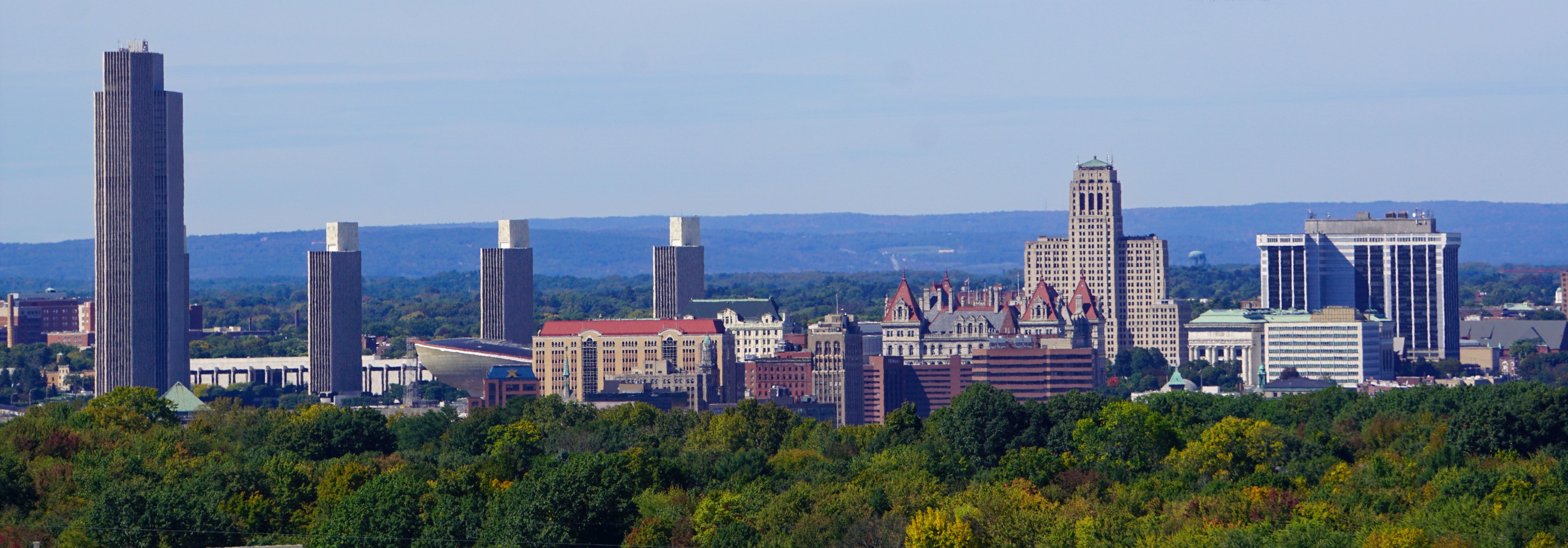
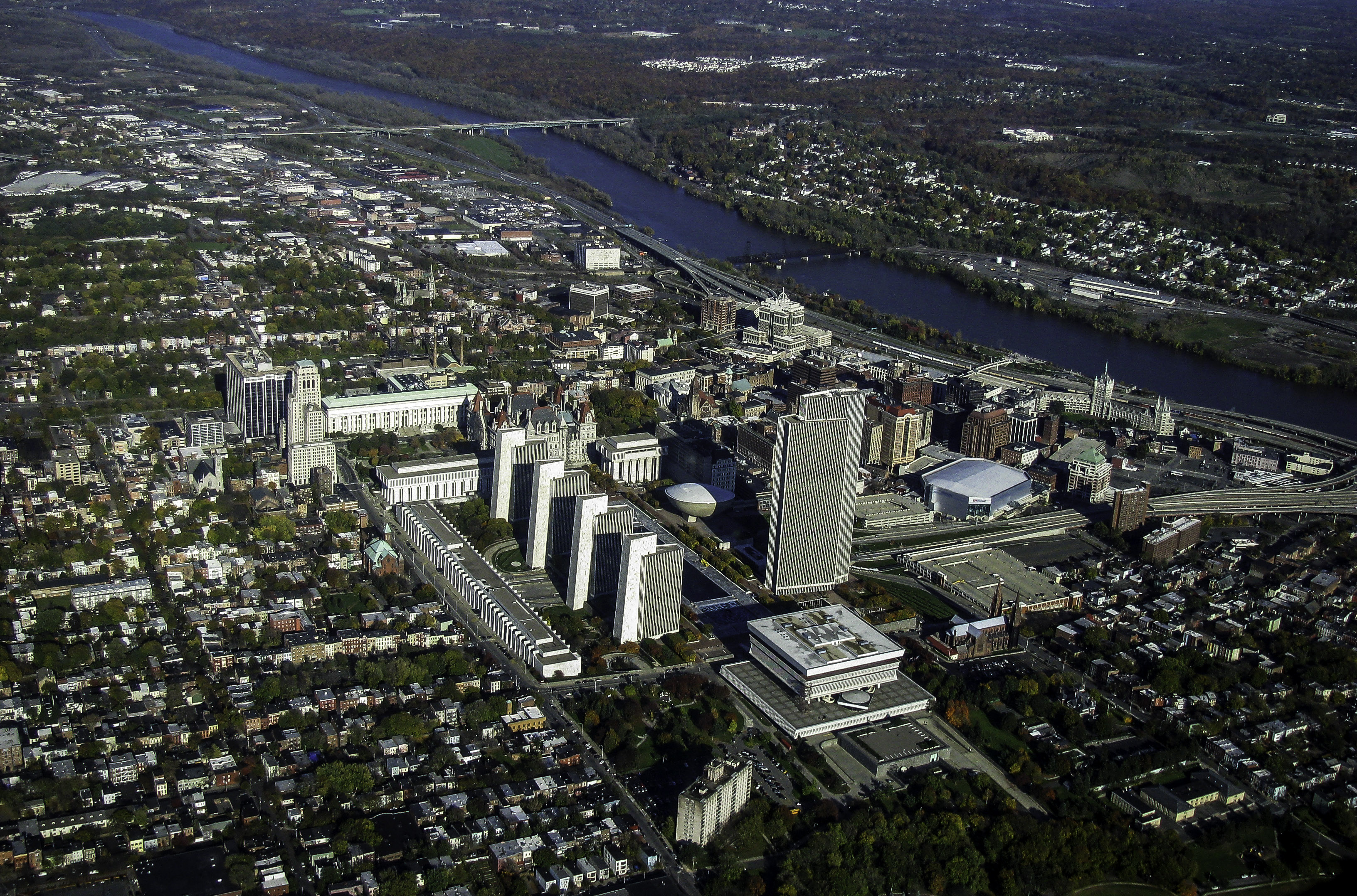
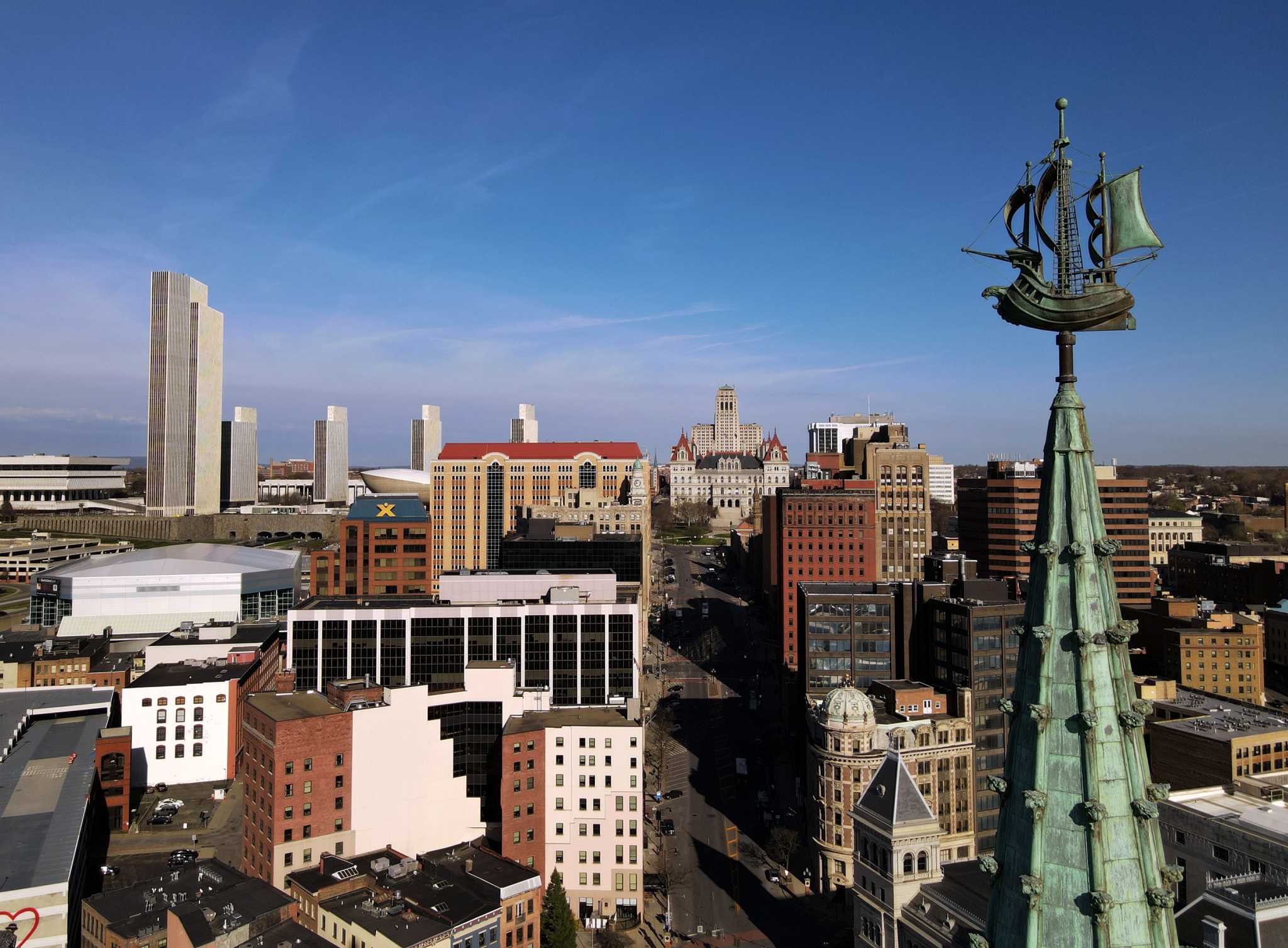
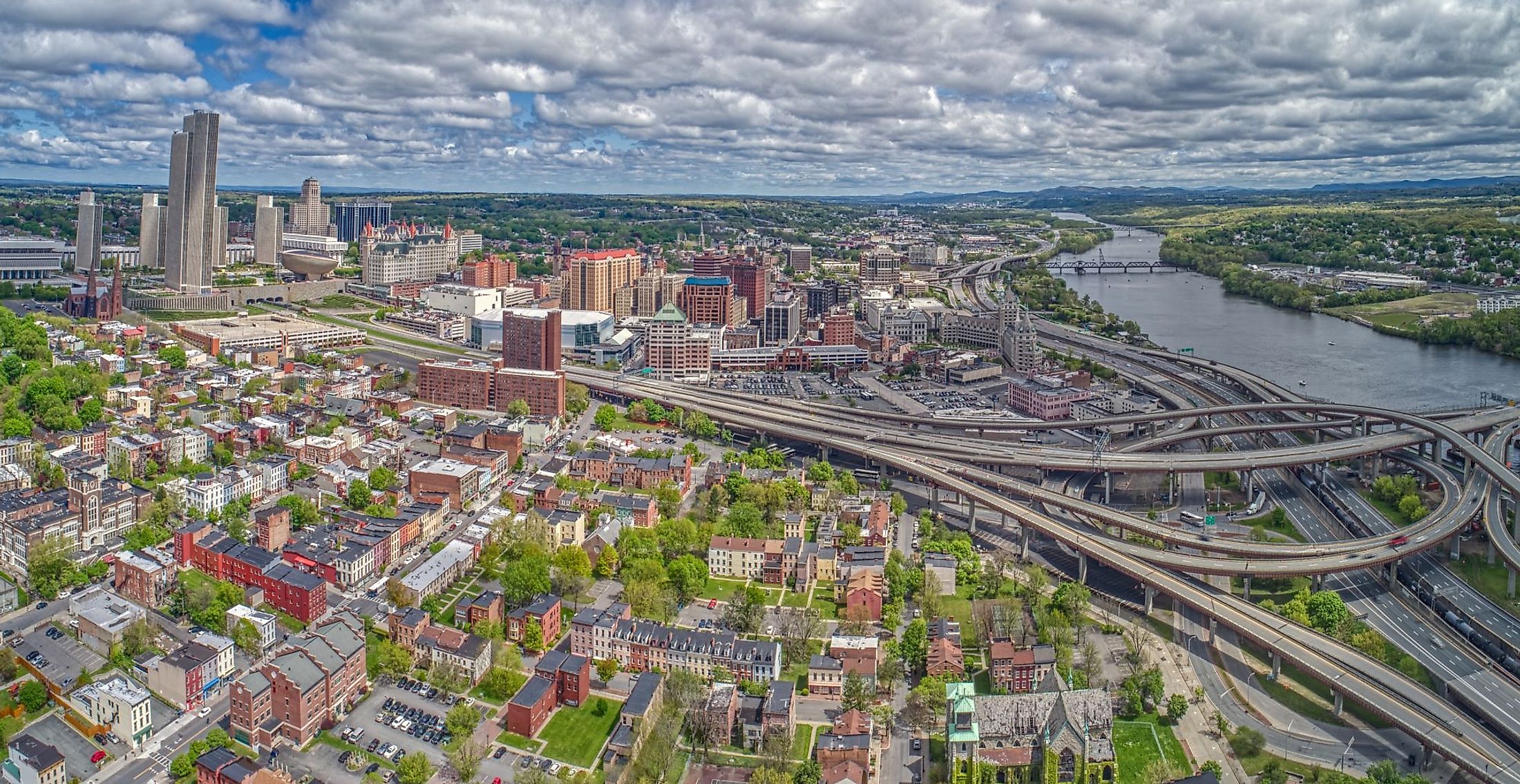
Albany, New York, serves as the historic capital of the Empire State, functioning as a vital hub for government, education, and healthcare within the northeastern United States. Located at the confluence of the Hudson and Mohawk rivers, the city provides a central anchor for the broader Capital District, offering residents and visitors a blend of Gilded Age architecture, diverse professional opportunities, and strategic access to regional transit networks.
Historical Significance and Geographic Context
Founded by the Dutch in 1614 as Fort Nassau, Albany is one of the oldest continuously inhabited European settlements in the United States. Its strategic location at the head of the Hudson River tide-water made it a natural site for trade and commerce, a role that was solidified by the completion of the Erie Canal in 1825. This canal connected the Atlantic Ocean to the Great Lakes, funneling wealth and immigration through Albany and transforming it into a vital transportation artery.
In the modern context of 2026, the city’s geography continues to dictate its economic utility. Albany acts as the primary political center for New York State, housing the State Capitol building, the Governor’s mansion, and numerous state agency headquarters. The city is bordered by the suburbs of Bethlehem, Colonie, and Guilderland, forming a metropolitan area that serves as a bridge between the metropolitan sprawl of New York City to the south and the Adirondack wilderness to the north.
Economic Drivers and Employment Landscape
The economy of Albany is characterized by a "recession-resistant" profile, heavily influenced by its status as a state capital. The public sector remains the largest employer, with thousands of civil service positions providing long-term economic stability. However, the region has successfully diversified beyond government administration.
The "Tech Valley" initiative, a regional economic strategy, has fostered significant growth in high-tech manufacturing, nanotechnology, and computer chip research. The State University of New York (SUNY) at Albany, particularly its College of Nanoscale Science and Engineering, acts as a primary catalyst for this industrial shift. By bridging the gap between academic research and commercial application, the region has attracted global firms that require high-skilled labor in the semiconductor and renewable energy sectors.
Healthcare also represents a massive pillar of the local economy. Albany Med Health System serves as a regional level-one trauma center, anchoring a network of specialized care facilities that support the entire surrounding county and beyond.
Living in the Capital District: Practical Considerations
Prospective residents often select Albany for its high quality of life, which includes a cost of living that remains lower than that of the downstate New York City metropolitan area. The housing stock is exceptionally diverse, featuring historic brownstones in the Center Square neighborhood, Victorian-era homes in Pine Hills, and modern suburban residential developments in the city’s periphery.
Infrastructure and Transportation
Connectivity is one of Albany’s defining features. The city is served by the following critical transportation nodes:
- Albany International Airport (ALB): Located in the adjacent town of Colonie, it offers comprehensive regional and national service.
- Amtrak Rensselaer Station: Situated just across the Hudson River, this station is a major stop on the Empire Service line, providing high-frequency rail access to New York City’s Penn Station and points west toward Buffalo.
- Interstate Connectivity: Albany sits at the intersection of I-87 (the Adirondack Northway) and I-90 (the New York State Thruway), placing it within a four-hour drive of Boston, Montreal, and New York City.
Education and Public Services
The city maintains a robust educational infrastructure. Beyond the SUNY system, the area is home to numerous private institutions, including the Albany College of Pharmacy and Health Sciences and The Sage Colleges. The public K-12 system is managed by the City School District of Albany, which operates several magnet schools designed to foster specialized learning paths in the arts and sciences.
Comparative Overview: Albany and Regional Peers
Understanding Albany’s position relative to other regional hubs assists in evaluating its suitability for business relocation or professional residency. The table below outlines key factors distinguishing Albany from other major cities in the Northeastern Corridor.
| Feature | Albany, NY | Syracuse, NY | Buffalo, NY |
|---|---|---|---|
| Primary Industry | Government & Tech | Manufacturing & Higher Ed | Logistics & Healthcare |
| Median Commute | ~22 Minutes | ~20 Minutes | ~24 Minutes |
| Metro Population | ~1.2 Million | ~650,000 | ~1.1 Million |
| Strategic Advantage | Proximity to NYC/Boston | Central NY location | Proximity to Great Lakes |
Cultural and Recreational Assets
Albany’s cultural life is deeply tethered to its history and status as a government seat. The Empire State Plaza, a massive complex of office buildings and government centers, features the "Egg," a performing arts center known for its distinct architecture. This area serves as a venue for festivals, state celebrations, and outdoor concerts.
Outdoor recreation is highly accessible. Residents have immediate access to the Washington Park, designed by the same firm behind New York City’s Central Park, which provides a green oasis in the heart of the city. For those seeking more rigorous activities, the proximity to the Adirondack Mountains offers hiking, skiing, and water sports within a short drive, while the Helderberg Escarpment provides accessible geological and hiking opportunities.
Navigating Legal and Regulatory Requirements
For businesses or individuals relocating to Albany, navigating New York State’s regulatory environment is a priority. New York maintains stringent tax and labor laws, and businesses operating in the capital must often interface with the Department of State or the Department of Taxation and Finance.
Those considering property investment should review the city’s zoning ordinances, particularly within the historic districts. The Historic Albany Foundation provides guidance on preservation standards, which are strictly enforced for property owners looking to renovate buildings that fall under local heritage protection. All major structural projects require permits from the Department of Buildings and Regulatory Compliance to ensure safety and compliance with the state’s building codes.
Frequently Asked Questions
What is the best way to commute within Albany?
The Capital District Transportation Authority (CDTA) provides an extensive bus network, including the "BusPlus" rapid transit lines that connect major corridors. While the city is navigable via public transit, many residents rely on personal vehicles due to the sprawling nature of the suburban business parks.
Is Albany considered a safe city for families?
Like any mid-sized American city, safety varies significantly by neighborhood. Areas such as the New Scotland neighborhood or the suburban fringes of the city are frequently cited for their family-friendly atmosphere and lower crime rates, while downtown areas focus more on professional and student demographics.
How do winters in Albany impact daily operations?
Albany experiences a temperate continental climate with significant snowfall. The city is well-equipped with snow removal infrastructure, and state government operations are rarely disrupted. Businesses and residents are advised to maintain winter-ready vehicles and plan for occasional severe weather events during January and February.
Does Albany have a high tax burden compared to other states?
New York State generally carries a higher tax burden than the national average, encompassing income, sales, and property taxes. However, Albany offers a lower cost of living than the downstate region, which often mitigates the impact of these tax structures for middle-income households.
What are the main professional opportunities for new residents?
The most significant opportunities exist in the public sector, healthcare, and increasingly, the renewable energy and semiconductor fields. The presence of state government ensures a constant demand for legal, administrative, and policy-related professionals.
Next Steps for New Residents and Investors
Individuals or organizations planning a move to Albany should begin by assessing their specific needs against the regional neighborhood profiles. If relocating for state employment, verify the proximity of your assigned office to the bus transit lines, as parking in the downtown core can be limited during legislative sessions. Investors are encouraged to consult the City of Albany’s "Capitalize Albany" development agency, which provides verified data on economic incentives, available commercial sites, and ongoing neighborhood revitalization projects. Before committing to a residential property, review the specific school district boundaries and verify current property tax assessments through the Albany County assessment portal to ensure financial planning aligns with the local fiscal environment.