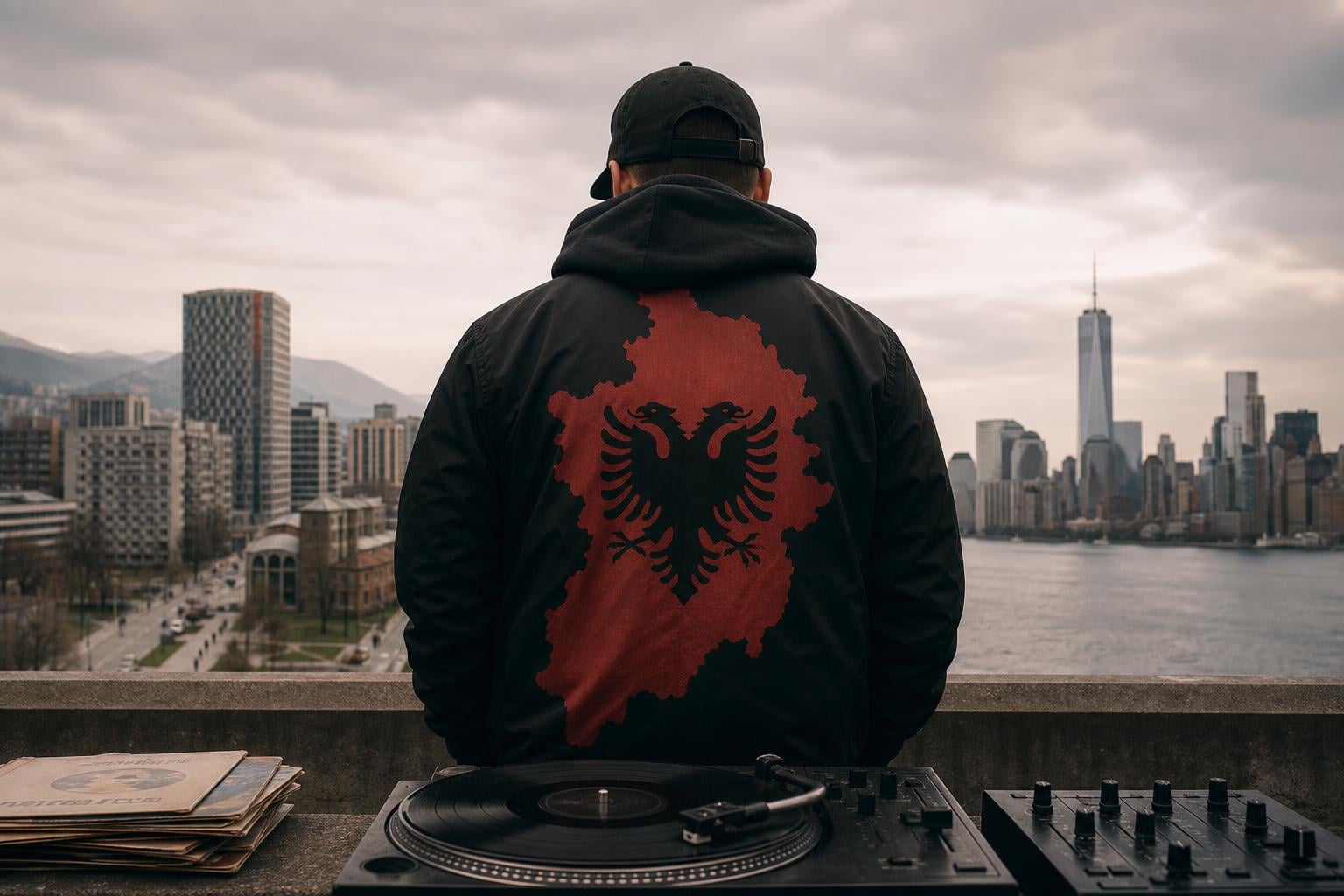
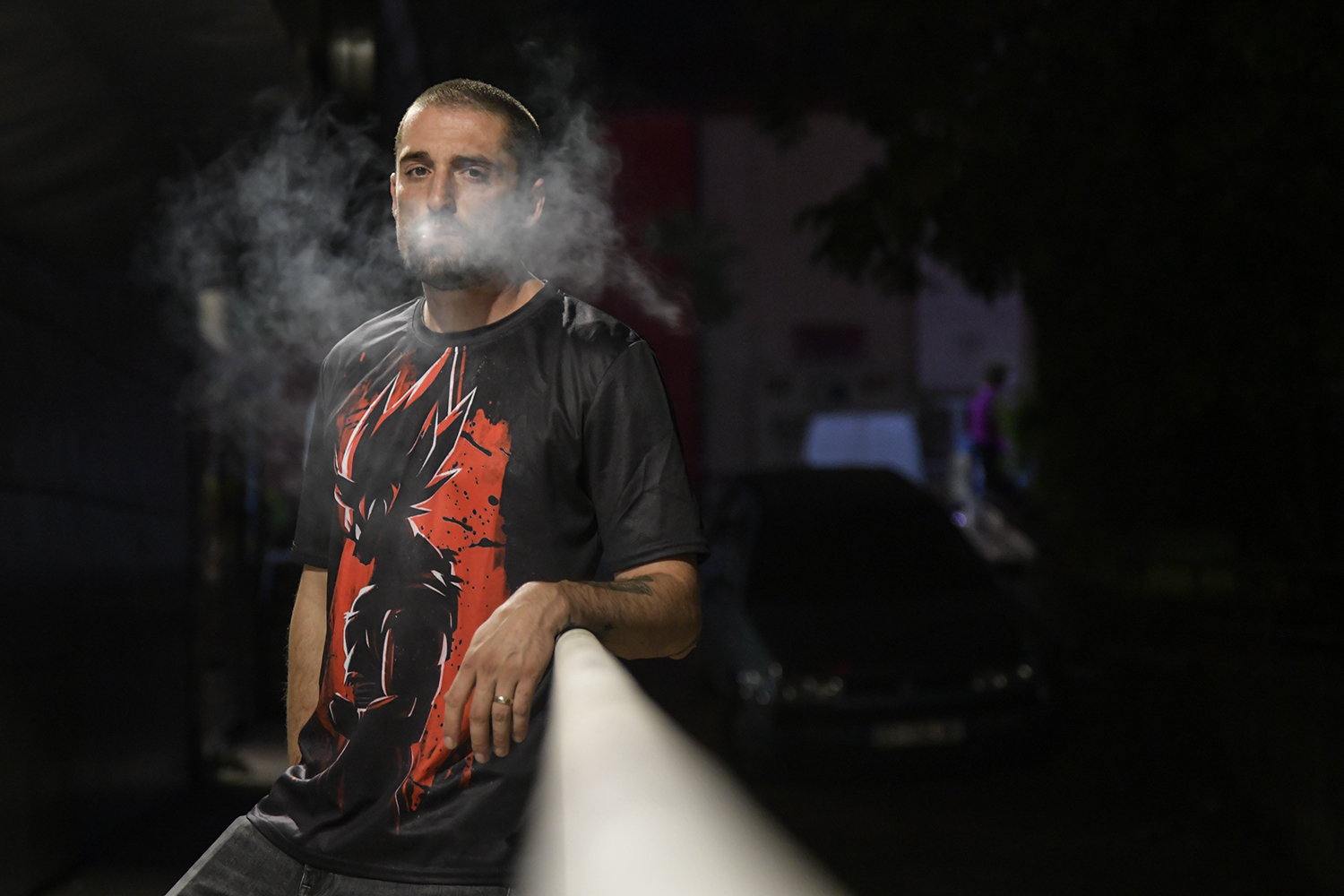
An Albanian rapper is a musical artist operating within the hip-hop and urban music genre who expresses artistic, social, or personal narratives primarily through the Albanian language or within the context of the Albanian diaspora. This musical phenomenon has transitioned from an underground movement in the late 1990s to a globally recognized cultural force, characterized by a fusion of traditional Balkan melodic sensibilities with contemporary trap, drill, and hip-hop production standards.
Defining the Artistic Identity
The identity of an Albanian rapper is rooted in a dual landscape: the domestic music industry within Albania and Kosovo, and the highly influential diaspora communities across Europe, particularly in Germany, Switzerland, and the United Kingdom. Unlike many regional hip-hop scenes that remain contained by linguistic barriers, Albanian rappers have effectively utilized digital distribution and social media to bypass traditional gatekeepers.
The aesthetic often incorporates "Gheg" or "Tosk" dialectal nuances, providing a distinct linguistic flavor that differentiates the output from mainstream Western rap. However, the production quality has largely converged with global standards, utilizing high-end studio techniques common in the United States and Western European urban music sectors. Many artists balance the "street" authenticity of original hip-hop with a commercial sensibility that includes international collaborations, effectively bridging the gap between local cultural expression and global pop marketability.
The Structural Evolution of the Industry
The rise of the Albanian rapper as a professional entity was facilitated by the democratization of music production and the proliferation of platforms like YouTube and later, integrated streaming services. In the early 2000s, distribution was limited to local radio stations and physical media, which restricted the reach of artists to the Balkans.
By the mid-2010s, a critical shift occurred. As the diaspora grew, so did the demand for content that reflected both the heritage of the homeland and the cosmopolitan experience of the host country. This led to the emergence of labels—often founded or managed by the artists themselves—that standardized the release cycle, music video production, and talent management. This professionalization allowed Albanian artists to secure performance slots at international festivals and collaborate with major labels in the German-speaking markets, which have historically been the most receptive to European hip-hop exports.
Key Factors in Artistic Success
Success in this niche is rarely the result of a single viral moment. Instead, it is predicated on a combination of specific strategic pillars that distinguish top-tier artists from emerging talent.
- Linguistic Versatility: Most successful artists are multilingual, switching between Albanian, German, English, or the language of their host country within the same track. This flexibility allows them to capture a domestic Balkan audience while maintaining relevance in the lucrative Western European music markets.
- Visual Branding: The music video remains a primary vessel for Albanian hip-hop. High-budget productions, often shot in urban settings across Europe or at luxury locales, serve as a visual shorthand for the artist’s stature and professional focus.
- Regional Integration: The tight-knit nature of the Albanian music scene facilitates cross-collaboration. An Albanian rapper from Tirana will frequently work with a counterpart from Pristina or a diaspora-based artist from Frankfurt, creating a unified cross-border market that effectively expands the potential fan base.
Comparative Analysis of Market Integration
The following table categorizes the typical operational paths for Albanian rappers based on their primary geographic focus and target audience.
| Focus Category | Primary Language | Key Market Characteristics | Primary Monetization |
|---|---|---|---|
| Domestic/Balkan | Albanian (Gheg/Tosk) | High local loyalty; strong radio play; seasonal touring | Concerts; endorsements |
| Diaspora-Linked | Hybrid (Albanian/German/English) | Cross-market appeal; high streaming volume | Streaming; digital rights |
| International | English / Multi-lingual | Crossover potential; high production value | Global label deals; touring |
Prerequisites for Professional Development
For an aspiring Albanian rapper, the transition from creative hobbyist to professional artist requires more than just lyrical talent. In 2026, the industry demands a high degree of technical proficiency in content creation and business management.
- Audio Production: Mastery of digital audio workstations (DAWs) is essential, as the "trap" and "drill" sub-genres require specific, high-fidelity engineering to meet the expectations of modern listeners.
- Social Media Infrastructure: An artist must manage their own data-driven marketing. Understanding analytics—knowing when and where a song is being consumed—is vital for determining tour schedules and marketing spend.
- Legal Protections: Intellectual property, specifically in the context of digital royalties, remains a complex area. Establishing a clear understanding of mechanical and performance rights is a necessary step for any artist aiming for long-term sustainability.
Common Misconceptions Regarding the Scene
A frequent error in analyzing this niche is the assumption that the music is monolithic. The term "Albanian rapper" encompasses a vast array of sub-genres, from socially conscious lyricism discussing the historical challenges of the Balkan post-conflict era, to high-energy party tracks designed for club performance. Furthermore, the scene is not exclusively male-dominated; female artists have significantly increased their footprint, bringing distinct perspectives on identity, gender roles, and social mobility.
Another misconception is the reliance on "authenticity" as a static metric. Critics often weigh the "street" origin of a rapper against their commercial success. However, in the contemporary landscape, authenticity is increasingly measured by an artist’s ability to remain true to their linguistic and cultural roots while navigating a globalized music industry.
Addressing Emerging Legal and Technical Challenges
As the influence of Albanian hip-hop expands, artists face new hurdles regarding copyright and jurisdictional copyright management. Since many tracks utilize samples or collaborate across borders, ensuring that royalties are properly collected from different PROs (Performance Rights Organizations) is critical. Artists are increasingly turning to specialized music management firms to handle the administrative load that follows international distribution.
Furthermore, digital piracy, which plagued the early years of the scene, has been largely supplanted by streaming services. However, this shift means that revenue per play is significantly lower than revenue from live performances. As a result, the primary focus for an established Albanian rapper has shifted toward building a loyal, recurring fan base that supports live touring and merchandise sales, rather than relying solely on streaming revenue.
Strategic Next Steps for Emerging Talent
If you are an artist or industry participant looking to establish a presence within this sector, the following sequence of actions provides the most efficient pathway toward professionalization:
- Refine the Sonic Signature: Determine whether your brand is tied to the traditional Balkan sound or the globalized trap aesthetic. Consistency in production quality is the baseline requirement.
- Develop a Multi-Platform Distribution Plan: Do not rely on a single channel. Ensure that your music is available via major streaming services (Spotify, Apple Music, Deezer) and that your visual content is optimized for short-form video platforms like TikTok and Instagram, which are currently the primary discovery engines for new rap music.
- Engage in Strategic Networking: Leverage existing regional networks. Reach out to local producers in Pristina or Tirana who have a track record of successful releases. Collaboration is the fastest way to gain exposure in the Albanian-language market.
- Prioritize Long-term Rights Management: From your first release, use an ISRC (International Standard Recording Code) and register your work with a reputable publishing administrator to ensure you retain ownership of your mechanical and performance rights as you scale.
Frequently Asked Questions
Which sub-genres are most prominent among Albanian rappers?
The most prominent sub-genres are trap and drill, which have been adapted to include Balkan-specific melodic flourishes. This "Balkan-trap" sound combines aggressive, rhythm-heavy production with lyrical flows that utilize the distinct cadence of the Albanian language.
How does the diaspora influence the sound of Albanian hip-hop?
The diaspora acts as a bridge to Western production standards. Rappers based in countries like Germany or Switzerland often incorporate the technical precision and industry expectations of the Western music market into their tracks, which are then fed back into the Balkan domestic scene, continuously raising the quality bar.
Are there significant language barriers for Albanian rappers?
While the primary language is Albanian, the use of English and German loanwords and multi-lingual choruses has largely neutralized language barriers. This allows artists to appeal to listeners who may not speak fluent Albanian but appreciate the technical production and the rhythmic flow of the music.
What is the most important platform for reaching an Albanian audience?
While YouTube is the historical hub for the music videos that defined the scene, Instagram and TikTok are now the most vital platforms for engagement. These platforms allow artists to maintain direct contact with their audience, share snippets of upcoming work, and track real-time engagement data.