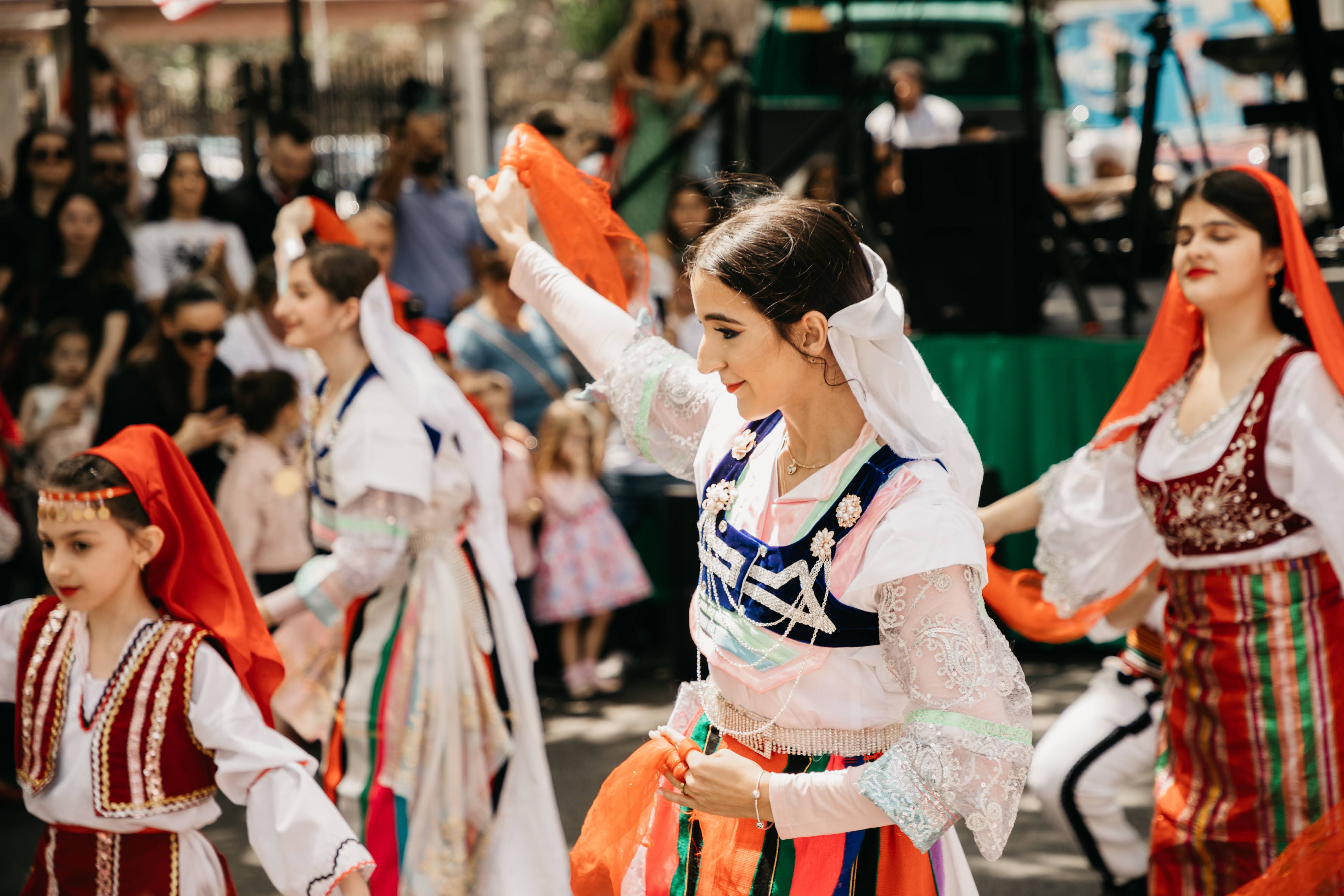
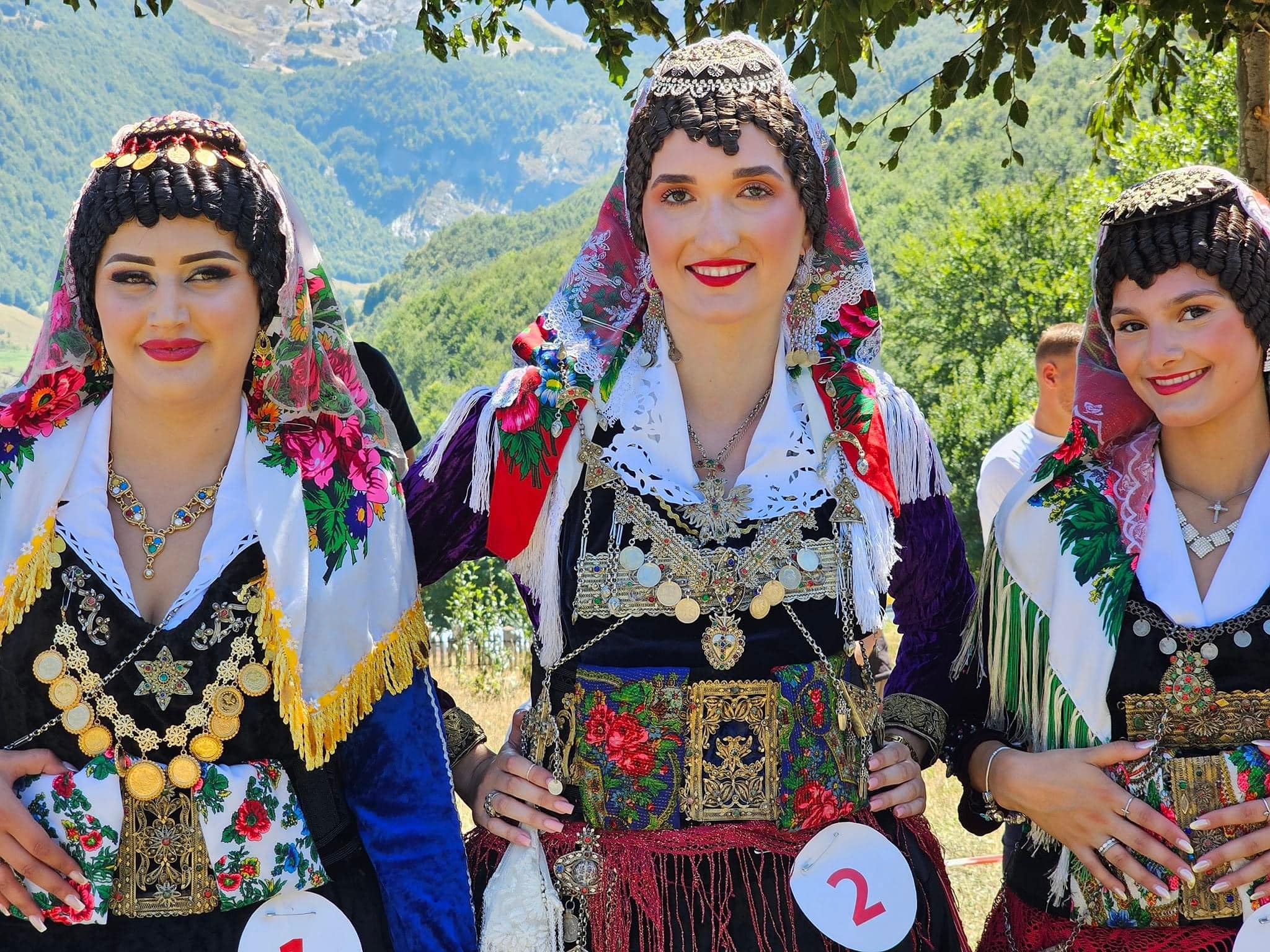
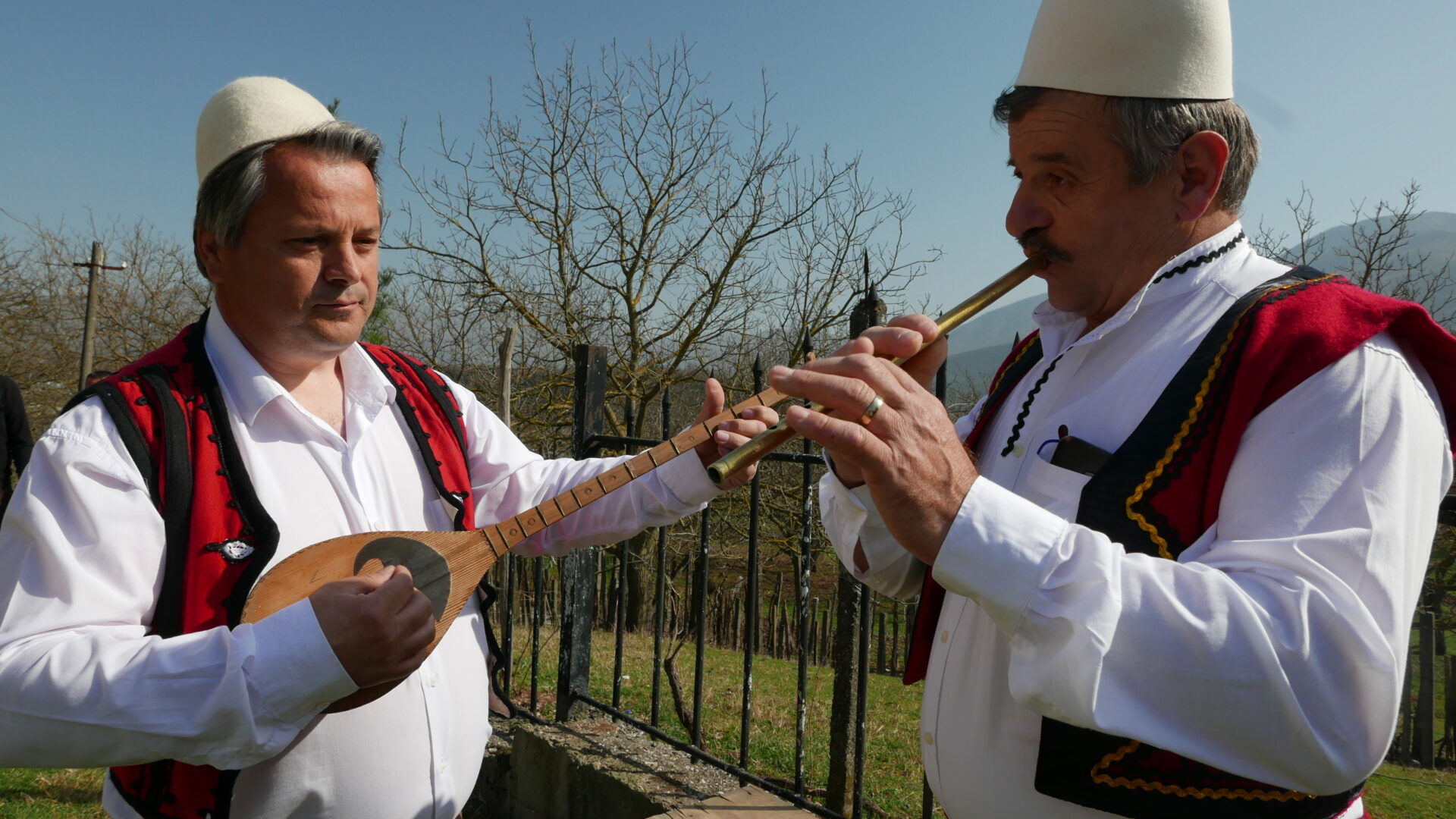
Albanian heritage encompasses the complex tapestry of traditions, linguistic roots, and historical resilience that define the Albanian people, both within the Balkans and across the global diaspora. Protecting this legacy involves actively participating in oral storytelling, preserving the unique Gheg and Tosk dialects, and maintaining the customs of Besa, the ancient code of honor and hospitality that remains a cornerstone of Albanian social identity.
Defining the Scope of Albanian Heritage
Albanian heritage is not a static set of historical events; it is a living, evolving construct. At its core lies the Illyrian ancestry, which provides the foundation for the Albanian language—a unique branch within the Indo-European family. To engage with this heritage, one must first recognize that it transcends modern geopolitical borders. It includes the cultural output of Albanians in Albania, Kosovo, North Macedonia, Montenegro, and the expansive diaspora communities in Italy, the United States, and across Western Europe.
Understanding this heritage requires an appreciation for the shift from traditional agrarian life to modern integration. It involves navigating the syncretism of religious influences—primarily Islam, Catholicism, and Eastern Orthodoxy—that have historically coexisted under the umbrella of national unity, often symbolized by the Rilindja Kombëtare (National Renaissance) movement of the 19th and early 20th centuries.
The Pillars of Traditional Customs
The preservation of heritage relies heavily on the transmission of intangible cultural elements. The most significant of these is Besa, which translates roughly to "faith" or "pledge." In historical context, Besa served as a protective mechanism for neighbors and travelers, creating a societal framework based on absolute trust and duty.
Another pillar is the Kanun of Lekë Dukagjini, a set of traditional codes that governed social behavior, mediation, and community management for centuries in the highlands. While parts of the Kanun are legally superseded by modern national laws, its influence on social expectations, the concept of the family unit, and community obligations remains deeply embedded in the collective consciousness.
Linguistic Preservation
The Albanian language consists of two primary dialects: Gheg (spoken primarily in the north) and Tosk (spoken in the south). The standard literary language is primarily based on the Tosk dialect. For those looking to preserve their heritage, engaging with both dialects is crucial, as the variations in vocabulary and phonology act as a repository for regional histories that are often lost in standardized formats.
Key Elements of Albanian Cultural Identity
| Category | Component | Significance |
|---|---|---|
| Language | Gheg & Tosk | Distinguishes regional identity and oral tradition. |
| Social Ethics | Besa | The fundamental code of honor and hospitality. |
| Culinary Arts | Byrek, Flija | Symbols of communal cooking and regional adaptation. |
| Music | Iso-polyphony | UNESCO-recognized vocal tradition in southern Albania. |
| Historical Value | Gjergj Kastrioti Skënderbeu | The central figure of resistance and national unity. |
Documenting and Verifying Family History
For individuals tracing their ancestry, the process involves navigating archives in Albania and Kosovo, as well as institutional records in the countries where their ancestors immigrated. Unlike many Western European nations, the documentation of genealogy in the Balkans faced significant disruptions during the 20th century due to regional conflicts and the era of isolationist policies under the Socialist People's Republic of Albania.
To begin an investigation into one’s lineage:
- Primary Documentation: Seek out birth, marriage, and death certificates from the relevant regional civil registry offices (Gjendja Civile).
- Oral Histories: Since official archives may have gaps for specific periods, cross-referencing names and migration dates with elder family members is the most effective method for filling in structural voids.
- Institutional Research: Utilize the Central State Archive in Tirana for historical documents dating back to the Ottoman era and the early 20th century, where land registers and administrative records may exist.
The Role of Diaspora and Modern Transmission
As of 2026, the diaspora plays a critical role in the maintenance of Albanian heritage. Institutions, cultural associations, and language schools in cities with high concentrations of Albanian immigrants serve as hubs for cultural continuity. The challenge for these communities is avoiding the "dilution" of heritage while successfully integrating into host societies.
Successful transmission of this heritage often utilizes digital platforms to bridge the geographical gap. Online archives of traditional music, digitalized versions of historical literature, and community-led pedagogical efforts to teach the Albanian language to younger generations are currently the most active vectors for preserving identity. These efforts ensure that the cultural memory of the Balkans remains accessible to those living thousands of miles away from the homeland.
Common Challenges in Cultural Preservation
Preservation efforts are often hindered by the transition of rural populations into urban centers, which creates a generational disconnect from traditional agricultural crafts and folk rituals. Furthermore, the rapid integration of global pop culture into Albanian society has led to a decline in the practice of certain regional traditions, such as specific types of folk embroidery, traditional vallen (dances), and local craftsmanship.
There is also the challenge of misinformation. In the age of digital content, historical narratives regarding Albanian origins—particularly those concerning the Illyrian connection—are sometimes distorted for nationalistic or political purposes. Maintaining a high level of historical accuracy requires relying on academic research, archaeological evidence, and peer-reviewed journals rather than anecdotal or social-media-based interpretations.
Implementing Preservation Actions
To ensure that Albanian heritage remains vibrant, one should engage in concrete, actionable practices that favor depth over superficial observation:
- Linguistic Engagement: Actively use the language at home. For second or third-generation immigrants, this means prioritizing conversational Albanian over merely learning vocabulary lists.
- Archival Contribution: If you possess historical photographs, letters, or documents from ancestors, consider digitizing them and providing copies to local archives or regional museums in Albania or Kosovo to assist in the broader preservation of historical record.
- Community Involvement: Participate in local cultural festivals or associations that emphasize traditional arts rather than just modern entertainment, as these groups often facilitate the passing down of craft-based knowledge.
Frequently Asked Questions (FAQ)
What is the significance of the Kanun in modern Albanian society?
The Kanun is largely a historical and ethnographic subject in 2026. While it no longer serves as a primary legal code, it remains influential in understanding the social norms and values that shaped traditional family dynamics and dispute resolution in Northern Albania.
How can I verify my family's ancestral origins if documentation is missing?
When official documents are unavailable due to historical displacement, the most reliable path is through regional oral history interviews and, if applicable, religious records (parish or mosque records) which were often maintained more consistently than secular records in the 19th and early 20th centuries.
Why is the Albanian language considered unique?
Albanian is a "language isolate" within the Indo-European family. It does not have a close "sibling" language. It represents its own independent branch, which serves as a major draw for linguists studying the evolution of ancient Balkan languages and their survival through centuries of foreign rule.
Is it possible to visit historical sites related to Skënderbeu?
Yes, multiple sites in Krujë, Lezhë, and across Albania are preserved as national monuments. The Skënderbeu Museum in Krujë remains the primary repository for historical material related to his leadership and is fully accessible to the public as of 2026.
How does iso-polyphony music define Albanian heritage?
Iso-polyphony is a distinct, multi-part vocal style from southern Albania. It is recognized as a Masterpiece of the Oral and Intangible Heritage of Humanity by UNESCO. It captures the emotional and historical weight of the region, emphasizing collective expression over individual performance.
Next Steps for Cultural Engagement
If you are looking to deepen your involvement, prioritize the acquisition of primary-source materials. Consult the publications of the Albanian Academy of Sciences for rigorous historical context, and contact local cultural organizations to volunteer for initiatives aimed at youth education. By grounding your involvement in documented reality rather than folklore, you contribute to the authentic preservation of a heritage that is as resilient as it is ancient.