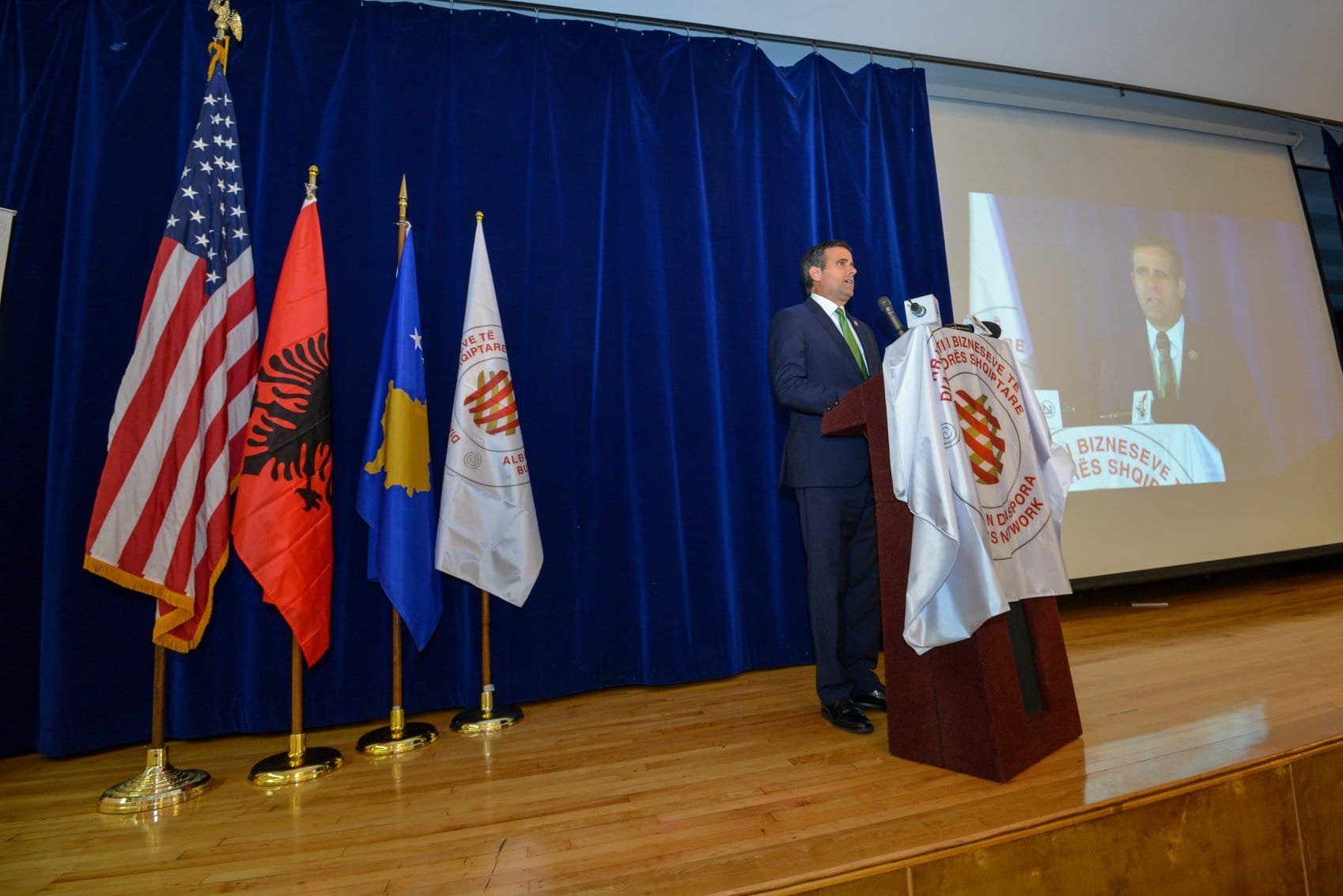
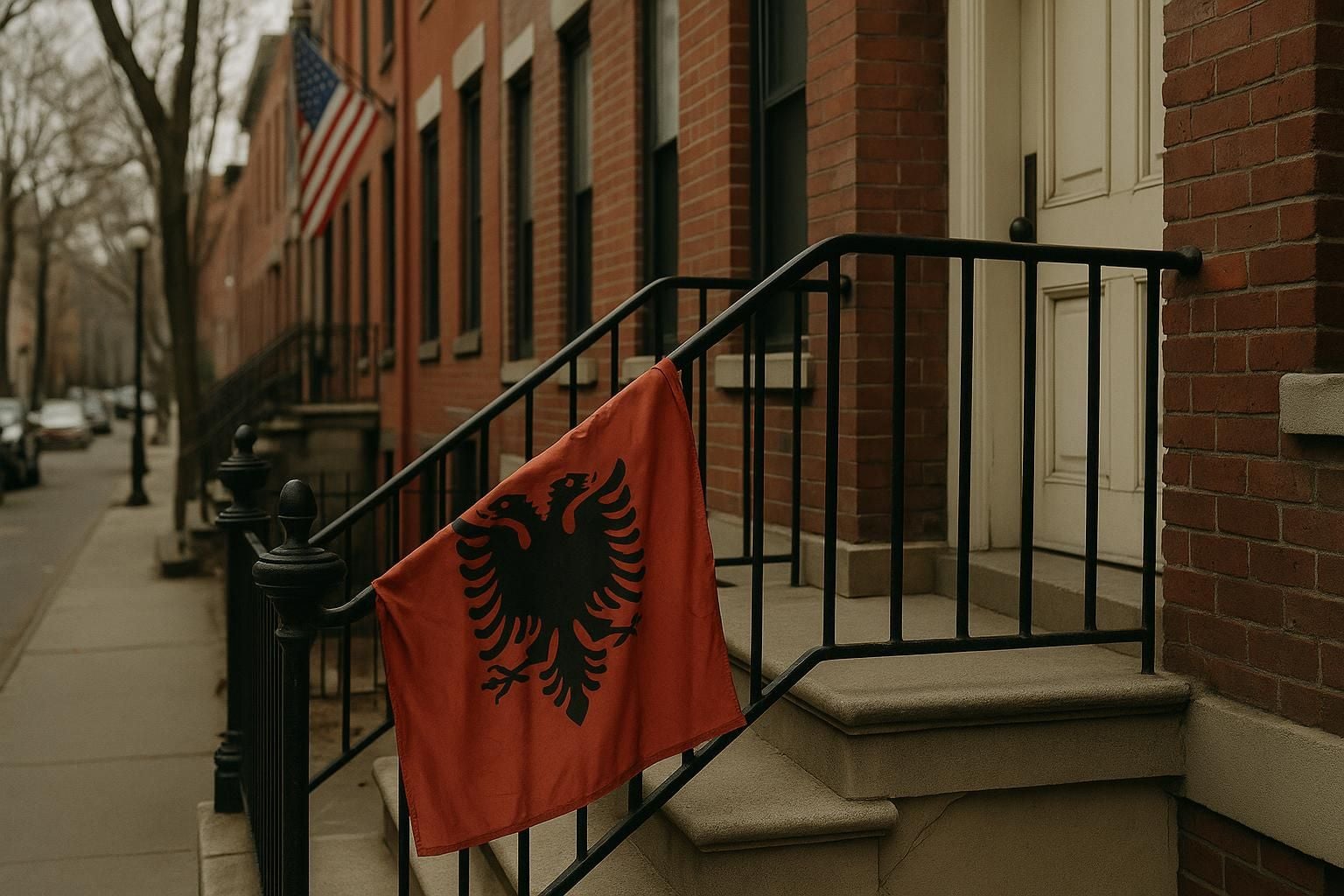
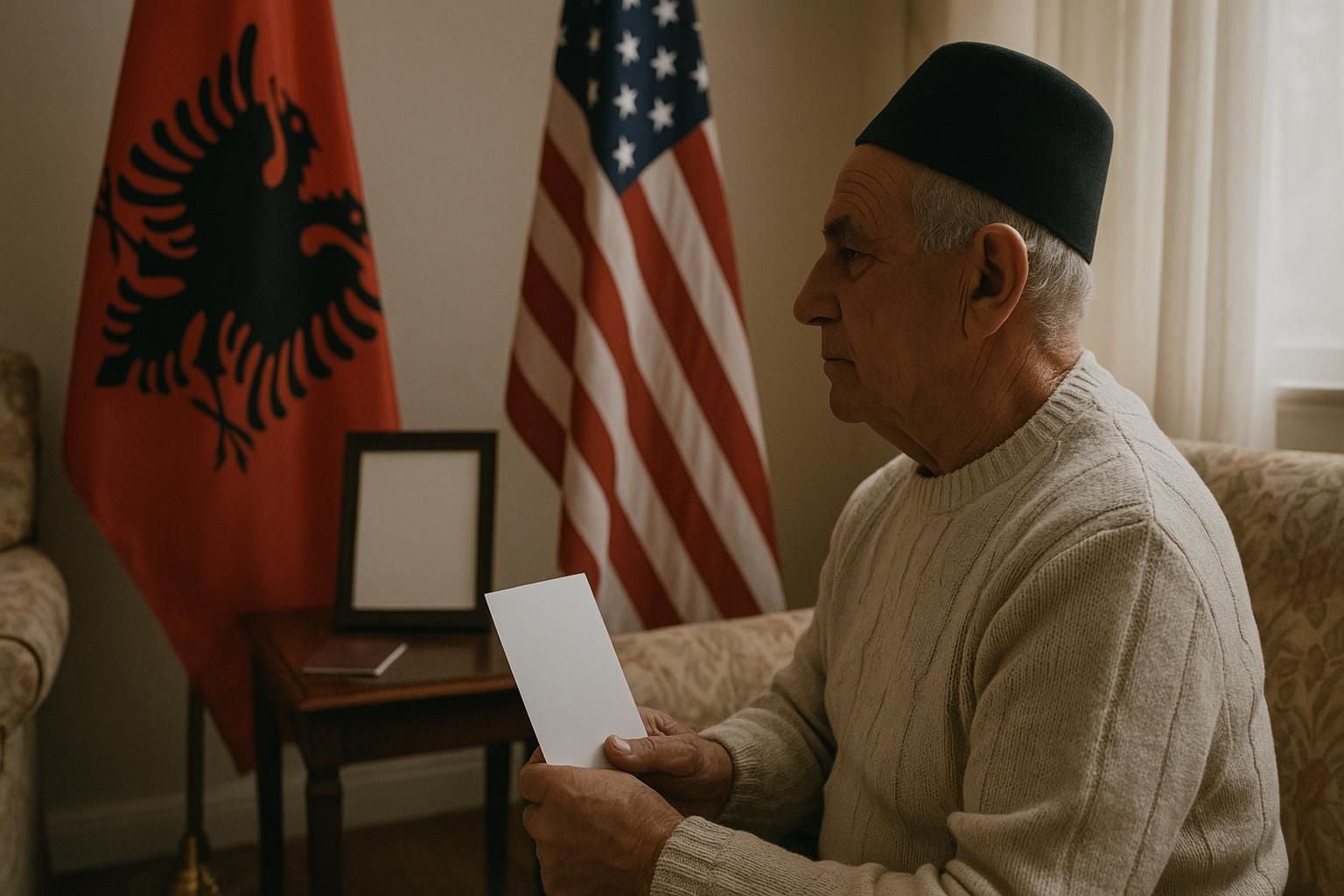
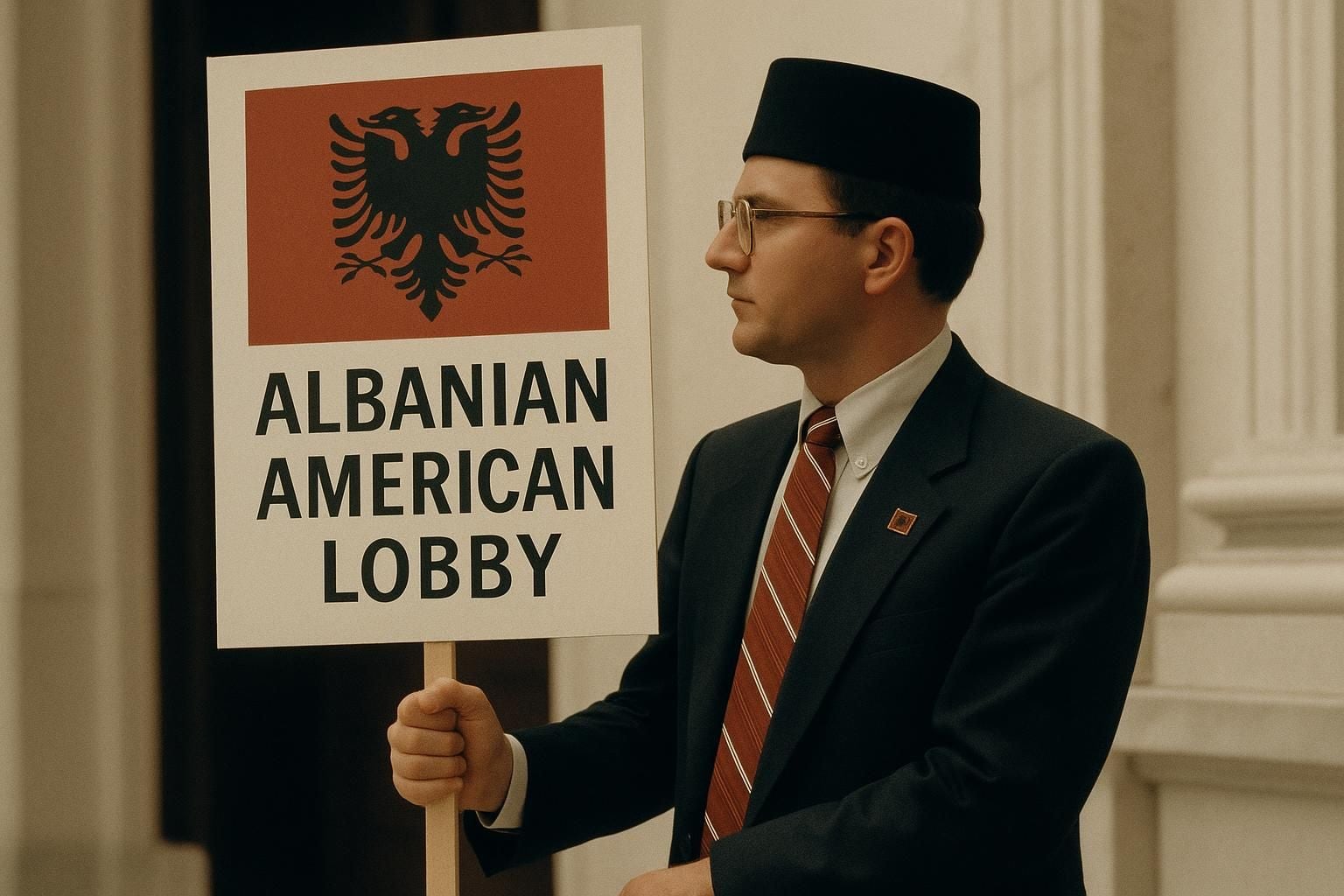
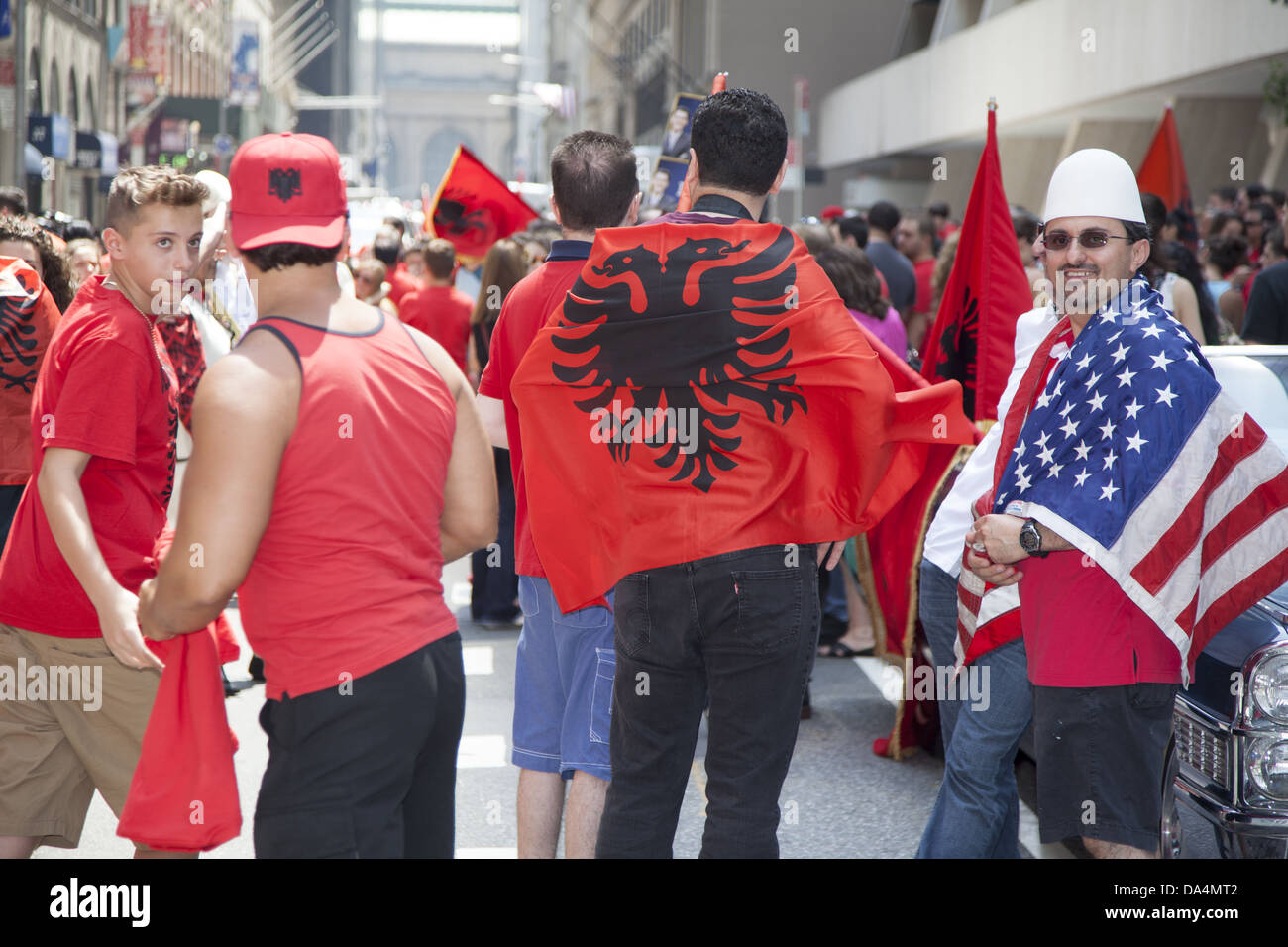
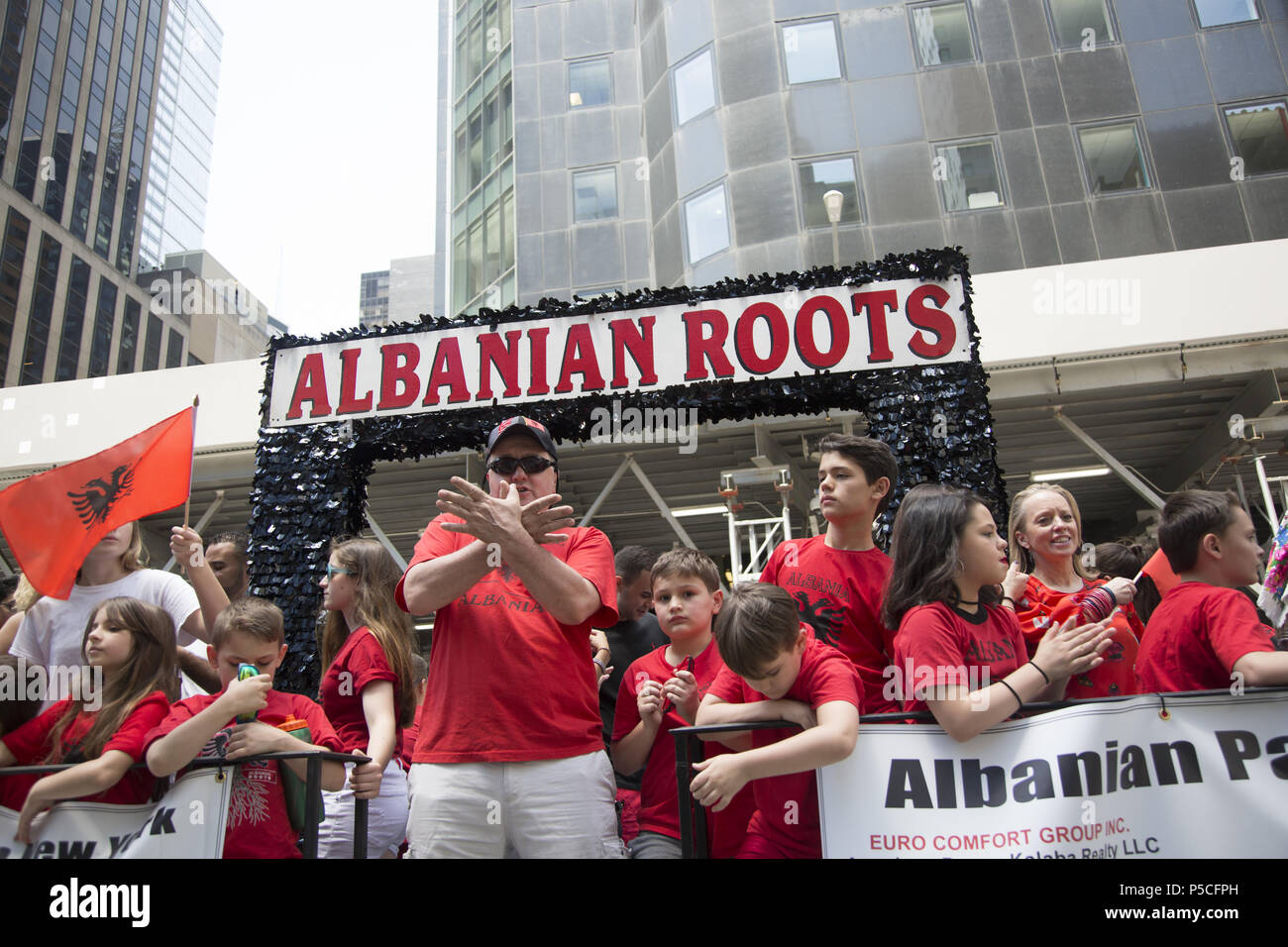
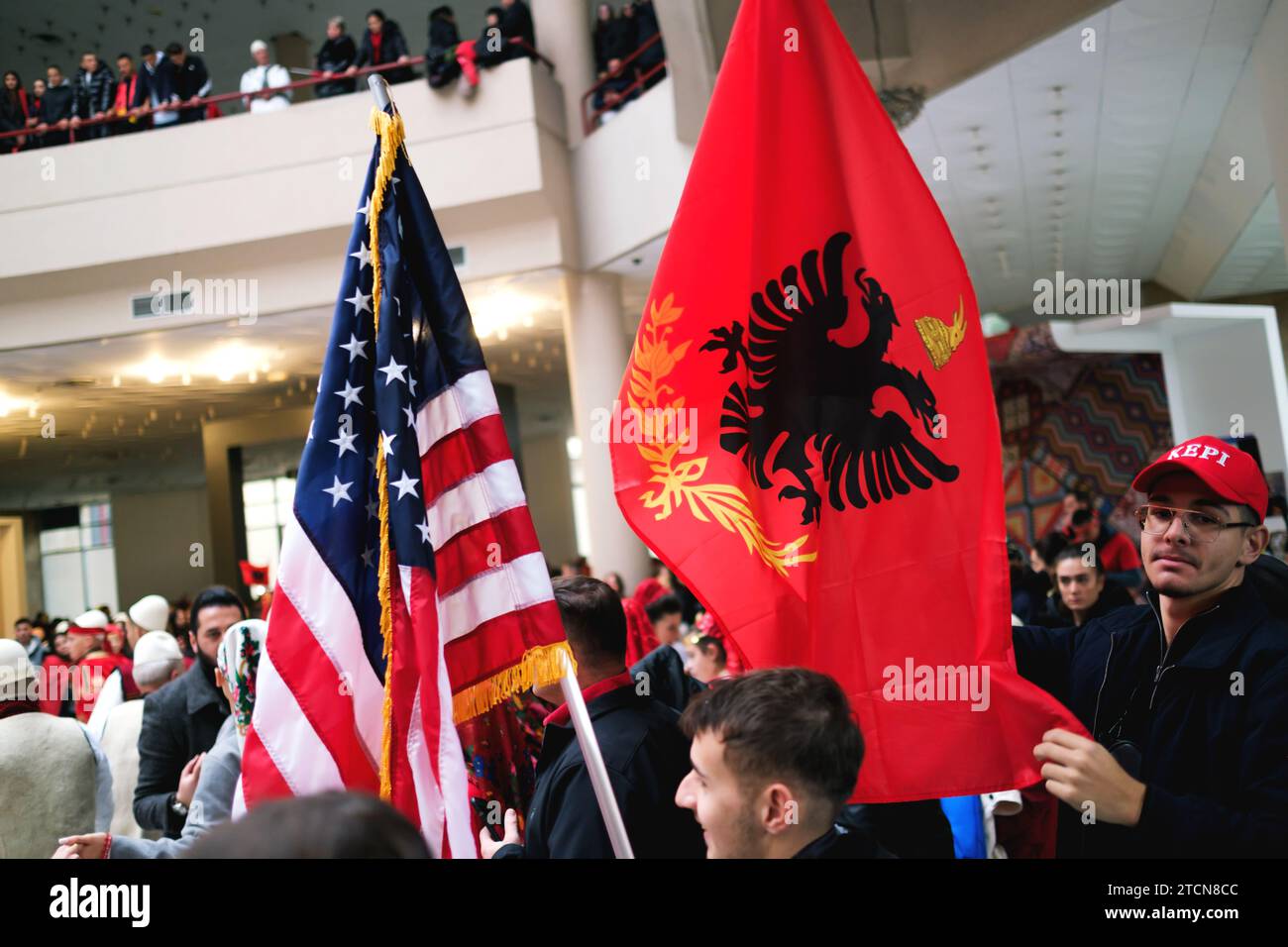
Albanian American identity represents a diverse diaspora community defined by successive waves of migration, primarily from Albania, Kosovo, and North Macedonia. Whether through the preservation of language and cultural traditions or active participation in the professional and civic fabric of the United States, this group maintains a distinct heritage while contributing significantly to the modern American landscape.
Historical Waves of Migration
The presence of Albanians in the United States is not the result of a single migration event but rather a series of distinct waves shaped by geopolitical shifts in the Balkans. Understanding these cohorts is essential for recognizing the diversity within the community today.
The first major wave occurred in the late 19th and early 20th centuries. These early immigrants were primarily young men seeking economic opportunity, arriving from southern Albania. Many settled in industrial hubs in the Northeast, such as Boston, Massachusetts, where they established early community organizations. This period was marked by the foundation of the Pan-Albanian Federation of America, known as Vatra, which played a crucial role in supporting the movement for Albanian independence from the Ottoman Empire.
A significant, yet smaller, secondary wave followed after the Second World War. These individuals were often political refugees fleeing the rise of the communist regime in Albania. Unlike the earlier economic migrants, this group included intellectuals, clergy, and political figures who sought to preserve the cultural and religious identity of Albania from abroad.
The most substantial wave of migration began in the late 1980s and surged throughout the 1990s and 2000s, driven by the collapse of communism in Albania and the violent dissolution of Yugoslavia, which led to the Kosovo War. This cohort arrived as families rather than individuals, settling widely across the United States. Today, the Bronx and other areas of New York City, as well as suburban communities in Michigan, New Jersey, and Illinois, remain major centers for the Albanian American diaspora.
Cultural Preservation and Community Organizations
Cultural continuity is a hallmark of the Albanian American experience, facilitated by a robust network of community centers, schools, and media outlets. Maintaining the Albanian language—a unique Indo-European language branch—remains a primary objective for many families.
Language and Education
While many second- and third-generation Albanian Americans become bilingual, community-run weekend schools remain vital. These institutions often operate within the framework of local cultural centers or religious organizations. By prioritizing the teaching of the Albanian alphabet, grammar, and literature, these schools ensure that younger generations maintain a connection to their ancestral history.
The Role of Religious and Civic Institutions
The Albanian American community is characterized by religious diversity, including Muslims, Catholics, and Orthodox Christians, who historically have lived in a state of mutual respect and coexistence. Many community centers are centered around mosques or churches, which serve as secular community hubs as much as religious spaces. These institutions provide social services, networking opportunities, and venues for traditional festivals, such as Flag Day (November 28), which commemorates the declaration of Albanian independence.
Professional Integration and Socioeconomic Impact
Albanian Americans have integrated into nearly every sector of the American economy. While early generations were often concentrated in manufacturing and the trades, contemporary Albanian Americans are highly represented in finance, real estate, healthcare, and information technology.
Notable Professional Trends
- Real Estate and Entrepreneurship: A significant portion of the community, particularly in the New York metropolitan area, has found success in property management, construction, and independent small business ownership.
- Education and Healthcare: There is a high prevalence of professionals in the medical and legal fields, reflecting a strong cultural emphasis on academic achievement as a pathway to upward social mobility.
- Civic Participation: Advocacy groups such as the Albanian American Civic League have been instrumental in keeping the concerns of the Albanian diaspora, particularly regarding the stability of Kosovo and the Balkans, in the public eye.
Comparison of Demographic and Community Characteristics
The following table provides an overview of the key factors that define the contemporary diaspora experience in the United States.
| Feature | Description |
|---|---|
| Primary Migration Drivers | Economic opportunity, political stability, and regional conflict. |
| Major Population Centers | New York, New Jersey, Michigan, Illinois, and Connecticut. |
| Primary Cultural Identifier | Language retention, traditional cuisine, and community gatherings. |
| Religious Affiliation | Predominantly Muslim, Catholic, and Orthodox (coexisting). |
| Community Structure | High emphasis on family-based networks and local cultural centers. |
Addressing Common Questions
How do Albanian Americans maintain ties with their heritage?
Maintaining heritage is achieved primarily through family traditions, including the celebration of significant historical dates and the practice of traditional culinary arts. Furthermore, the availability of digital media, satellite television, and community-run news outlets keeps the diaspora connected to current events in Albania and Kosovo.
Is there a specific "Albanian American" dialect?
While there is no singular "Albanian American" dialect, many diaspora members speak a blend of the standard Tosk or Geg literary dialects, often interspersed with English loanwords. The influence of regional dialects from specific areas like Shkodra, Korça, or Pristina remains evident in many households.
What are the main challenges faced by newer immigrants?
Newer arrivals often focus on navigating complex immigration legal processes and establishing professional credentials. Language proficiency, especially for those entering highly regulated fields like medicine or engineering, requires significant effort in professional re-certification.
How does the community engage with American politics?
Engagement usually occurs through advocacy for foreign policy stances that affect the Balkans, as well as participation in local, state, and federal elections. Albanian Americans are noted for their bipartisan engagement, particularly on issues involving regional security and NATO integration for Balkan nations.
How do I find a local Albanian American community center?
Most local associations can be found by researching state-specific directories or connecting with established cultural, religious, or student organizations. Larger cities often maintain umbrella organizations that coordinate events for the entire local diaspora.
Practical Steps for Engaging with the Community
For those looking to engage with or learn more about the Albanian American community, the most effective approach is to focus on local cultural events.
- Identify Local Cultural Centers: Look for organizations dedicated to Albanian arts or heritage. These centers frequently host public events, musical performances, and language workshops.
- Support Local Businesses: Many Albanian-owned businesses, such as bakeries and restaurants, are the primary point of contact for the community. Engaging with these businesses supports the local economy and offers a glimpse into traditional customs.
- Monitor Official Advocacy Groups: Groups such as the Albanian American Civic League provide insights into the political and social issues that matter to the diaspora, offering a window into the community's civic priorities.
- Attend Regional Festivals: During periods like Independence Day celebrations, many cities host cultural festivals that are open to the public, providing an excellent opportunity to experience the culture in an informal, welcoming environment.
By focusing on community-led initiatives and respectful engagement, individuals can better understand the unique contributions and historical depth of the Albanian American population in 2026.