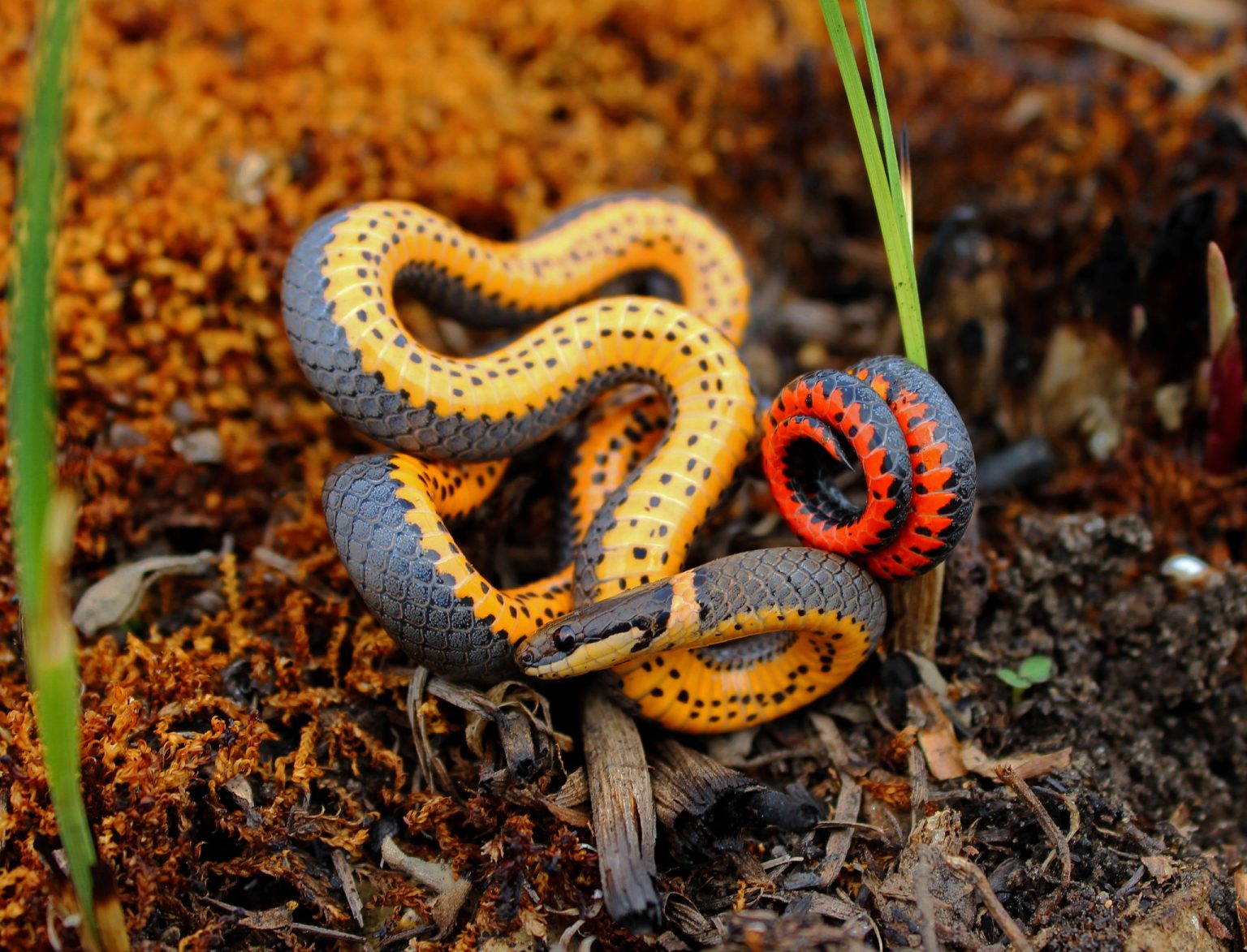
Alaska is unique among the United States for being the only state entirely devoid of native snake populations. Due to its subarctic and arctic climate, the physiological requirements for ectothermic reptiles—which rely on external heat sources to regulate their body temperature—cannot be met by the Alaskan environment. Consequently, there are no indigenous snake species to identify, no venomous threats to manage, and no habitats to avoid.
The Biological Reality of Alaska’s Herpetofauna
The primary reason for the absence of snakes in Alaska is the state’s extreme thermal profile. Snakes are ectotherms, meaning their metabolism and activity levels are dictated by the ambient temperature of their environment. Most snake species require a significant "basking period" to achieve the internal temperatures necessary for digestion, reproduction, and movement. In Alaska, the combination of long, frigid winters and short, relatively cool growing seasons prevents most reptiles from maintaining the body temperature required for basic survival, let alone successful breeding.
While other parts of North America host various snake species, the "frost line" and the persistent cold of Alaskan soils create a lethal barrier. Even species that are cold-tolerant, such as the common garter snake (Thamnophis sirtalis), which exists at high latitudes in Canada, do not have the metabolic range to endure the deep-freeze conditions typical of the Alaskan interior or the coastal regions.
Addressing Misidentifications: Common Look-alikes
Because humans often associate the presence of tall grass, wetlands, or rocky areas with snakes, visitors or residents in Alaska sometimes report "sightings." However, thorough investigations by state biologists and wildlife experts confirm these reports are consistently cases of misidentification.
It is helpful to understand which animals are frequently mistaken for snakes in the Alaskan wilderness:
- Pacific Coast Aquatic Salamanders: Some species of amphibians, such as the long-toed salamander, may exhibit movement patterns in water or tall grass that appear serpentine to an untrained eye.
- Slow-Moving Larvae: Certain aquatic larvae can have long, slender bodies that create an illusion of movement similar to a small snake.
- Vegetation and Debris: Ropes, discarded fishing lines, and long, slender roots or branches moved by wind or water are the most common sources of "snake sightings" in the state.
- Small Mammals: Voles and shrews, when moving quickly through dense underbrush, can create a ripple effect in the grass that mimics the slithering motion of a reptile.
Understanding Native Alaskan Wildlife Safety
While the absence of snakes means you do not need to concern yourself with venomous bites or anti-venom protocols in Alaska, the state remains a wilderness environment that requires vigilance regarding other wildlife. If your intent in researching "Alaskan snake species identification" was to ensure personal safety during outdoor activities, it is crucial to pivot that focus toward the genuine hazards present in the region.
Comparison of Potential Alaskan Wilderness Hazards
The following table outlines risks that are genuinely present in Alaska compared to the nonexistent risk of snakes, allowing you to prioritize your safety preparations effectively.
| Hazard Type | Probability in Alaska | Primary Safety Requirement |
|---|---|---|
| Snakes | Zero (None native) | Not applicable |
| Bears (Brown/Black) | High (Regional) | Carry bear spray; proper food storage |
| Moose | High (Common) | Maintain distance; do not approach calves |
| Hypothermia | Very High | Layered clothing; emergency shelter gear |
| Insect Swarms | Very High (Seasonal) | Head nets; DEET-based repellents |
Prerequisites for Safe Wilderness Exploration
Since you are not required to manage snake-related risks, your safety planning should focus on environmental preparedness. Whether you are hiking, camping, or working in remote Alaskan areas, your safety protocol should focus on the following pillars:
- Climate Regulation: The greatest danger in Alaska is not animal encounters but the environment itself. Hypothermia can occur even in summer if you become wet or injured. Always carry extra layers of non-cotton clothing and a reliable shelter system.
- Wildlife Awareness: Focus your attention on large mammals. Learning how to identify bear tracks, understanding the territorial behavior of moose, and knowing how to store food to avoid attracting scavengers is far more critical for Alaskan safety than snake identification.
- Navigation and Communication: Because the terrain is vast and often rugged, never rely on cellular service. Carry a satellite communication device and a physical map, as GPS units can fail in extreme cold or dense canopy.
- Reporting Unusual Sightings: If you ever truly believe you have encountered a reptile in Alaska, it is likely an escaped exotic pet. Do not attempt to handle the animal. Instead, photograph it from a safe distance and report the sighting to the Alaska Department of Fish and Game. Such sightings are critical for tracking invasive species that could potentially threaten the delicate balance of the local ecosystem.
Managing Expectations for Exotic Pets
Occasionally, pet snakes are illegally released or accidentally escape in Alaska. If you encounter a snake in a residential or park area, you are almost certainly looking at an abandoned or lost pet. These animals are often stressed, cold, and incapable of surviving for long periods in the Alaskan climate.
If you encounter such an animal:
- Do not approach: Even non-venomous snakes can strike when frightened or cornered.
- Observe and record: Keep a safe distance. Take a photo if possible to assist local authorities in identification.
- Contact authorities: Notify local animal control or the Alaska Department of Fish and Game. They have the appropriate tools and training to humanely capture and rehome displaced exotic animals.
Frequently Asked Questions
Are there any venomous snakes in Alaska?
No. There are no venomous snakes in Alaska, nor are there any non-venomous ones. The state’s environmental conditions are fundamentally incompatible with the survival of any snake species native to North America.
If I see a slithering creature in the grass, what could it be?
In the vast majority of cases, it is a small mammal like a shrew or a vole moving through vegetation. In some cases, it may be a piece of discarded human refuse, such as fishing line or plastic tubing, appearing to move due to the wind or water currents.
What should I do if I find an escaped snake?
If you suspect you have found a pet snake, do not attempt to capture it. These animals may be fragile due to the cold and could bite if handled. Contact the nearest regional office of the Alaska Department of Fish and Game to report the location of the animal so professionals can manage the situation.
Is it safe to hike in Alaska without snake gaiters or bite kits?
Yes. There is no biological or medical justification for carrying snake-bite kits or wearing snake gaiters in Alaska. These items are unnecessary weight that would be better replaced by high-quality rain gear, extra insulation, or bear-deterrent equipment like bear spray.
How do I stay safe from wildlife if there are no snakes?
Prioritize your safety by focusing on large animals. Keep a clean camp to avoid attracting bears, understand the signs of moose agitation, and always carry gear that accounts for sudden, drastic changes in weather. Being prepared for the cold is the most effective safety measure you can take in the Alaskan wilderness.
Recommended Next Steps for Wilderness Safety
To ensure your safety in the Alaskan backcountry, your immediate next step should be to review the latest guidelines from the Alaska Department of Fish and Game regarding bear safety and wilderness navigation. Rather than searching for snake identification charts, invest your time in practicing the deployment of bear spray and mastering the use of a topographical map. Familiarize yourself with the "Leave No Trace" principles, which help protect the pristine Alaskan environment while keeping your campsite unappealing to wildlife that may actually be present, such as black bears, grizzly bears, and wolves.