Traveling to Alaska requires careful preparation due to the state’s massive scale, unpredictable weather patterns, and the specialized nature of its infrastructure. Whether you are navigating the rugged interior by train, exploring coastal fjords via cruise ship, or driving the Alaska Highway, success hinges on understanding regional accessibility, seasonal timing, and the specific regulatory requirements for wilderness exploration and wildlife viewing.
Understanding Alaska’s Geographic Complexity
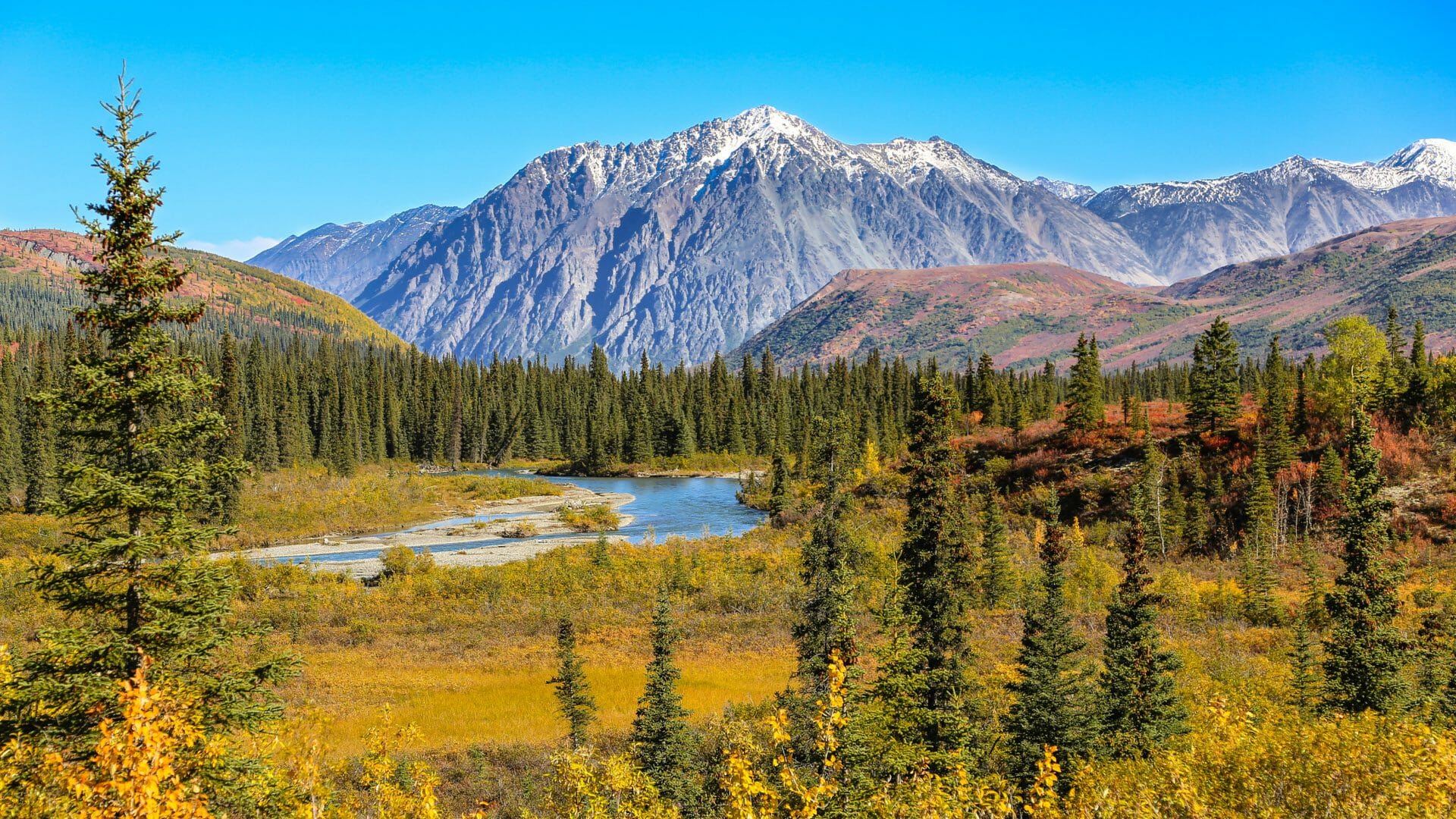
Alaska spans over 660,000 square miles, making it larger than the next three largest states combined. Because of this, it is impossible to see the entire state in a single trip. Travel planning must be broken down by region: Southeast (the Panhandle), Southcentral (Anchorage and Kenai Peninsula), Interior (Fairbanks and Denali), and the Arctic/Western regions.
The Southeast is dominated by marine-based transit; most towns here, such as Juneau, Ketchikan, and Sitka, are not connected to the road system. Visitors rely on the Alaska Marine Highway System (ferries) or regional aircraft. Conversely, Southcentral and Interior Alaska are connected by a network of highways, allowing for more traditional road-trip itineraries. Recognizing these logistical barriers is the most important step in preventing over-scheduling.
Optimal Timing and Seasonal Constraints
Alaska travel is highly seasonal. The primary tourist window runs from mid-May to mid-September. June, July, and August offer the most consistent weather and the full operation of visitor services, lodges, and tour operators. However, these are also the months of peak pricing and the highest concentration of cruise ship passengers in port towns.
Shoulder season travel—late May or early September—can offer lower costs and fewer crowds, though travelers must accept risks. Many services, including specific park shuttle buses and seasonal businesses, may not yet be open or may have already closed for the winter. By mid-September, the risk of early snow in the Interior and higher sea states in the Gulf of Alaska increases significantly. Winter travel is a distinct niche, focused on aurora borealis viewing, skiing, and dog sledding, requiring specialized gear and different transportation logistics than summer travel.
Transportation Modes and Infrastructure
Choosing how to navigate the state is a decision between convenience, cost, and access.
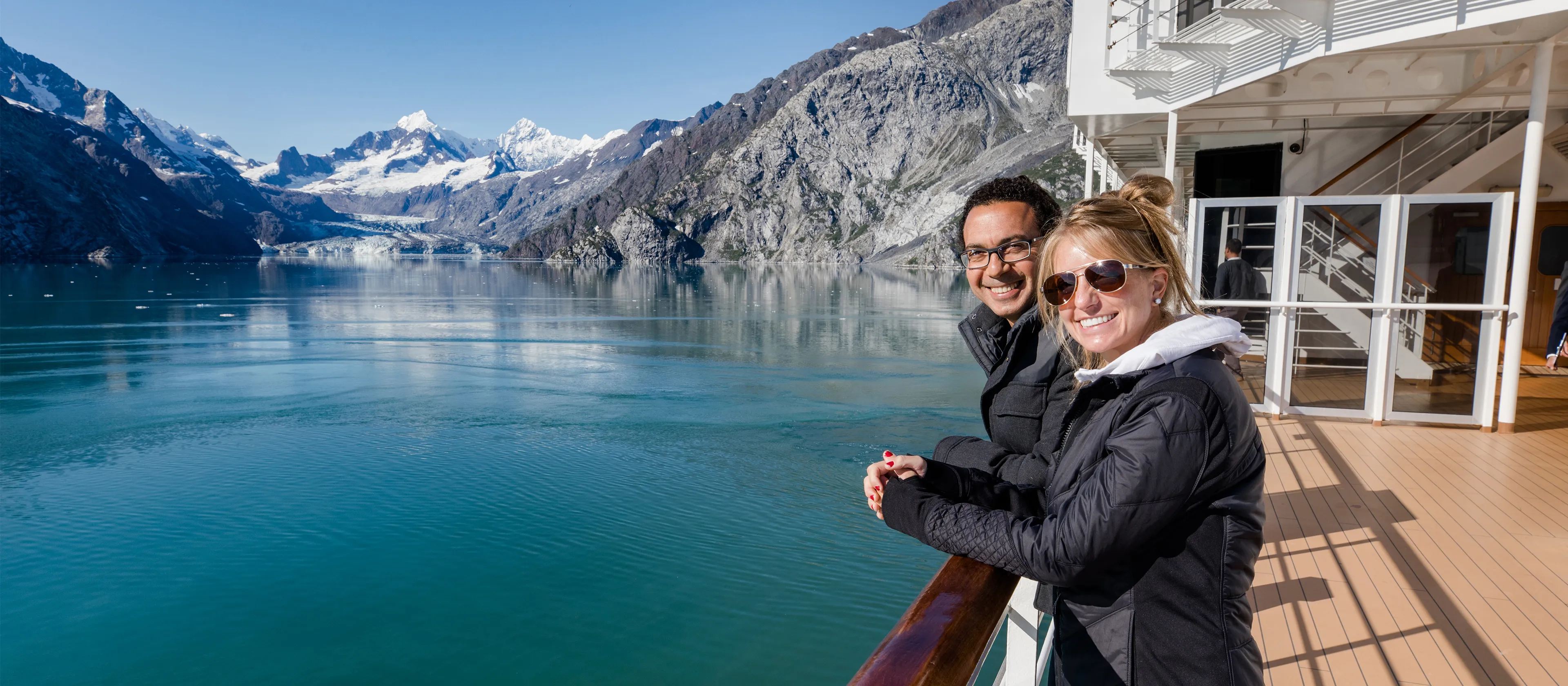
- Cruising: For those prioritizing scenery with minimal planning, cruise ships provide a comprehensive look at the Southeast and Southcentral coastlines. This is the most popular mode of travel but offers the least flexibility.
- The Alaska Railroad: Connecting Seward, Anchorage, Denali, and Fairbanks, the railroad provides a scenic and reliable mode of transport. It is an excellent option for travelers who prefer to avoid driving on rural highways.
- Rental Vehicles: Renting a car or recreational vehicle (RV) provides the most freedom. However, travelers must verify rental agreements, as many companies prohibit driving on unpaved roads, such as the Denali Highway or the Dalton Highway.
- Bush Planes: For access to remote areas like Katmai National Park or Lake Clark, small aircraft are often the only viable option. These flights are highly weather-dependent and should be booked well in advance.
Comparative Guide to Alaska Transport Methods
| Mode of Travel | Flexibility | Cost Range | Best For | Operational Window |
|---|---|---|---|---|
| Cruise Ship | Low | High | Sightseeing, comfort | May – Sept |
| Alaska Railroad | Moderate | Moderate/High | Interior/Southcentral sightseers | May – Sept |
| Rental Car | High | Moderate | Independent road trips | Year-round |
| Regional Flight | High | Very High | Remote access/Backcountry | Year-round |
| Motorcoach | Low | Low/Moderate | Guided tours | May – Sept |
Regulatory Requirements and Safety
Alaska is a wilderness environment where safety is the responsibility of the traveler. If you plan to engage in backcountry activities, you must understand the rules for National Parks and National Forests. Many areas require a permit for overnight stays or specific activities like bear viewing.
Wildlife safety is paramount. When hiking or camping, you are in bear country. Carrying bear spray—a non-lethal deterrent—is strongly advised, and you must know how to use it before entering the field. It is a federal offense to feed wildlife, and maintaining a respectful distance is a legal requirement in most protected areas. Furthermore, always check local mandates regarding wildfire prevention, as fire bans are frequently implemented during dry summer months.
Managing Costs and Booking Lead Times
Alaska is a premium travel destination. Because of its remote location, the supply of high-quality lodging and transportation is limited and often sells out 6 to 12 months in advance.
- Lodging: Book well ahead for popular locations near Denali National Park or Kenai Fjords. If staying inside a National Park, reservations often open a year in advance and fill within minutes.
- Dining: In remote areas, grocery options are limited and expensive. Budget accordingly, and recognize that costs for fresh produce and fuel are significantly higher than in the Lower 48 states due to shipping distances.
- Taxes: Some municipalities, such as Anchorage or Juneau, levy local sales taxes or "bed taxes" on lodging that can add a significant percentage to your bill. Verify these rates when calculating your total trip budget.
Frequently Asked Questions
Do I need a passport to travel to Alaska?
If you are a U.S. citizen traveling from within the United States, you do not need a passport to visit Alaska. However, if your cruise or travel itinerary involves a port of call in Canada (such as Vancouver or Victoria) or if you are driving through the Yukon Territory, you must have a valid passport or an enhanced driver’s license.
When is the best time to see the Northern Lights?
The aurora borealis is best viewed between late August and mid-April when the nights are dark enough. While the interior regions like Fairbanks are statistically the best for viewing due to clearer skies, you need to monitor space weather forecasts and solar activity. Summer travel is generally not conducive to aurora viewing because of the midnight sun.
How do I handle cell service and connectivity?
Cellular coverage is reliable in urban hubs like Anchorage, Fairbanks, and Juneau, but it becomes non-existent in the vast majority of the wilderness. Do not rely on cellular navigation. Download offline maps and consider carrying a satellite communication device if you plan to travel on rural highways or into the backcountry.
Are there specific clothing requirements?
The "onion principle" is essential for Alaska travel. You should dress in layers: a moisture-wicking base layer, an insulating mid-layer (fleece or wool), and a waterproof, windproof outer shell. Even in July, temperatures can drop near glaciers or during mountain excursions, and rainfall is frequent, especially in the Southeast.
Next Actions for Prospective Travelers
To begin your planning, first establish your non-negotiable destinations. If Denali is your priority, build your itinerary around the limited capacity of the park shuttle buses. If you prefer to avoid crowds, look toward the Kenai Peninsula’s quieter corners or the Chugach Mountains. Confirm your transportation method early, as rental vehicle shortages have been a recurring issue in peak summer months. Secure your lodging before confirming airfare, as the lack of available housing is a more frequent bottleneck than the cost of flights.