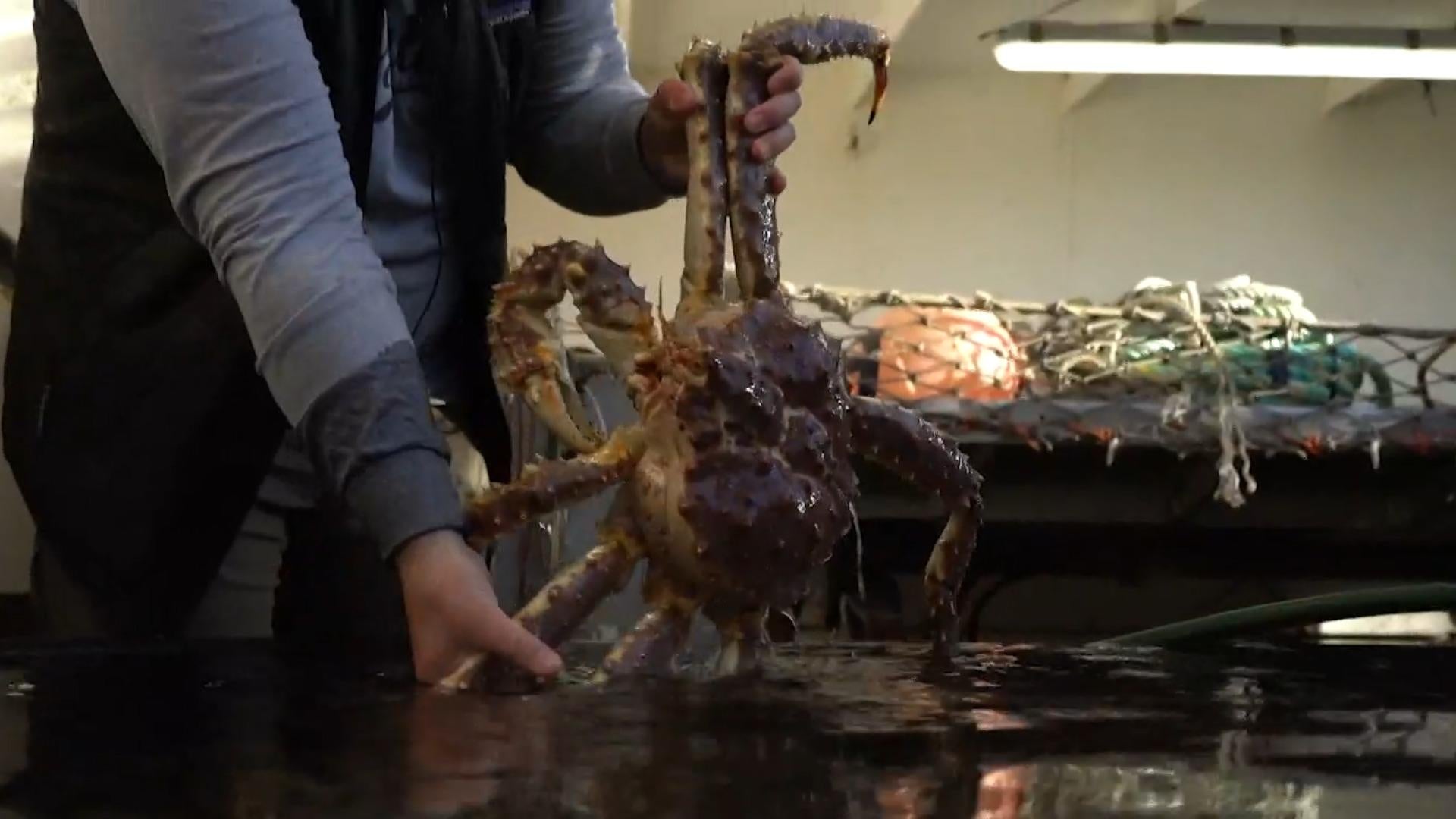
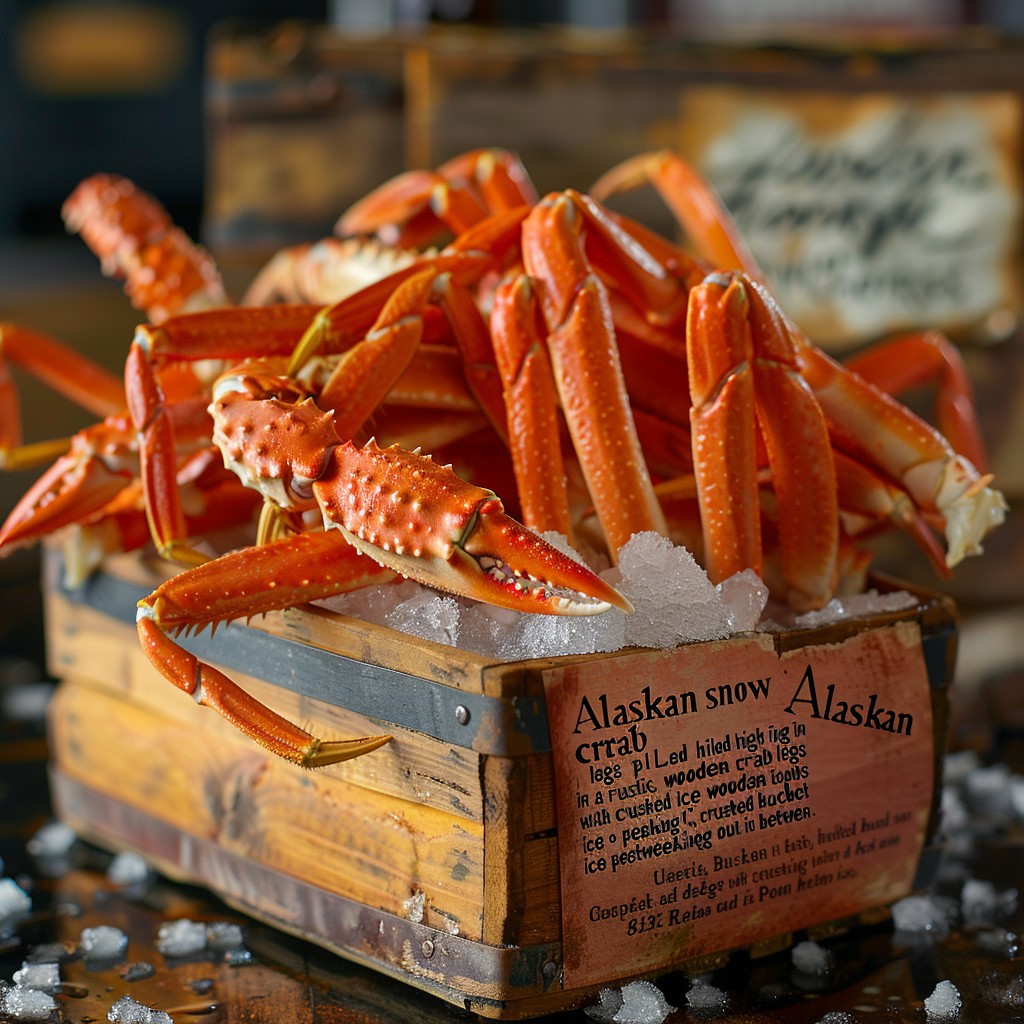
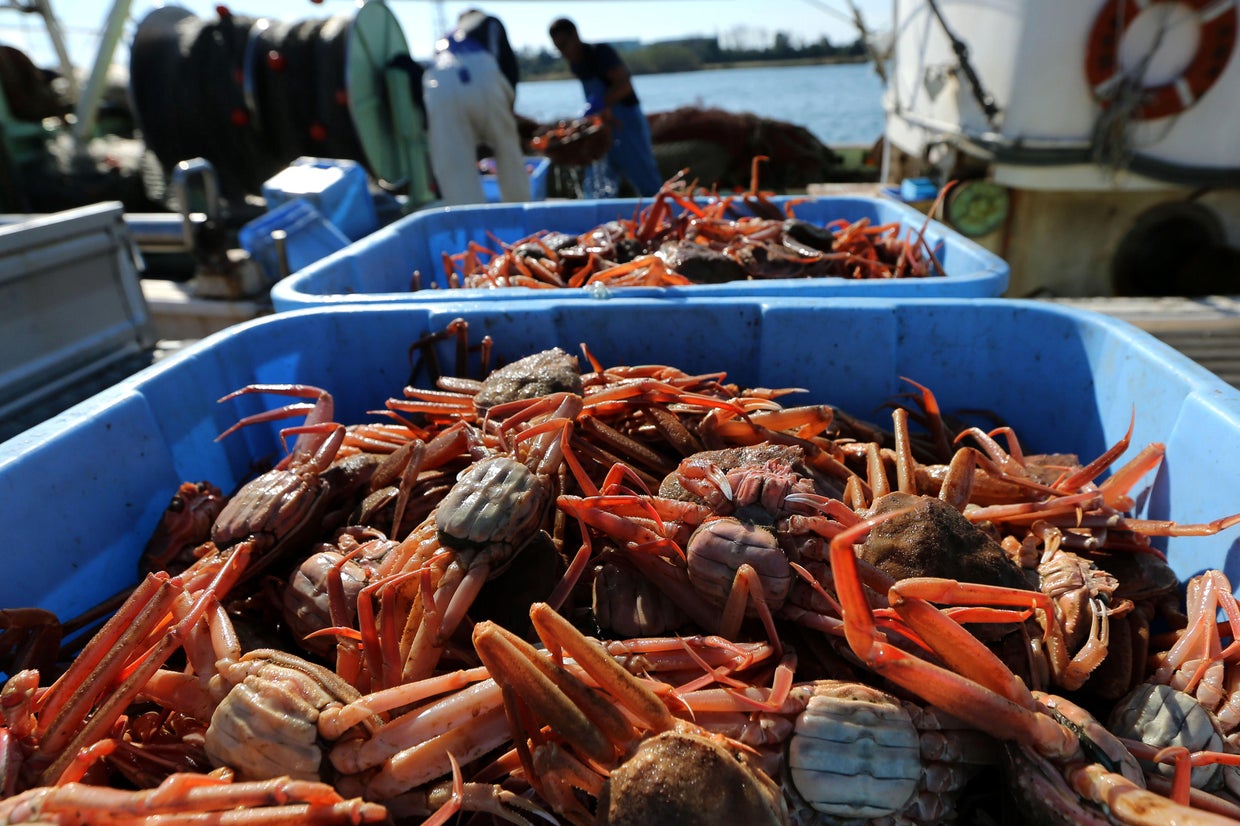
The 2024 Alaska snow crab (Opilio) season was defined by strict management closures due to conservation concerns, following a period of population decline in the Bering Sea. While limited openings occurred in specific zones, supply remained constrained, keeping premium prices high for consumers. Understanding the legal status, historical context, and procurement channels is essential for sourcing authentic Alaska snow crab today.
Understanding the Management of Alaska Snow Crab
The Alaska snow crab fishery is one of the most highly regulated marine resources in the world. Management is primarily overseen by the Alaska Department of Fish and Game (ADF&G) in coordination with the North Pacific Fishery Management Council. These organizations determine Total Allowable Catch (TAC) levels based on annual trawl surveys that monitor biomass, population structure, and environmental stressors such as bottom water temperatures.
In 2024, the industry continued to deal with the aftermath of a historic collapse in the snow crab population observed in recent years. Scientific data collected through the NMFS (National Marine Fisheries Service) survey protocols indicated that the population had not sufficiently recovered to justify a large-scale commercial harvest. Consequently, for much of the 2024 calendar year, the fishery remained closed or highly restricted, impacting the availability of "fresh-off-the-boat" catches. When searching for snow crab, it is critical to distinguish between stocks harvested under these strict federal quotas and those imported from other global regions, which are often marketed similarly but do not adhere to the same stringent Alaska-specific biological monitoring.
Supply Chain Realities and Market Pricing
Because the 2024 season was constrained by low biomass levels, the "best prices" for consumers were significantly higher than historical averages from previous decades. Market prices for snow crab are dictated by the interplay between limited supply and consistent consumer demand. During the 2024 period, wholesale prices spiked because the volume of landings was insufficient to meet national and international market needs.
When consumers seek "best prices," they often encounter price volatility linked to storage and logistics. Since the 2024 season did not produce a surplus of fresh product, most of the crab available on the retail market was sourced from cold-storage inventory that had been flash-frozen at sea to preserve quality. To verify if a seller is offering competitive pricing, one must compare the price per pound based on the grade of the crab—typically defined by the size of the leg clusters and the percentage of "meat fill."
Comparative Analysis: Purchasing Factors for Snow Crab
| Factor | Premium Quality (Wholesale/Direct) | Retail/Grocery Market |
|---|---|---|
| Sourcing | Directly from fleet or primary processor | Through regional distributors/warehouses |
| Handling | Flash-frozen at sea (IQF) | Thawed or previously frozen |
| Price Point | Highest (Premium markup) | Moderate (Scale-based pricing) |
| Availability | Seasonal/Pre-order limited | Year-round (via inventory) |
| Verification | MSC Certification / ADF&G tags | Labeling requirements (Country of Origin) |
Identifying Authentic Alaska Snow Crab
A major challenge for consumers is distinguishing authentic Alaska snow crab from look-alike species, such as Opilio varieties imported from the Atlantic or other regions. Authentic Alaska snow crab (Chionoecetes opilio) is prized for its sweet, delicate flavor and firm texture.
To ensure the product purchased is legitimate, check for the following:
- Country of Origin Labeling (COOL): By law, retail establishments must disclose the country of origin. If the label does not explicitly state "United States" or "Alaska," it is likely imported.
- Certification Marks: Look for the Marine Stewardship Council (MSC) blue fish checkmark, which indicates that the fishery is certified as sustainable.
- Visual Inspection: Genuine Alaska snow crab clusters should have a natural, reddish-brown hue. If the meat appears overly white or processed, it may have been treated with additives, which is less common in high-end Alaska imports.
Procurement Strategies for Best Value
If your goal is to find the best prices, avoid impulse purchases during peak holiday demand. Prices tend to be highest during winter months due to logistical costs and high demand. A more cost-effective strategy involves purchasing larger quantities directly from reputable seafood wholesalers who maintain cold-chain logistics.
When buying in bulk, consider the "glaze" weight. Frozen crab is often coated in a thin layer of ice to prevent freezer burn; however, some processors include excessive ice in the total weight. Always inquire about the "net weight" versus the "gross weight" to ensure you are paying for crab meat rather than water weight. Engaging with vendors who provide transparent reporting on their processing date and location will also ensure you are receiving the most value for your investment.
Frequently Asked Questions
Is fresh Alaska snow crab available year-round?
No. Fresh-caught Alaska snow crab is only available during the brief windows defined by state and federal regulators. Because the 2024 season was highly restricted, "fresh" product was largely unavailable to the general public. Most year-round availability is actually "frozen-at-sea" product, which is flash-frozen immediately upon harvest to maintain peak quality.
What caused the 2024 fishery restrictions?
The restrictions were primarily driven by a significant decline in the mature male snow crab population in the Bering Sea. Scientific surveys indicated that high ocean temperatures and other environmental factors contributed to increased mortality rates, forcing regulators to prioritize the long-term sustainability of the stock over immediate commercial harvest levels.
How can I verify the source of my snow crab?
You can verify the source by requesting the Lot Number or the specific Fishery Management Plan (FMP) documentation from your vendor. Reputable seafood suppliers should be able to provide the exact zone where the catch originated and the date it was processed.
Is frozen snow crab lower quality than fresh?
Not necessarily. In the Alaska crab industry, "frozen-at-sea" is considered the gold standard. Because the vessels operate in harsh conditions far from land, the crab is cooked and frozen within minutes of leaving the water, locking in the flavor and texture more effectively than traditional transportation methods would allow for a "fresh" product.
Are there legal limits on how much crab I can purchase?
There are no legal limits for individual consumers purchasing through retail channels. However, if you are planning a commercial-scale procurement, you must comply with the Lacey Act, which monitors the trade of wildlife and marine resources to prevent illegal harvesting and ensure all products were obtained through legal, permitted channels.
Next Actions for Consumers
For those looking to secure high-quality snow crab, the best course of action is to establish a relationship with a certified Alaska seafood supplier. Avoid third-party online marketplaces where the chain of custody is unclear. Instead, look for processors that are members of the Alaska Seafood Marketing Institute (ASMI) or similar industry bodies. By focusing on verified suppliers, you ensure that your purchase supports sustainable management practices while receiving the best possible product within the current supply constraints. Always request the "catch date" and verify that the product has been processed under FDA-approved Hazard Analysis Critical Control Point (HACCP) standards.