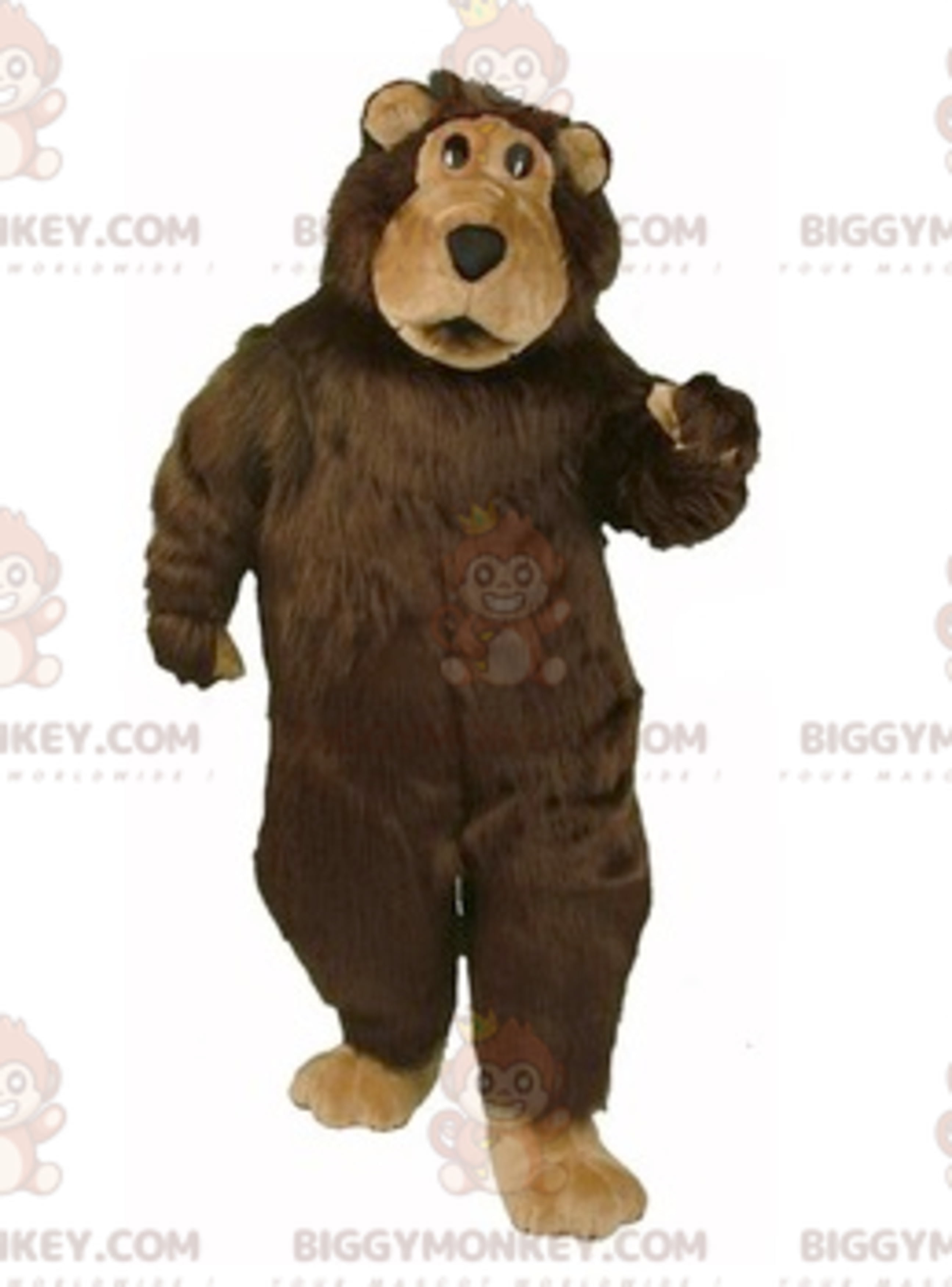
The Alaska mascot fierce furry friend represents the rugged, adventurous spirit of the Last Frontier, blending athletic intensity with approachable wildlife imagery. Usually embodying iconic subarctic fauna such as bears, wolves, or huskies, these mascots serve as dynamic ambassadors for educational institutions, sports teams, and community organizations across the state.
Understanding the Role of High-Latitude Mascots
Mascots in high-latitude regions perform a vital cultural function beyond merely entertaining spectators at sporting events. They serve as physical manifestations of regional identity, endurance, and community pride. In Alaska, where environmental conditions are demanding and local wildlife holds deep ecological significance, a mascot must communicate strength, resilience, and adaptability.
An effective Alaska mascot fierce furry friend achieves a careful balance. It cannot look cartoonish or overly docile, because it represents an athletic program or organization expected to compete with grit. Conversely, it cannot be genuinely terrifying to younger audiences. The design must project competitive ferocity while maintaining the inviting, charismatic qualities required for community engagement, charitable appearances, and youth outreach. This dual mandate influences everything from the choice of animal species to the texture of the faux fur and the styling of the athletic uniform.
Iconic Species Selection: Bears, Wolves, and Huskies
When designing or analyzing a prominent Alaskan mascot, the choice of animal typically centers on three apex or working species native to the region: the grizzly bear, the gray wolf, and the Siberian husky or Alaskan malamute. Each animal brings distinct symbolic attributes and visual characteristics to the branding package.
The grizzly bear represents raw power, territorial dominance, and unyielding toughness. A bear mascot is frequently deployed by larger institutions or programs that want to emphasize physical strength and defensive prowess. The gray wolf emphasizes teamwork, strategy, intelligence, and pack loyalty. Wolf mascots appeal to programs that value collective execution and tactical coordination. Meanwhile, the husky or malamute bridges the gap between wild endurance and domestic loyalty. These sled-dog representations celebrate historical transport, working grit, and deep historical roots in Alaskan daily life.
| Mascot Species | Primary Symbolic Trait | Common Athletic Application | Audience Appeal Factor |
|---|---|---|---|
| Grizzly Bear | Raw Power & Resilience | Football, Wrestling, Heavy Athletics | High intimidation, strong regional pride |
| Gray Wolf | Strategy & Pack Loyalty | Basketball, Hockey, Cross-Country | Sleek aesthetics, dynamic movement |
| Alaskan Husky | Endurance & Working Grit | Endurance sports, Winter sports | Approachable, energetic, historic connection |
Design Engineering and Performance Ergonomics
Crafting a professional-grade mascot suit for a rigorous northern climate involves sophisticated textile engineering and ergonomic planning. Performers inside these heavy costumes endure elevated temperatures, restricted visibility, and significant physical exertion. Consequently, modern mascot fabrication relies on advanced materials to ensure both durability and performer safety.
The interior framework typically utilizes lightweight thermoplastics or high-density foam cores carved to achieve the desired anatomical proportions—such as an oversized, expressive head paired with balanced shoulder padding. The exterior fur consists of synthetic modacrylic fibers engineered to resist matting, repel moisture, and withstand frequent cleaning. Ventilation systems, including small battery-operated fans concealed within the head cavity and moisture-wicking internal lining panels, are standard requirements to prevent heat exhaustion during extended public appearances. Vision panels are strategically integrated into the character's eyes or mouth mesh, offering the performer a functional field of view while preserving the illusion from the outside.
Community Engagement and Brand Representation
Beyond the sidelines of a gymnasium or football field, the Alaska mascot fierce furry friend functions as an active public relations asset. Educational institutions and municipal organizations utilize these characters to drive school spirit, boost alumni engagement, and participate in local parades, winter carnivals, and charity fundraisers.
Maintaining character integrity is a core operational requirement for any organization deploying a costumed mascot. Performers undergo specialized training in non-verbal communication, expressive body language, and crowd interaction. Because these furry ambassadors cannot speak, their personality must be conveyed entirely through exaggerated gestures, comedic timing, and empathetic responses to children and fans. This non-verbal discipline transforms a simple costume into a memorable, beloved brand persona that strengthens institutional identity across generations.
How to Choose or Design a Regional Mascot
Developing a successful athletic or organizational mascot requires a methodical approach that aligns visual aesthetics with institutional values. Organizations undertaking a rebrand or launching a new mascot program must follow a structured evaluation framework:
- Identify Core Values: Determine whether the organization wishes to project raw athletic power, intellectual agility, or historical heritage.
- Select Indigenous Fauna: Choose an animal species native to Alaska that accurately reflects those core values without relying on generic national clichés.
- Establish Design Guidelines: Balance fierce, competitive facial expressions with approachable proportions to ensure broad demographic appeal.
- Evaluate Practical Performance Needs: Prioritize lightweight ventilation, durable moisture-wicking fabrics, and clear performer visibility over purely visual complexity.
- Develop Character Protocols: Establish clear behavioral guidelines for performers to maintain consistent brand representation during public appearances.
Frequently Asked Questions
What animals are most commonly represented by Alaskan mascots?
Grizzly bears, gray wolves, and Alaskan huskies or malamutes are the most frequently chosen animals. These species reflect the natural wildlife and working heritage of the region, providing strong visual symbolism for local sports teams and educational institutions.
How do mascot performers manage extreme temperatures inside the costume?
Performers manage heat through specialized internal cooling strategies, including lightweight moisture-wicking undergarments, strategic foam ventilation channels, and concealed battery-operated miniature fans integrated into the headpiece to circulate air during extended wear.
What is the difference between a fierce mascot and an approachable mascot?
A fierce mascot emphasizes sharp angles, intense facial expressions, and powerful anatomical proportions to intimidate opponents. An approachable mascot softens these features with larger eyes, friendly smiles, and welcoming body language designed to engage younger fans and community members.
How often do mascot costumes require professional maintenance?
Professional mascot suits require spot-cleaning after every heavy use and thorough professional dry cleaning or specialized sanitization at least once or twice per competitive season, depending on the frequency of public appearances and intensity of physical performance.
Can custom mascot designs accommodate local cultural heritage?
Yes, many organizations collaborate with regional indigenous artists and cultural councils to ensure that animal representations and artistic motifs respect traditional storytelling, local iconography, and regional heritage accurately and respectfully.
Strategic Execution and Next Steps
Implementing or revitalizing a high-latitude mascot program requires a clear commitment to quality craftsmanship and active community stewardship. Organizations should begin by auditing existing branding assets, consulting with stakeholders, and partnering with experienced costume fabricators who understand the unique physical demands of performance in cold-weather environments. By prioritizing ergonomic comfort, durable materials, and consistent character training, institutions can establish an enduring symbol that inspires pride and unites communities for years to come.