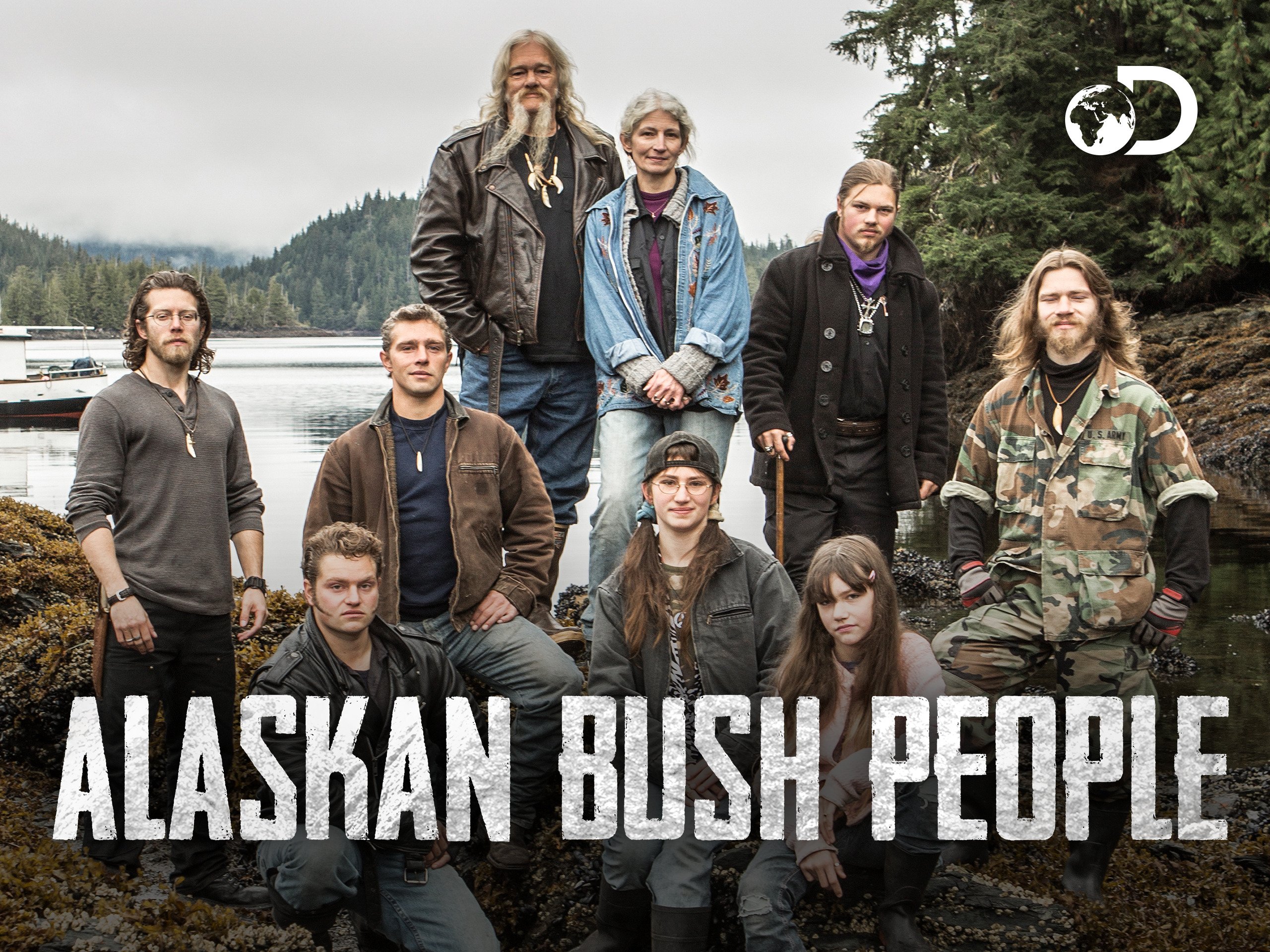
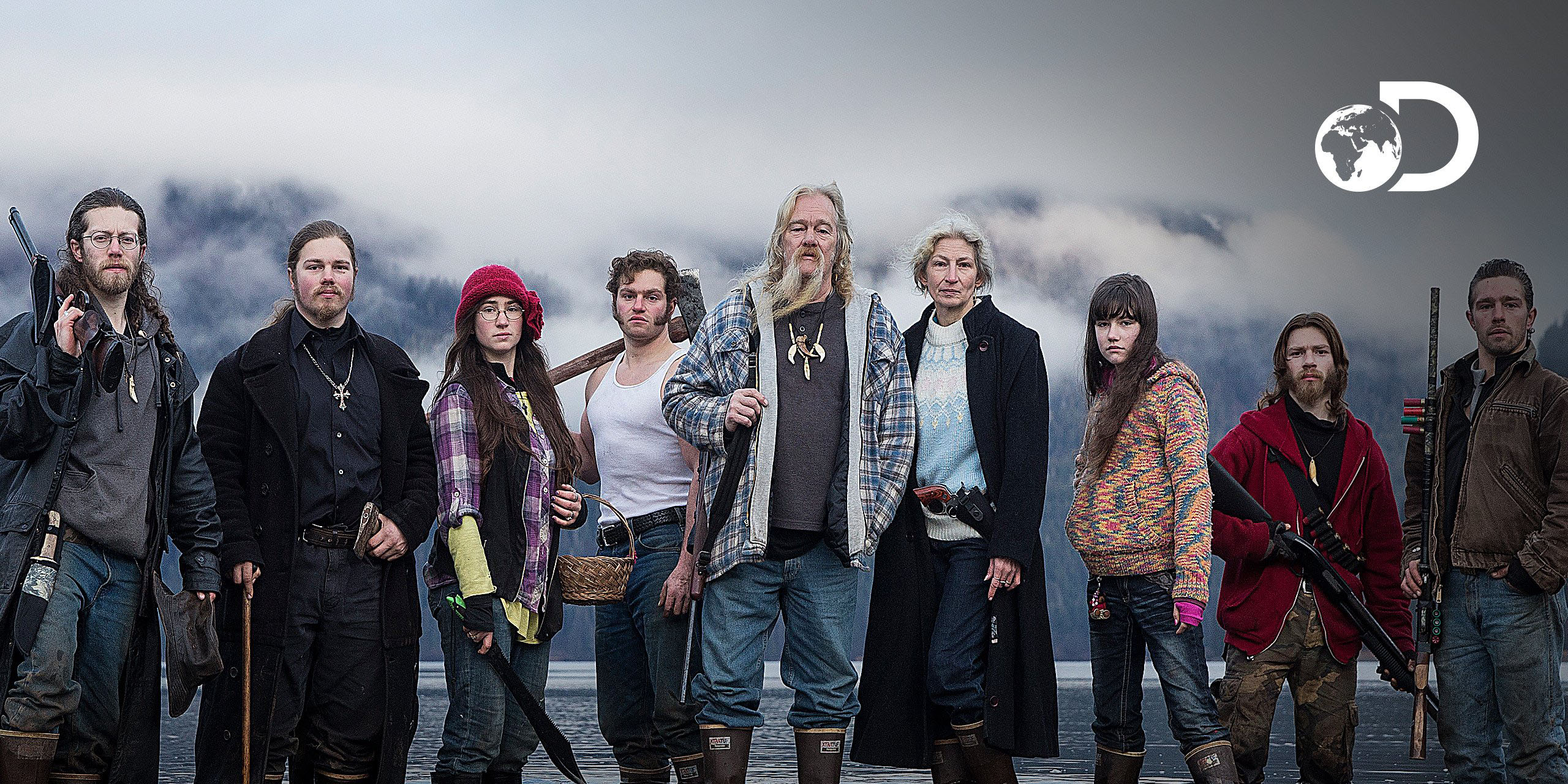
Alaska Bush People is a long-running American reality television series broadcast on the Discovery Channel that follows the Brown family and their unconventional lifestyle in the remote wilderness of Alaska and, in later seasons, Washington state. Chronicling the daily survival efforts, shelter-building projects, and tight-knit family dynamics of Billy Brown, his wife Ami, and their children, the program blends documentary-style footage of remote frontier living with serialized dramatic narratives, attracting a dedicated viewership and prompting ongoing public debate regarding the realities of modern wilderness existence.
Origins and Development of the Wilderness Premise
The concept for Alaska Bush People originated from patriarch Billy Brown's background and his desire to document a self-sufficient lifestyle far removed from urban infrastructure. Premiering in May 2014, the initial episodes introduced viewers to a family self-described as the "wolf pack," living in the untamed wilderness near Hoonah, Alaska, and later expanding to other remote areas within the state. The foundational premise relied on the family living off the land, harvesting their own food through hunting, fishing, and gathering, and constructing their own shelter without modern conveniences like running water or electricity.
From its earliest seasons, the series established a specific vocabulary and mythology around the Brown family's existence. Billy Brown positioned himself as a philosophical patriarch guiding his children—Matthew, Solomon, Gabriel, Joshua, Noah, Amora, and Merry-Christmas—through the harsh realities of sub-zero temperatures, dense forests, and encounters with local wildlife. Production choices emphasized isolation, framing the family as months out of touch with civilization, a narrative element that frequently drew scrutiny from local residents, journalists, and media critics who noted the proximity of certain filming locations to established towns and roads.
Cast Dynamics and Geographic Transitions
Over the course of multiple seasons, the physical location of the series shifted significantly, driven by a combination of health concerns, legal challenges, and logistical hurdles. Initial filming took place primarily in the Copper River Valley and Chibougamau-adjacent regions before settling around the Chatham Strait area of southeast Alaska. These early years highlighted structural trials, such as building timber cabins, securing boats for marine transportation, and surviving brutal winters where equipment failures could jeopardize basic safety.
As the children grew into adulthood, personal milestones and external pressures altered the family composition on screen. Health crises, including matriarch Ami Brown’s diagnosis with lung cancer in 2017, necessitated a major relocation to southern climates for medical treatment. This health-related migration led the family away from Alaska entirely, establishing a new homestead on a large tract of mountainous land in Washington state. Subsequent seasons documented the transition from Alaskan coastal wilderness to Pacific Northwest forestry, where the family faced new environmental challenges, including wildfire threats, rugged terrain, and the complex process of rebuilding their self-reliant infrastructure in a different ecosystem.
Production Realities and Media Reception
While marketed as an unscripted documentary chronicling authentic subsistence living, Alaska Bush People operated within the standard conventions of reality television production, balancing genuine physical hardships with narrative structuring. Viewers and media analysts often examined the intersection between the televised portrayal of complete isolation and the logistical reality of supporting a television crew in remote environments. The inclusion of production personnel, safety teams, and local transport revealed that the family's daily routine involved regular interaction with a supporting cast of technicians and logistical staff.
Legal scrutiny also impacted the show's narrative trajectory. In 2016, Billy Brown and his son Joshua served jail time after reaching a plea deal regarding charges of unsworn falsification related to Permanent Fund Dividend applications in Alaska, having spent time outside the state while maintaining residency claims. This legal development was incorporated into the series framework, illustrating how external regulatory systems intersected with the family's chosen lifestyle. Despite these controversies, the program maintained stable ratings, driven by audience interest in the interpersonal dynamics, sibling cooperation, and structural engineering projects undertaken by the family members.
Comparative Overview of Wilderness Reality Programming
To understand the positioning of Alaska Bush People within the broader television landscape, it is helpful to examine how it compares to other contemporary survival and wilderness programming broadcast during the same era.
| Program Title | Primary Setting | Core Focus | Narrative Style |
|---|---|---|---|
| Alaska Bush People | Alaska and Washington State | Family survival, homestead building, and interpersonal dynamics | Serialized, dramatic family documentary |
| Life Below Zero | Remote regions across Alaska | Independent survivalists operating individually or in couples | Observational, multi-subject docuseries |
| Alone | Vancouver Island, Patagonia, Arctic | Solitary survival competition against the elements | Competitive, self-documented isolation |
| Mountain Men | Various remote U.S. locations | Traditional trades, trapping, and remote livelihoods | Interwoven biographical profiles |
Cultural Impact and Audience Engagement
The longevity of Alaska Bush People established it as a distinct cultural touchstone for viewers interested in alternative lifestyles and frontier mythology. The show tapped into a long-standing fascination in American media with escaping industrial society in favor of self-reliance, a theme echoed in literature, film, and television for decades. For fans, the appeal lay not merely in the technical aspects of wilderness survival—which were frequently secondary to interpersonal drama—but in the enduring display of familial loyalty and resilience in the face of profound medical, environmental, and emotional adversity.
At the same time, media scholars and cultural critics often categorized the series within the subgenre of "redneck engineering" and romanticized rural poverty, noting how the program framed economic necessity as an intentional philosophical choice. The passing of patriarch Billy Brown in February 2021 marked a definitive turning point for the franchise, prompting subsequent episodes to address generational succession, grief, and the continuation of the family homestead without its founding figure. These later episodes shifted the narrative tone toward legacy and preservation, allowing the adult children to interpret and adapt the wilderness philosophy instilled by their parents.
Frequently Asked Questions
Where was Alaska Bush People filmed?
The series was primarily filmed in various remote regions of Alaska during its early seasons, including the areas surrounding Hoonah and the Chichagof Island region. In later seasons, following Ami Brown's medical treatments, production relocated to a large property in Washington state, where the family established a new homestead.
Is Alaska Bush People entirely unscripted?
Like most reality television programs, Alaska Bush People combines genuine documentary footage of real-life events and environmental challenges with structured storytelling, editing choices, and production oversight designed to maintain narrative pacing for viewers.
How did the show address Billy Brown's passing?
Billy Brown passed away in February 2021 due to a seizure. Subsequent seasons of the series addressed his death directly, documenting the family's grief, memorial services, and the transition of leadership responsibilities to the adult children as they sought to maintain the family homestead.
Did the Brown family actually live off the land full-time?
While the family engaged in subsistence activities such as fishing, hunting, and building their own shelters, their lifestyle was supported by television production compensation, equipment provision, and logistical infrastructure required to film a commercial broadcast series in remote locations.
What caused the family to leave Alaska?
The initial catalyst for leaving Alaska was the diagnosis of matriarch Ami Brown with advanced lung cancer, which required relocation to Southern California for specialized medical treatments. Following her recovery, the family chose to settle in Washington state rather than return permanently to their former Alaskan homestead.
Are the Brown children still featured in the media?
Yes, various members of the Brown family continue to maintain public profiles through social media channels, personal projects, and occasional media appearances, though the core television broadcast concluded its primary run following the later transition seasons.
Navigating Wilderness Media and Reality Television
For viewers seeking to critically evaluate survival-themed programming, distinguishing between entertainment narratives and actual wilderness survival techniques remains an essential interpretive skill. While shows like Alaska Bush People offer compelling human drama and picturesque vistas of frontier environments, individuals interested in actual outdoor survival or homesteading should consult verified instructional resources, forestry experts, and official safety guidelines rather than relying on television depictions for practical preparation.