Understanding how to avoid and survive encounters with coastal brown bears in Alaska requires studying historical attack dynamics, mastering proactive safety measures, and recognizing the precise behavioral triggers that escalate defensive aggression. Encountering Ursus arctos middendorffi—the massive brown bears inhabiting Alaska’s coastal ecosystems—demands absolute preparedness from hikers, anglers, hunters, and wilderness workers. While fatal or severe attacks remain statistically rare given the high volume of human-wildlife overlap, analyzing documented survival stories alongside established wildlife management protocols provides a clear roadmap for mitigating risk and responding effectively when an encounter turns critical.
Understanding Alaska Brown Bear Behavior and Ecology
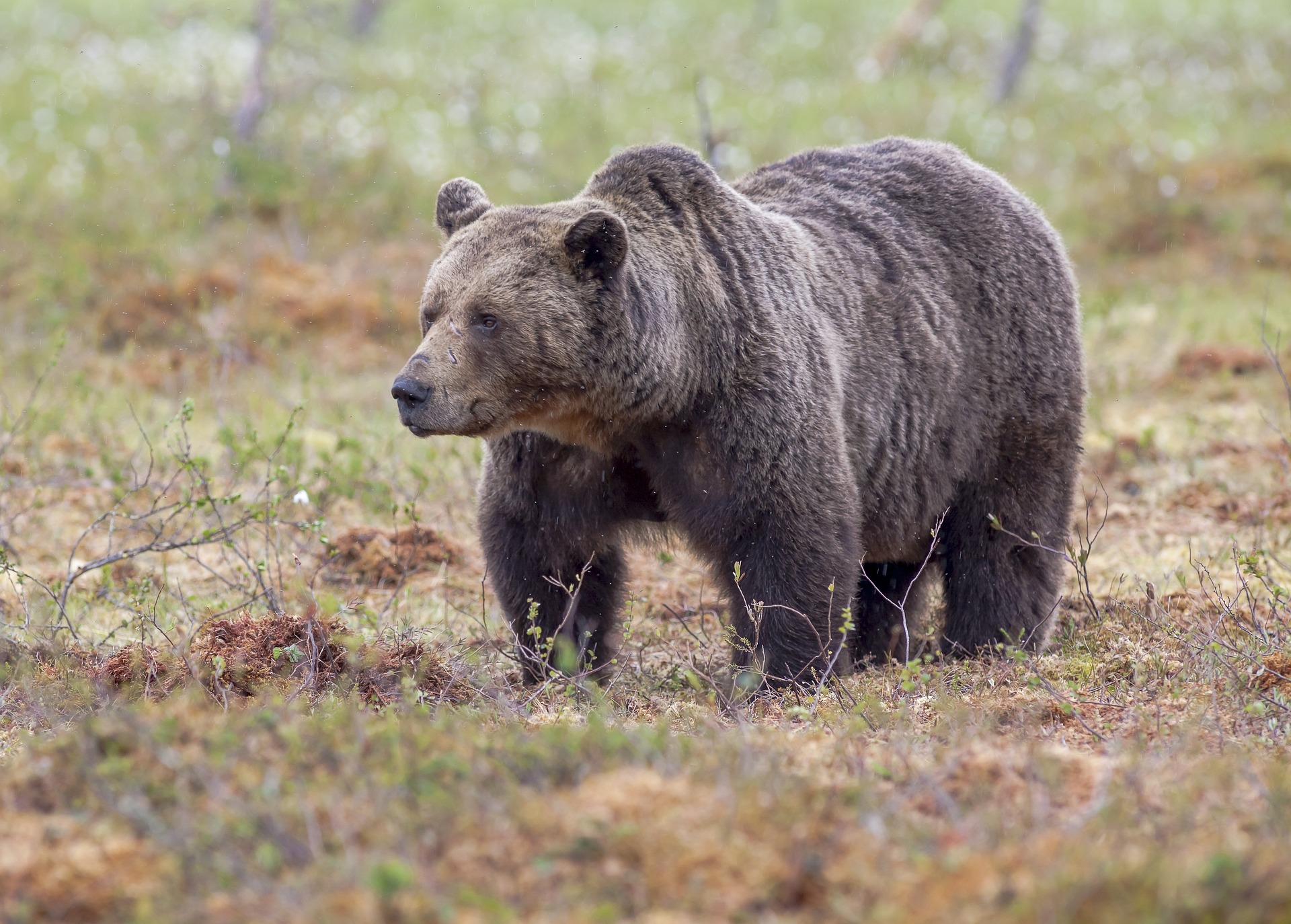
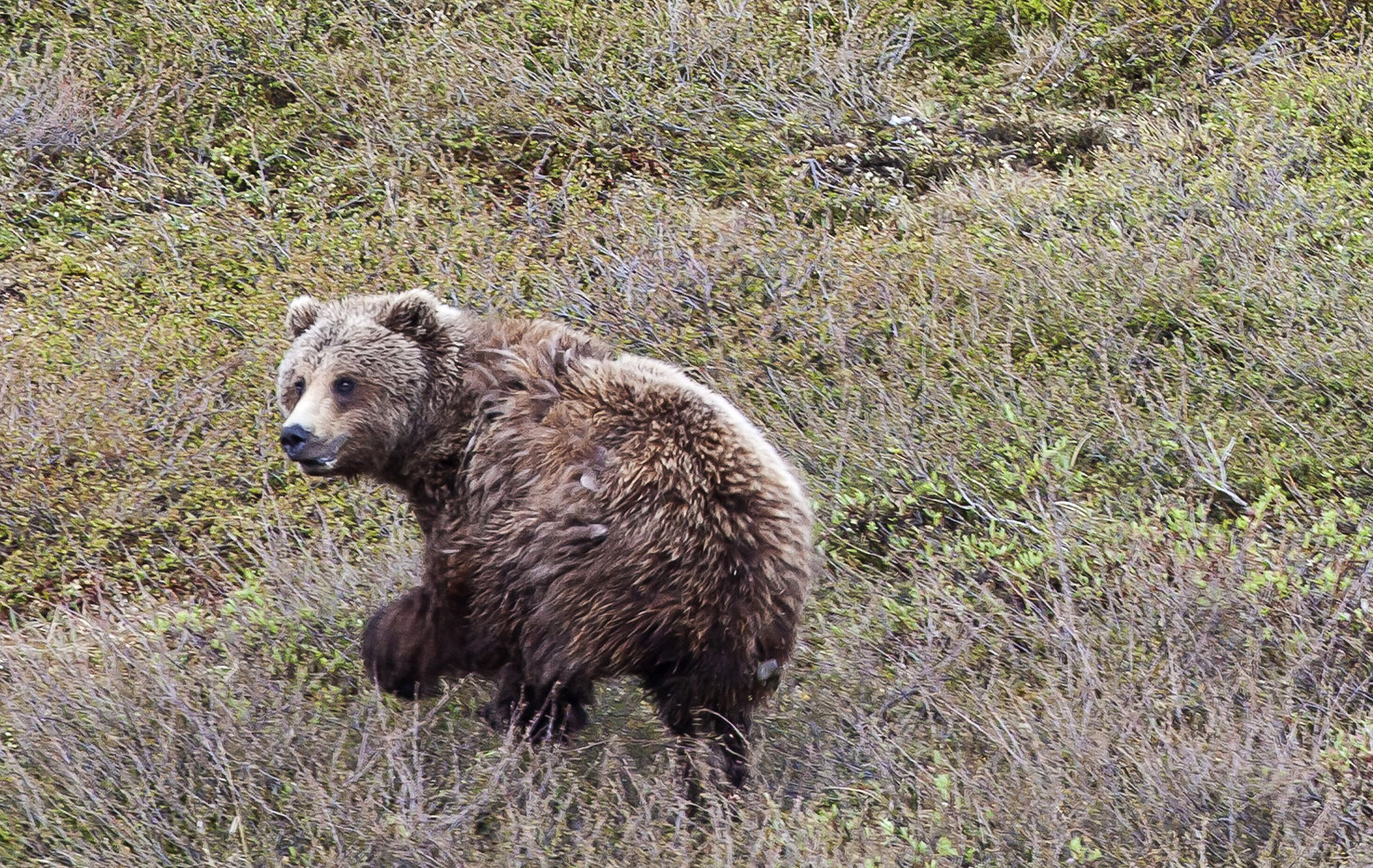
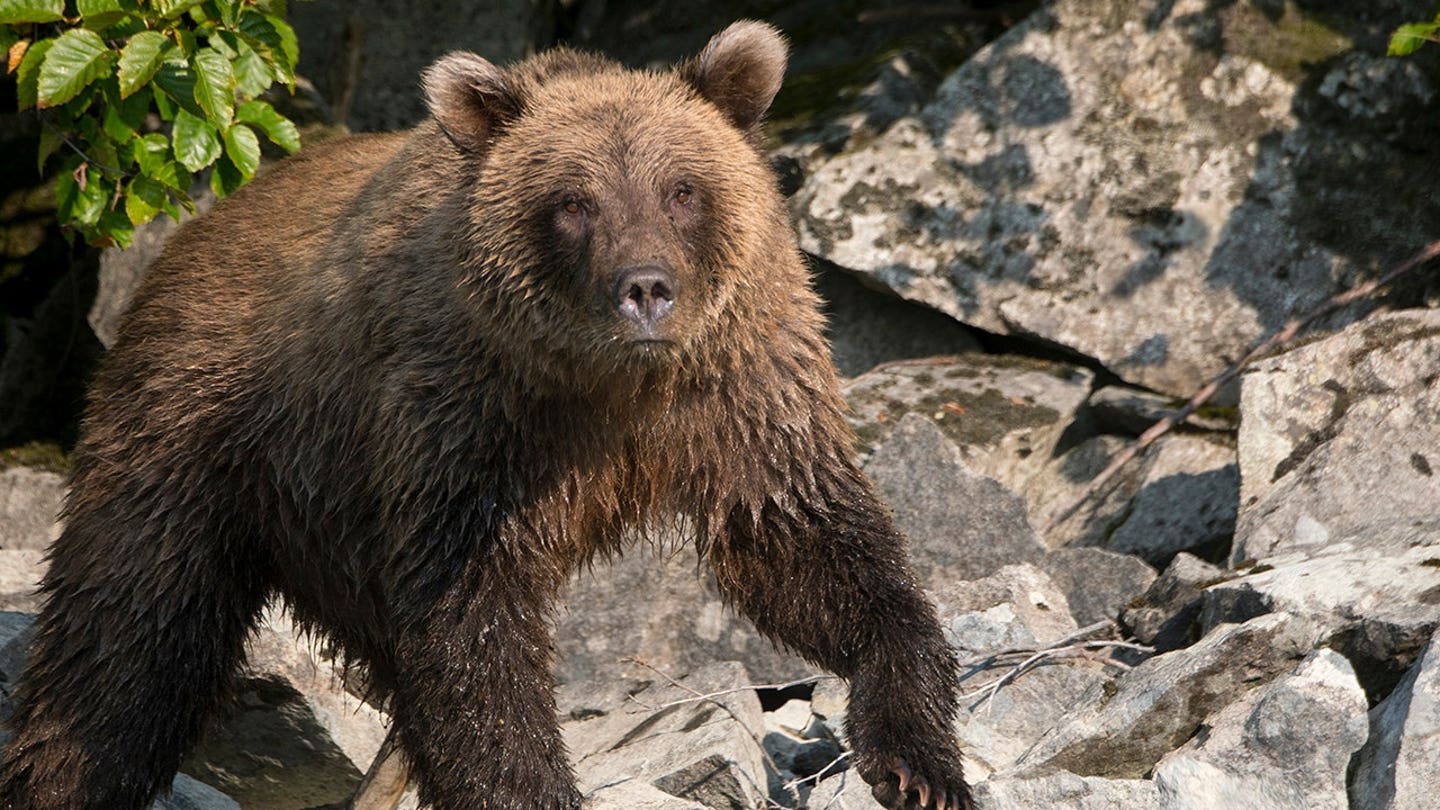
Alaska brown bears, often grouped taxonomically with mainland grizzlies though generally larger due to marine-derived food sources like salmon, possess complex behavioral patterns driven primarily by seasonal food availability and maternal protection. Unlike black bears, which frequently climb trees to escape perceived threats or forage, brown bears are built for excavation and ground-speed, utilizing a shoulder hump composed of muscle mass designed for digging roots, turning rocks, and pursuing prey. Recognizing seasonal habits—such as concentrating along riparian zones during salmon runs in July and September, or foraging in high-altitude berry patches in late summer—helps travelers avoid high-conflict zones during peak feeding windows.
Predatory motivations differ fundamentally from defensive encounters, and distinguishing between them dictates your survival strategy. Defensive encounters usually involve startling a bear at close range, surprising a mother with dependent cubs, or stumbling upon a cached food source. In these instances, the bear perceives you as a direct threat to its safety or offspring, triggering a fight-or-flight response that frequently manifests as defensive aggression. Conversely, predatory stalking involves a bear viewing a human as potential prey, a behavior characterized by silent tracking, relaxed ears, head-low stalking postures, and persistent following despite deterrence efforts. Understanding these nuances forms the foundation of all backcountry safety protocols.
Proactive Safety Measures and Deterrents in Bear Country
Preventing an attack begins long before stepping onto a trail, relying on rigorous camp hygiene, noise discipline, and the correct deployment of EPA-registered deterrents. When moving through thick brush or areas with obstructed visibility—such as salmon streams or coastal alder patches—travelers must make human sounds by talking, clapping, or calling out to avoid startling resting or feeding animals. Traveling in groups of four or more significantly reduces the statistical likelihood of an aggressive encounter, as larger groups naturally generate more auditory signatures and present a more formidable silhouette to curious or defensive wildlife.
Carrying EPA-approved, high-capacity bear spray containing 1.37% to 2% capsaicin and related capsaicinoids is widely recognized by wildlife biologists and safety agencies as the most effective non-lethal deterrent against charging bears.
- Accessibility: Bear spray must be carried in an immediate-access chest holster or hip scabbard, never buried inside a backpack where deployment takes seconds too long during a sudden charge.
- Range and Wind: Most commercial canisters project a dense cloud 30 to 40 feet for approximately 6 to 9 seconds, though crosswinds and heavy rain can severely degrade deployment distance.
- Storage Protocols: All food, garbage, and scented items must be secured in certified bear-resistant containers or electric fencing when front-country camping, or hung at least 10 feet high and 4 feet out from a tree trunk in the backcountry.
Analyzing Documented Survival Stories: Lessons From the Field
Examining documented Alaska brown bear attack survival stories reveals recurring patterns regarding human error, environmental factors, and the physiological response required during extreme stress. In many classic survival accounts—such as those analyzed by state wildlife agencies and wilderness emergency responders—victims who survived aggressive contact typically executed one of two critical physical maneuvers depending on the bear's intent: playing dead during a defensive mauling or fighting back viciously during a rare predatory stalking incident.
Consider historical accounts from remote river corridors in the Katmai or Kodiak archipelagos, where anglers surprised feeding bears along steep riverbanks. In defensive maulings, individuals who curled into a tight fetal position—protecting their vital organs, neck, and face with their hands and interlocking fingers behind their neck—often survived with severe soft-tissue injuries because the bear, having neutralized the perceived threat, broke off the attack and retreated. Conversely, accounts involving predatory or nocturnal tent intrusions highlight instances where victims fought back with trekking poles, cooking pots, and knives, convincing the bear that the caloric cost of subduing the human outweighed the potential nutritional reward.
| Encounter Scenario | Primary Bear Motivation | Recommended Human Response | Key Tactical Priority |
|---|---|---|---|
| Surprise Close-Range | Defensive (Startled, Cubs Present) | Stand your ground, use bear spray, play dead only if contact occurs. | Protect vital organs and neck; do not run. |
| Camp Intrusion / Night | Investigative or Predatory | Shout aggressively, fight back with any available object. | Establish dominance; prevent the bear from gaining ground. |
| Persistent Following | Predatory Stalking | Back away slowly while facing the bear, prepare bear spray. | Maintain eye contact; do not show fear or turn your back. |
| Food-Conditioned Approach | Habituation / Resource Defense | Secure food immediately if possible, deploy deterrents, retreat. | Eliminate food reward incentives; discourage habituation. |
Step-by-Step Response Protocol During a Charge
When a brown bear initiates a charge, adrenaline spikes instantly, making the human instinct to flee nearly overwhelming. However, running triggers a predator's innate chase reflex, and brown bears can easily sprint at speeds exceeding 30 miles per hour—far faster than any human over uneven wilderness terrain.
- Assess and Stand Ground: Resist the urge to run. Identify whether the charge is a true aggressive attack or a bluff charge. Bluff charges typically feature forward movement accompanied by loud huffs, jaw-popping, and slapping the ground, terminating in a swerve or sudden stop before contact.
- Ready Your Deterrent: Unholster your bear spray, remove the safety clip, and acquire a firm two-handed grip. Keep your arms slightly bent to maintain control against wind deflection.
- Communicate Calmly: Speak to the bear in a firm, low, authoritative voice. Avoid high-pitched screams or erratic gestures that signal vulnerability or panic.
- Deploy Spray at Range: When the bear closes to within 30 to 40 feet—or the specific effective distance of your canister—aim slightly downward to create an impenetrable wall of capsaicin fog that the charging animal must run through.
- Execute Contact Defense: If physical contact is unavoidable and the motivation is defensive, drop to the ground and assume the standard protective fetal position. Remain motionless until the bear has completely departed the immediate vicinity, as premature movement can reignite aggressive behavior.
Common Mistakes and Wilderness Safety Pitfalls
Even experienced outdoorsmen occasionally commit critical errors that escalate risk or compromise their defensive readiness in Alaska's backcountry. One frequent mistake is relying exclusively on firearms without adequate training or accessibility. While a large-caliber firearm (such as a .44 Magnum or 12-gauge shotgun with slugs) can stop a bear, studies and wildlife management data consistently demonstrate that under high-stress conditions, deploying bear spray is statistically faster and yields a higher success rate with fewer injuries to both human and animal compared to defensive sidearm use.
Another widespread hazard involves improper waste management and the failure to maintain situational awareness. Wearing headphones while hiking along noisy rivers eliminates the auditory cues necessary to detect a bear before entering its personal buffer zone. Additionally, burying garbage or leaving fish carcasses near temporary campsites creates unnatural attractants that habituate bears to human presence, transforming wild animals into problem bears that pose sustained hazards to subsequent travelers. Maintaining absolute cleanliness and respecting wildlife spatial boundaries remain the ultimate benchmarks of responsible wilderness navigation.
Professional Guidance and Emergency Preparedness
Venturing into remote regions of Alaska requires acknowledging the profound logistical and medical limitations inherent in wilderness travel. Search and rescue operations can be delayed for hours or even days due to notoriously volatile maritime weather, dense fog, and vast geographic isolation. Consequently, carrying a reliable satellite communication device—such as a personal locator beacon (PLB) or satellite messenger—is an indispensable component of any remote travel kit. For comprehensive regulatory updates, seasonal land closures, and official safety advisories before embarking on your trip, consult the Alaska Department of Fish and Game (ADF&G) or the National Park Service (NPS) wilderness safety portals.
Disclaimer: Wildlife encounters are inherently unpredictable, and standard safety protocols cannot eliminate all risks associated with traveling in apex predator habitats. This guide serves as general educational reference material and should be supplemented with hands-on wilderness safety courses and official regulatory guidelines.